Cavalier King Charles Spaniel IVDD
Cavaliers face IVDD, but also Chiari-like malformation and syringomyelia — conditions that mimic each other. Here's how to tell them apart and what care looks…
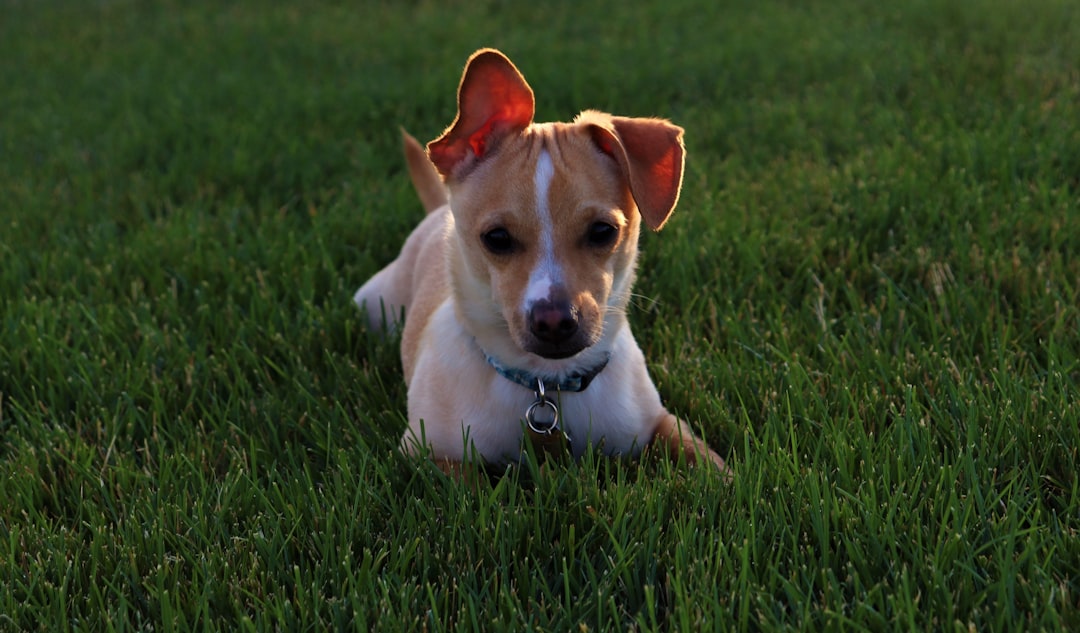
Photo by Ralf Sauter on Unsplash
Cavalier King Charles Spaniels face a uniquely complicated neurological picture — and IVDD is only part of it.
If you’re here because your Cavalier is yelping, scratching at nothing, or suddenly reluctant to move their neck, you’re in the right place — and I want to be upfront with you. This breed’s neurological situation is more layered than most. Understanding all three conditions — IVDD, Chiari-like malformation, and syringomyelia — is essential before you can make good decisions about care.
Why Cavaliers Are at Risk for Multiple Spinal Conditions
Cavaliers are at elevated risk for spinal and neurological problems due to their anatomy from two separate directions. As a chondrodystrophic breed, they carry the FGF4 gene insertion associated with disc disease, making their intervertebral discs prone to premature degeneration — the same underlying mechanism that affects Dachshunds. You can read more about the genetics behind this in our article on the genetics of IVDD: CDDY, FGF4, and chondrodystrophy explained.
But Cavaliers have a second problem that most IVDD-prone breeds don’t share: their skull shape. The breed standard produces a relatively small posterior fossa (the back portion of the skull), which can compress the cerebellum and obstruct the normal flow of cerebrospinal fluid. That obstruction is what drives Chiari-like malformation and, in many affected dogs, syringomyelia.
The result is a breed that can develop three overlapping conditions — sometimes simultaneously.
What’s the Difference Between IVDD, CM, and SM?
These three conditions are distinct problems with different causes, different imaging appearances, and different treatment logic. Getting them confused can lead to the wrong treatment plan.
IVDD (Intervertebral Disc Disease): Degenerated disc material bulges or ruptures and compresses the spinal cord or nerve roots from the outside. In Cavaliers, this most often occurs in the cervical (neck) spine. Symptoms include neck pain, reluctance to lower the head, muscle spasms, and potentially front or rear limb weakness depending on the level affected.
Chiari-like Malformation (CM): The back of the skull is too small to comfortably house the brain structures behind it, particularly the cerebellum. This mismatch causes the cerebellar tissue to be pushed toward or through the foramen magnum (the opening at the base of the skull). CM can exist on its own or act as the driver of SM.
Syringomyelia (SM): Fluid-filled cavities, called syrinxes, form inside the spinal cord itself — most commonly in the cervical region. SM is usually a consequence of CM, where disrupted cerebrospinal fluid dynamics cause abnormal pressure waves that gradually hollow out the cord. SM causes pain that is often described as burning or neuropathic, along with progressive weakness and that signature phantom scratching behavior.
- Scratching at the neck or shoulder without making contact (air scratching), often on one side only
- Yelping or crying out with no obvious physical trigger
- Sensitivity when touched around the head, ears, or neck
- Scoliosis (spinal curvature) developing in a young dog
- Worsening symptoms during excitement, defecation, or positional changes
How Are These Conditions Told Apart on Imaging?
The imaging differences between IVDD and CM/SM are significant — and this is why an MRI is not optional when a Cavalier presents with neurological signs.
On an MRI, IVDD appears as disc material compressing the spinal cord at a specific intervertebral level. The cord itself remains intact; the problem is external pressure. The lesion is localized, and a surgeon can target that level precisely.
CM shows up as overcrowding at the craniocervical junction — the junction between the skull and the first vertebra. The cerebellum may be herniated, and the normal cushion of cerebrospinal fluid around the brainstem is reduced or absent.
SM appears as a dark cavity running longitudinally through the spinal cord on T2-weighted MRI sequences. The syrinx may be small and localized, or it may extend over multiple spinal segments. A dog can have CM without SM, but SM in Cavaliers is almost always associated with CM.
Standard X-rays and CT scans cannot detect syringomyelia or reliably identify CM. As noted by the American College of Veterinary Surgeons, MRI is the gold-standard imaging modality for differentiating compressive spinal cord disease from intramedullary lesions like syrinxes. This matters because the wrong imaging choice can lead to a missed diagnosis and a treatment plan targeting the wrong problem.
- X-ray: can suggest disc degeneration, cannot see cord compression or syrinxes
- CT scan: good for bone and disc material, misses syrinxes
- MRI: required to diagnose CM, SM, and to precisely localize IVDD compression
- A neurologist visit is strongly recommended before any surgical decision in this breed
How Is Treatment Different for Each Condition?
If your Cavalier has IVDD, the treatment framework follows the same logic as for other breeds: conservative management for mild cases (rest, pain control, anti-inflammatories) and surgical decompression for severe or worsening cases. Our article on IVDD surgery vs. conservative care walks through how that decision typically gets made. For cervical IVDD specifically, the surgical approach is a ventral slot procedure performed at the affected disc level — a focused, well-established surgery.
CM and SM are managed differently. Medical management for CM/SM typically includes:
Omeprazole: Reduces cerebrospinal fluid production, which may lower pressure within the syrinx. Many Cavalier owners find this is the first medication their neurologist reaches for.
Gabapentin or pregabalin: Addresses the neuropathic pain associated with SM. This is a different pain profile than typical disc pain — it’s more burning and sensory in character, which is why standard NSAIDs often don’t fully control it.
Corticosteroids: Can reduce inflammation and temporarily improve signs, though long-term use carries significant side effects and most neurologists aim to minimize it.
Surgery for CM/SM: Foramen magnum decompression — removing a small piece of bone at the back of the skull to give the brain more room — can slow or halt SM progression in some dogs. It’s a more specialized surgery than IVDD decompression, performed by a veterinary neurosurgeon, and outcomes vary. It doesn’t reverse an established syrinx, but it may prevent a small one from growing.
If your Cavalier has both IVDD and CM/SM (which does happen), management becomes a balancing act. Your neurologist will prioritize based on which condition is causing the more pressing signs.
- Document the scratching behavior on video before your vet visit — showing that air-scratch pattern is extremely helpful for diagnosis
- Note whether symptoms worsen during excitement, exercise, or specific positions
- Request a neurology referral — general practitioners often can’t differentiate CM/SM from IVDD without specialist support
- Ask specifically about MRI, not just X-rays or CT, when scheduling imaging
Living With a Cavalier Who Has Neurological Disease
Day-to-day care for Cavaliers with any of these conditions shares some common ground. Pain management is usually the central challenge, and it often takes a combination of medications to achieve good quality of life — especially with SM, where the pain is neuropathic and unpredictable.
From what I’ve seen and heard from other Cavalier owners in the disabled dog community, the dogs who do best are the ones whose owners learned to read their subtle signs early. The phantom scratch is easy to miss the first few times, or to dismiss as a quirk. Once you know what you’re looking for, you catch it sooner.
Home modifications that help include soft, supportive bedding (pressure on an SM-affected dog matters), avoiding collar use in favor of a harness to reduce neck pressure, and keeping excitement levels moderate during flares. For dogs with cervical IVDD, raising food and water bowls slightly can reduce the need to dip the head fully down.
Weight management matters too — excess weight adds load to an already-compromised spine and makes any neurological condition harder to manage comfortably.
- Sudden inability to use one or more limbs
- Loss of bladder or bowel control
- Dramatic increase in pain — screaming, inability to settle
- Rapid progression of weakness over hours
- Loss of response to deep pressure in the paws
Related Reading
- Cervical IVDD: The Neck-Disc Disease Owners Underestimate
- IVDD Imaging Explained: MRI vs CT vs Myelogram vs X-Ray
- Which Dog Breeds Get IVDD Most? The At-Risk Breed List
Frequently Asked Questions
Do Cavalier King Charles Spaniels get IVDD?
Yes, Cavaliers can develop IVDD, most commonly in the cervical (neck) region. However, they are also disproportionately affected by Chiari-like malformation and syringomyelia, which cause similar symptoms and are frequently confused with IVDD. An MRI is usually required to distinguish between them.
What is syringomyelia and how is it different from IVDD?
Syringomyelia is a condition where fluid-filled cavities form inside the spinal cord, usually as a result of Chiari-like malformation restricting cerebrospinal fluid flow. IVDD involves disc material compressing the spinal cord from the outside. Both cause neck pain and neurological deficits, but they require different treatment approaches.
What does Chiari-like malformation look like in a Cavalier?
The most distinctive early sign is phantom scratching — the dog scratches at the neck or shoulder area without making contact, often on one side. Other signs include yelping for no apparent reason, sensitivity around the head and neck, and progressive weakness in the limbs.
Can a Cavalier with IVDD or syringomyelia still have a good quality of life?
Many Cavaliers with these conditions live comfortably for years with appropriate medical management, pain control, and home modifications. Surgical options exist for both IVDD and Chiari-like malformation, though surgery for CM/SM is more specialized. Early diagnosis and consistent follow-up care make a significant difference.
This guide is based on real experience and should be used alongside professional veterinary care. Always consult your veterinarian before starting any new treatment or making changes to your dog’s care plan.