Long-Term Care for an IVDD Dog: Life After Crisis
Learn how to care for a dog with IVDD long-term — from preventing relapses to managing mobility at home. Real caregiver advice for life after the acute phase.
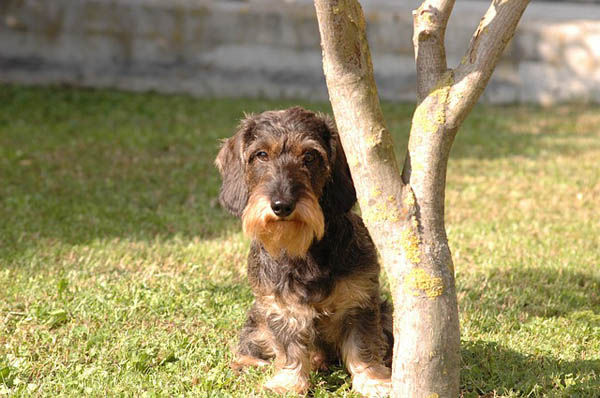
Getting through the acute crisis is one thing, but figuring out how to build a sustainable life afterward is a whole different challenge.
When Noodle was first diagnosed with IVDD, I was completely consumed by the immediate emergency: the vet visits, the medications, the crate rest, the fear. Nobody really prepared me for what comes after. The weeks when the crisis has passed but your dog isn’t fully back to normal, and maybe never will be. That in-between place where you’re trying to rebuild your life together.
If you’re there right now, this is the guide I wish someone had handed me.
What Does “Long-Term IVDD Care” Actually Mean?
IVDD (intervertebral disc disease) isn’t something that just goes away. Even dogs who recover beautifully from their first episode still have the same spine they started with. The discs that herniated once can herniate again, and in chondrodystrophic breeds like Dachshunds, Corgis, and French Bulldogs, the risk of recurrence is real and ongoing.
Long-term care means shifting from crisis management to prevention and maintenance. It means building a lifestyle that protects your dog’s spine every single day, not just during flare-ups.
For some dogs, that means adapting to permanent weakness or partial paralysis. For others, it means managing a dog who looks and acts completely normal, but who needs guardrails to stay that way.
Both situations deserve attention. Both are hard in different ways.
How Do I Prevent Another IVDD Episode?
This is the question every IVDD caregiver eventually asks, and I want to be honest: you can’t guarantee it won’t happen again. But you can absolutely reduce the risk.
Weight management is the single most impactful thing you can do. Extra weight puts direct pressure on the spine. If your dog is even a little overweight, talk to your vet about a target weight and a realistic plan. I saw a noticeable difference in Noodle’s energy and movement once we got her to her ideal weight.
No jumping. I cannot overstate this one. On and off furniture, in and out of cars — every landing sends a compressive force through the spine. Use ramps and steps everywhere. Yes, even for the couch. Yes, even for the bed. It feels excessive until you realize what a second episode looks like.
Harness instead of collar. A collar puts pressure on the neck and can jerk the cervical spine during walks. A well-fitted harness distributes pressure across the chest. This is a five-minute, inexpensive change that I now consider non-negotiable for IVDD dogs.
Controlled, consistent exercise. Leash walks, not off-leash zoomies. According to VCA Hospitals, keeping the muscles that support the spine strong is an important part of managing IVDD long-term. Short, daily leash walks are far better than occasional bursts of intense activity.
No rough play. I know. It breaks your heart when you can’t let them wrestle with the other dog or chase a ball at full speed. We adjusted by swapping fetch for gentle nose work and sniff walks. It’s not the same, but they genuinely love it.
- Use ramps or pet stairs for all furniture and car access
- Walk on leash only — avoid off-leash running and sudden direction changes
- Always use a harness, never a neck collar
- Keep weight at or below your vet’s recommended target
- Offer a supportive orthopedic bed to reduce pressure during rest
Managing Ongoing Weakness or Partial Paralysis
Some IVDD dogs don’t make a full recovery. They may have persistent hind-leg weakness, knuckling (where the paw curls under rather than landing flat), or reduced coordination. This is especially common after Grade 4 or Grade 5 episodes, and the degree of recovery varies enormously between dogs.
Living with a partially recovering dog means building your days around their needs without burning yourself out.
Sling-walking (using a towel or a dedicated mobility sling under the belly) helps dogs with hind-end weakness get outside for potty trips without dragging their legs. I used a rolled bath towel for weeks before investing in a proper sling, and both worked fine.
Booties or paw protectors are worth considering if your dog is knuckling. Dragging a paw wears the skin down fast, and the wounds are painful and slow to heal. A bootie protects the paw while your dog is still building strength.
Passive range-of-motion exercises (gently moving the hind legs through their natural range while your dog rests) help maintain joint flexibility and muscle condition even when your dog can’t move those legs independently. Your vet or a canine rehab therapist can show you the right movements. It’s something you can do at home in ten minutes a day, and it genuinely helps.
Rehabilitation therapy is worth pursuing if it’s accessible to you. Canine physical therapists and underwater treadmill sessions (hydrotherapy) can accelerate neurological recovery and rebuild muscle. As I cover in our neurological care guides, supporting the nervous system’s recovery takes patience and repetition — there are no shortcuts, but there is real progress to be made.
- Set consistent potty schedules — every 4–6 hours minimum for dogs with bladder changes
- Do passive range-of-motion exercises daily, ideally at the same time each day
- Track any changes in mobility with quick weekly notes or short videos
- Celebrate small wins — a paw twitch, a step taken, a tail wag during PT
Do I Need to Change My Home for an IVDD Dog?
Almost certainly yes, and the earlier you do it the better.
Flooring: Hardwood and tile are brutal for dogs with any weakness. Area rugs, yoga mats, or interlocking foam tiles in the main living areas give your dog traction to push off without slipping. Slipping is exhausting, discouraging, and hard on the joints.
Sleeping surface: An orthopedic foam bed reduces pressure on the spine and joints during rest. If your dog is fully or partially paralyzed, look at beds with low entry points so they can reposition themselves, or help them do so throughout the day to prevent pressure sores.
Baby gates: Use them to block stairs completely. Even if your dog is recovering well, a moment of excitement and an attempted stair-climb can undo weeks of progress.
Food and water bowls: For dogs with cervical (neck) IVDD, elevated bowls reduce the need to bend the neck down sharply. For thoracolumbar (mid-back) IVDD, floor level is usually fine.
- Sudden change in walking ability, even subtle stumbling
- Crying out when touched along the back or when moving
- New loss of bladder or bowel control
- Reluctance to jump or climb that appears out of nowhere
- Head pressing or extreme neck stiffness These are not “wait and see” signs. Call your vet the same day.
What About the Emotional Side of This?
I’m not going to skip this part, because I spent a long time feeling guilty for finding it hard.
Long-term disabled dog care is a marathon, not a sprint. There are days when you resent the ramps and the slings and the midnight potty trips. There are days when you grieve the dog they used to be. There are days when you question every decision you’ve made.
All of that is normal. All of it is okay.
What helped me was connecting with other caregivers: online communities of people doing exactly what you’re doing. The IVDD subreddit, dedicated Facebook groups, forums full of people who understand why you’re Googling at 2am. You are not alone in this, even when it feels that way.
Your dog doesn’t need you to be perfect. They need you to show up, and you already are, because you’re reading this.
For dogs with more advanced paralysis, check out our IVDD care guides for specific resources on bladder care, wheelchair fitting, and quality-of-life assessment. And if your dog has other spine conditions alongside IVDD, you may also find our degenerative myelopathy guides useful for understanding progressive mobility loss.
The road is long. But you and your dog can walk it together, ramps, slings, booties, and all.
Related reading
- Just Diagnosed with IVDD: What to Do in the First 72 Hours
- Best Flooring & Traction for IVDD Dogs
- Crate Rest for IVDD Dogs: A Survival Guide
- IVDD Emergency Signs: When to Rush Your Dog to the Vet
Looking for a rehab vet near you? Our IVDD specialist finder lists practices with PT, hydrotherapy, and conservative-care experience by state.
Frequently Asked Questions
Can an IVDD dog live a normal life long-term?
Many IVDD dogs go on to live happy, full lives with some adjustments. The key is understanding their limitations, protecting the spine from future stress, and staying consistent with the daily routines that keep them comfortable.
How do I prevent an IVDD relapse?
The biggest things you can do are restrict jumping and stairs, keep your dog at a healthy weight, use a harness instead of a neck collar, and do regular gentle exercise to keep the surrounding muscles strong. No single change eliminates the risk, but together they make a real difference.
Should an IVDD dog be on restricted activity forever?
Not full crate rest, that’s only for the acute phase. Long-term, most IVDD dogs do well with moderate, controlled activity. The goal is avoiding high-impact movement like jumping off furniture or rough play, not eliminating exercise entirely.
When should I consider a wheelchair for my IVDD dog?
If your dog has ongoing hind-limb weakness or paralysis that isn’t fully recovering, a wheelchair can dramatically improve their quality of life. As I cover in our IVDD care guides, carts work best when introduced early rather than waiting to see if things improve on their own.
This guide is based on real experience and should be used alongside professional veterinary care. Always consult your veterinarian before starting any new treatment or making changes to your dog’s care plan.