Can You Diagnose IVDD Without an MRI? What's Possible
MRI costs can hit $3,000+ — but your vet can still diagnose IVDD clinically. What's possible without imaging, and when a scan becomes non-negotiable.
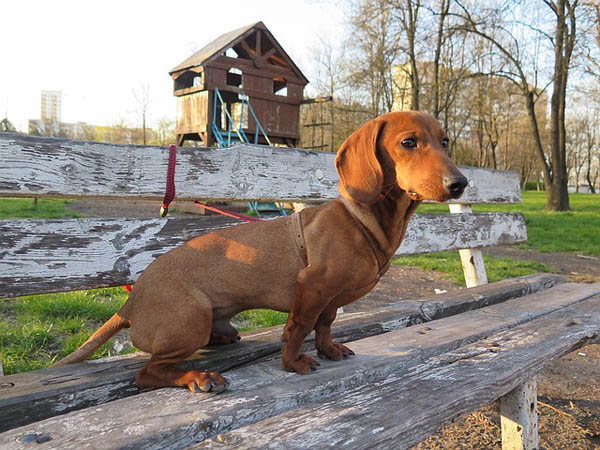
A presumptive IVDD diagnosis — made by your vet using a neurological exam, your dog’s history, and their symptoms — is often enough to start treatment, even without an MRI.
When Heidi was first diagnosed, the word “MRI” felt like a financial cliff. I know I’m not alone in that. Many owners are told their dog might have IVDD, then handed a quote for imaging that’s simply out of reach — and they’re left wondering: can we even move forward without it? The honest answer is: often, yes. But there are real limits, and you need to understand both sides.
What Can a Vet Determine Without Imaging?
A skilled veterinarian can tell you a great deal about your dog’s IVDD without a single scan. The primary tool is a neurological examination — a structured physical assessment that takes about 15 to 30 minutes and gives your vet a surprisingly detailed picture of what’s happening in your dog’s spine.
Here’s what that exam evaluates:
- Proprioception (knuckling): The vet flips your dog’s paw upside down to see if they correct it. A slow response or no response suggests the nervous system isn’t receiving signals properly.
- Spinal reflexes: Tapping the knee or Achilles tendon and watching the response tells the vet whether the reflex arc through the spinal cord is intact.
- Muscle tone and strength: Does your dog wobble, stumble, or drag a leg? Can they support their own weight?
- Pain localization: Pressing on individual vertebrae along the spine can identify the approximate region of the problem — neck versus mid-back versus lower back.
- Bladder function: Can your dog urinate on their own? Urinary retention or incontinence signals significant spinal cord involvement.
- Deep pain sensation: This is the single most critical test. The vet applies firm pressure to a toe with hemostats (not just a pinch — a true deep stimulus) and watches for a conscious response like crying or turning to look. Absence of deep pain is a serious finding. I’d strongly encourage reading our article on deep pain sensation in IVDD if you haven’t already.
Based on all of these findings, your vet assigns a neurological grade from 1 to 5. Understanding the 5 IVDD stages helps you understand what that number actually means for your dog’s prognosis and treatment path.
What X-Rays Can (and Can’t) Tell You
Plain X-rays are much cheaper than an MRI and are available at most general practice vets. They’re useful for ruling out other causes of back pain — fractures, bone tumors, spondylosis — and for identifying calcified discs, which are discs that have already hardened and are at high risk of herniation.
What X-rays cannot show: soft tissue. A herniated disc is soft material pressing on the spinal cord, and it’s essentially invisible on a standard radiograph. So a vet can look at an X-ray and say “this dog almost certainly has IVDD based on what I see,” but they cannot pinpoint exactly which level is affected or how severely the cord is compressed. For conservative management, that’s okay. For surgery, it’s not enough.
- Breed + age profile consistent with IVDD (dachshund, Beagle, French Bulldog, Corgi, etc.)
- Clinical signs: hunched posture, reluctance to move, yelping when touched, weakness or paralysis
- Neurological exam findings consistent with spinal cord dysfunction
- X-rays showing calcified or narrowed disc spaces (supportive, not definitive)
- No other diagnosis better explains the picture
When Can You Treat Without Imaging?
For dogs in Grades 1 through 3 — meaning they have pain, some weakness, but still retain deep pain sensation and some voluntary movement — a presumptive diagnosis is generally considered a clinically reasonable basis for beginning conservative management. This is widely accepted practice, especially in community settings where specialist access is limited.
Conservative management means strict crate rest (typically four to six weeks), pain medication, anti-inflammatory drugs if appropriate, and close monitoring. You can read the full breakdown in our IVDD conservative management guide.
The key condition: you must monitor your dog vigilantly. If they deteriorate — lose more function, stop urinating, lose deep pain sensation — that changes everything, and imaging moves from “optional” to urgent.
- Neurological grade is 1, 2, or 3 (some pain or weakness, but deep pain sensation is intact)
- Owner can commit to strict crate rest — no jumping, no stairs, minimal movement
- Vet can prescribe appropriate pain management and anti-inflammatories
- Owner understands the monitoring checkpoints and when to call the vet
- Follow-up exam is scheduled within 1–2 weeks
When Does Imaging Become Non-Negotiable?
This is where I want to be completely honest with you, because glossing over this part would be doing you a disservice.
An MRI (or CT myelogram, which is less expensive and widely used for surgical planning) becomes genuinely necessary in the following situations:
- Surgery is being considered: Surgeons need exact disc location to operate. A neurological exam tells them the general region; imaging tells them the specific level. Without it, there’s no safe surgery.
- Deep pain sensation is absent: Loss of deep pain is a Grade 5 finding and a genuine emergency. The window for surgical intervention is narrow — often described as 24 to 48 hours from loss of deep pain before the odds of meaningful recovery drop sharply. If your dog has reached this point, the cost of imaging has to be weighed against the cost of waiting.
- Rapid progression: A dog who was Grade 2 this morning and Grade 4 this afternoon is not a conservative management candidate anymore. Fast deterioration means the disc herniation may be expanding, and that needs imaging to understand the scope.
- Failure to improve with conservative management: If your dog has been on strict crate rest for two to four weeks and shows no improvement or is getting worse, imaging is the next step. The presumptive diagnosis may be wrong, or the compression may be severe enough to require surgical decompression.
- Atypical presentation: If your dog’s age, breed, or symptom pattern doesn’t fit the usual IVDD picture, imaging helps rule out other spinal conditions — tumors, infections, fractures — that require entirely different treatment.
- Loss of deep pain sensation in the paws
- Complete paralysis in both hind legs with no voluntary movement
- Rapid worsening within hours — not days
- Inability to urinate at all (bladder is becoming distended)
- Symptoms are progressing despite 48–72 hours of strict rest and medication
If cost is the barrier and your dog urgently needs imaging, it’s worth asking your vet about: payment plans, CareCredit financing, local veterinary school teaching hospitals (which often offer imaging at reduced cost), or whether a CT myelogram — typically less expensive than MRI — would give the surgeon enough information to proceed. Our article on how much an IVDD MRI costs breaks down what you’re actually looking at and where the price variation comes from.
How Honest Should You Be With Your Vet About Your Budget?
Very. Your vet cannot help you make a realistic plan if they don’t know the financial constraints you’re working within. A good vet will not judge you for this — they’ll work with you to prioritize. Tell them: “We can’t access an MRI right now. What’s the safest conservative approach, what should I watch for, and at what point does this become an emergency we have to find a way to fund?”
That conversation is more productive than nodding along to a recommendation you can’t follow. And if you do end up at the crossroads of surgery versus other options, our piece on surgery vs. conservative care may help you think through the decision clearly.
Related Reading
- Deep Pain Sensation in IVDD: The Test That Predicts Recovery
- The 5 IVDD Stages Explained: Symptoms & Recovery Odds
- IVDD Without Surgery: Conservative Management That Works
Frequently Asked Questions
Can a vet diagnose IVDD without an MRI?
Yes — a vet can make a strong presumptive diagnosis of IVDD using a neurological exam, breed history, and symptom pattern. This is often enough to begin conservative treatment. An MRI becomes necessary when surgery is being considered or when the dog is not responding to treatment.
What does a neurological exam check for in a dog with suspected IVDD?
A neurological exam evaluates reflexes, muscle strength, coordination, pain sensation, and bladder function. It also includes a deep pain sensation test, which is one of the most important predictors of recovery. These findings help the vet assign a severity grade without imaging.
When is an MRI absolutely necessary for IVDD?
An MRI is non-negotiable if surgery is being considered, if the dog has lost deep pain sensation, if symptoms are rapidly worsening, or if conservative management has failed after two to four weeks. Surgeons need imaging to locate exactly which disc has herniated before they can operate.
Is it safe to treat IVDD conservatively without imaging?
For mild to moderate cases — Grades 1 through 3 — conservative treatment without imaging is widely accepted and often successful. However, strict crate rest and close monitoring are essential. If your dog deteriorates at any point, imaging moves from optional to urgent.
This guide is based on real experience and should be used alongside professional veterinary care. Always consult your veterinarian before starting any new treatment or making changes to your dog’s care plan.