Bladder Expression for IVDD Dogs: Step-by-Step
How to manually express your IVDD dog's bladder at home — timing, technique, and warning signs every caregiver needs to know.
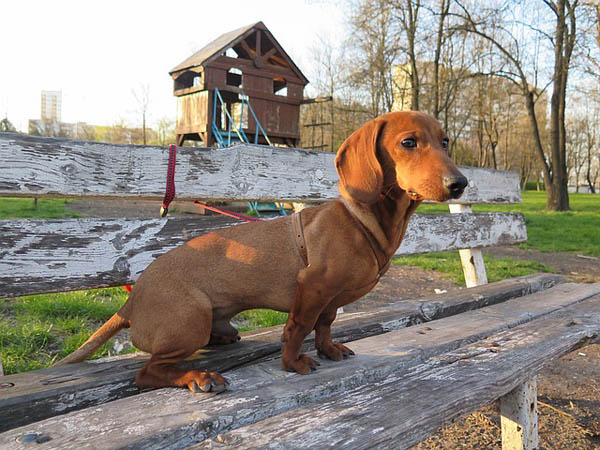
If your IVDD dog can’t urinate on their own, learning to manually express their bladder isn’t just a caregiver skill: it’s one of the most important things you can do to keep them safe.
When Heidi lost her hind-end function after her IVDD episode, bladder expression was the part of her care I was most terrified about. It sounded so clinical, so scary (like something only a vet should do). But our neurologist showed me the technique before we left the hospital, and within a few days, it became as routine as feeding her breakfast. I want to give you the same clear walkthrough I wish I’d had from the start.
Why IVDD Dogs Often Can’t Urinate on Their Own
IVDD (intervertebral disc disease) compresses the spinal cord, and that compression can disrupt the nerve signals that tell the bladder to contract and release. The result is urinary retention: the bladder fills up but the dog can’t voluntarily empty it.
This is most common in Stage 4 and Stage 5 IVDD, where significant paralysis is present. (You can read more about what those stages mean in The 5 IVDD Stages Explained.) But it can also happen temporarily after surgery, even in dogs who were only mildly affected. Just because your dog is dribbling urine doesn’t mean they’re emptying fully, and incomplete emptying is just as problematic as no output at all.
A bladder that stays too full for too long causes real damage: urinary tract infections, loss of bladder muscle tone, and in severe cases, rupture. A consistent expressing routine protects against all of that.
- Abdomen looks visibly distended or swollen
- Dog is restless, whimpering, or seems uncomfortable
- No urine output in more than 8 hours
- Urine is dark, cloudy, or has a strong ammonia smell
- You notice blood in the urine
What You’ll Need Before You Start
You don’t need much equipment, but having it all ready makes the process much smoother.
- Disposable gloves: Optional but helpful, especially in the early days
- Absorbent pads or towels: Place under your dog to catch urine flow
- Warm, quiet space: Your dog needs to be relaxed, as tension makes expressing harder
- A consistent schedule: Set phone alarms if you need to; don’t rely on memory
I also strongly recommend keeping cranberry chews on hand, as we give them to Heidi daily as part of a routine to help reduce her UTI risk, which goes hand-in-hand with regular expressing. Dogs who can’t void fully are very prone to urinary tract infections, so prevention matters.
How Do I Actually Express the Bladder? Step-by-Step
Before you try this at home the first time, ask your vet or a vet tech to walk you through it in person, or at minimum, watch a demonstration video. Reading instructions is a starting point, not a replacement for hands-on guidance.
Step 1: Position Your Dog
Most caregivers find it easiest to express with the dog standing (supported if needed) or lying on their side. For small dogs like dachshunds, standing works well. For larger dogs, side-lying is often more manageable.
Place an absorbent pad underneath them. Have them as calm and relaxed as possible, as a stressed dog will tighten their muscles and make expressing much harder.
Step 2: Locate the Bladder
The bladder sits in the lower abdomen, roughly between the hind legs and slightly forward. Gently press your fingers into the soft area behind the ribcage and in front of the pelvis. A full bladder feels like a firm, smooth ball, similar to a water balloon. An empty one is much harder to feel.
If the bladder feels very large or rock-hard, that’s a sign it’s been too long since the last expression. Over time, you’ll develop a feel for what “full but not over-full” means for your specific dog.
Step 3: Apply Steady, Gentle Pressure
Cup both hands around the bladder from either side (or use one hand for smaller dogs). Apply slow, steady inward pressure, thinking of gently squeezing a water balloon rather than poking at it. The goal is consistent, even compression, not a sudden hard squeeze.
Urine should begin to flow within a few seconds. Maintain the pressure until flow stops or slows significantly. Then ease off, wait a moment, and gently try again, as sometimes a second gentle squeeze empties the last bit.
Step 4: Check Output
Note the color and smell. Normal dog urine is pale yellow and not particularly pungent. Dark yellow, cloudy, or foul-smelling urine can signal a UTI. Blood in the urine is a reason to call your vet the same day.
- Most paralyzed IVDD dogs need expressing every 6–8 hours, so set recurring phone alarms
- Express at consistent times: morning, midday, and before bed is a common schedule
- Keep a simple log of output amount and color, as patterns are easier to spot when you write them down
- After expressing, do a quick wipe-down with dog wipes to prevent skin irritation
How Do I Know If Something Is Wrong?
Learning what’s normal for your dog makes it much easier to spot when something’s off. Here’s what warrants a vet call:
- No urine despite a full-feeling bladder: Could mean a blockage or a technique issue. Don’t wait on this one.
- Consistently small output: May indicate incomplete emptying or a beginning UTI
- Urine changes: Cloudiness, blood, or strong odor are UTI red flags. UTIs in paralyzed dogs can escalate quickly, so don’t take a “wait and see” approach. Our article on UTIs in Paralyzed Dogs covers the warning signs in detail
- Bladder feels hard and very large at expressing time: You may need to express more frequently. Check your schedule.
- No urine output at all for more than 8–10 hours despite a full bladder
- Sudden pain response when you touch the abdomen
- Dog is lethargic, vomiting, or running a fever alongside bladder issues
- Blood in urine combined with fever or loss of appetite
What About Dogs Who Are Recovering — Will They Regain Bladder Control?
This is the question every IVDD caregiver wants answered, and honestly, it depends. Some dogs, particularly those with intact deep pain sensation, regain voluntary bladder control as nerve function returns during recovery. Others, especially those who were fully paralyzed for an extended period, may need lifelong expressing.
Your vet or veterinary neurologist is the right person to give you an honest prognosis. What I can tell you is that even if your dog never fully regains bladder function, a good expressing routine makes a full, comfortable life entirely possible. Our article on long-term care for IVDD dogs gets into what that kind of sustainable routine can look like.
- You notice them urinating spontaneously between your expressing sessions
- The bladder feels less full than expected at your scheduled times
- Your vet observes improved nerve reflexes at recheck appointments
- Your dog begins to show signs of awareness or discomfort when the bladder is full
Related Reading
- IVDD Stage 4 & 5: Care Guide for Paralyzed Dogs
- UTIs in Paralyzed Dogs: Prevention & Care
- Long-Term Care for an IVDD Dog: Life After Crisis
- Looking for a rehab vet near you? Our IVDD specialist finder lists practices with PT, hydrotherapy, and conservative-care experience by state.
Bladder expression is one of those things that feels overwhelming until suddenly it doesn’t. The first time I did it with Heidi, my hands were shaking. By the end of week one, it was just part of our rhythm, no different than filling her water bowl. You’ll get there too. The fact that you’re reading this, learning this, figuring this out — that’s already the hardest part.
This guide is based on real experience and should be used alongside professional veterinary care. Always consult your veterinarian before starting any new treatment or making changes to your dog’s care plan.
Frequently Asked Questions
How often should I express my IVDD dog’s bladder?
Most paralyzed or post-surgery IVDD dogs need expressing every 6–8 hours, with many vets recommending at minimum three times per day. Your vet will give you a specific schedule based on your dog’s size and neurological status, so follow their guidance closely.
What does a full bladder feel like on a dog?
A full bladder feels like a firm, smooth, water-balloon-like structure in the lower abdomen. As you get more practice, you’ll quickly learn how your own dog’s bladder feels when empty versus full, and that baseline knowledge is really valuable.
How do I know if I’m expressing correctly?
Urine should flow steadily in a stream, not trickle reluctantly. If you’re applying firm, consistent pressure and getting little or no output despite the bladder feeling full, reposition your hands and try again, and call your vet if it’s consistently difficult.
Can a dog’s bladder rupture if I don’t express it?
Yes. Bladder overdistension is a serious risk for dogs with urinary retention. An overfull bladder can stretch and lose muscle tone over time, and in severe cases can rupture. This is why a consistent expressing schedule is not optional: it’s essential for your dog’s safety.