Bichon Frise IVDD: Risk and Signs
Bichons are rarely mentioned in IVDD conversations — but they carry real disc disease risk. What owners need to know about early signs and small-breed care.
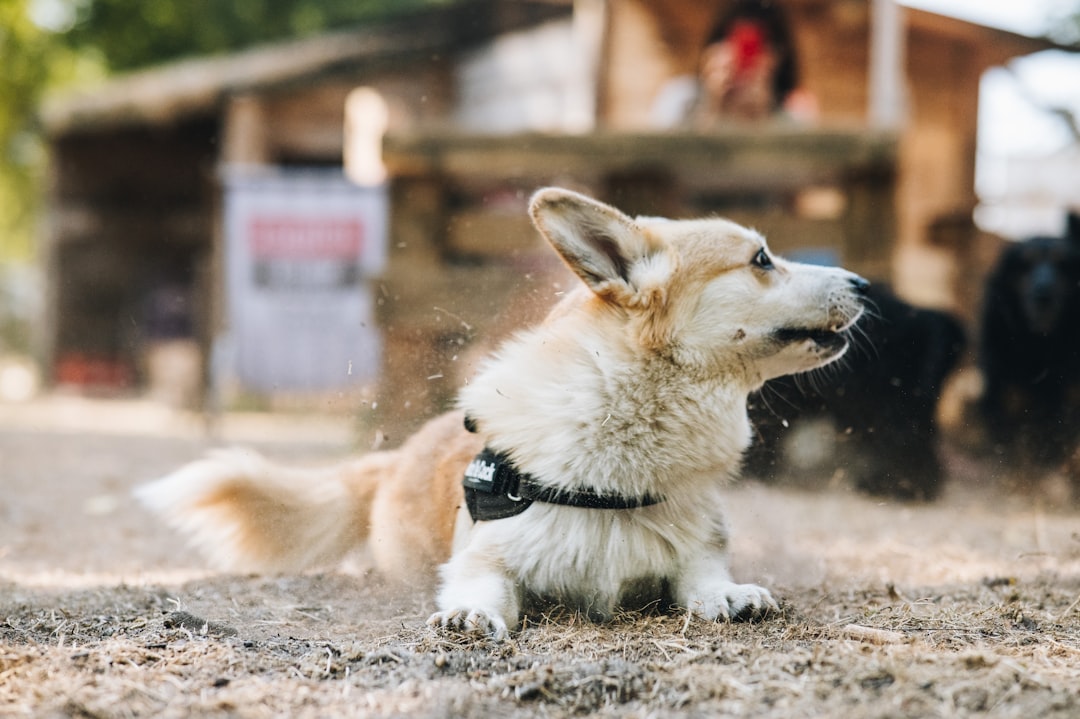
Photo by serjan midili on Unsplash
Bichon Frises are rarely mentioned when people talk about IVDD — but they absolutely should be.
When most people hear “IVDD,” they picture a Dachshund. And yes, Dachshunds carry the highest known breed risk. But Bichons belong to the same genetic category — chondrodystrophic breeds — which means their discs are built differently from the start, and that difference matters for how they age and how they can suddenly become very sick. Many Bichon owners find out about this risk the hard way, in an emergency vet office with no warning.
Why Are Bichons at Risk for IVDD?
Bichon Frises carry IVDD risk because they are classified as chondrodystrophic — a word that describes a specific pattern of abnormal cartilage development that affects the intervertebral discs (the cushioning pads between the spinal vertebrae). In chondrodystrophic dogs, those discs begin to calcify and harden much earlier in life than in other breeds, sometimes starting in young adulthood. A disc that has lost its normal gel-like center can’t absorb shock the way a healthy disc can. When it ruptures or herniates, disc material pushes into the spinal canal and presses on the spinal cord.
This calcification process isn’t unique to Dachshunds or Corgis. It’s a trait shared by a broader group of small breeds. The American Kennel Club lists Bichon Frises among breeds that can be affected by disc disease, though the condition is significantly underreported in this breed compared to more “famous” IVDD breeds.
The genetic mechanism behind this involves a gene variant called FGF4 — the same insertion that’s been identified in Dachshunds, Beagles, and other small chondrodystrophic breeds. You can read more about the genetics in the article on IVDD genetics, CDDY, and chondrodystrophy.
The practical takeaway: if you have a Bichon, IVDD is on the table. It isn’t a remote possibility reserved for a handful of unlucky dogs. It’s a breed-level risk that every owner should understand.
What Are the Early Signs of IVDD in a Bichon Frise?
The earliest IVDD signs in a Bichon Frise are often subtle behavioral shifts — yelping when picked up, reluctance to jump, a hunched back, or moving more carefully than usual. These signs can appear hours or days before more obvious weakness develops, making them the window of opportunity every owner needs to know about.
Because Bichons are small, fluffy, and generally pretty stoic, it’s easy to dismiss early warning signs as tiredness or a grumpy mood. Many caregivers I’ve spoken with describe looking back and realizing their dog was showing signs for a day or two before they took it seriously. That delay can matter.
Signs in the Neck (Cervical IVDD)
Cervical disc disease — affecting the neck vertebrae — is particularly common in small breeds including Bichons. Signs that point toward a neck disc problem include:
- Reluctance to lower the head: Your dog won’t eat or drink from a floor-level bowl without hesitation or yelping.
- Stiff, guarded neck posture: Holding the head in an unusual position, or turning the whole body instead of just the head.
- Yelping when touched near the neck or shoulders: This is often the first sign owners notice.
- Forelimb weakness or stumbling: If neck disc material is pressing on the spinal cord, front leg weakness or an unsteady gait can develop.
For a deeper look at how cervical disc disease presents and why it’s often underestimated, the article on cervical IVDD covers this well.
Signs in the Mid-Back (Thoracolumbar IVDD)
Thoracolumbar IVDD — affecting the spine between the chest and the lower back — is the more commonly discussed type and can affect Bichons as well. Watch for:
- Roached or hunched back: The spine looks arched upward, a classic sign of spinal pain.
- Reluctance to jump on or off furniture: This is often the first behavioral change owners notice.
- Moving slowly or walking stiffly: A dog that was bouncy and energetic suddenly seems cautious.
- Hind-leg weakness, stumbling, or knuckling: The back feet may drag slightly or the dog may seem wobbly.
- Loss of bladder or bowel control: A serious sign that requires immediate veterinary attention.
- Crying or yelping without an obvious reason: IVDD pain can appear suddenly and intensely.
- Sudden hind-leg weakness or inability to stand
- Dragging the back legs
- Loss of bladder or bowel control
- Screaming or crying in pain
- Complete collapse or inability to move
If your Bichon shows any of the signs in that list, don’t wait for a morning appointment. This is an emergency. The article on IVDD emergency signs explains exactly what to watch for and when to rush to the vet.
How IVDD in Small Breeds Like Bichons Can Look Different
One thing worth knowing: small-breed IVDD episodes sometimes present more quietly than the dramatic collapses you might read about in Dachshund forums. A Bichon might not go from “fine” to “completely paralyzed” overnight. Instead, the progression can be gradual — a few days of subtle stiffness, then increasing reluctance to move, then more obvious pain. That slower onset can create a false sense of security.
It can also create confusion with other conditions. A Bichon who seems stiff or reluctant to move might be assumed to have arthritis or a sore joint. If you’re not sure whether what you’re seeing is back pain or something in the hips and joints, the comparison article on IVDD vs arthritis and hip dysplasia is a useful starting point before your vet visit.
Weight also plays an amplified role in small breeds. Extra pounds on a ten-pound dog mean proportionally more stress on already-vulnerable discs. Keeping a Bichon lean isn’t just about general health — it’s active disc protection.
- Ramps over stairs everywhere in the house — jumping down is a top injury trigger
- Floor-level food and water bowls if cervical signs are present
- No rough play involving launching off furniture or being tossed
- Harness instead of collar for all leash walks — neck collar pressure can aggravate cervical discs
- Regular weight checks — even half a pound matters at this body size
What Happens After a Bichon Is Diagnosed?
Treatment decisions depend on severity. Veterinary neurologists grade IVDD from 1 (pain only, no weakness) to 5 (complete paralysis with no deep pain sensation). The article on IVDD stages 1–5 covers what each grade means and what the recovery odds look like.
For mild cases (Grade 1 or 2), strict crate rest combined with anti-inflammatory medications is often the first approach. This is what’s called conservative management — and it can work well for Bichons, but the “strict” part cannot be overstated. Even when your Bichon looks like they feel better after a few days of rest, the disc needs the full recommended rest period to stabilize. Letting them bounce back to normal activity too soon is one of the most common reasons for relapse.
For more severe cases, surgery becomes the more strongly recommended path. Surgical decompression gives the spinal cord room to recover and is generally thought to produce better outcomes the earlier it’s performed after the acute episode.
- Follow crate rest instructions exactly — even when your dog seems to feel better
- Use a supportive harness for any assisted movement (avoid collar pressure)
- Ask about rehabilitation options once the acute phase has passed
- Schedule the recommended recheck appointments — don’t skip them
- Learn to recognize signs of a setback so you can respond quickly
One gear note: if your Bichon needs support moving to the bathroom or during early recovery, a rear-support harness can make a real difference in keeping both of you sane during that period. The Help ‘Em Up Harness is one that many small-breed caregivers find manageable even with a lighter dog.
Reducing Risk Before an Episode Happens
You can’t change your Bichon’s genetics, but you can create an environment that puts less demand on their discs every single day. From what I’ve seen and heard from other owners, the homes where Bichons do best long-term are the ones where prevention becomes routine before anything goes wrong.
- Ramps everywhere: Sofa, bed, car — every place they’d otherwise jump from should have a ramp or steps. The landing from a jump is where disc herniation risk spikes.
- Healthy weight: Work with your vet on an ideal body condition score and stick to it.
- Harness for walks: Neck collar pressure isn’t ideal for any chondrodystrophic breed, especially if cervical signs ever emerge.
- No roughhousing that involves hard landings: Fetch is fine; flying off the couch to catch a toy is not.
- Know the signs cold: The owners who catch IVDD earliest are the ones who already knew what to look for.
Related Reading
- IVDD Symptoms in Dogs: Early Warning Signs to Catch Now
- Cervical IVDD: The Neck-Disc Disease Owners Underestimate
- Which Dog Breeds Get IVDD Most? The At-Risk Breed List
If you’ve just found out your Bichon has IVDD, I know how scary that is — especially if this is the first you’re hearing that your breed was even at risk. But Bichons are resilient dogs, and many do recover well, especially when the signs are caught early and treatment starts quickly. The goal now is to understand what you’re dealing with, take it seriously from day one, and give your dog the best shot at getting back to their cheerful, fluffy self.
This guide is based on real experience and should be used alongside professional veterinary care. Always consult your veterinarian before starting any new treatment or making changes to your dog’s care plan.
Frequently Asked Questions
Are Bichon Frises at risk for IVDD?
Yes. Bichons are classified as a chondrodystrophic breed, which means their cartilage and intervertebral discs age differently than in non-chondrodystrophic dogs. This puts them at higher risk for Hansen Type I disc herniations, typically between ages 3 and 7.
What are the first signs of IVDD in a Bichon Frise?
Early signs often include reluctance to jump onto furniture, yelping when picked up, a hunched or roached back posture, and moving more slowly or stiffly than usual. Because Bichons are stoic and small, these subtle signs are easy to miss or chalk up to “just having a bad day.”
Can a Bichon Frise recover from IVDD without surgery?
Many Bichons with mild to moderate IVDD (Grades 1–2) do recover with strict crate rest and medications. The key word is strict — conservative management only works if activity is genuinely limited for 4–6 weeks. More severe cases may need surgery for the best chance at full recovery.
How do I prevent IVDD in my Bichon Frise?
You can’t eliminate the risk entirely, but you can reduce it. Keep your Bichon at a healthy weight, use ramps instead of letting them jump off furniture and beds, avoid activities with hard landings, and learn the early warning signs so you can act quickly if something changes.