Best Rear-Support Harnesses & Slings for IVDD Dogs
Sling vs. harness vs. handle-harness for IVDD dogs — what I learned lifting Heidi daily and the picks that actually held up through recovery.
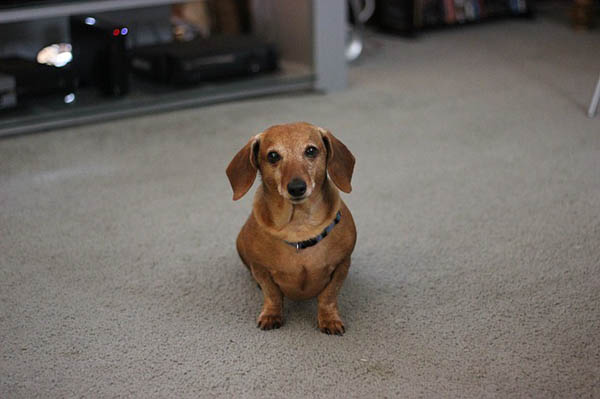
The right rear-support harness is one of the most important things you’ll buy during your dog’s IVDD recovery — and the wrong one can make everything harder.
When Heidi lost the use of her back legs after her IVDD diagnosis, I suddenly needed to lift her multiple times a day: to go outside, to do physical therapy, to move from the crate to her bed. I had no idea how to choose a harness. I bought the wrong one first. Then I figured it out.
This guide is what I wish I’d had.
What Are the Different Types of Rear Support Options?
There are three main categories of rear support for IVDD dogs, and they serve different situations. A simple sling is a padded band that goes under the belly and gives you fabric handles to hold; a rear-only harness fits around the hindquarters like a diaper-shaped wrap with a handle on top; and a full-body two-point harness supports both the front and rear simultaneously, so you can control the whole dog at once.
Here’s a quick comparison:
| Type | Best For | Drawbacks |
|---|---|---|
| Simple sling | Short-term, budget, occasional use | Hand fatigue, can slip |
| Rear-only harness | Paralyzed dogs, long-term daily use | Doesn’t support front |
| Full-body two-point harness | Post-surgical, weak dogs needing stability | Higher cost, more complex fit |
 disableddogcare.com
How Do I Choose the Right Harness for My Dog’s Situation?
The right harness depends on three things: your dog’s size, how severe the weakness is, and what stage of recovery you’re in. For a dog fresh out of decompression surgery who needs support just for potty trips, a padded sling or rear-only harness is often enough. For a dog doing physical therapy and assisted walking, you want a full two-point harness that keeps their spine level and prevents flopping.
For Post-Surgical Dogs (Grades 2–4)
Your primary needs right now are stability and spinal protection. You’re lifting multiple times daily, and you need to hold the dog level — not let the back end sag while you carry them. A full-body harness with front and rear handles is the move here. It distributes weight and lets you keep the spine in a neutral position. If you’re in the early IVDD recovery days 1–7, your dog may resent being touched around the back — a softer, padded wrap-style harness is gentler on sensitive skin.
For Paralyzed Dogs (Grade 4–5)
If your dog has little or no rear-leg function, you’re not just supporting — you’re doing all the work. You need a harness with a solid, ergonomic handle that won’t dig into your hand after 8 trips outside. Padded handles make a real difference. Also look for a harness that allows urination without removal — not all of them do, and removing a harness from a paralyzed dog at every potty trip gets old fast. For more on caring for a fully paralyzed dog, the IVDD Stage 4 care guide covers daily routines in detail.
For Weak-but-Walking Dogs (Grades 1–3)
These dogs are wobbly but have some function. You need a harness you can grab quickly when they stumble, not one you have to maneuver on every time. A rear-only harness with a top handle works well as a safety catch. The goal is to follow alongside, ready to assist, not to bear full weight.
- Measure your dog’s girth at the widest point of the hindquarters — not the waist
- For dachshunds and other long-bodied dogs, also measure back length from the last rib to the base of the tail
- When in doubt between sizes, size up — a slightly loose harness can be adjusted; one that’s too tight will cause pressure sores
- Weigh your dog the week you order — post-surgical dogs often lose weight during crate rest
Heidi’s Pick and Top Recommendations
Heidi’s Pick: Help ‘Em Up Harness
The Help ‘Em Up Harness is what we used through every phase of Heidi’s IVDD recovery, and I’d buy it again without hesitation. It’s a full two-point system — one padded handle over the shoulders, one over the hindquarters — so you can lift from front and back simultaneously. The chest piece is foam-padded and doesn’t dig in. The rear piece stays in place without riding up, and crucially, Heidi could urinate without me having to remove it.
Pros: Ergonomic handles, padded construction, urination-friendly fit, genuinely durable, widely recommended by rehab vets Cons: Higher price point, takes a few days to learn how to fit correctly, not ideal for very small dogs under 12 lbs
Budget Pick: Simple Padded Belly Sling
A padded neoprene belly sling — available from several brands — is the entry point. It slides under the belly with a strap on each side that you hold like a handle.
Pros: Inexpensive, easy to put on, works for all sizes Cons: Hand fatigue on long use, can slip forward on deep-chested dogs, no front support
Best for: Short-term post-surgical use, dogs with mild weakness, owners who only need occasional assistance
Rear-Only Harness: Walkabout Rear Harness
The Walkabout Rear Harness wraps around the hindquarters like a set of shorts and has a single padded handle on the back. It’s popular in the disabled dog community for good reason.
Pros: Stays on all day without issue, great handle ergonomics, works well for paralyzed dogs, can be used with a wheelchair Cons: Rear support only — you’ll need a separate front harness for full-body support, sizing can run small
Best for: Long-term paralyzed dogs, dogs using wheelchairs, caregivers who need a harness their dog wears all day
For Small Dogs: GingerLead Support Sling
The GingerLead was specifically designed with small and medium dogs in mind and has a leash-like handle that goes over your shoulder, leaving your hands free.
Pros: Over-the-shoulder handle reduces caregiver fatigue dramatically, adjustable, doubles as a leash Cons: Less padded than dedicated harnesses, not ideal for fully paralyzed dogs who need two-point support
Best for: Small dogs (under 30 lbs) with partial rear weakness, owners with back problems who can’t bend repeatedly
For Large Dogs: Blue-9 or Ruffwear Flagline with Added Rear Sling
For labs, shepherds, and other large breeds, the combination approach works well: a well-fitted front harness (Ruffwear Flagline is a common rehab recommendation) paired with a separate rear sling. This gives you the ergonomic control of two dedicated tools rather than one ill-fitting full-body option.
Pros: Better fit for large-breed anatomy, each piece optimized for its job Cons: More pieces to manage, costs more than a single harness
Best for: Dogs over 60 lbs, caregivers with two people to help with lifts
- Standard back-clip harnesses: Not designed for rear support, can hyperextend the spine
- Leash-only support: Never loop a leash under the belly — no padding, dangerous pressure
- Harnesses with hard plastic buckles at the spine: These can cause pressure sores in paralyzed dogs who lie down frequently
- Going without: A dog dragging their hindquarters on pavement or grass will develop paw abrasions and pressure sores quickly
Using the Harness Day-to-Day
Potty Trips
This will be your most frequent use — potentially 6–8 times per day during active recovery. The goal is to support the rear just enough that your dog can get into a squatting or standing position without their back end collapsing. Keep trips short, move slowly, and watch that their paws aren’t knuckling under. Pairing the harness with good traction on your floors will also help — more on that in the flooring and traction guide for IVDD dogs.
If your dog has bladder incontinence or can’t urinate on their own, manual expression is often needed before or after outdoor trips. The bladder expression guide walks through that in detail.
Physical Therapy
During PT exercises, the harness lets you support the dog’s weight while they attempt to use their legs — crucial for exercises like assisted standing, weight shifting, and walking in place. You’re not doing the walking for them; you’re providing just enough lift that their legs can engage without the back end collapsing. Most rehab vets I’ve spoken with recommend practicing harness-assisted standing before attempting any stepping, especially in the first two weeks post-surgery.
Daily Transitions
Getting in and out of the crate, moving to a different room, lifting to a raised surface for grooming — the harness makes all of this safer for your dog’s spine and your own back. Once it becomes routine, you’ll wonder how anyone manages without one.
- Check straps weekly for fraying — daily use wears hardware faster than you expect
- Hand wash the harness regularly; urine and moisture degrade foam padding over time
- Keep a second inexpensive sling as a backup for when the primary is drying
- Introduce the harness during a calm moment, not in the middle of a stressful potty trip
- The harness causes skin redness, abrasions, or blistering anywhere it contacts the body
- Your dog yelps or tenses when you apply or tighten the harness — this can signal increased spinal pain
- You notice swelling under the harness straps that doesn’t resolve with removal
- Your dog’s rear weakness suddenly worsens — this is a vet call, not a gear call
Related Reading
- IVDD Recovery Days 1–7: The Critical First Week
- IVDD Stage 4 & 5: Care Guide for Paralyzed Dogs
- IVDD Physical Therapy at Home: Rehab Exercises
Frequently Asked Questions
Can my dog wear a rear harness all day?
Most rear harnesses designed for disabled dogs can be worn for extended periods, but you should remove them at least during sleep and check for skin irritation every few hours. Paralyzed dogs are especially prone to pressure sores under straps, so daily skin checks are important. If your dog is wearing a diaper alongside the harness, make sure the two don’t overlap in a way that creates friction points.
What size Help ‘Em Up Harness should I get for a standard dachshund?
Most standard dachshunds (18–25 lbs) fit an XS or S depending on their individual build. Measure the girth at the widest point of the chest and the widest point of the hindquarters — Help ‘Em Up’s sizing chart uses both. When Heidi was recovering, she was about 22 lbs and fit a Small. If your dachshund is on the heavier side, size up rather than squeeze into a smaller size.
Does my dog need a front harness too, or just rear support?
It depends on the grade of IVDD. Grades 1–2 dogs with mild weakness often only need rear support. Grades 3–5 dogs, especially those who’ve had surgery, usually benefit from a two-point system that stabilizes both ends — particularly during PT exercises where you want their spine level. A single rear sling on a dog with no front support can cause them to tip forward, which strains the neck and shoulders.
Will using a harness slow down recovery?
Used correctly, a rear-support harness supports recovery — it lets your dog move and bear some weight on their legs without collapsing, which is exactly what rehab protocols aim for. What can slow recovery is overuse: if you’re fully bearing your dog’s weight 100% of the time and not allowing any leg engagement, you may be missing PT opportunities. The harness should support, not replace, your dog’s own effort where that effort exists.
This guide is based on real experience and should be used alongside professional veterinary care. Always consult your veterinarian before starting any new treatment or making changes to your dog’s care plan.