Belly Bands & Diapers for IVDD Dogs: Preventing Urine Scald
Washable vs. disposable, male vs. female, and a real urine-scald prevention protocol. What caregivers of incontinent IVDD dogs wish they'd known sooner.
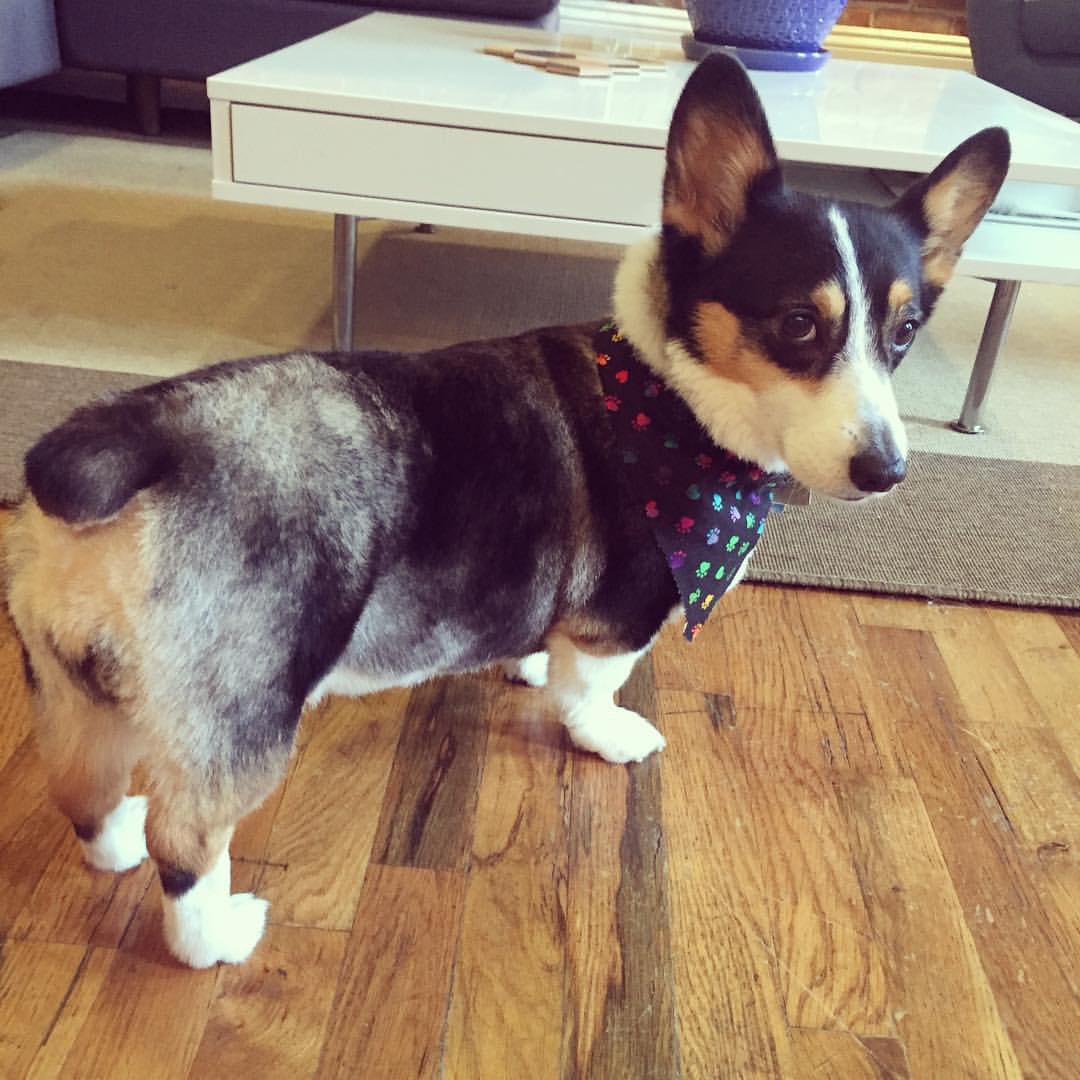
Getting belly bands and diapers right for your incontinent IVDD dog is one of the most important things you can do — because urine scald can go from “a little red” to an open wound in under 48 hours.
When Heidi lost bladder function during her IVDD crisis, I was so focused on her spine that I almost missed what was quietly happening to her skin. By day three, she had a hot pink patch on her inner thigh that I hadn’t noticed because I was changing her diaper but not actually looking at the skin underneath. That’s when I learned that incontinence management isn’t just about keeping things dry — it’s an active skin-care protocol.
This guide covers everything I wish I’d known from day one.
Male vs. Female: Which Products Do You Actually Need?
The anatomy is different, and the product solution has to match it. Male dogs urinate from the prepuce, which sits along the belly. Female dogs urinate from the vulva, which is positioned much further back and lower. That difference determines everything about which products work.
For Male IVDD Dogs: Belly Bands
A belly band is a wide fabric wrap that goes around the dog’s midsection, sitting directly over the prepuce. When he leaks, the absorbent pad inside catches the urine before it reaches the skin or bedding. Belly bands do not cover the rear end, so if your dog also has fecal incontinence, you’ll need a full diaper or a combination setup.
Sizing belly bands: Measure the circumference of your dog’s waist at the narrowest point just in front of the hind legs. Most brands size by waist measurement in inches. If your dog is between sizes, size up — a band that’s too tight will rub and restrict.
For Female IVDD Dogs: Full-Coverage Diapers
Belly bands simply do not work for females. The vulva is positioned too far back to be covered by a belly wrap. Female IVDD dogs need a diaper that covers the entire rear area.
Pet diapers are cut specifically for dogs, with a tail hole and contoured fit. Human baby diapers (with a small tail hole cut in) work just as well for many dogs, and they tend to be significantly more absorbent and less expensive. I’ve heard from many owners in the disabled dog community who swear by newborn or size 1 baby diapers for small breeds and size 3–5 for larger dogs — you just have to experiment with the fit.
- Measure waist circumference just in front of the hind legs
- Measure hip circumference at the widest point
- Use the larger measurement if your dog falls between sizes
- A diaper that gaps at the leg openings will leak regardless of absorbency
Washable vs. Disposable: The Real Trade-Off
Both options work. The right choice depends on your dog’s situation and your capacity as a caregiver.
| Factor | Washable / Reusable | Disposable |
|---|---|---|
| Cost | Higher upfront, much lower ongoing cost — a significant factor when you’re changing products 6–8 times per day | Adds up quickly, especially for larger dogs |
| Absorbency | Varies by brand; many have a removable absorbent pad inside (like a human pantyliner) that you replace at each change while the outer cover goes into the wash | Generally very good, especially human baby diapers |
| Practical requirement | You need at minimum 4–6 covers in rotation so you always have a dry one ready; more is better | No laundry, no waiting for things to dry; grab and go |
| Best for | Dogs who will be incontinent long-term, caregivers managing costs | Early acute phase when you’re overwhelmed, travel, or as a backup supply |
 disableddogcare.com
Many experienced caregivers I’ve spoken with use a combination: washable covers with disposable insert pads during the day, and fully disposable overnight when you may not be checking as frequently.
- 4–6 washable belly bands or diaper covers (rotate while washing)
- Box of disposable liners or baby-size disposable diapers as backup
- Barrier cream (petroleum jelly works well; see the scald prevention section)
- Fragrance-free dog wipes for quick cleanups between changes
- Training pads for bedding and crate lining underneath the dog
The Urine-Scald Prevention Protocol
Urine scald — also called urine burn or diaper rash in dogs — is a chemical irritation caused by prolonged skin contact with urine. Urine becomes more alkaline as it breaks down, and that pH change is what damages the skin. In a dog who can’t feel or move their lower half, you may not get any behavioral signal that it’s happening.
Here’s the protocol I developed with Heidi, and what I’ve seen work consistently for other caregivers.
Step 1: Change on a Schedule, Not Just When You Notice
Every 2–4 hours during waking hours. Set a timer if you need to. A wet band or diaper that looks fine from the outside can have the dog’s skin sitting in pooled urine on the inside. Don’t wait for the “it’s really wet” cue — that’s already too long.
Step 2: Clean the Skin Properly at Every Change
Don’t just swap the band. At each change:
- Remove the band or diaper
- Wipe the entire groin, inner thighs, prepuce or vulva, and perianal area with fragrance-free dog wipes — we keep these next to Heidi’s changing spot so there’s no excuse to skip it
- Check for any pink, red, raw, or weeping skin (more on this below)
- Let the area air dry for 1–2 minutes before applying anything
Step 3: Apply Barrier Cream at Every Single Change
This is the step most people skip because it feels like extra work. Don’t skip it. A thin layer of Vaseline applied to the inner thighs, groin folds, and around the prepuce or vulva creates a physical barrier between the skin and urine at the next soak. It doesn’t prevent wetness, but it dramatically slows how much urine makes direct contact with the skin surface.
Apply it like you’re protecting the skin, not slathering on lotion — a thin, even coat.
Step 4: The Skin-Check Routine
At every change, look. Really look. Part the fur with your fingers and examine:
- Inner thighs: First place scald usually appears
- Groin folds: Urine pools here
- Prepuce or vulva and surrounding skin: High contact area
- Belly (for bands): Check where the band edges sit
- Pinkness or redness that wasn’t there yesterday
- Skin that looks shinier or more moist than usual
- Fur that’s discolored yellow or orange close to the skin
- Strong ammonia smell at the skin surface even after cleaning
- Any raw, weeping, or ulcerated patches — escalate immediately
Step 5: When You See Early Scald
If you catch redness early, increase your change frequency to every 1–2 hours, ensure thorough drying at each change, and keep the barrier cream going. Mild early-stage scald often reverses within 24–48 hours with this approach.
If the skin is raw, weeping, or doesn’t improve within 48 hours of more frequent changes and diligent barrier cream, contact your vet. Open urine scald wounds can become infected, and a paralyzed dog can’t tell you it hurts.
Bedding Matters Too
The diaper or band only contains so much. Line Heidi’s crate and sleeping surface with training pads and change them at every dog change. A dog lying on a soaked pad underneath an otherwise “fine” diaper is still getting urine contact through leaks and saturation. Layering a training pad under a waterproof crate liner gives you two levels of absorption and makes cleanup much faster.
If your dog is post-surgery and you’re also doing manual bladder expression, that process ties directly into incontinence management — the bladder expression guide walks through the technique in detail.
How Do You Know If the Fit Is Right?
A belly band or diaper that fits correctly should stay in place without bunching, have no gap at the leg openings, and sit flat against the skin without digging in at the edges. For down dogs who are dragging or in a cart, fit gets more complicated because movement shifts things around.
Signs the fit is wrong:
- Leaking around the legs: The leg openings are too loose — size down or try a different brand
- Leaving marks on the skin: Too tight; size up or loosen the fasteners
- Sliding backward or forward: Wrong style for your dog’s body shape; try a different cut
- Bunching in the groin: The wrong size or the diaper is too long for the dog’s torso
For dogs in wheelchairs, you may need to experiment more. The cart harness and diaper have to coexist, and some configurations work better than others depending on the cart design.
For the bigger picture of living with a long-term incontinent IVDD dog, the daily routine guide for paralyzed IVDD dogs has more on how incontinence care fits into a full day of caregiving. And if you’re still figuring out where your dog is in their IVDD journey, the 5 IVDD stages explains which stages are most associated with bladder and bowel involvement.
Related Reading
- Bladder Expression for IVDD Dogs: Step-by-Step
- Paralyzed IVDD Dog: A Real Daily Routine
- The 5 IVDD Stages Explained
The skin-check and barrier-cream routine feels tedious at first, but it becomes second nature within a week. You’re already doing the diaper change — the extra two minutes of looking and applying is what keeps a manageable situation from becoming a medical emergency. Heidi’s skin has stayed healthy through years of incontinence, and that didn’t happen by accident. It happened because we built the protocol into every single change, without exception.
Frequently Asked Questions
How often should I change my IVDD dog’s belly band or diaper?
Change it every 2–4 hours during the day, or immediately if soiled. Leaving a wet diaper against the skin for longer than that is the primary cause of urine scald. At night, check at least once.
What is urine scald and how do I know if my dog has it?
Urine scald is skin irritation or chemical burn caused by prolonged contact with urine. Early signs include pinkness or redness around the groin, inner thighs, or vulva/prepuce area. Progressed scald looks raw, weeping, or has a strong ammonia smell at the skin surface.
Can I use human baby diapers on my female IVDD dog?
Yes, with modification. Cut a small tail hole and use the smallest size that fits snugly around the hips. Many owners find baby diapers more absorbent than pet-specific ones, and they’re usually cheaper. The fit around the waist is the part that varies most between brands and body shapes.
Do belly bands work for female dogs?
Belly bands are designed for male dogs and sit over the prepuce to catch urine. Female dogs urinate from the vulva, which is positioned differently, so belly bands do not contain urine for females. For female IVDD dogs, full-coverage diapers — pet or human baby style — are the right solution.
This guide is based on real experience and should be used alongside professional veterinary care. Always consult your veterinarian before starting any new treatment or making changes to your dog’s care plan.