Beagle IVDD: Signs, Risk & Prevention for an Active Breed
Beagles get IVDD more than most owners realize. What I've learned about their risk profile, the warning signs, and how to protect an active breed.
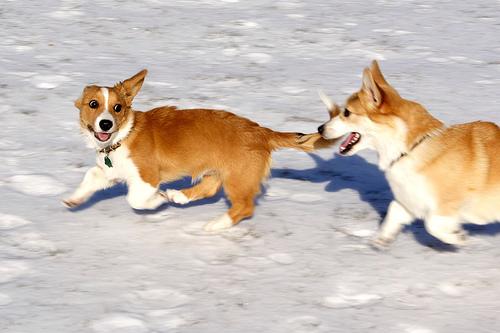
Photo by Marcus Wallis on Unsplash
Beagles are cheerful, energetic, and hard-wired to follow their nose straight into trouble — and because of their genetics, that activity level puts their spine at real risk.
Most people associate IVDD (intervertebral disc disease) with dachshunds and corgis. Those associations are fair. But beagles are also a chondrodystrophic breed, which means they carry the same underlying disc vulnerability, just with a body shape that makes owners less likely to worry. By the time a beagle owner connects those dots, their dog may already be in crisis.
This article is for beagle owners who want to get ahead of it.
Why Are Beagles at Risk for IVDD?
Beagles are chondrodystrophic — a word that sounds complicated but really just means their body produces cartilage differently than other dogs. That genetic difference affects the intervertebral discs (the shock-absorbing cushions between each vertebra in the spine). In chondrodystrophic breeds, those discs tend to calcify and harden earlier in life than they should, which makes them far more prone to rupturing under stress.
When a disc ruptures, the material inside it pushes outward and can press against the spinal cord. Depending on how much compression occurs, the result ranges from mild pain and stiffness all the way to full paralysis. That full spectrum is what we call IVDD, and it’s organized into five grades of severity. If you want a clear breakdown of what each stage looks like, the 5 IVDD stages explained article walks through symptoms and recovery odds at each level.
Beagles don’t have the exaggerated long-back body shape of a dachshund, but the disc composition risk is still there. According to veterinary literature, beagles appear in IVDD case studies with notable frequency — they’re not a rare case. Most disc episodes in beagles occur between ages 3 and 8, which is peak activity years for the breed.
The jumping problem
What makes beagles particularly vulnerable compared to some other chondrodystrophic breeds is their personality. They jump. Constantly. Off the couch, onto the bed, down from the car, up to greet you at the door. Each high-impact landing sends a compressive force through the spine, and on a disc that’s already calcifying and fragile, that repeated stress can be the thing that pushes it past its limit. A single big jump doesn’t usually cause IVDD out of nowhere — it’s the accumulation of repeated impact on already-compromised discs that sets the stage for an episode.
What Are the Signs of IVDD in a Beagle?
The earliest IVDD signs in beagles are pain and behavior changes — not paralysis. Paralysis comes later, and if you catch the warning signs early, you can often prevent it from reaching that stage.
The signs to watch for, roughly in order of how they tend to appear:
- Hunched or arched back: Your beagle’s spine looks tense and rounded rather than flat. This is the body guarding a painful area.
- Reluctance to jump: A beagle who suddenly stops jumping onto furniture or hesitates at the bottom of stairs is telling you something hurts.
- Yelping when touched or picked up: Unexpected crying when you put your hands around the ribcage or back is a pain signal.
- Stiffness after rest: Slow to get up in the morning, or stiff after a nap, especially in a dog that normally springs up instantly.
- Neck rigidity or low head carriage: If the affected disc is in the cervical (neck) region, your beagle may hold their head low and resist turning it.
- Wobbling or stumbling in the back legs: This indicates the disc compression is starting to affect spinal cord function — escalate to your vet immediately.
- Dragging or crossing hind legs: This is a neurological sign and requires emergency care.
- Sudden inability to stand or walk
- Dragging or knuckling of the back legs
- Loss of bladder or bowel control
- No reaction when you pinch the toe of a hind leg (loss of deep pain sensation)
- Complete collapse
If your beagle is showing any of the emergency signs above, go directly to the vet or an emergency animal hospital. IVDD can progress from pain to paralysis within hours in acute disc ruptures. Our IVDD emergency signs guide covers exactly what to do before you leave the house.
How Is Beagle IVDD Treated?
Treatment depends entirely on which stage your dog is in when you get to the vet. For Grades 1 through 3 — pain, mild weakness, but the ability to still walk — strict crate rest combined with anti-inflammatory medications and pain management is often the recommended starting point. “Strict” means no running, no jumping, no stairs, and extremely limited leash walks for several weeks. It’s harder than it sounds with a beagle.
For Grade 4 and 5 cases, where significant weakness or paralysis is present, surgery is typically the recommended path to give the best chance of recovery. The IVDD surgery vs. conservative care article goes deep on how to weigh those options if you’re at that decision point.
- Strict crate rest for 4–8 weeks (no exceptions)
- Anti-inflammatory medications prescribed by your vet
- Pain management (often gabapentin and/or muscle relaxants)
- Controlled, very short leash walks for bathroom breaks only
- Gradual, vet-supervised return to activity after the rest period
One thing that catches many beagle owners off guard is just how hard crate rest is to enforce. Beagles are high-energy dogs with strong opinions about confinement. A comfortable crate setup, enrichment toys that don’t require physical exertion, and some patience go a long way. The crate rest survival guide has practical strategies for getting through it.
How Do I Prevent IVDD in My Beagle?
No prevention strategy eliminates the genetic risk entirely, but there is strong consensus among veterinarians and canine rehab specialists that lifestyle modifications meaningfully reduce the chances of a disc episode — and reduce its severity if one does occur.
Weight management
This is the single most impactful thing you can do. Every extra pound a beagle carries adds to the compressive load on those already-vulnerable discs every time the dog moves. Beagles are notorious food-motivated dogs who can become overweight easily. Keeping your beagle lean — you should be able to feel but not see the ribs — reduces daily stress on the spine with zero downside.
Eliminate high-impact jumping
This is the prevention step that requires the most lifestyle change. Block access to furniture your beagle jumps on and off, or install ramps and pet stairs so they can reach those spots without impact. Use baby gates at stairs. Discourage leaping greetings. From what I’ve seen and heard from owners who’ve been through an IVDD episode, the ones who wish they’d done something differently almost always point to jumping access.
Dog ramps on couches and beds do work, but only if you train your beagle to actually use them. Most dogs need a few weeks of luring with treats before they reliably choose the ramp over the leap.
Use a harness, not a neck collar
Walking a beagle on a collar puts repetitive stress and occasional sharp jerks directly on the cervical spine — the neck discs. A well-fitted harness distributes pressure across the chest instead. This is a simple swap with real spinal benefit.
Know what normal looks like
Prevention also means knowing your individual dog’s baseline so well that you notice the subtle early signs immediately. A beagle who normally barrels through life and suddenly seems “off,” moves stiffly after a nap, or skips a jump they’d usually take without thinking deserves a vet call sooner rather than later.
- Keep your beagle at a lean, healthy weight year-round
- Install ramps or stairs to any furniture the dog accesses regularly
- Walk with a harness, not a collar attached to the neck
- Block stairs with gates and use leash control on slippery floors
- Schedule regular vet check-ins and mention any behavioral changes
If a disc episode does happen
Catching it early and responding quickly changes outcomes dramatically. If your beagle shows even the early signs — hunching, yelping, reluctance to jump — call your vet that day rather than waiting to see if it resolves. In my experience talking to other owners in the disabled dog community, waiting even a day or two can move a manageable Grade 1 episode into something more serious.
A good rear-support harness like the Help ‘Em Up Harness can be genuinely useful during recovery if your beagle has any hind-leg weakness — it lets you provide support under the hips during bathroom walks without putting pressure on the spine.
Related Reading
- IVDD Symptoms in Dogs: Early Warning Signs to Catch Now
- The 5 IVDD Stages Explained: Symptoms & Recovery Odds
- Preventing IVDD Relapse: 5 Rules I Follow
- It’s worth knowing where your nearest board-certified neurologist is before you need one — our IVDD specialist finder lets you search by state.
If your beagle has been diagnosed with IVDD, or you’re reading this because something just seemed “off” today, I want you to know that catching this early genuinely matters. These dogs are resilient. With the right care, a lot of them come through IVDD episodes and return to full, happy lives. The hardest part is often just knowing what to look for — and now you do.
This guide is based on real experience and should be used alongside professional veterinary care. Always consult your veterinarian before starting any new treatment or making changes to your dog’s care plan.
Frequently Asked Questions
Are beagles prone to IVDD?
Yes. Beagles are classified as a chondrodystrophic breed, meaning their cartilage and disc structure make them genetically predisposed to IVDD. Their risk is lower than dachshunds, but it is real and often surprises owners who assume only long-backed dogs are at risk.
What are the first signs of IVDD in a beagle?
Early signs include a hunched or arched back, reluctance to jump or climb stairs, yelping when touched or picked up, and general stiffness after rest. Some beagles go quiet and stop seeking play — which can be easy to miss in a normally energetic dog.
Can a beagle recover from IVDD without surgery?
Many beagles with mild to moderate IVDD (Grades 1–3) recover well with conservative management, which means strict crate rest and medication. Grade 4 and 5 cases typically require surgery for the best outcome. Always work with your vet to determine the right path.
How can I prevent IVDD in my beagle?
The most effective prevention steps are keeping your beagle at a healthy weight, blocking access to furniture and stairs with ramps or gates, using a harness instead of a neck collar, and learning your dog’s early warning signs so you can act fast if a disc episode starts.