Bathing an IVDD Dog After Surgery
When can you bathe an IVDD dog after surgery? Usually after suture removal — but no-rinse options work sooner. What I've learned about positioning and keeping…
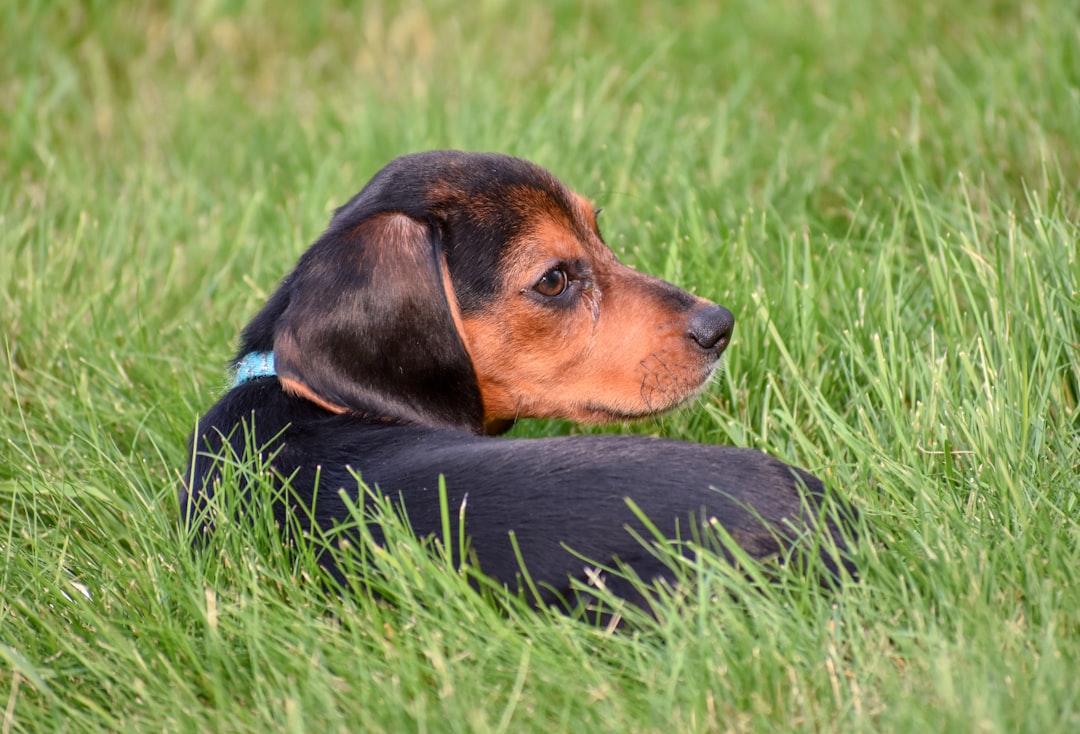
Photo by Laura Baker on Unsplash
Bathing your dog after IVDD surgery is one of those tasks that feels simple until you’re actually doing it — and then suddenly the incision, the positioning, and your dog’s limited mobility all become very real complications.
When Is It Actually Safe to Bathe an IVDD Dog Post-Op?
The general rule is: wait until after suture removal and until the incision is fully closed and dry — typically around 10 to 14 days after surgery, though your specific vet’s guidance takes priority. Before that point, wetting the surgical site introduces real infection risk.
This isn’t arbitrary caution. The incision after IVDD surgery (usually a laminectomy or hemilaminectomy) runs along the spine, and the skin layers need time to knit together fully. VCA Hospitals notes that surgical incisions should be kept clean and dry until sutures are removed — wetting them prematurely can introduce bacteria and soften the tissue holding the repair together.
I called Heidi’s surgeon’s office before attempting her first bath and was told clearly: no water near the incision until the sutures were out and the wound looked dry and sealed. That felt like forever in the moment, but it’s genuinely the right call.
- Do not submerge or wet the incision before suture removal — even briefly
- Avoid bathing if the wound shows any redness, discharge, or open skin edges
- Check with your surgeon’s office before bathing if you’re unsure — they’d rather you call than guess
No-Rinse Alternatives for the First Two Weeks
Your dog still needs freshening during crate rest — especially if they’re wearing diapers, lying in one position most of the day, or dealing with any incontinence. The good news is you have solid options that don’t involve water near the spine.
- Waterless no-rinse shampoo: Spray or foam applied to fur away from the incision, worked in with your hands, and towel-buffed dry. Works well for the neck, legs, and belly areas.
- Pet grooming wipes: Unscented, gentle wipes are ideal for quick cleanup of the paws, belly, and rear end. Look for fragrance-free formulas designed for sensitive skin.
- Damp warm washcloth: For spot cleaning around the face, ears, or anywhere the dog has gotten dirty. Wring it out thoroughly — you want damp, not wet.
Keep all of this well clear of the incision area. See the IVDD incision care guide for what normal healing looks like versus what warrants a vet call. And if your dog is incontinent and dealing with skin irritation, the strategies in the belly bands and diapers article cover that overlapping challenge well.
- Waterless shampoo sprays or foams (fragrance-free preferred)
- Unscented pet grooming wipes or fragrance-free baby wipes
- Warm damp washcloth for spot cleaning
- All applications should stay at least 6 inches from the incision site
How Do I Set Up a Safe First Bath After Sutures Are Removed?
A safe first bath after IVDD surgery requires a non-slip surface, a protected incision, careful positioning, and a second pair of hands if you can get them.
Here’s what the setup looks like in practice:
Choose the Right Surface
A rubber bath mat in the tub or a folded yoga mat in a low plastic storage bin both work well. You want your dog’s legs to have grip and your own body to have leverage. Avoid slippery tub surfaces with nothing underneath — a dog who’s still wobbly from neurological recovery can go sideways fast.
Protect the Incision Before Water Touches Anything
Even after suture removal, many vets recommend keeping the incision area as dry as possible for the first few baths. Here’s the approach that worked for us:
- Apply a light layer of petroleum jelly around the incision edges — not on the wound itself, but creating a subtle water barrier around the perimeter.
- Place a small folded piece of dry gauze or a clean cloth over the incision site and hold or lightly tape it in place.
- Use a handheld sprayer or a damp washcloth to wet areas of the body, always working away from the spine.
- Rinse with minimal water pressure and direct flow away from the back.
A dog cone (e-collar) worn during and immediately after the bath can also prevent your dog from twisting to lick the incision while everything’s still damp.
Positioning a Dog With Limited Mobility
This is the part that catches people off guard. An IVDD dog — especially one still regaining hind-end function — cannot stand steadily in a tub the way a healthy dog can.
- For small dogs: a clean kitchen sink with a rubber mat gives you better control and avoids deep tub bending.
- Support the hindquarters with your non-dominant hand throughout, or use a folded towel as a sling under the belly.
- Keep the dog’s spine as neutral as possible — no twisting, no reaching awkwardly.
- Have someone else hold the dog steady if at all possible. The first post-op bath alone is genuinely difficult.
Drying Carefully
Pat dry — never rub — the area around the incision. Use a warm (not hot) towel and work outward from the spine. Get the fur as dry as possible before the dog goes back to their resting area, because a damp dog lying on a mat can develop skin irritation quickly, and a damp incision is the last thing you want.
- Non-slip mat secured in the tub or sink
- Gauze or dry cloth ready to cover the incision
- Petroleum jelly to barrier around (not on) wound edges
- Handheld sprayer or damp washcloth — no direct stream onto the back
- Warm towels ready for immediate drying
- E-collar on to prevent post-bath licking
What to Check After Every Bath
Immediately after drying, do a close visual inspection of the incision. What you want to see: skin edges together, no redness spreading outward, no discharge. What should send you to the phone: any cloudy or odorous discharge, new swelling or puffiness, skin edges that look separated, or a wound that simply looks worse than it did before the bath.
The post-op IVDD care guide for the first 30 days covers what’s normal versus what’s a red flag in detail — worth reviewing before you attempt that first bath.
- Discharge that is cloudy, colored, or has an odor
- Redness spreading outward from the incision edges
- Swelling that wasn’t there before the bath
- Any separation or opening of the skin edges
- Your dog showing sudden increased pain after bathing
Related Reading
- IVDD Incision Care: What’s Normal, What’s Not
- Post-Op IVDD Care: The First 30 Days at Home
- Belly Bands & Diapers for IVDD Dogs (and How to Prevent Urine Scald)
Frequently Asked Questions
When can I bathe my dog after IVDD surgery?
Most veterinary surgeons recommend waiting until sutures have been removed and the incision is fully closed — typically around 10 to 14 days post-op, though your vet will confirm the exact timing for your dog. Bathing before the incision is healed risks introducing bacteria and disrupting the repair.
What can I use to clean my dog before sutures are removed?
No-rinse waterless shampoos and pet-safe grooming wipes work well for freshening your dog between baths. Focus on areas well away from the incision — the neck, paws, and belly. Always check the label to ensure the product is safe for use near healing skin.
How do I keep the incision dry during a bath?
Apply a thin barrier of petroleum jelly around (not over) the incision edges, and cover the site with a folded dry cloth or gauze pad. Bathe around the area using a damp washcloth rather than running water, and pat — never rub — the surrounding fur dry immediately after.
What are the signs that a bathing session went wrong?
Watch the incision for new redness, swelling, cloudy or odorous discharge, or any separation of the skin edges in the 24 hours after a bath. If you see any of these, contact your vet promptly — early intervention keeps small problems from becoming serious ones.
The first post-op bath is genuinely stressful, but once you’ve done it once, the setup becomes second nature. Take your time, get help if you can, and don’t rush it before the incision is ready. Your dog will be cleaner and more comfortable for it — and so will you.
This guide is based on real experience and should be used alongside professional veterinary care. Always consult your veterinarian before starting any new treatment or making changes to your dog’s care plan.