Editor's Pick
IVDD
Surgery or Euthanasia: The Hardest IVDD Decision We Made
When Heidi reached the most severe stage of IVDD, we had two options: surgery or saying goodbye. How we decided and what we'd tell anyone facing the same.
Every IVDD article on the site, newest first — browse the full library chronologically.
Every IVDD article we’ve published, sorted newest first. If you’re looking for a specific topic rather than the full archive, the organized IVDD hub groups these by stage and topic instead.
The products I use in Heidi's care: See all recommendations →
When Heidi reached the most severe stage of IVDD, we had two options: surgery or saying goodbye. How we decided and what we'd tell anyone facing the same.
In a real emergency, the 'best' vet hospital is the one that can see your dog soonest. Here's the call-around strategy I'd use if Heidi went down today.
Vet-prescribed rest, heat vs cold, safe lifting, and the one thing never to give — what actually helps dog back pain at home without making things worse.
PVC builds look cheap until you account for pressure sores, gait damage, and refits. Here's an honest cost comparison — and when DIY actually makes sense.

No judgment, no false hope — just honest guidance on quality-of-life signs, what losing deep pain sensation means, the financial reality, and what the day…

Watched your vet poke and flip your dog and had no idea what they were testing? Here's what each neurological exam test actually means — and how it maps to…
What Pekingese and Shih Tzu owners should look for in a pet insurance policy — BOAS, IVDD, eye conditions, and the pre-existing traps that catch flat-faced…

Cavaliers face MVD, syringomyelia, IVDD, and DM — a uniquely complex insurance picture. What to look for in policy language, and why timing matters so much.
If your dog is at risk for IVDD, these five prevention strategies can meaningfully reduce their odds — weight, ramps, harness choice, jumping, and genetic…
Back braces are heavily marketed for IVDD dogs — but the evidence is thin. What a brace can and can't do, the fit risks, and why a support harness usually…
IVDD isn't caused by one bad jump — it's a genetic disease most at-risk dogs are born with. Here's what actually drives disc degeneration, and what owners can…

Yorkies carry a breed-specific health risk profile that changes how pet insurance decisions play out. What to look for in policy language — no rankings, no…

A hind-leg limp without yelping still needs attention. Here's how to read the real signs, sort the likely causes, and know when to go same-day.

IVDD is a spinal disc disease that can cause pain, paralysis, or anything in between. Here's what the diagnosis actually means — in plain language.

Maltese can develop IVDD, especially in the neck. What owners need to know about risk level, early warning signs, and small-dog handling that protects the…
No directory works forever — so here's the search pattern that does. How to find nonprofit clinics, teaching hospitals, and low-cost vet care in your area.
Long-term IVDD and DM meds add up fast. Here's how to ask for a written prescription, which discount pharmacies exist, and when the clinic pharmacy is actually…

Pugs face a double threat: IVDD and hemivertebrae that mimic each other. Plus the anesthesia risk that complicates surgery. What owners need to know before a…
Chihuahuas don't look like disc dogs — but they carry real IVDD risk, especially in the neck. What owners miss, what to watch for, and when to act.
Can you use HSA or FSA funds for vet bills? Mostly no — with one narrow exception. What the IRS actually says about pet expenses and service animals.
GLM is popular for joint inflammation in dogs — but what does the research actually support? An honest look at the evidence, dosing, and how it compares to…
Most IVDD dogs need a rear cart, not a front-wheel one. What I've learned about quad carts, true front-leg indications, and when no cart fits at all.
Vet teaching hospitals offer specialist-level IVDD and DM care at reduced rates. What I've learned about how to access them, ask for referrals, and find…
No diet cures IVDD — but weight, hydration, and inflammation do matter. What I learned feeding Heidi through recovery, and what's actually worth worrying about.
Switching pet insurance can cost your dog coverage on every condition documented under the old policy. What to check before you cancel — and when it's still…
Dog screaming in the crate? Potty accidents you can't control? Owner guilt eating you alive? Real fixes for the hardest parts of IVDD crate rest.
A denied pet insurance claim isn't always final. Here's how to request the denial rationale, build a stronger appeal, and what to do if the internal process…
Which exercises are safe after IVDD surgery — and which can set your dog back. What caregivers wish they'd known about rehab timing, home PT, and knowing when…
From surgery day to reimbursement check — what documents to gather, how to submit, and why claims get delayed. No fluff, no rankings, just the process.
Dog back pain has several causes — IVDD, muscle strain, arthritis, injury. Here's how to tell them apart, what can wait, and when it's an emergency.
Omega-3s have real evidence. Turmeric and blueberries? More complicated. What caregivers of IVDD dogs actually need to know before changing the food bowl.

Surgery or crate rest? The IVDD treatment decision comes down to grade, deep pain, and timing. What actually drives the choice — and what conservative care…
IVDD can go from mild stiffness to full paralysis in hours with an acute disc rupture. Here's the real timeline — and the signs that mean go now.
Your dog has a 'slipped disc' — here's what that actually means, what symptoms to watch for, and what treatment and recovery look like. A plain-language guide.
A ruptured disc can go from yelping to paralysis in hours. Here's how to spot the signs fast, what extrusion vs. protrusion means, and when to rush to the vet.
Most pet insurance is reimbursement-based — you pay the vet first, then wait. Direct-pay changes that. Here's how each model works and who it actually matters…
Walking back to running after IVDD isn't a single milestone — it's a ladder. Here's what caregivers need to know about each rung, and what to skip forever.
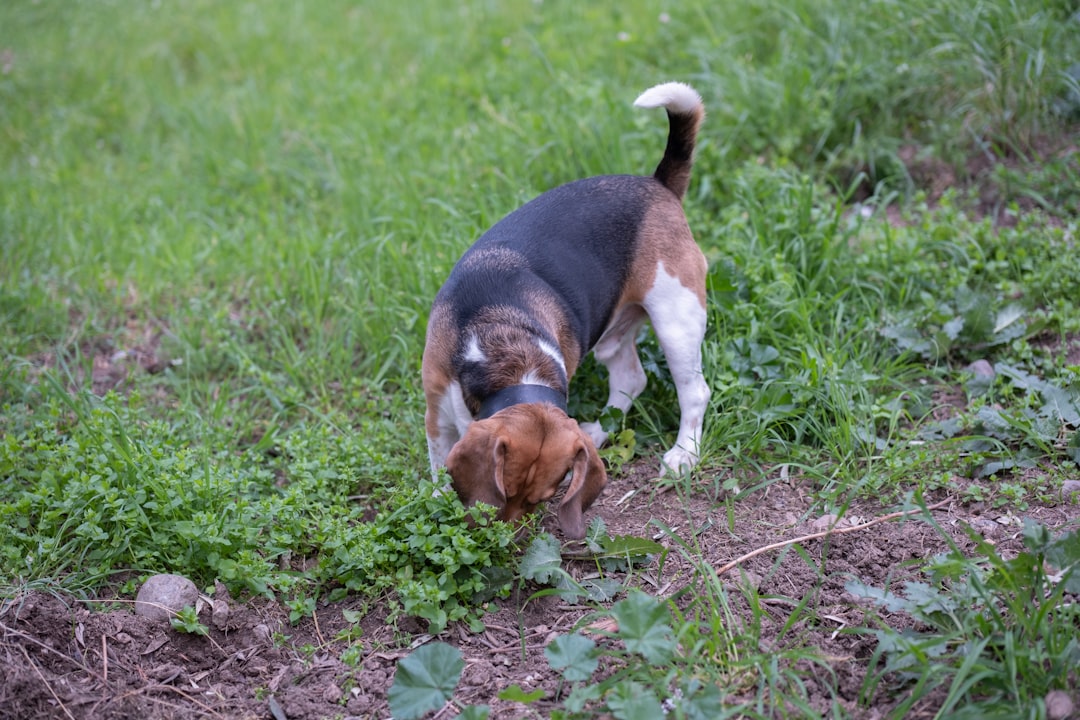
Road tripping with an IVDD dog takes real planning — crate setup, break timing, emergency vet mapping, meds. Here's what caregivers need to know before they…
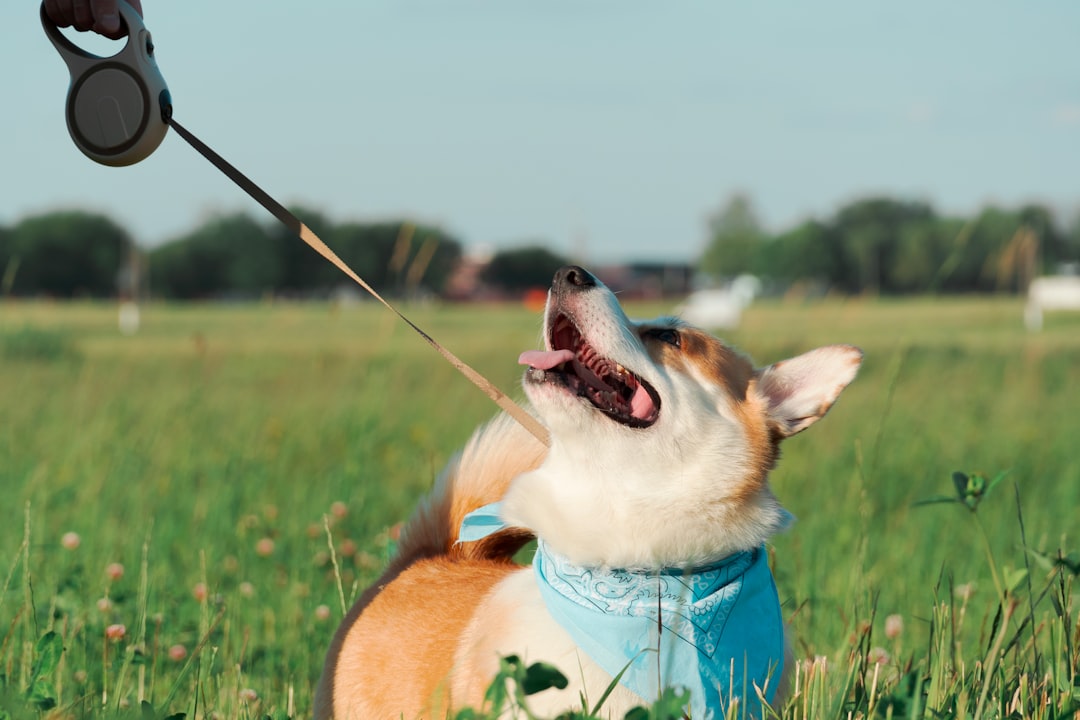
Pet insurance premiums rise every year — and the increases accelerate after age 8. What drives the math, and how to think about it before your renewal lands.

Wellness add-ons sound like a deal — until you do the math. What these plans actually cover, what they cost, and when (rarely) they pencil out.
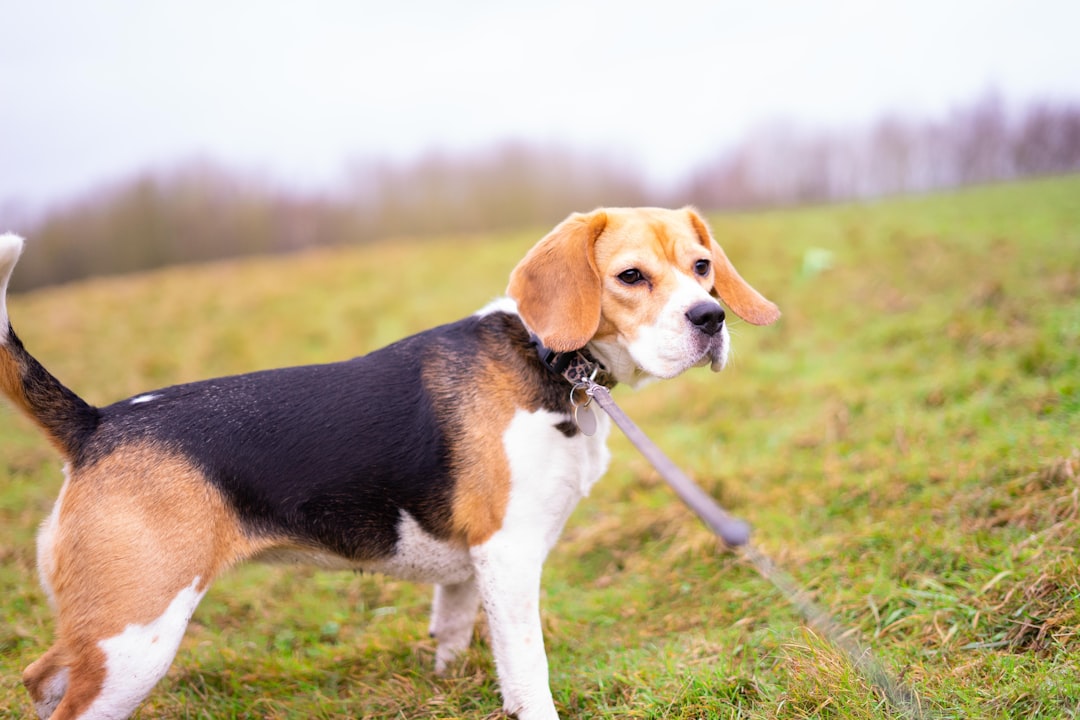
Living with an IVDD dog and a rowdy sibling? What actually works for separation, reintroduction, and protecting a recovering spine — from a caregiver who's…

Boarding an IVDD dog isn't impossible — but standard kennels often aren't equipped. Here's what I've learned about finding safe care that won't undo your dog's…
Annual vs per-condition deductibles can cost you thousands when your dog has IVDD plus a second condition. Here's what the math actually looks like — no…
Managing IVDD in a two-story home means ramps, gates, and a hard no-stairs rule. Here's what actually works — from ramp placement to sleeping level choices.
Terrified your toddler will re-injure your IVDD dog? Age-appropriate rules, crate placement, safe interaction, and how to manage bathroom trips with little…
Caring for a recovering IVDD dog while keeping your job running is brutal — here's the real routine I built around crate schedules, Zoom calls, and bladder…
What 70%, 80%, and 90% reimbursement actually means after your deductible — with real IVDD surgery math. No rankings, no affiliate links.

The signs that a second IVDD episode is starting are subtler than the first. Here's exactly what to watch for — and what to do in the first hour.
The orthopedic waiting period is why so many IVDD owners get denied. Here's how insurers define 'pre-existing,' which breeds get flagged, and what to do now.
Vets won't volunteer the discount conversation — but you can have it. What I wish Ken and I had known before Heidi's surgery estimate landed on the counter.
IVDD age of onset varies widely by breed type — chondrodystrophic dogs often hit their first episode at 3–6 years, while large breeds see it at 8+. What…
Yorkies get IVDD more often in the neck than the back — and the signs look different. What cervical IVDD means for small-breed owners, from harness choices to…

Crowdfunding IVDD surgery? Most funds come from your personal network in the first 72 hours — not strangers. Here's what actually works, and what doesn't.
DNA test came back with dachshund in the mix? Your mutt may carry real IVDD risk. What caretakers need to know about CDDY genetics, mixed-breed risk, and…
CareCredit, Scratchpay, VetBilling — how vet financing actually works, what the deferred interest trap costs you, and questions to ask before you sign.
Cavaliers face IVDD, but also Chiari-like malformation and syringomyelia — conditions that mimic each other. Here's how to tell them apart and what care looks…
Breed rescues sometimes maintain emergency medical funds for IVDD-prone dogs. What I found researching each one — eligibility, typical awards, and honest gaps.
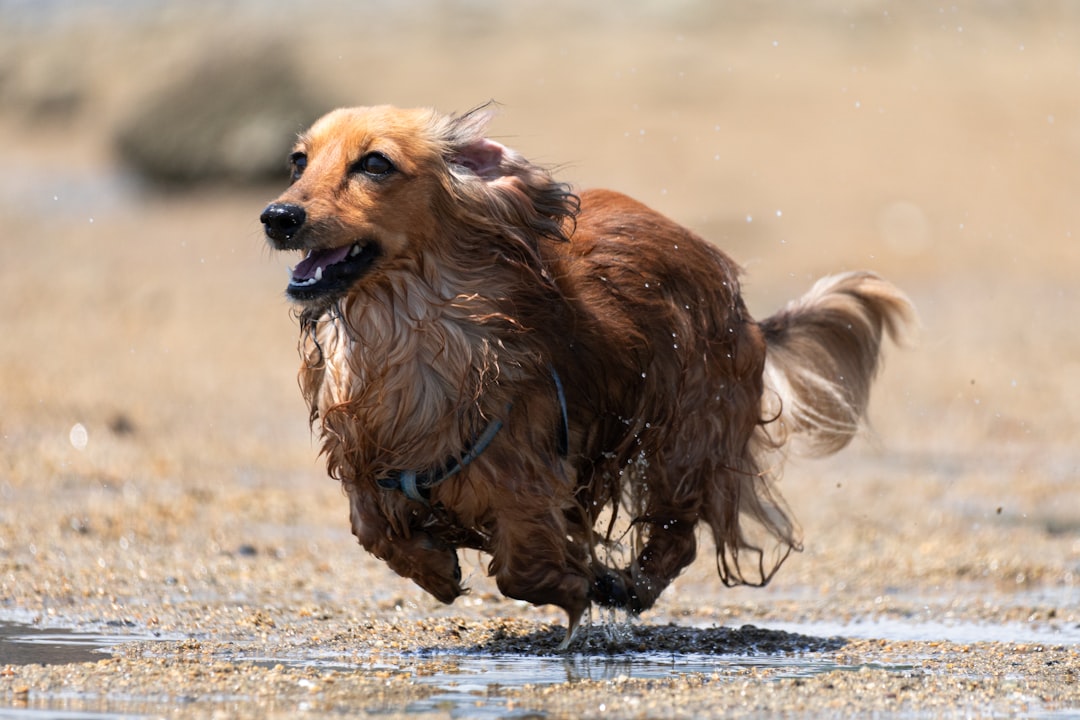
Bichons are rarely mentioned in IVDD conversations — but they carry real disc disease risk. What owners need to know about early signs and small-breed care.
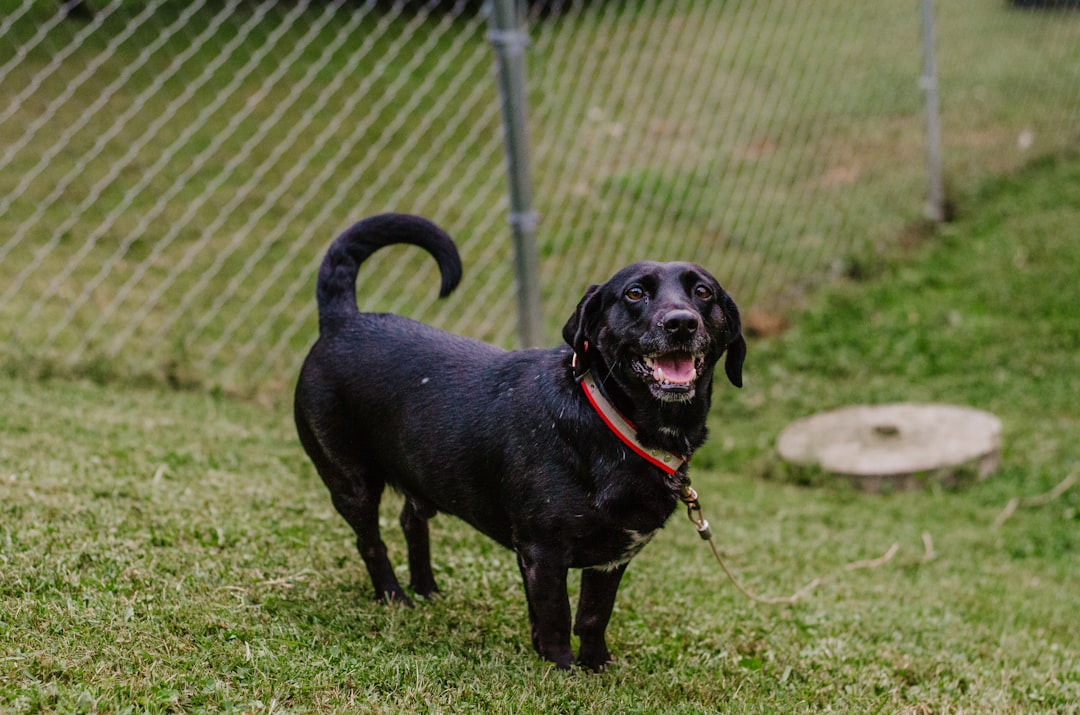
French Bulldogs face IVDD, brachycephalic, and orthopedic claims — and insurers price accordingly. What to read before you sign, with no rankings or paid links.
Pekingese are far more likely to herniate a neck disc than a back disc — and their flat face adds surgical risk most owners don't know about until it's a…
Amantadine is added to IVDD pain protocols when gabapentin alone isn't enough. What it does, how it's dosed, and what side effects to watch for.
Tramadol prescribing for IVDD dogs has quietly declined as evidence shifted. Here's what the research actually says — and when vets still reach for it.
Buprenorphine or methadone on your dog's discharge sheet? Here's when vets use opioids for IVDD pain, what each drug does, and why tramadol fell out of favor.

Seven national grant programs that help cover IVDD costs — eligibility, timelines, and the honest truth about using grants for emergency surgery.
Discharged with 4+ IVDD meds and terrified of making a mistake? Here's how to build a realistic schedule, time meals around doses, and never miss a refill.
The surgery quote is terrifying. Here's the full landscape of grants, financing, payment plans, and crowdfunding — with honest limits on each. No rankings, no…
Rimadyl is one of the most prescribed pain meds for IVDD dogs — but dosing, monitoring, and the Labrador warning matter more than most owners realize.

The 10-day, 4-week, 8-week, and 3-month rechecks after IVDD surgery each have a distinct purpose. Here's what your neurologist is looking for at each one.
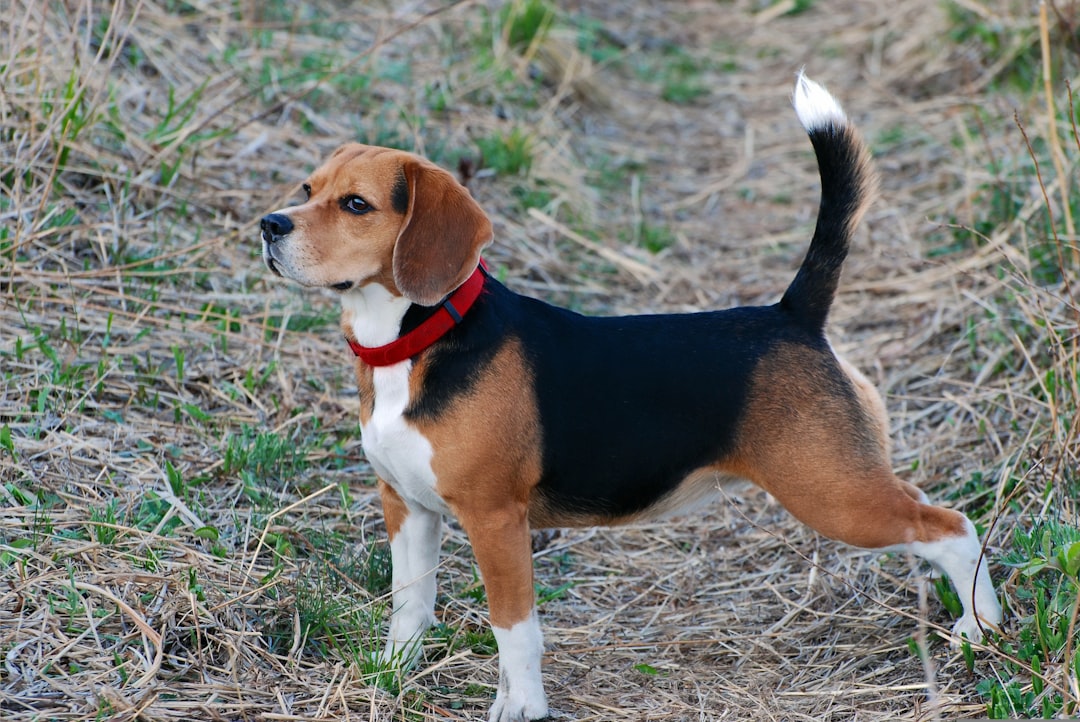
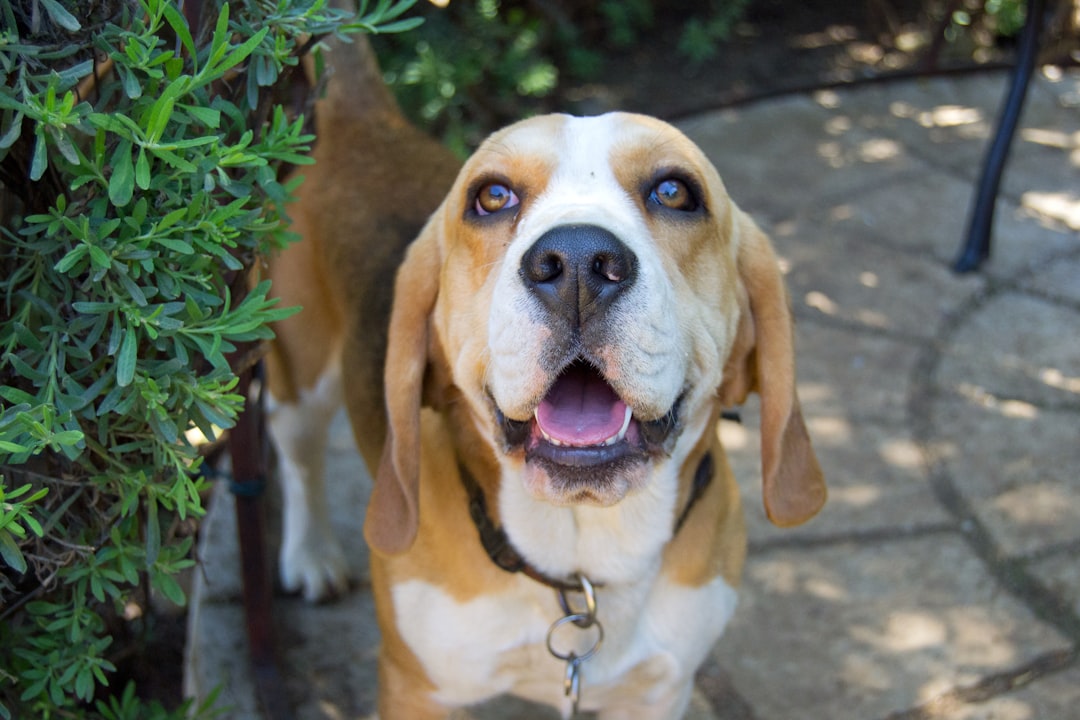
Beagles and Basset Hounds face IVDD risk similar to dachshunds — but get far less clear guidance on insurance. What to read in the fine print before you sign.

The standard IVDD conservative management protocol is 6–8 weeks of strict rest and medication. Here's what each week actually looks like — and when to escalate.

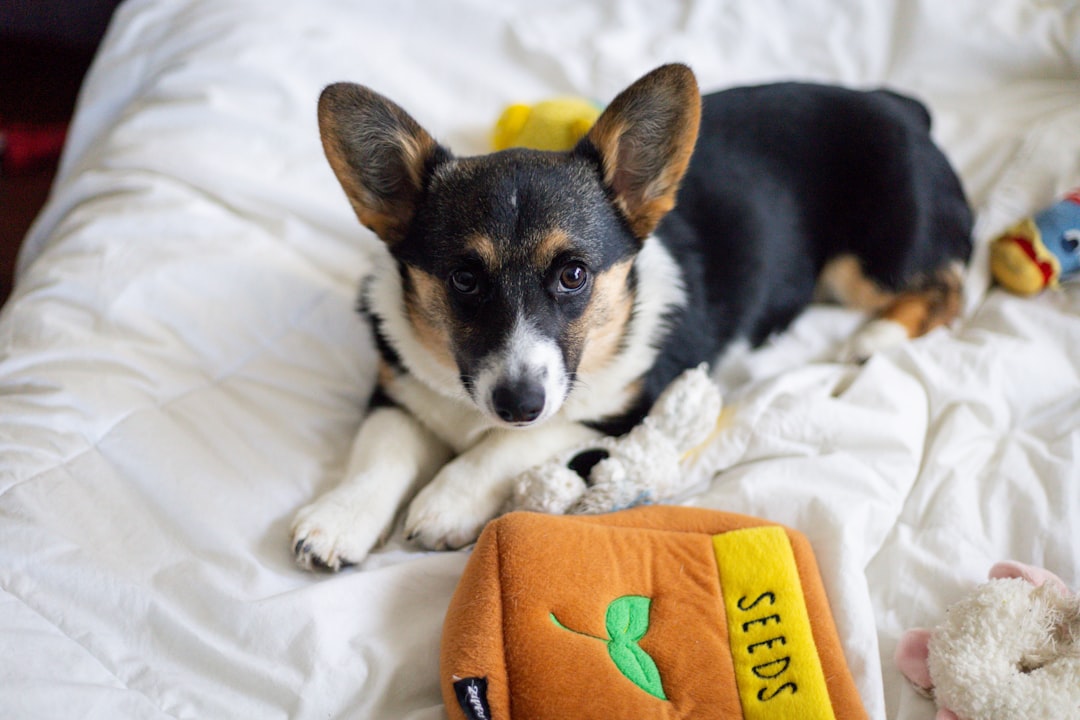
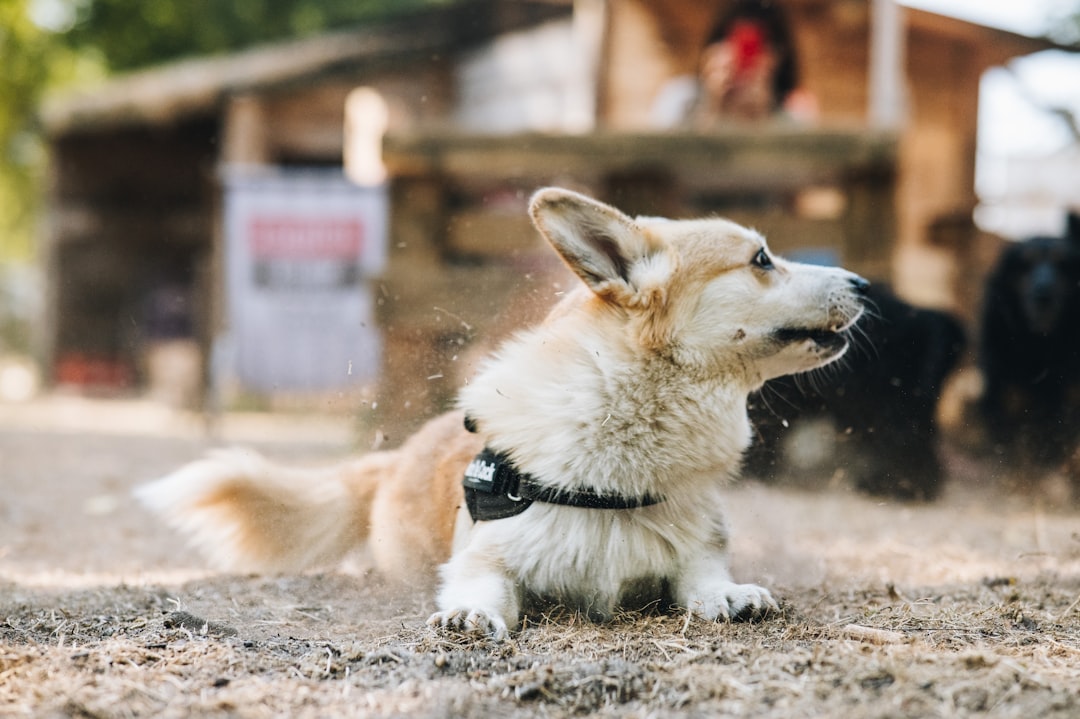
Corgis face both DM and IVDD risk. Here's what pet insurance actually covers for each — and the policy clauses corgi owners need to read before signing.
Appetite loss, positioning struggles, weight creep during crate rest — what actually works when feeding a dog recovering from IVDD surgery.
When can you bathe an IVDD dog after surgery? Usually after suture removal — but no-rinse options work sooner. What I've learned about positioning and keeping…
The first night home after IVDD surgery is brutal — crying, bathroom trips, zero sleep. What I learned about crate placement, night crying, and when the bed is…
Sling walks, bladder expression, and overnight bathroom trips after IVDD surgery — what actually works, step by step, from someone who lived through the first…
Your dog's first post-op recheck usually happens 10–14 days after IVDD surgery. Here's what the vet checks, questions to bring, and red flags to catch first.
After an IVDD diagnosis, what coverage can you still get? Bilateral clauses, pre-existing rules, and honest alternatives to a new policy.
Imaging report in hand and not sure what it means? Here's how spine location shapes your dog's symptoms, prognosis, and surgery — in plain English.
Boston Terriers get IVDD differently than dachshunds — neck pain, not back legs, is the red flag. What owners need to know about cervical disc disease in…
When your IVDD dog never regains feeling, life changes — but it doesn't end. What daily care really looks like at year 2+, from bladder routines to wheelchair…
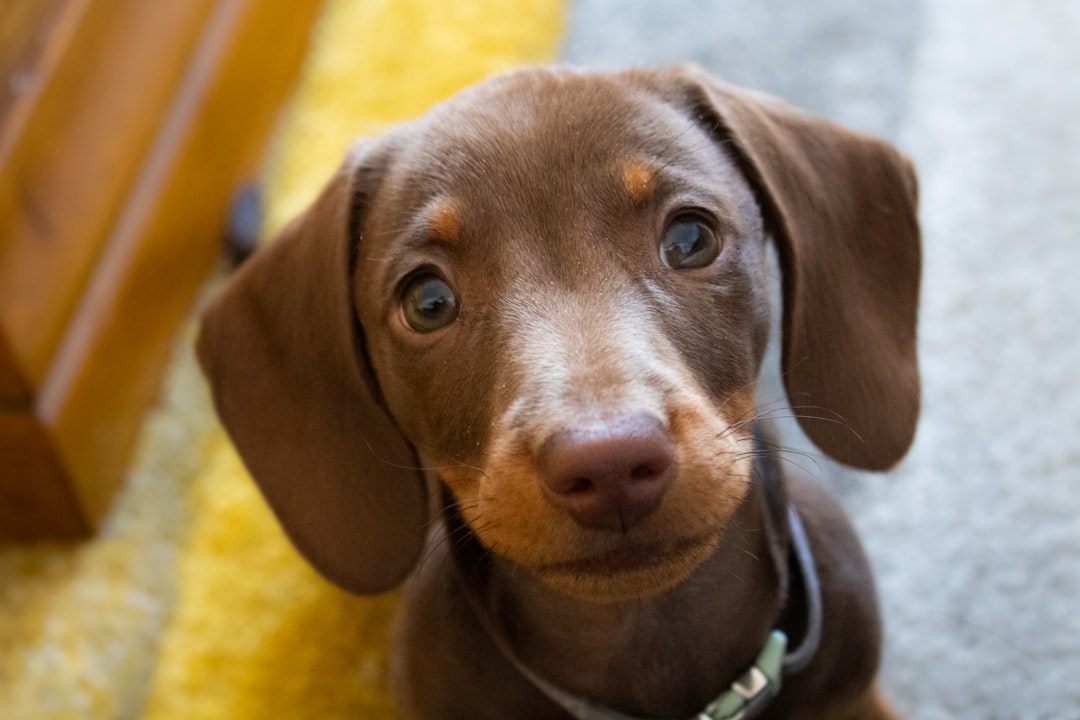
Dachshund puppies are born with spinal risk built in. Weight, jumping, harnesses, stairs — what you do in year one shapes their spine for life.
What dachshund owners should read before signing a pet insurance policy — focused on IVDD, hereditary exclusions, bilateral clauses, and enrollment timing. No…

When your vet recommends euthanasia for your IVDD dog and you're not ready, here's how to think through second opinions, quality-of-life scales, and this…
Leaving an IVDD dog home alone during work is terrifying at first. Here's how to figure out when it's safe, who can help midday, and how to stay sane at your…

A plain-English breakdown of how pet insurance providers handle IVDD and DM coverage. No rankings, no paid links — just the policy language that actually…
Doodle owners often assume hybrid vigor protects their dog from IVDD. It doesn't — if your mix inherited the CDDY variant, disc disease risk comes with it.

Plain-English definitions of pet insurance terms that matter most for IVDD and DM owners — pre-existing, bilateral, hereditary, and more. No rankings, no paid…
Dobermans get both cervical IVDD and Wobbler Syndrome — and the signs look almost identical. Here's how vets tell them apart and why the distinction changes…
Vet said your IVDD dog needs to lose weight? Here's the actual plan — body condition scoring, safe calorie cuts, treat swaps, and a realistic timeline from an…
Your dog was fine yesterday — now they can't stand. What to do in the first 72 hours of sudden paralysis, from safe transport to down-dog care basics.
Crate rest is over — now what? A real owner's plan for rebuilding exercise after IVDD recovery without triggering relapse. Walks, core work, balance, and…
Staring at your dog's IVDD discharge sheet at 8pm? Here's what 'grade 4 thoracolumbar IVDD status post hemilaminectomy' actually means — plus meds, rechecks…
Thinking about buying or breeding a chondrodystrophic dog? Here's what IVDD genetic testing actually tells you — and the questions every buyer should ask first.

Trazodone can make crate rest survivable for a bouncy IVDD dog. Here's what it does, when vets prescribe it, and how it combines with gabapentin.
Discharge papers full of words you don't recognize? This plain-English IVDD glossary explains ataxia, hemilaminectomy, deep pain response, and more — term by…

Methocarbamol is a muscle relaxant — not a pain med — added to IVDD protocols when spasms won't quit. What it does, how it stacks with gabapentin, and when to…
Staring at your dog's IVDD incision at 11pm wondering if it looks right? Here's exactly what's normal at day 1, 3, 7, and 14 — and the signs that mean call now.
Why do dachshunds and French bulldogs get IVDD so often? It comes down to one gene mutation. Here's the FGF4 and CDDY story explained in plain English.

Cervical IVDD causes neck pain, not just hind-leg weakness — and owners often miss it. What to watch for, which breeds are at risk, and how care differs.
Just brought your dog home after IVDD surgery? Here's the day-by-day care guide I wish I'd had — incision checks, pain meds, bladder help, and red flags.
Your vet prescribed meloxicam for your IVDD dog — here's what it does, what to watch for, and why the kidney conversation matters more than most owners expect.

Script in hand at 10pm, wondering if prednisone is the right call for your IVDD dog? What it does, the taper schedule, side effects, and what I learned with…
Gabapentin is one of the most-prescribed IVDD pain meds — here's what dosing actually looks like, why your dog seems drunk, and what Heidi's experience taught…

CDDY and FGF4 genetic testing can tell you if your dog carries the IVDD risk gene — but a positive result isn't a diagnosis. Here's how to read the results and…
Thinking of adopting a paralyzed or IVDD dog? Here's what daily care really looks like, what it costs, and how to know if you're the right fit — from a…
IVDD caregiver burnout is real — and nobody warns you about it. What I learned about surviving the exhausting weeks, asking for help, and staying in the fight.
Paralyzed doesn't mean suffering. Here's how to honestly assess your dog's quality of life — and how to know when keeping them alive is the right call.
IVDD surgery can cost $5,000–$9,000+. For dachshunds, corgis, and Frenchies, pet insurance before symptoms appear could be the difference between treatment and…
Can't afford IVDD surgery? Conservative management works for many dogs — here's what's actually possible, plus financial aid resources most owners never find.
Once your dog recovers from IVDD, the fear of it happening again is real. Here's what raises recurrence risk — and the prevention protocol that actually helps.
Conservative IVDD success rates vary dramatically by grade — and deep pain sensation is the dividing line. What the numbers actually look like, grade by grade.
Facing the hardest IVDD question? A real framework for assessing quality of life — with compassion, no judgment, and honest guidance on what to weigh.
IVDD itself rarely shortens a dog's life — what matters is how you manage it. What I've learned about complications, prevention, and helping your dog thrive…
A newly-diagnosed owner's real question answered: yes, dogs can thrive with IVDD. What lifelong management looks like, relapse prevention, and Heidi as proof.
Untreated IVDD can go from mild pain to permanent paralysis in hours. Here's what actually happens at each stage — and when waiting is a serious mistake.
Mild IVDD can improve with strict rest — but grade matters more than hope. What I've learned about when conservative care works and when it doesn't.
A drag bag protects paralyzed back legs from abrasions when your dog scoots. What I learned about sizing, materials, and using one alongside a wheelchair.
Pressure sores can form in days on a down IVDD dog. What I learned choosing the right orthopedic bed for Heidi — foam types, waterproof covers, and crate sizing.

Exploring CBD for your IVDD dog's pain? What caregivers wish they'd known about evidence, drug interactions, and how to find a safe product.
Considering the Assisi Loop for your IVDD dog? What PEMF actually does, what owners report, and what it costs — from a caregiver who's been there.
Hydrotherapy lets IVDD dogs rebuild strength without spinal load — but timing matters. What I learned about underwater treadmill rehab, costs, and facilities.
Your vet just mentioned Adequan injections for IVDD. Here's what it actually does, how the injection schedule works, and what the evidence really shows.
Your vet mentioned cold laser therapy for IVDD — but does it actually work? What I've learned about clinic vs. at-home units, evidence, and real expectations.
Acupuncture for IVDD is gaining ground as adjunct care — here's what sessions actually look like, what the evidence says, and how to find a certified vet.
Set up your IVDD recovery station before you bring your dog home. Every supply category covered — from crate to hygiene to meds. What I wish I'd had ready.
Steroids for IVDD used to be standard care — then the evidence shifted. What caregivers wish they'd known about the risks and the NSAID switch instead.
IVDD comes on fast and painful; DM creeps in painless and slow. The differences that change how you act, what you ask the vet, and what's coming next.
Glucosamine won't heal a herniated disc — but some supplements genuinely help. What I give Heidi daily and what I stopped wasting money on.

Refusing the couch, hesitating at the stairs, pausing before that one jump — the early disc-pain signs most owners miss until it's too late.
Washable vs. disposable, male vs. female, and a real urine-scald prevention protocol. What caregivers of incontinent IVDD dogs wish they'd known sooner.
Stiff, slow, reluctant to jump — symptoms overlap heavily. How to tell IVDD from arthritis or hip dysplasia, and why the right diagnosis matters.
Your dog just collapsed — is it IVDD or FCE? The pain difference is the key clue. What caregivers need to know to ask the right questions fast.

Your dog yelped and won't move — it may be IVDD. Here's what that combination of signs means, what to do right now, and when to rush to the ER.
Your dog dragging back legs could mean IVDD, FCE, or DM — and some causes need an ER visit tonight. What I know about reading urgency fast.
Your dog went from fine to paralyzed in hours — but the MRI doesn't match classic IVDD. What ANNPE, HNPE & FCE mean for treatment and recovery.
MRI costs can hit $3,000+ — but your vet can still diagnose IVDD clinically. What's possible without imaging, and when a scan becomes non-negotiable.
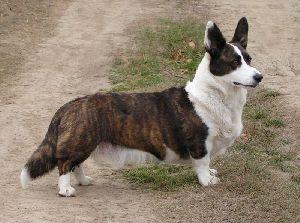
First neuro appointment for your IVDD dog? What happens room-by-room — the exam, imaging decision, costs, and questions to ask before you leave.
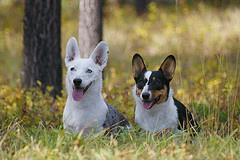
Type I IVDD strikes fast in small breeds; Type II creeps up in large dogs. What I learned about why they differ — and why treatment isn't one-size-fits-all.
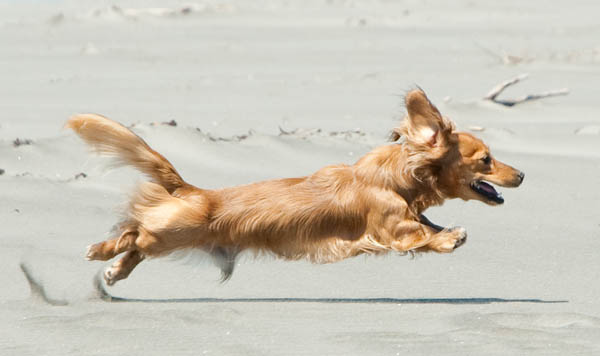
IVDD MRI costs range from $1,500 to $4,000+ depending on where you live and when you go. What caregivers wish they'd known before the bill arrived.
Your vet just said 'deep pain absent' — here's what that means, why the 48-hour window matters, and the questions to ask before you leave the clinic.
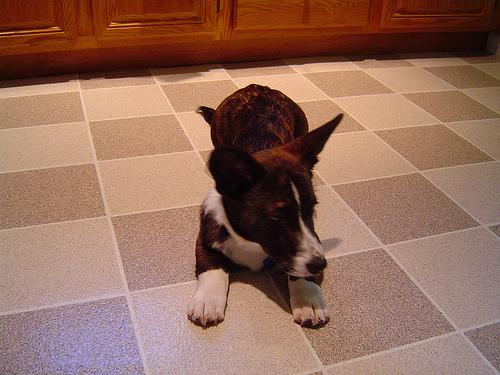
Dachshunds carry roughly 10x the general dog population's IVDD risk. See the full breed-by-breed breakdown, including which large breeds owners miss.
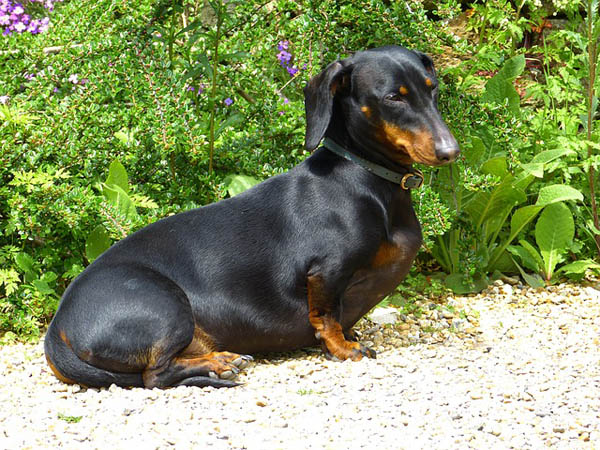
Large breed IVDD looks nothing like dachshund IVDD — slow weakness, not sudden collapse. What GSD and Lab owners need to catch it early.
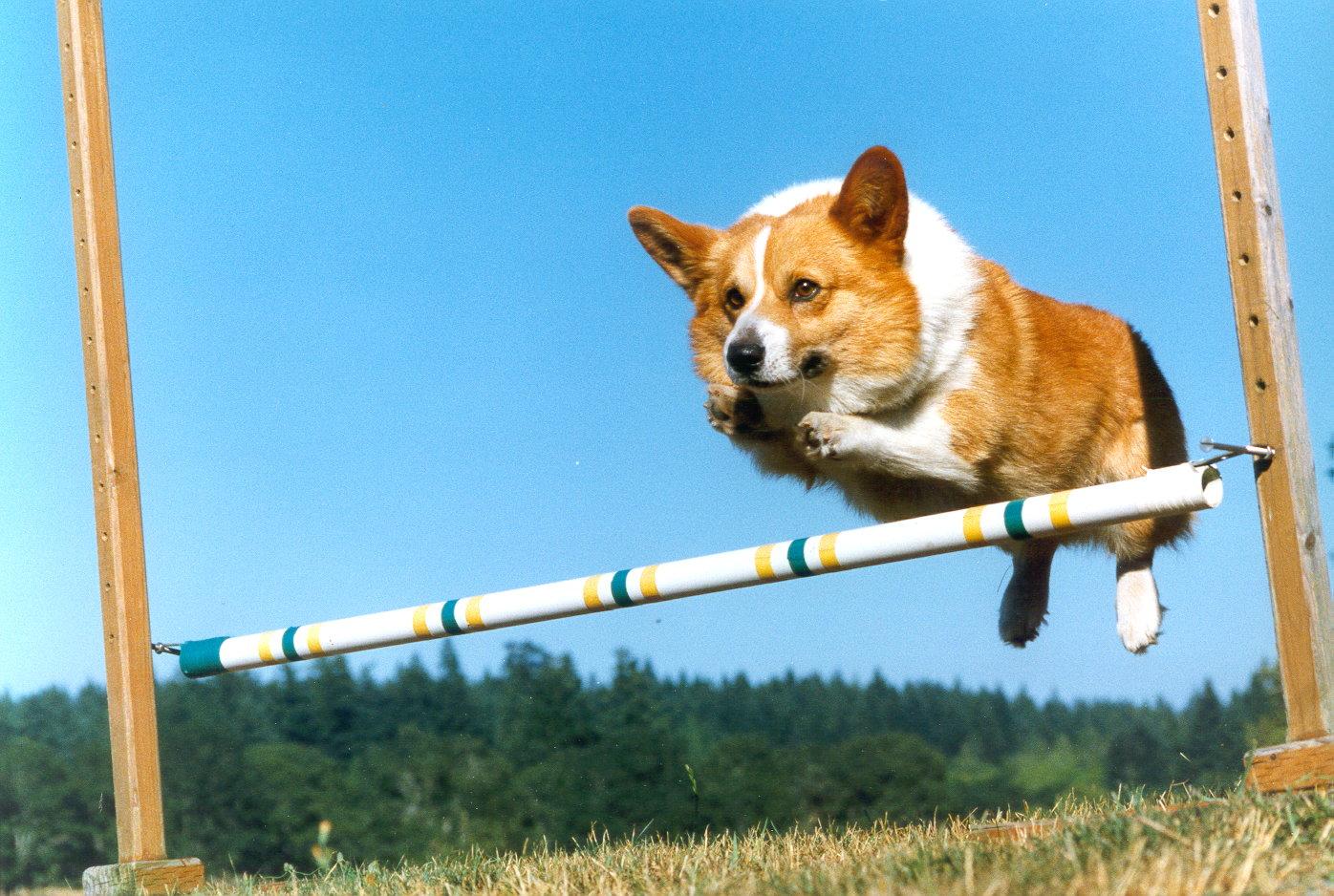
Cocker Spaniels face real IVDD risk — what signs to catch early, how to reduce chances of a disc episode, and when to escalate fast.
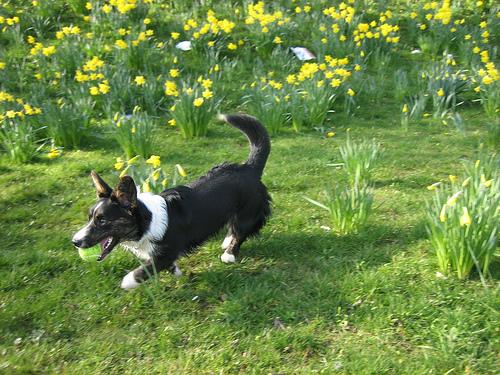
Basset hounds face IVDD risk in both the back AND neck. What every owner needs to know about signs, prevention, and when to call the vet fast.
Shih Tzu and Pekingese face a hidden IVDD risk most owners miss — cervical disc disease. What neck pain really looks like, and when to act fast.

Beagles get IVDD more than most owners realize. What I've learned about their risk profile, the warning signs, and how to protect an active breed.
Frenchies are built for IVDD risk — their spine is working against them from day one. What every French Bulldog owner needs to spot before a crisis hits.
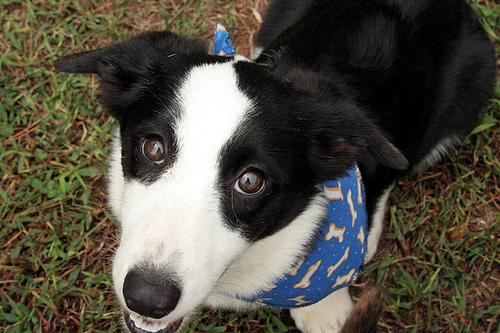
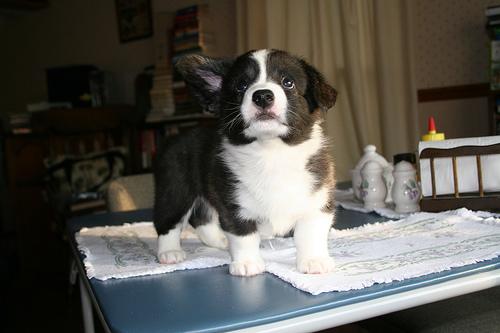
Yes — Corgis are a chondrodystrophic breed with high IVDD risk, and many also develop DM. The early signs, what prevention actually works, and when to act fast.
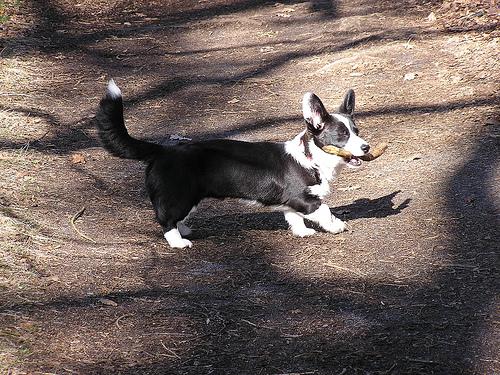
Can dogs take prednisone and gabapentin together? Yes — vets combine them for IVDD because each targets different pain. Full guide to safe combos.
Sling vs. harness vs. handle-harness for IVDD dogs — what I learned lifting Heidi daily and the picks that actually held up through recovery.
Facing an imaging bill for your dog's IVDD? Here's what each scan actually shows — and why your vet may not order one unless surgery is on the table.

When dachshunds typically develop IVDD, early warning signs by age, and prevention strategies through each life stage.
Grade 3 IVDD leaves dogs walking but severely wobbly. What week 1 vs. week 8 looks like — and when to escalate to a neurologist.
IVDD healing time ranges from 4 weeks to never fully — it depends on grade. What recovery actually looks like, stage by stage, from an owner who's been there.
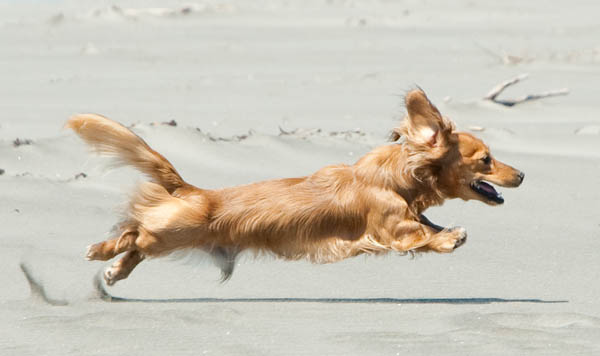
Stage 2 IVDD means pain + weakness but still walking. Here's a realistic week-by-week recovery timeline, milestones to track, and what I watch for.
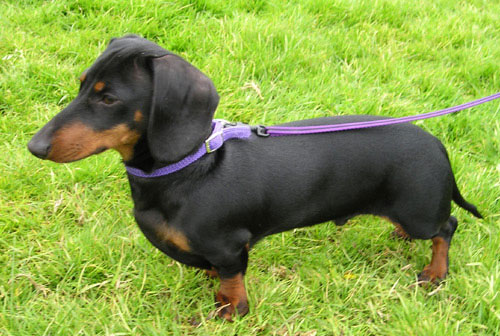
Stage 1 IVDD looks like a bad back day — but it can escalate fast. Here's what the week-by-week recovery actually looks like for mild cases.

Weight is the #1 IVDD diet issue — Heidi's daily meals, the anti-inflammatory foods we added, and what our vet told us to cut immediately.
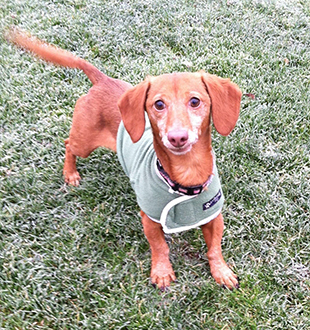
Senior IVDD care moves from recovery to comfort — managing pain, mobility decline, and quality of life when your dog crosses the 10-year mark.
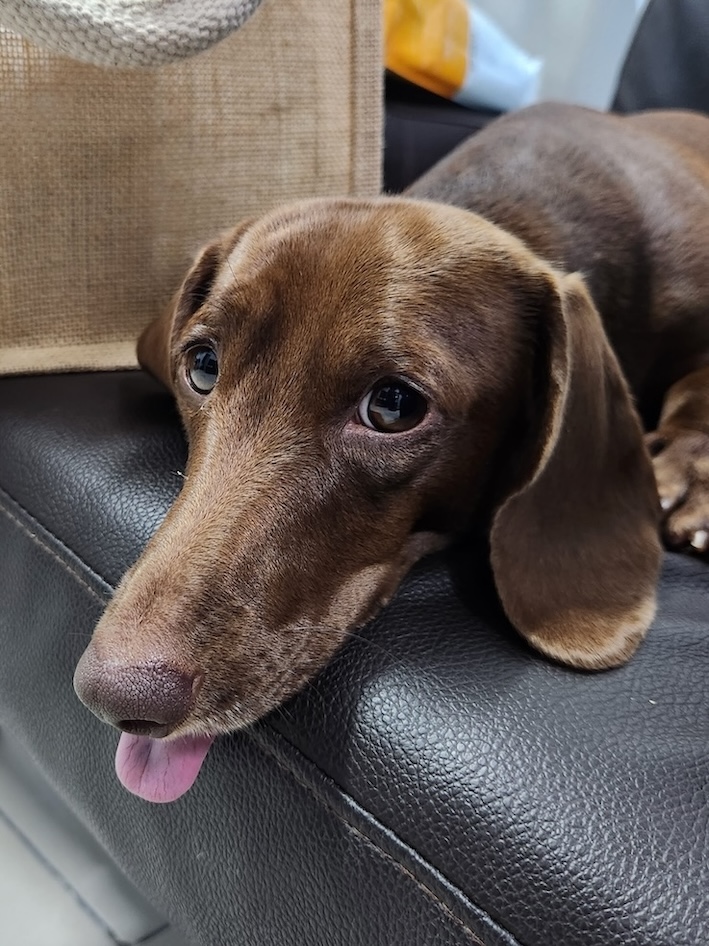
What does daily care for a paralyzed IVDD dog actually look like? A realistic routine covering bladder care, skin checks, meals, and wheelchair time.
Six weeks of crate rest and you're exhausted — but what does this milestone actually mean? What vets check, what changes, and what comes next.
Week 2 of IVDD recovery brings early nerve signs, crate fatigue & setbacks. What I watch for — and when small movements are actually huge wins.
Day-by-day what to expect in IVDD recovery's first week — meds, crate setup, bladder care, and what's normal. Based on Heidi's first week home.

Stairs are one of the top IVDD relapse triggers. Here's how I manage them with ramps, baby gates, and house rules that actually stick.
After Heidi's IVDD crisis, relapse was my biggest fear. These 5 daily habits and home rules are how I keep her spine safe — practical and doable today.

Realistic IVDD recovery timelines, prognosis factors by grade, and what I learned watching Heidi go from paralyzed to walking again.
The plateaus and bad days that are part of normal IVDD healing — and the 4 specific signs that mean call the vet today, not next week.
Passive range of motion, weight shifting, and knowing when to progress — what I learned doing IVDD rehab at home with Heidi, step by step.
How to manually express your IVDD dog's bladder at home — timing, technique, and warning signs every caregiver needs to know.
Real recovery odds by IVDD grade, what 'success' actually means after a hemilaminectomy, and the deep-pain factor that changes everything.
6–8 weeks of crate rest nearly broke us both. Here's what actually worked to keep Heidi calm, engaged, and mentally healthy during IVDD recovery.
Before you sign the consent form, ask these 12 questions. What I wish I'd known before Heidi's IVDD surgery — surgeon experience, risks, and real outcomes.

Realistic IVDD surgery cost ranges by procedure and region, plus what our own dog's care actually cost. Financial planning included.
Paralysis or screaming pain? Go now. Wobbly but walking? Maybe morning. A clear after-hours IVDD framework from an owner who lived it.
Your dog yelped and won't move — but is it IVDD or a muscle strain? The key signs I look for, and what to ask your vet right away.
The five IVDD stages in plain English — symptoms at each stage, what Stage 5 actually looks like, and recovery odds with and without surgery.

Wondering if your Stage 4 IVDD dog needs a wheelchair? Learn when to get one, what to look for, and how to help your dog adapt — from a real caregiver.
When an IVDD dog actually needs a cart, how to measure and fit one, and the brands caregivers recommend most — with realistic pricing.
Everything you need to know about crate rest for IVDD dogs — how long, how strict, and how to keep your dog calm and comfortable throughout.
The rugs, runners, and paw grips that protected Heidi's spine during recovery — ranked by cost, durability, and how well they grip on hardwood.
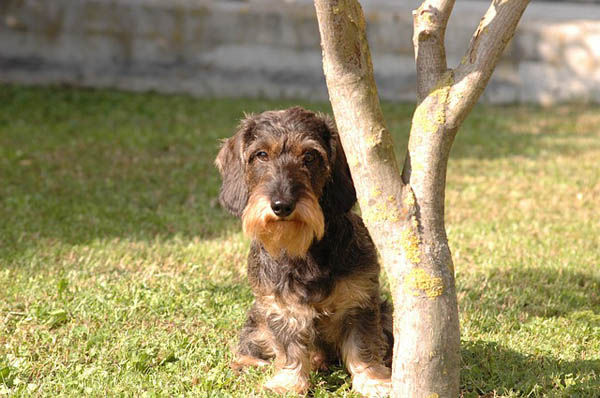
Learn how to care for a dog with IVDD long-term — from preventing relapses to managing mobility at home. Real caregiver advice for life after the acute phase.
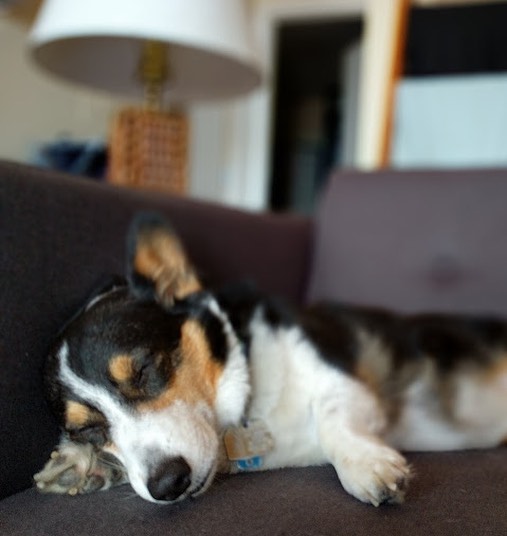
Caring for a dog with Stage 4 or 5 IVDD? This hands-on guide covers pain management, bladder care, mobility aids, and daily routines for paralyzed dogs.
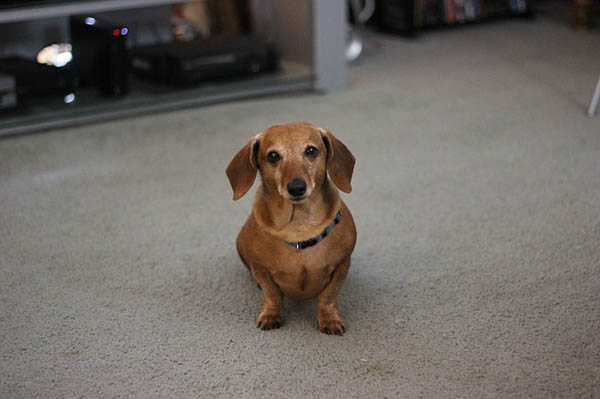
Heidi's IVDD taught me the right wheelchair timing matters. Here's how to read the signs, pick the right cart, and get your paralyzed dog moving again.
IVDD Grades 1–5 explained, when surgery is urgent vs. optional, recovery odds, and how we made the call for Heidi when minutes felt critical.
IVDD diagnosis today? What I did in Heidi's first 72 hours — grading explained, surgery vs. crate rest, home setup, medications, and red flags to watch for.
Crate rest, pain meds, and rehab for IVDD dogs when surgery isn't the answer — realistic recovery timelines and the day-to-day Heidi lived through.
Subtle IVDD warning signs owners miss — yelping when picked up, reluctance to jump, dragging toes — and the exact moment you need emergency vet care.
Heidi's IVDD recovery week by week — the critical first 48 hours, what week 4 actually looks like, and the relapse risks no one warned us about.

Is this a "go tonight" or "call in the morning"? The specific IVDD signs that mean rush to the ER now, plus what to tell the vet on the phone.

Your dog can't walk and you need to get to the vet — fast. How to lift, carry, and transport a dog with a suspected disc injury without making it worse.