When Hip Stiffness Is Worse After Rest
Morning stiffness that loosens up after a few minutes isn't just 'old age' — it's a specific pattern that points toward hip dysplasia. Here's what it means and…
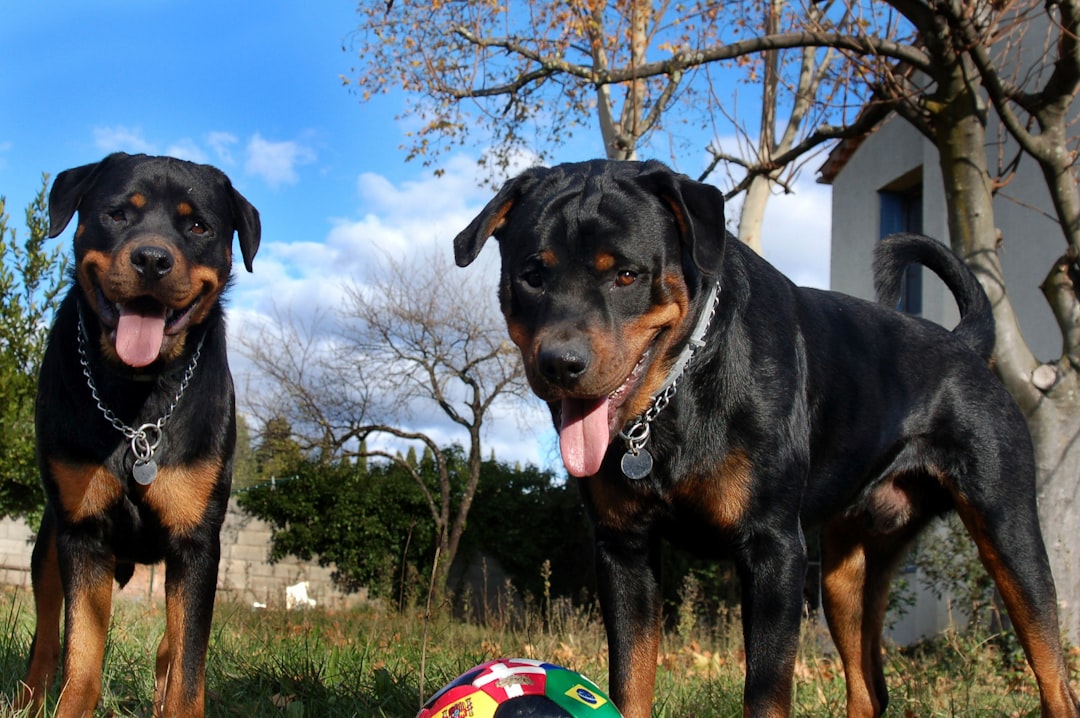
Photo by Theo Frundt on Unsplash
That morning shuffle your dog does before warming up is not just a quirky habit — it’s one of the most diagnostically useful observations you can bring to your vet.
If you’ve noticed your dog struggling to rise after naps, moving slowly for a minute or two, and then looking almost normal once they’ve taken a few steps, you’ve spotted something called post-rest stiffness. It has a name because it’s a real, recognized pattern — and in dogs with hip problems, it tells you a lot about what’s happening inside those joints.
Why Does Stiffness Get Worse After Rest?
Post-rest stiffness happens because of how joints behave when a dog stops moving. Every hip joint is bathed in synovial fluid, a slippery liquid that cushions the bones and keeps movement smooth. When your dog lies down for an hour, that fluid settles and its viscosity increases — it becomes thicker and less effective at lubricating. The first few steps redistribute that fluid and warm the joint, which is why dogs often appear dramatically better after just a minute or two of walking.
In a healthy hip with normal cartilage and a well-fitting ball-and-socket joint, this process is barely noticeable. But when a dog has hip dysplasia — where the hip socket is shallow or the joint fits loosely — the cartilage breaks down over time and the joint surfaces become irregular. Inflamed, poorly fitting joints feel that fluid pooling much more acutely. The result is visible stiffness that improves with movement, almost like clockwork.
This warm-up effect is actually one of the things that helps distinguish joint pain from other causes of mobility problems. Dogs with spinal nerve compression or neurological issues, for example, don’t typically show the same “stiff then better” pattern. They may be consistently weak or uncoordinated regardless of activity level. Post-rest stiffness that reliably loosens up is a joint signal.
- Slow, hunched rise from lying down or sleeping
- Reluctance to put full weight on one or both rear legs for the first minute or two
- Short, choppy steps at first that gradually lengthen
- Noticeably worse in cold weather or after long periods of rest
- Returns after another rest period — you’ll see the same pattern every time
Is This Pattern Actually Specific to Hip Dysplasia?
Post-rest stiffness is strongly associated with hip dysplasia, but it isn’t exclusive to it. The same pattern can show up with elbow dysplasia, generalized osteoarthritis, and lumbosacral disease (a condition affecting the joints at the base of the spine). In medium and large breeds especially, hip dysplasia is one of the most common underlying causes — according to the Orthopedic Foundation for Animals, hip dysplasia affects a significant percentage of many large breeds, making it a leading suspect when rear-end stiffness follows this pattern.
What makes the observation valuable is that it narrows the field. When you tell your vet “he’s stiff every morning and every time he gets up from a nap, but after two or three minutes he looks fine,” you’ve handed them a clinical clue they can actually use. That’s more actionable than “he seems uncomfortable sometimes.”
What Else Could Cause the Same Pattern?
A few other conditions can mimic post-rest stiffness:
- Osteoarthritis in other joints: Elbow or shoulder arthritis produces similar warm-up stiffness, though it typically shows in the front legs
- Lumbosacral disease: Affects the lower spine and can cause rear-end stiffness and reluctance to rise — worth ruling out alongside hip dysplasia
- Panosteitis: In young large-breed dogs, this growing-pain condition causes shifting lameness that can look like joint stiffness
Your vet will use physical examination, gait observation, and X-rays to sort out which is which. For an overview of how to spot pain signs specific to hip problems, the article on how to tell if your dog is in pain from hip dysplasia goes into more detail.
How Do I Know If My Dog’s Stiffness Is Getting Worse?
Track whether the warm-up period is lengthening. Early on, a dog might be stiff for 30 seconds and then look completely normal. As joint degeneration progresses, that window tends to extend — first a minute, then five minutes, then dogs who barely warm up at all. The stiffness also tends to become more visible: you go from a slightly slow rise to a dog who genuinely struggles to get off the floor.
Other signs that the joint situation is worsening:
- Reluctance to use stairs or jump: Hip dysplasia dogs often stop jumping on furniture or avoid steps before owners realize why
- Bunny hopping: Using both rear legs together rather than alternating steps — a compensatory gait that reduces single-hip loading. (See more on this at the bunny hopping in dogs article.)
- Muscle loss over the hindquarters: Visible asymmetry or thinning in the thigh muscles from reduced use
- Behavioral changes: Reluctance to play, irritability when touched near the hips, or snapping when normally that’s out of character
- Stiffness lasting more than 5–10 minutes after rising
- Visible leg dragging or toe-knuckling (may indicate nerve involvement, not just joint pain)
- Sudden worsening after stable symptoms
- Crying out when lying down or getting up
- Loss of appetite or significant behavior change alongside the stiffness
What Owners Can Do Right Now
Before your vet appointment, start keeping a short log. Note the time of day the stiffness occurs, how long it lasts, which legs are affected, and whether you see any other changes like limping or gait changes. A two-week log is far more useful than a vague memory of “I’ve noticed it for a while.”
Beyond observation, there are practical things that genuinely help a dog with post-rest hip stiffness day-to-day:
- Supportive bedding: An orthopedic memory foam bed reduces pressure on hip joints during rest and can make rising easier. It doesn’t fix the underlying issue, but it makes rest more comfortable and the transition to movement less jarring.
- Gentle movement before long rest periods: Short leash walks in the morning help warm joints before your dog settles into a nap
- Weight management: Extra body weight puts direct mechanical stress on already compromised hip joints. Even modest weight reduction can meaningfully reduce stiffness and pain, which is why diet and weight management for hip dysplasia is one of the most impactful things you can start immediately
- Consistent low-impact exercise: Short, regular walks on even ground are generally better than infrequent bursts of intense activity
- Keep a daily log: time, duration, which legs, severity (mild/moderate/severe)
- Note temperature correlation — is stiffness worse on cold mornings?
- Video a stiff episode if you can; vets find video footage extremely helpful
- Weigh your dog if possible — this information matters for dosing and management planning
A memory foam dog bed is one of the most straightforward quality-of-life changes you can make while you’re working through diagnosis and treatment planning — it won’t change what’s happening in the joint, but reducing hard-floor pressure during sleep is a simple, immediate win.
Related Reading
- Signs of Hip Dysplasia in Adult Dogs
- How to Tell If Your Dog Is in Pain From Hip Dysplasia
- Diet & Weight Management for Hip Dysplasia Dogs
Post-rest stiffness is one of those things that’s easy to dismiss as “just getting older” — and I understand why owners do that. The dog seems fine after a few minutes, so you tell yourself it’s nothing. But that pattern, the stiffness that reliably improves with movement, is your dog’s body telling you something specific. Bring that observation to your vet. It’s not nothing. It’s a starting point.
Frequently Asked Questions
Why is my dog stiff after lying down but fine after a few minutes?
This pattern — stiffness after rest that improves with movement — is called post-rest stiffness, and it’s a hallmark sign of joint problems like hip dysplasia or arthritis. When a dog rests, synovial fluid (the joint’s natural lubricant) settles and thickens. Movement redistributes it, which is why dogs loosen up quickly once they get going.
Is morning stiffness in dogs always a sign of hip dysplasia?
Not always — arthritis, lumbosacral disease, and other joint conditions can cause the same pattern. Hip dysplasia is one of the most common culprits, especially in medium to large breeds, but a vet examination and X-rays are needed to identify the underlying cause.
At what age does post-rest stiffness from hip dysplasia typically appear?
It depends on the dog. Puppies with severe hip laxity may show signs as young as 4–6 months. In many dogs, especially those with milder joint changes, the stiffness pattern becomes noticeable in middle age as secondary arthritis develops in the hip joint.
What should I tell my vet when I describe my dog’s post-rest stiffness?
Note how long the stiffness lasts (seconds vs. minutes), which legs are affected, whether it’s worse in cold weather, and whether your dog is reluctant to lie down or get up. Timing and specific observations give your vet far more to work with than a general “he seems stiff sometimes.”
This guide is based on real experience and should be used alongside professional veterinary care. Always consult your veterinarian before starting any new treatment or making changes to your dog’s care plan.