Hip Dysplasia Surgery in Dogs: TPO, FHO & THR Compared
TPO, FHO, and THR explained in plain language — typical costs, recovery timelines, and how to choose the right surgery for your dog's age and size.
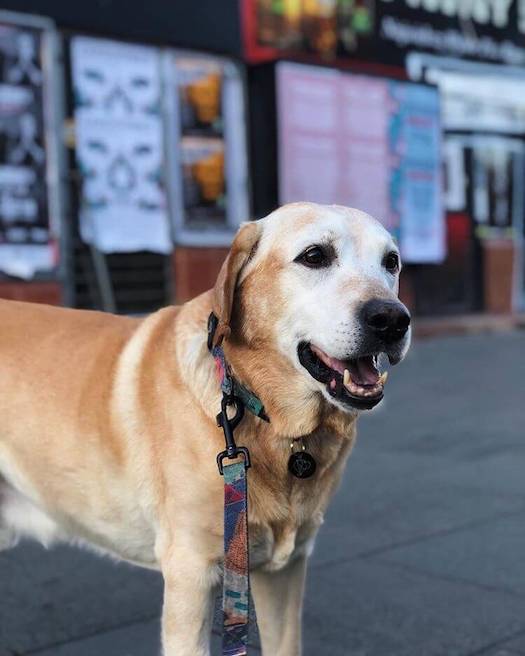
Surgery for hip dysplasia can feel like a terrifying decision, but understanding your options takes a lot of the fear out of it.
If you’re sitting with a hip dysplasia diagnosis and your vet has mentioned surgery, you’re probably overwhelmed. I hear from so many caregivers in that exact spot, drowning in terminology they’ve never encountered before, trying to decide what’s right for their dog. This guide is my attempt to translate the medical language into something you can actually use.
First, the honest truth: surgery isn’t always the answer. But when it is, knowing what you’re choosing between makes an enormous difference.
What Are the Main Surgery Options?
There are three procedures that come up most often in hip dysplasia conversations. Which one a surgeon recommends depends on your dog’s age, size, severity of the condition, and whether arthritis has already set in.
TPO — Triple Pelvic Osteotomy
What it is: The surgeon cuts the pelvis in three places and rotates the socket (acetabulum) to better cover the femoral head (the ball of the joint). This creates a more stable hip.
Best for: Young dogs (typically under 10 months) before significant arthritis has developed. The idea is to correct the joint mechanics early enough that arthritis is slowed or prevented.
The catch: The window for this surgery is narrow. Once moderate arthritis sets in, TPO is no longer appropriate. From what I’ve seen in the disabled dog community, many owners don’t get a diagnosis until symptoms appear, which can mean missing that window.
FHO — Femoral Head and Neck Ostectomy
What it is: The surgeon removes the femoral head and neck entirely. The ball is taken out of the ball-and-socket joint, and the body forms a “false joint” over time, supported by surrounding muscles.
Best for: Dogs in significant pain where the joint is beyond saving, or dogs where total hip replacement isn’t feasible financially or medically. It’s more accessible than THR because many general veterinary surgeons perform it.
What to expect: FHO outcomes are generally better in smaller and lighter dogs. Larger dogs can still do well, but muscle conditioning before and after surgery matters a lot. Physical therapy is a key part of recovery, because without it, the false joint doesn’t develop as effectively.
THR — Total Hip Replacement
What it is: The damaged joint is replaced with implants: a prosthetic ball and socket, similar in concept to the human procedure.
Best for: Dogs of any age with significant hip dysplasia and pain, where the goal is restoring as close to normal joint function as possible.
What to expect: THR is widely considered the gold standard for hip dysplasia surgery, according to veterinary orthopedic specialists. It requires a board-certified veterinary surgeon and tends to carry a higher cost. Recovery involves strict exercise restriction in the early weeks to protect the implant while bone integrates around it.
- TPO: Best for young dogs, before arthritis sets in — preventive rather than corrective
- FHO: Removes the problem joint entirely — widely available, lower cost, very weight-dependent outcomes
- THR: Replaces the joint — gold standard, highest function potential, requires specialist
How Do I Know If My Dog Actually Needs Surgery?
This is the question I get most often, and honestly, it’s the right one to ask first. Surgery isn’t automatically the next step after diagnosis.
Many dogs (especially those with mild to moderate hip dysplasia) are managed well long-term without surgery. A combination of weight management (which directly reduces stress on the joint), pain medication, physical therapy, and joint supplements can give a dog years of comfortable life. I’ve talked to owners whose dogs lived happily to old age on conservative management alone.
The indicators that surgery is worth serious consideration include:
- Failed conservative management: Pain isn’t controlled despite medication and lifestyle changes
- Severe structural damage: Imaging shows significant joint incongruity that won’t respond to conservative care
- Young dog, early catch: A puppy under 10 months with good radiographic findings may be a candidate for TPO before arthritis starts
- Quality of life decline: Your dog is reluctant to move, sleeping more, losing muscle mass, or showing behavioral changes from chronic pain
If you’re not at that point yet, the hip dysplasia management strategies guide is a good place to start thinking through non-surgical options.
- Yelping or crying when getting up or lying down
- Refusing stairs, jumping, or surfaces they previously managed
- Visible muscle wasting in the hindquarters
- Limping that worsens despite rest and medication
- Loss of interest in normal activities
What Does Recovery Actually Look Like?
Recovery from hip dysplasia surgery is a real commitment, for your dog and for you.
Immediately post-surgery: Expect restricted activity, pain management medication, and possibly an e-collar to prevent licking. The first week at home is often the hardest. Your dog won’t understand why they can’t move normally, and managing their frustration while also managing their pain takes patience.
Physical therapy: This is where I see caregivers make the biggest difference. Rehab (whether with a certified canine rehabilitation therapist or guided exercises at home) is not optional for a good outcome. It’s especially critical after FHO, where the muscles literally build the new joint. The physical therapy for hip dysplasia dogs guide goes deeper on what that looks like.
Typical timelines (these vary and your surgeon’s guidance takes priority):
- FHO: Restricted activity for 6–8 weeks, with gradual return to normal over 12+ weeks
- TPO: Often 6–8 weeks of strict restriction, followed by gradual reintroduction
- THR: Strict exercise restriction for 8–12 weeks, full recovery potentially 4–6 months
Weight management during recovery cannot be overstated. Every extra pound puts more stress on a healing joint, or on the muscles forming a false joint after FHO. If your dog came into surgery carrying extra weight, your rehab plan needs to include a feeding adjustment. There’s a full breakdown in the diet and weight management guide for hip dysplasia dogs.
- Ask your vet for a referral to a canine rehabilitation therapist before surgery if possible
- Start muscle-conditioning exercises pre-surgery if your dog’s pain allows
- Prepare your home: non-slip surfaces, a comfortable resting area, baby gates to restrict stairs
- Line up your support system — recovery care is intensive in the first few weeks
The Financial Reality
I’d be doing you a disservice not to mention cost, because it matters and it’s okay to factor it into the decision.
FHO is generally the most affordable of the three surgical options, which is one reason it’s common. THR involves specialist fees, implant costs, and often post-operative imaging, and it’s significantly more expensive. TPO falls somewhere in between.
Costs vary by region, dog size, and facility. If cost is a barrier, talk to your vet honestly. Many practices offer payment plans or can refer you to a veterinary school hospital where costs may be lower. This isn’t a decision to make based on cost alone, but it’s a real part of the conversation.
- Sudden worsening of lameness after initial improvement
- Swelling, warmth, or discharge at the incision site
- Fever, lethargy, or loss of appetite
- Signs of extreme pain: panting, shaking, inability to get comfortable
From everything I’ve seen and heard from other owners who’ve been through hip dysplasia surgery, the dogs who do best are the ones whose humans committed to the full recovery plan, not just the surgery itself. The procedure gets you there; the rehab is what keeps you there.
Related reading
- Hip Dysplasia Home Care: Comfort, Exercise & Diet
- Diet & Weight Management for Hip Dysplasia Dogs
- Hip Dysplasia Management: Treatment & Lifestyle Guide
- How to Tell If Your Dog Is in Pain From Hip Dysplasia
Frequently Asked Questions
Is surgery always necessary for hip dysplasia in dogs?
No — many dogs with mild to moderate hip dysplasia are managed successfully with pain medication, weight control, physical therapy, and joint supplements. Surgery is typically considered when conservative management is no longer controlling pain or when structural changes are caught early enough to benefit from preventive procedures.
What is the most common hip dysplasia surgery for dogs?
FHO (Femoral Head and Neck Ostectomy) is one of the most widely performed because it’s accessible to general veterinary surgeons and doesn’t require an implant. Total hip replacement is considered the gold standard for restoring function but is more expensive and requires a board-certified specialist.
How long does recovery from hip dysplasia surgery take?
Recovery varies by procedure. FHO typically involves 8–12 weeks of restricted activity and physical therapy, though full muscle development can take longer. Total hip replacement recovery tends to be more structured, often 8–16 weeks before normal activity resumes, with strict exercise restrictions in the early weeks.
Can a dog live a normal life after hip dysplasia surgery?
Many dogs return to comfortable, active lives after surgery, especially with THR. FHO dogs often do very well too, particularly smaller and lighter dogs. Outcomes depend on the dog’s size, age, muscle condition at the time of surgery, and how well post-operative rehabilitation is managed.
This guide is based on real experience and should be used alongside professional veterinary care. Always consult your veterinarian before starting any new treatment or making changes to your dog’s care plan.