Hip Dysplasia in Puppies: Early Signs to Watch For
Learn the early signs of hip dysplasia in puppies and young dogs — what to look for, when to see a vet, and what to do if you suspect it early.
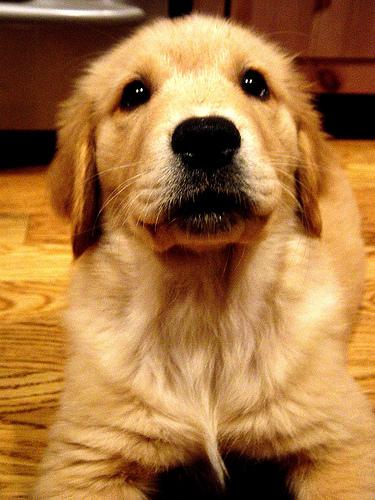
Catching hip dysplasia early in a puppy can make a real difference in how well they live, but the early signs are easy to miss if you don’t know what you’re looking for.
Most people picture hip dysplasia as an old dog problem. A stiff senior Labrador struggling to get up from the floor. But the truth is, the joint abnormality that causes hip dysplasia starts developing during puppyhood (sometimes as early as four months old), and the window for the most impactful early intervention is right there, if you know what to watch for.
From what I’ve seen in the disabled dog community, a lot of families look back and realize they noticed something months before a diagnosis: a slight wobble, a preference for sitting with legs splayed, a puppy who tired out faster than expected. They just didn’t know what they were seeing.
This article is about changing that.
What Exactly Is Hip Dysplasia?
Hip dysplasia means the hip joint didn’t form properly. Instead of a tight ball-and-socket joint where the femoral head (the ball) fits snugly into the acetabulum (the socket), the joint is loose or shallow. That looseness causes abnormal movement, wear, and eventually, almost inevitably, painful arthritis.
It’s most common in large and giant breeds: German Shepherds, Golden Retrievers, Labrador Retrievers, Rottweilers, Great Danes. But medium breeds and even some smaller dogs can develop it too.
The condition is largely genetic, but according to the Merck Veterinary Manual, environmental factors like rapid growth, excess weight gain, and inappropriate exercise during development can worsen the severity of the disease even in genetically predisposed dogs.
What Are the Early Signs in Puppies?
This is where it gets tricky. Young dogs are resilient and often compensate well, they just quietly adjust their movement to protect what hurts. That’s why early hip dysplasia can look like a dozen other things.
Here’s what to watch for:
- “Bunny hopping” gait: Instead of moving each rear leg independently, the puppy pushes off with both hind legs together, like a bunny’s jump. This is one of the most telling early signs.
- Swaying back end: A waddling or rocking motion in the hindquarters, especially at a trot.
- Reluctance to climb stairs or jump: A puppy who hesitates, avoids, or seems fearful of steps or getting up onto furniture they previously managed easily.
- Sitting with legs splayed: Sometimes called the “frog sit” (rear legs pushed out to the sides instead of tucked under the body). This is a natural way to relieve pressure on a loose hip joint.
- Difficulty rising: Struggling or slowly heaving themselves up after lying down, especially after rest.
- Reduced activity or early fatigue: A puppy who wants to stop playing before the other dogs, or who lags on walks.
- Muscle asymmetry: The hindquarters may appear thinner or less developed than the front of the body, as the dog unconsciously shifts weight forward.
- Visible limping that doesn’t resolve after a day of rest
- Yelping or whimpering when touched on the hip area or lower back
- Complete unwillingness to bear weight on a rear leg
- Any of the signs above in a puppy under six months old
How Is It Diagnosed in Young Dogs?
Diagnosis is confirmed through X-rays. Your vet will take radiographs of the hip joint to assess how well the femoral head sits in the socket and to look for signs of joint laxity or early arthritic change.
In puppies specifically, a technique called the PennHIP method (developed at the University of Pennsylvania) can identify hip laxity in dogs as young as 16 weeks, well before symptoms become obvious. If you have a high-risk breed, it’s worth asking your vet about this, even as a screening tool before any symptoms appear.
Some breeders of affected breeds screen breeding pairs using OFA (Orthopedic Foundation for Animals) evaluations. If your puppy came from a responsible breeder, ask whether the parents were evaluated.
- Large and giant breeds: German Shepherd, Golden Retriever, Labrador, Rottweiler, St. Bernard, Great Dane
- Medium breeds with known risk: Bulldogs, Pugs, Springer Spaniels
- Any puppy from an unscreened breeding pair in a predisposed breed
- Dogs showing gait changes before 12 months old
What Can You Actually Do If You Catch It Early?
Finding hip dysplasia in a young dog isn’t a death sentence for their quality of life, not even close. Early diagnosis opens the door to interventions that are much harder to implement once significant joint damage has occurred.
Weight management is the single most impactful thing you can do. Extra body weight puts direct mechanical stress on already-compromised joints. Keeping a growing puppy lean (not thin, but lean) reduces the wear happening with every step. You can read more about managing diet alongside mobility conditions in our diet and weight management guide for hip dysplasia dogs.
Exercise modification comes next. The goal is to build strong supporting muscles without hammering fragile joints. Short leash walks on soft surfaces, gentle swimming, and controlled movement are generally recommended. Fetch, jumping, rough play, and long runs on hard surfaces are the things to pull back on, especially during active growth.
Physical therapy is genuinely valuable this early. A certified canine rehabilitation therapist can design a program to strengthen the muscles around the hip. The better those muscles support the joint, the less stress the bones absorb. Our physical therapy guide for hip dysplasia dogs walks through what that typically involves.
Joint supplements like glucosamine and omega-3 fatty acids are widely used in young dogs with hip dysplasia. The evidence is mixed, but many rehab specialists consider them a low-risk addition to a comprehensive management plan. For an honest breakdown, our joint supplements guide covers what the research does and doesn’t support.
- Book an X-ray and confirm the diagnosis — don’t wait for symptoms to worsen
- Ask for a referral to a canine rehabilitation therapist
- Begin weight monitoring and switch to an appropriate large-breed puppy food if needed
- Discuss pain management options with your vet before symptoms become severe
Does an Early Diagnosis Always Mean Surgery?
Not necessarily. Many dogs, even those diagnosed young, are managed successfully without surgery for years. Surgical options do exist (including juvenile pubic symphysiodesis, triple pelvic osteotomy, and total hip replacement depending on age and severity), and some of these are actually more effective because they’re done early, before the joint degenerates.
But surgery isn’t the automatic next step after diagnosis. Your vet will consider the severity of the joint laxity, the dog’s age, their symptoms, and how they respond to conservative management first. The hip dysplasia management strategies guide goes deeper into how those decisions are typically made.
What I’d encourage you to do if you’ve just gotten a diagnosis is to breathe, ask your vet a lot of questions, and know that you have real options ahead of you.
A puppy diagnosis of hip dysplasia is hard news to absorb. You were hoping for years of carefree running and playing, and now you’re suddenly reading about joint laxity and gait analysis. But the caregivers I’ve spoken with who caught this early, who started the weight management and the rehab and the gentle exercise modifications before things got bad, those are the ones whose dogs are still hiking and swimming and living full lives years later. Early isn’t too late. Early is actually the best time.
This guide is based on real experience and should be used alongside professional veterinary care. Always consult your veterinarian before starting any new treatment or making changes to your dog’s care plan.
Related reading
- Diet & Weight Management for Hip Dysplasia Dogs
- Hip Dysplasia Home Care: Comfort, Exercise & Diet
- Hip Dysplasia Management: Treatment & Lifestyle Guide
- Hip Dysplasia Surgery: Options & What to Expect
Frequently Asked Questions
At what age can hip dysplasia show up in puppies?
Signs can appear as early as four months old, though many dogs aren’t diagnosed until they’re one to two years of age. Some dogs don’t show obvious symptoms until middle age, when arthritis from the underlying joint laxity catches up with them.
Can a puppy grow out of hip dysplasia?
No. Hip dysplasia is a structural condition that doesn’t resolve on its own. However, early intervention, weight management, and appropriate exercise can significantly slow the progression of joint damage and keep your dog comfortable for much longer.
Should I avoid exercise if my puppy has hip dysplasia?
Not entirely. Low-impact movement like leash walks and gentle swimming is generally encouraged to build supporting muscle. What you want to avoid is high-impact repetitive activity like jumping, running on hard surfaces, or rough play, especially during growth phases.
Is hip dysplasia always inherited, or can it develop on its own?
Hip dysplasia has a strong genetic component, but environmental factors like rapid weight gain, overfeeding, and excessive high-impact exercise during puppyhood can worsen or accelerate it. Genetics loads the gun, but lifestyle can pull the trigger.