Signs of Hip Dysplasia in Adult Dogs
Hip dysplasia in adult dogs often looks like 'slowing down.' Here's how to tell normal aging from real joint damage — and what signs to act on now.
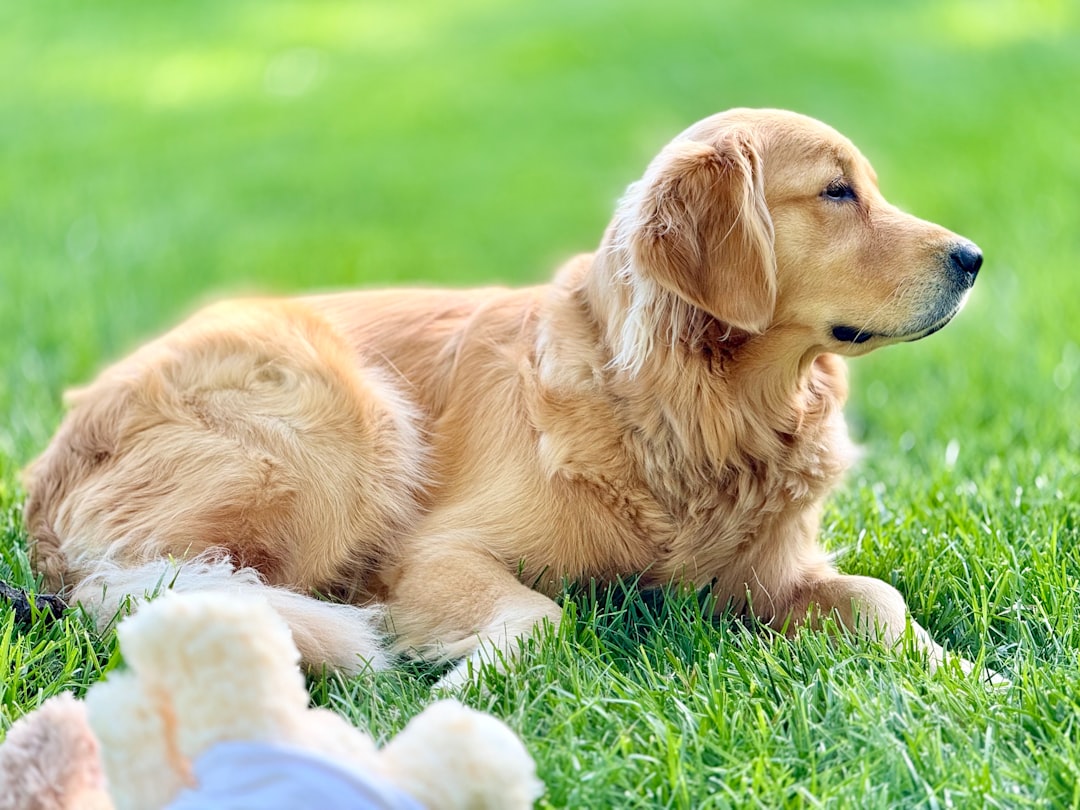
Photo by David Todd McCarty on Unsplash
The signs of hip dysplasia in adult dogs are easy to miss — not because they’re subtle, but because they look almost exactly like a dog “slowing down with age.”
The tricky thing about hip dysplasia in adult dogs is that the condition rarely announces itself. There’s no sudden yelp, no dramatic collapse. What you get instead is a dog who used to bound up the porch steps and now hesitates at the bottom. A dog who sleeps a little longer than they used to. A dog who seems “fine” but also somehow isn’t quite themselves. I’ve heard this described by so many caregivers in the disabled dog community, and the pattern is almost always the same: they wish they’d connected the dots sooner.
This article focuses specifically on adult dogs. If you’re concerned about a younger dog or puppy, the Hip Dysplasia in Puppies: Early Signs to Watch For article covers that developmental picture separately.
What Does Hip Dysplasia Actually Feel Like for a Dog?
Hip dysplasia is a condition where the hip joint doesn’t fit together properly. The femoral head (the ball at the top of the thigh bone) and the acetabulum (the socket in the pelvis) should fit snugly and move smoothly. In a dysplastic hip, that fit is loose, shallow, or malformed — which means the joint grinds, shifts, and inflames instead of gliding cleanly. Over time, the body lays down extra bone in an attempt to stabilize the joint, and that’s when arthritis sets in.
For the dog living with it, this means chronic discomfort that ranges from mild stiffness to significant pain, depending on how far things have progressed. The Orthopedic Foundation for Animals maintains breed-specific data on hip dysplasia prevalence and has documented that the condition affects a wide range of breeds well into adulthood, not just as a puppy problem.
The 7 Signs of Hip Dysplasia in Adult Dogs
These signs don’t all appear at once. In most adult dogs, you’ll spot one or two first, then others follow as the condition progresses.
- Bunny hopping at a trot — Instead of moving each back leg independently, the dog swings both hind legs forward together, like a rabbit. This is a compensation pattern that offloads weight from painful hips.
- Stiffness after rest that improves with movement — Your dog gets up from a nap looking creaky, walks it off after a few minutes, and seems almost normal. This “warm-up” pattern is a classic sign of joint disease.
- Reluctance to jump, climb stairs, or get into the car — Activities that require the hindquarters to bear sudden load become uncomfortable. Many owners notice their dog standing at the base of the stairs or the sofa, clearly wanting to get up but not going for it.
- Visible muscle loss over the hindquarters — The muscles around a painful joint tend to shrink over time because the dog uses them less. You might notice the back end looks narrower or the thighs look less filled out than they once did.
- Swaying or dropping in the rear when walking — From behind, a dog with hip dysplasia may look like they’re waddling slightly, with the pelvis dropping on one side or both with each step.
- Reduced activity and shorter willingness to walk — The dog simply does less. Shorter walks, less interest in play, more time lying down. This one is easy to chalk up to personality or age, which is why it’s the sign people most often miss.
- Occasional hind-leg lameness or limping — This may come and go, especially after exercise, cold weather, or a longer-than-usual outing. A limp that appears, fades, and then reappears is worth taking seriously.
- Sudden inability to rise from a lying position
- Crying out when the hip area is touched or manipulated
- Back legs giving way or collapsing during a walk
- Significant lameness that doesn’t improve after a day of rest
Why Adult-Onset Signs Are So Easy to Miss
Adult dogs with hip dysplasia often develop symptoms slowly, across months or years. The dog adjusts their movement patterns without you — or them — fully registering the shift. They stop jumping on the bed. You assume they’ve just gotten older or less interested. They start sitting with one leg extended to the side rather than tucked under. You don’t notice because it’s not dramatic.
From what I’ve seen and heard from other owners, the “aha” moment often comes at a routine vet visit, or when someone who hasn’t seen the dog in a while comments that they’re moving differently. By that point, the arthritis is usually already there.
The condition can also fluctuate. Cold, damp weather tends to worsen joint pain. So does a run at the dog park after weeks of quieter activity. These flare-ups are genuinely painful, but because they resolve, owners often talk themselves out of the significance.
- Large and giant breeds: German Shepherds, Golden Retrievers, Labrador Retrievers, Rottweilers, Great Danes
- Some medium breeds: Bulldogs, Pugs, Staffordshire Bull Terriers
- Hip dysplasia can affect any breed — size is a risk factor, not a guarantee
How Is Hip Dysplasia Diagnosed in an Adult Dog?
A diagnosis requires a physical exam and X-rays — there’s no shortcut. Your vet will manipulate the hip joints to assess range of motion, looseness, and pain response. X-rays show the shape of the socket, the positioning of the femoral head, and whether arthritis has begun to develop.
What I’ve learned from talking to rehab therapists and other caregivers is that owners sometimes put off this appointment because they’re afraid of what they’ll find. But earlier diagnosis means more management options, including physical therapy and weight management before severe arthritis sets in. Waiting doesn’t protect your dog; it just narrows the window.
If your vet suspects hip dysplasia but the initial X-rays are inconclusive, a referral to a veterinary orthopedic specialist is a reasonable next step.
Does the Gait Change Look Different From Arthritis or Other Conditions?
Hip dysplasia and arthritis are closely linked — dysplasia causes the abnormal wear that leads to arthritis, so many adult dogs have both simultaneously. The movement pattern that distinguishes hip dysplasia most clearly is the bunny hop, which tends to be more pronounced in dysplasia than in generalized arthritis.
It’s also worth knowing that back pain from spinal disease can look similar to hip pain from a distance. A dog that’s stiff in the hindquarters might have IVDD or another spinal condition rather than, or in addition to, hip dysplasia. Your vet’s physical exam helps sort these apart, and sometimes imaging of both the spine and the hips is needed.
A rear-support harness like the Help ‘Em Up Harness is something many caregivers find useful for dogs who are already struggling to rise or walk, while they’re working through diagnosis and building a management plan.
- Video your dog walking away from you and trotting — short clips are invaluable for your vet
- Note when stiffness is worst (after rest? after exercise? in cold weather?)
- Weigh your dog — even modest excess weight significantly increases joint stress
- Book a vet appointment; don’t wait for the limp to become constant
Related Reading
- How to Tell If Your Dog Is in Pain From Hip Dysplasia
- Hip Dysplasia Management: Meds, Supplements & Lifestyle
- Hip Dysplasia in Puppies: Early Signs to Watch For
If your dog is doing slightly less than they were six months ago, and you’ve been telling yourself it’s just age, it might be worth asking whether the hips are the reason. That quiet, gradual doing-less is exactly how hip dysplasia tends to show up in adult dogs. You know your dog better than anyone — trust what you’re seeing.
Frequently Asked Questions
Can hip dysplasia show up suddenly in an adult dog?
Hip dysplasia itself develops gradually, but symptoms can appear to come on suddenly — often because the joint has been compensating quietly for months or years. A cold snap, a long hike, or a weight gain of just a few pounds can tip a compensated hip into obvious pain. The underlying joint change was already there; the trigger just made it visible.
What is the earliest sign of hip dysplasia in adult dogs?
The most commonly overlooked early sign is reluctance to do things the dog previously did willingly — jumping onto the sofa, using stairs, or getting up after a nap. Many owners read this as the dog “just getting older.” A subtle shift in gait, where the dog swings both back legs forward together in a bunny-hop at a trot, is another early clue worth noting.
Is hip dysplasia painful for dogs?
Yes, hip dysplasia causes real pain, though dogs are often good at masking it. The pain comes from the abnormal fit between the femoral head and the hip socket, which causes friction, inflammation, and over time, arthritis. You may notice your dog panting more than usual, sleeping more, or becoming less interested in play — all of which can be signs of chronic pain.
Can a dog live well with hip dysplasia?
Many dogs with hip dysplasia live comfortable, active lives with the right management. Weight control, appropriate exercise, pain medication, and physical therapy all play a role. Some dogs eventually benefit from surgery. The key is catching and treating it before the arthritis becomes severe — which is exactly why recognizing the early signs matters.
This guide is based on real experience and should be used alongside professional veterinary care. Always consult your veterinarian before starting any new treatment or making changes to your dog’s care plan.