Must Read
Best Emergency Vet Hospital? Why Wait Time Matters Most
In a real emergency, the 'best' vet hospital is the one that can see your dog soonest. Here's the call-around strategy I'd use if Heidi went down today.
Complete guides to managing hip dysplasia in dogs — treatment options, pain relief, safe exercise, home care, and long-term quality of life.
If your puppy bunny-hops when running, or your adult dog has started sitting crooked and resisting the car, this hub is a good place to start. Hip dysplasia is a malformed ball-and-socket joint. It can show up at five months or stay quiet until middle age, and how it behaves depends heavily on when it appears.
The first set of decisions is diagnostic. When to X-ray, whether sedation is needed, and what the mild, moderate, and severe grades actually predict. Next comes the treatment fork. Some dogs are candidates for surgery, and TPO, FHO, and total hip replacement suit different ages and sizes. Others do well with conservative care: weight control, physical therapy, pain medication, and supplements. Over the long run, owners of both groups end up managing flare-ups, choosing between ramps and stairs, and learning to read pain a dog is good at hiding.
Start with these:
In a real emergency, the 'best' vet hospital is the one that can see your dog soonest. Here's the call-around strategy I'd use if Heidi went down today.
A hip dysplasia diet starts with calories, not supplements. What I've learned from caregivers and vets about weight loss, omega-3s, and joint nutrition.
Stem cell therapy for hip dysplasia dogs — what the procedure involves, realistic outcomes, costs of $2,000–$5,000, and what caregivers should know first.
Wheelchairs, slings, and braces for hip dysplasia dogs — what each aid does, when to start, and how to introduce a cart without frustration.
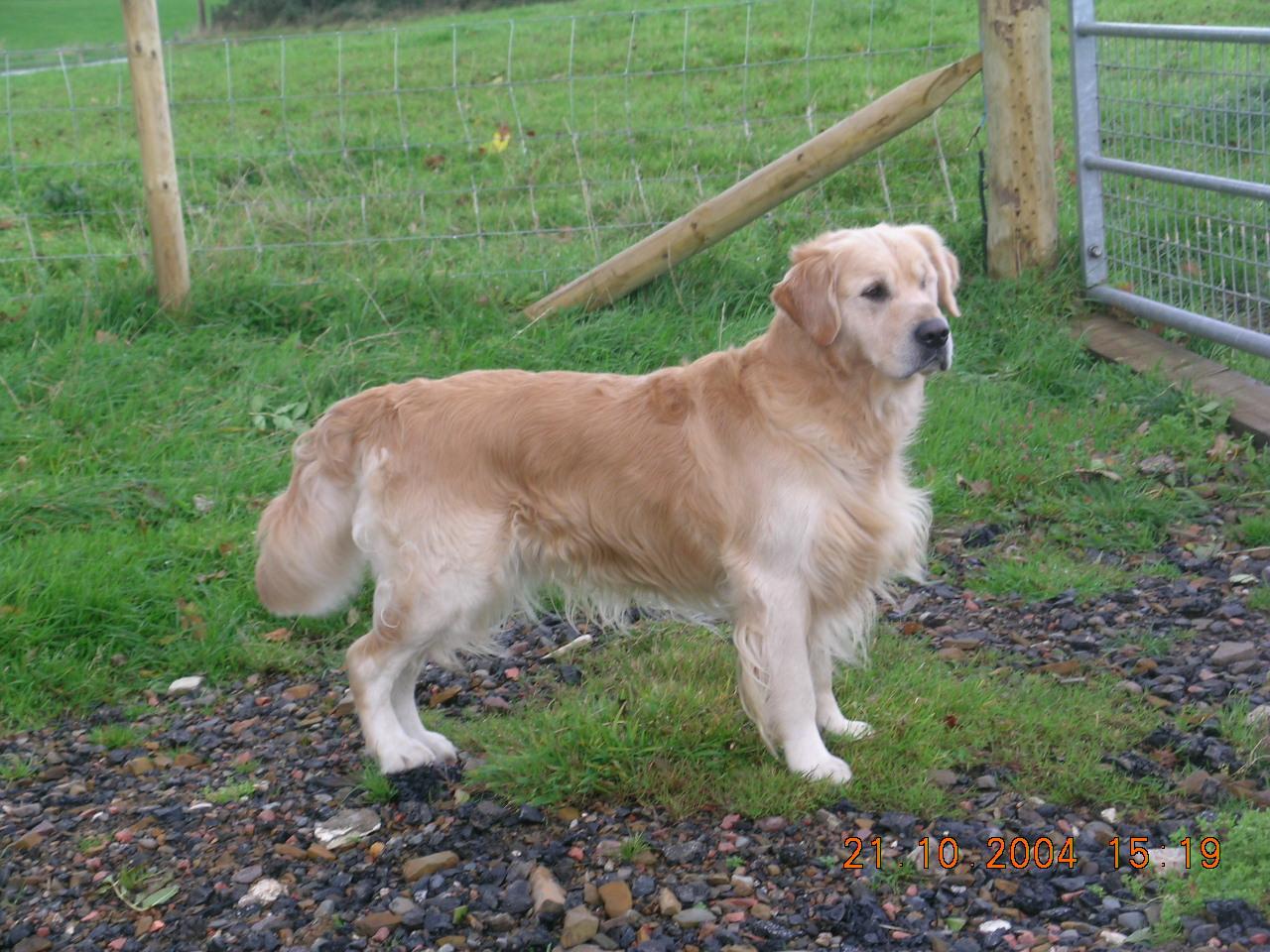
Subtle signs like bunny hopping, morning stiffness, and weight shifting often mean hip dysplasia pain is worse than it looks. Here's what to watch for.
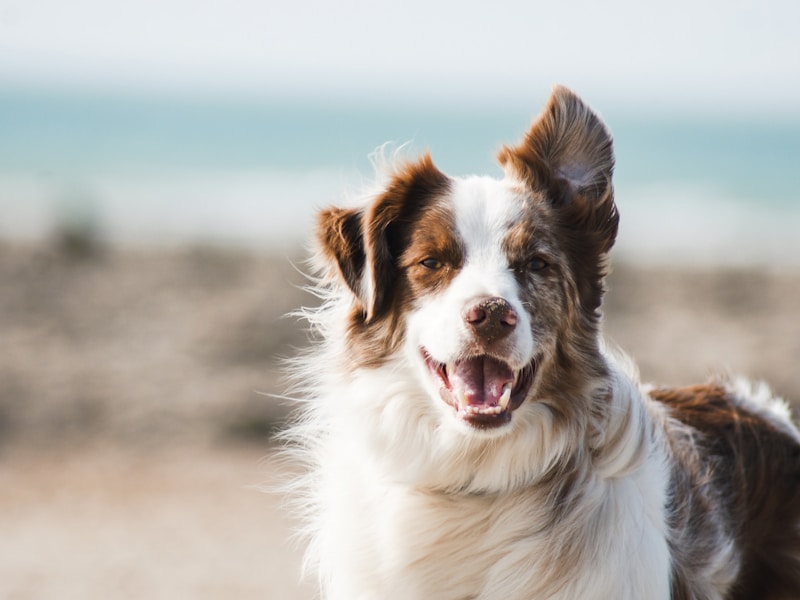
Ramp setup, safe low-impact exercise, and anti-inflammatory food swaps that keep dysplastic dogs comfortable — practical home care from a disabled dog…
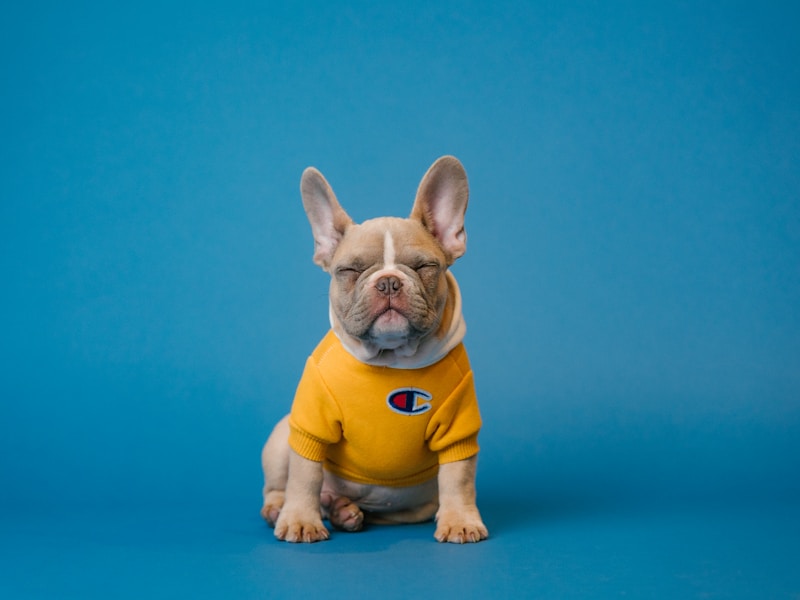
NSAIDs, Adequan, glucosamine, weight targets, hydrotherapy — a practical management plan for canine hip dysplasia, built from caregiver experience.

Learn safe, vet-aligned exercise routines for dogs with hip dysplasia — including daily schedules, PT techniques, hydrotherapy, and how to modify by severity.