Must Read
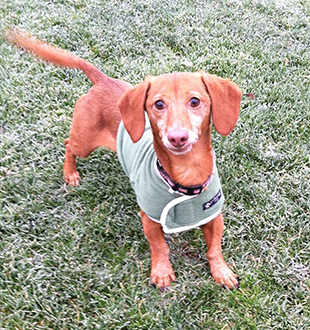
Best Emergency Vet Hospital? Why Wait Time Matters Most
In a real emergency, the 'best' vet hospital is the one that can see your dog soonest. Here's the call-around strategy I'd use if Heidi went down today.
Complete guides to managing hip dysplasia in dogs — treatment options, pain relief, safe exercise, home care, and long-term quality of life.
If your puppy bunny-hops when running, or your adult dog has started sitting crooked and resisting the car, this hub is a good place to start. Hip dysplasia is a malformed ball-and-socket joint. It can show up at five months or stay quiet until middle age, and how it behaves depends heavily on when it appears.
The first set of decisions is diagnostic. When to X-ray, whether sedation is needed, and what the mild, moderate, and severe grades actually predict. Next comes the treatment fork. Some dogs are candidates for surgery, and TPO, FHO, and total hip replacement suit different ages and sizes. Others do well with conservative care: weight control, physical therapy, pain medication, and supplements. Over the long run, owners of both groups end up managing flare-ups, choosing between ramps and stairs, and learning to read pain a dog is good at hiding.
Start with these:
In a real emergency, the 'best' vet hospital is the one that can see your dog soonest. Here's the call-around strategy I'd use if Heidi went down today.
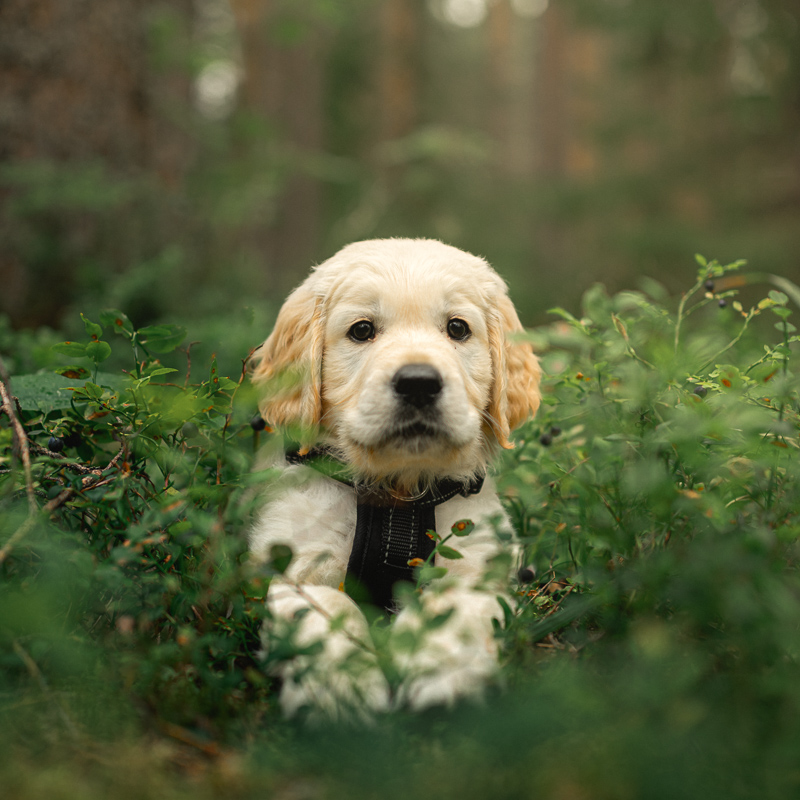
Water exercise can ease hip dysplasia pain fast — but depth, duration & timing matter. What I've learned from rehab therapists and other HD owners.
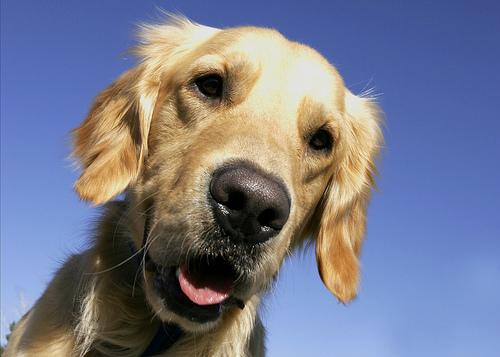
Subtle shifts in how your dog moves, rests, or behaves can signal worsening hip dysplasia. Here's what I've learned to watch for before it becomes a crisis.
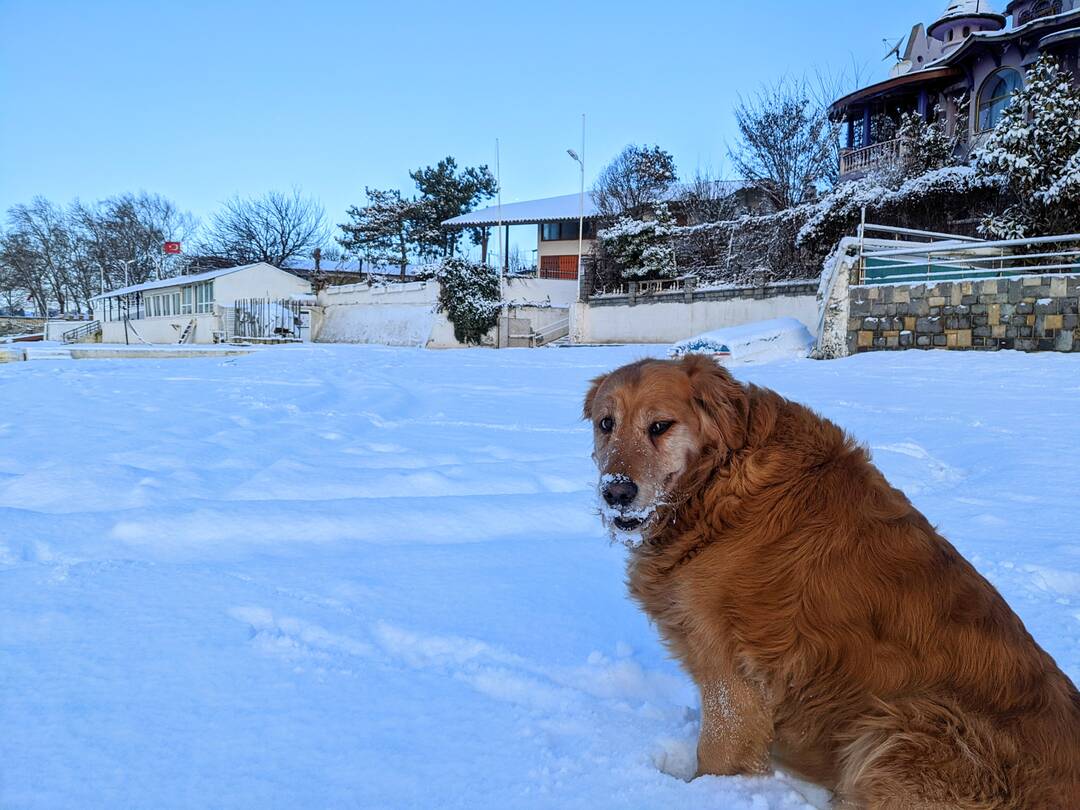
From NSAIDs to gabapentin — here's what vets actually prescribe for hip dysplasia pain, what each drug does, and questions to ask before starting.
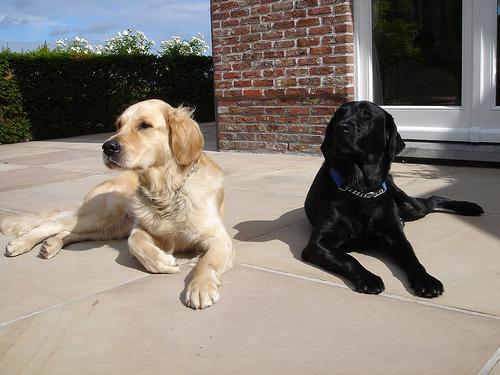
Joint supplements can ease hip dysplasia pain — but not all work. Here's what caregivers and rehab vets actually recommend, and what to skip.
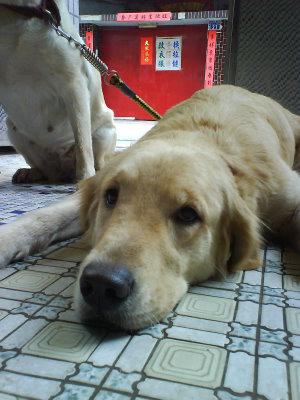
Cold laser therapy may ease hip dysplasia pain without drugs. What owners actually see, how sessions work, and whether it's worth trying for your dog.
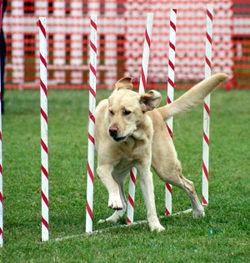
Comparing hydrotherapy and land-based exercise for dogs with hip dysplasia — what each does, when to use them, and how to build a routine that works.
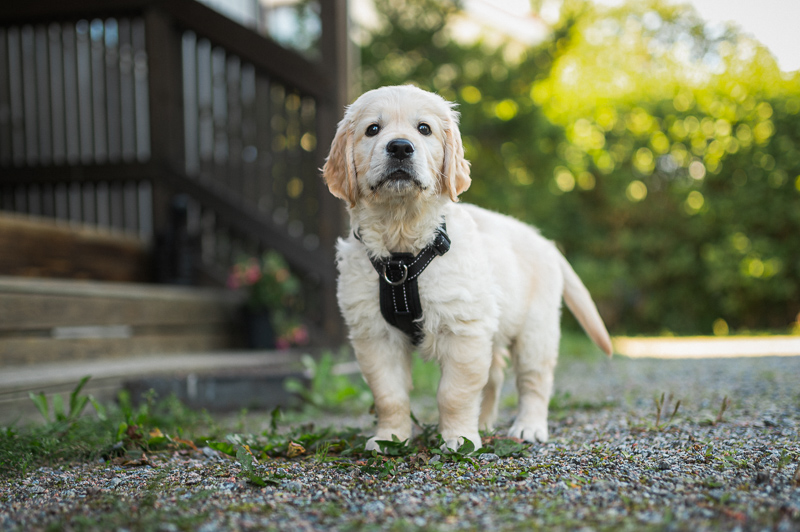
How hydrotherapy helps dogs with hip dysplasia build muscle, reduce pain, and stay mobile — plus practical tips for starting at home or in a clinic.
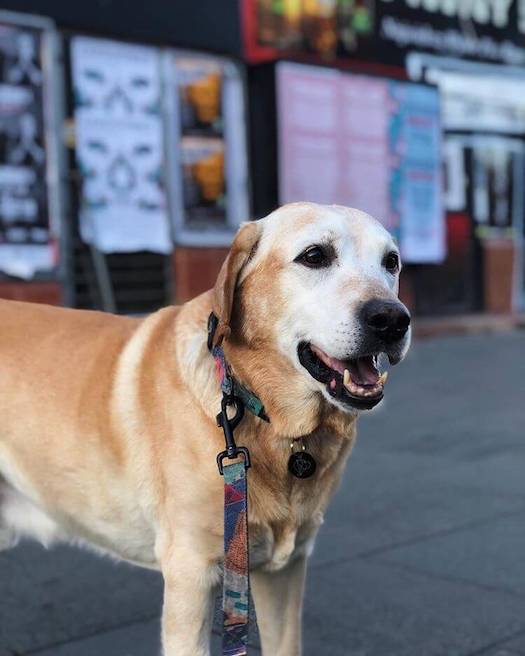
TPO, FHO, and THR explained in plain language — typical costs, recovery timelines, and how to choose the right surgery for your dog's age and size.
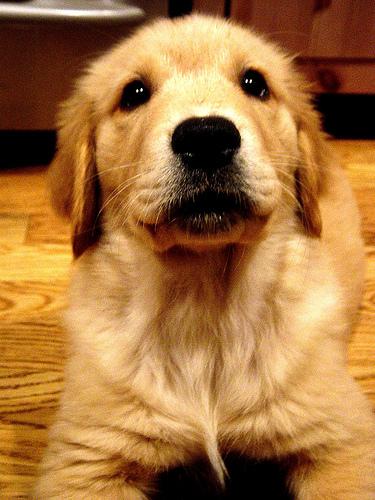
Learn the early signs of hip dysplasia in puppies and young dogs — what to look for, when to see a vet, and what to do if you suspect it early.
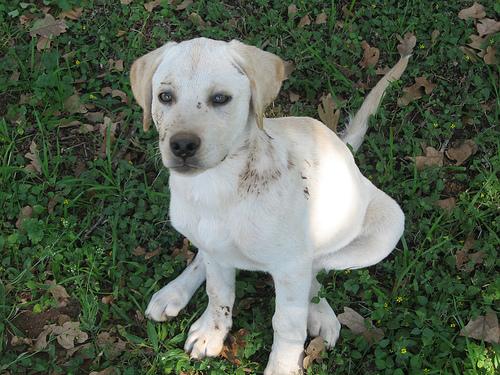
Seven at-home rehab exercises for hip dysplasia dogs, what in-clinic therapy adds, and how to track real progress — from a caregiver who's done the daily work.