Must Read
Best Emergency Vet Hospital? Why Wait Time Matters Most
In a real emergency, the 'best' vet hospital is the one that can see your dog soonest. Here's the call-around strategy I'd use if Heidi went down today.
Complete guides to managing hip dysplasia in dogs — treatment options, pain relief, safe exercise, home care, and long-term quality of life.
If your puppy bunny-hops when running, or your adult dog has started sitting crooked and resisting the car, this hub is a good place to start. Hip dysplasia is a malformed ball-and-socket joint. It can show up at five months or stay quiet until middle age, and how it behaves depends heavily on when it appears.
The first set of decisions is diagnostic. When to X-ray, whether sedation is needed, and what the mild, moderate, and severe grades actually predict. Next comes the treatment fork. Some dogs are candidates for surgery, and TPO, FHO, and total hip replacement suit different ages and sizes. Others do well with conservative care: weight control, physical therapy, pain medication, and supplements. Over the long run, owners of both groups end up managing flare-ups, choosing between ramps and stairs, and learning to read pain a dog is good at hiding.
Start with these:
In a real emergency, the 'best' vet hospital is the one that can see your dog soonest. Here's the call-around strategy I'd use if Heidi went down today.
Dog rear leg weakness from hips or back? The signs overlap — here's how to tell the difference before your vet visit, and why it matters for treatment.
Can you actually feel hip dysplasia in your dog at home? Here's what owners notice by touch, what vets check during an exam, and when hands-on findings need…
Morning stiffness that loosens up after a few minutes isn't just 'old age' — it's a specific pattern that points toward hip dysplasia. Here's what it means and…
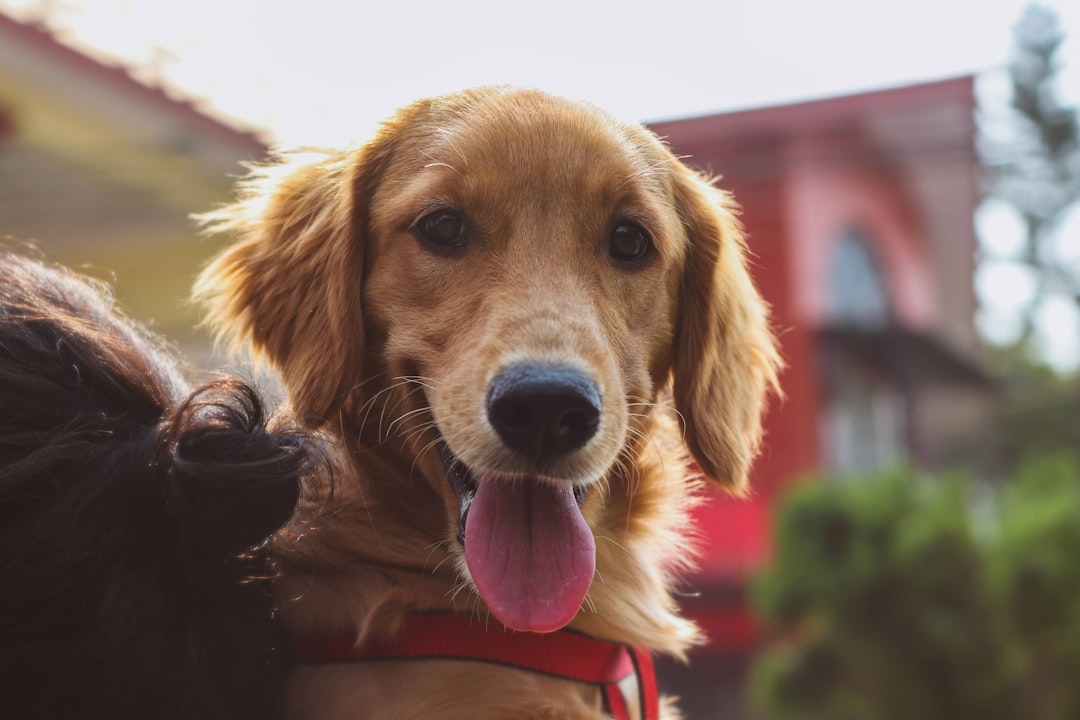
Saw your dog run with both back legs moving together? That's called bunny hopping — and it's one of the earliest signs of hip dysplasia caregivers often miss.
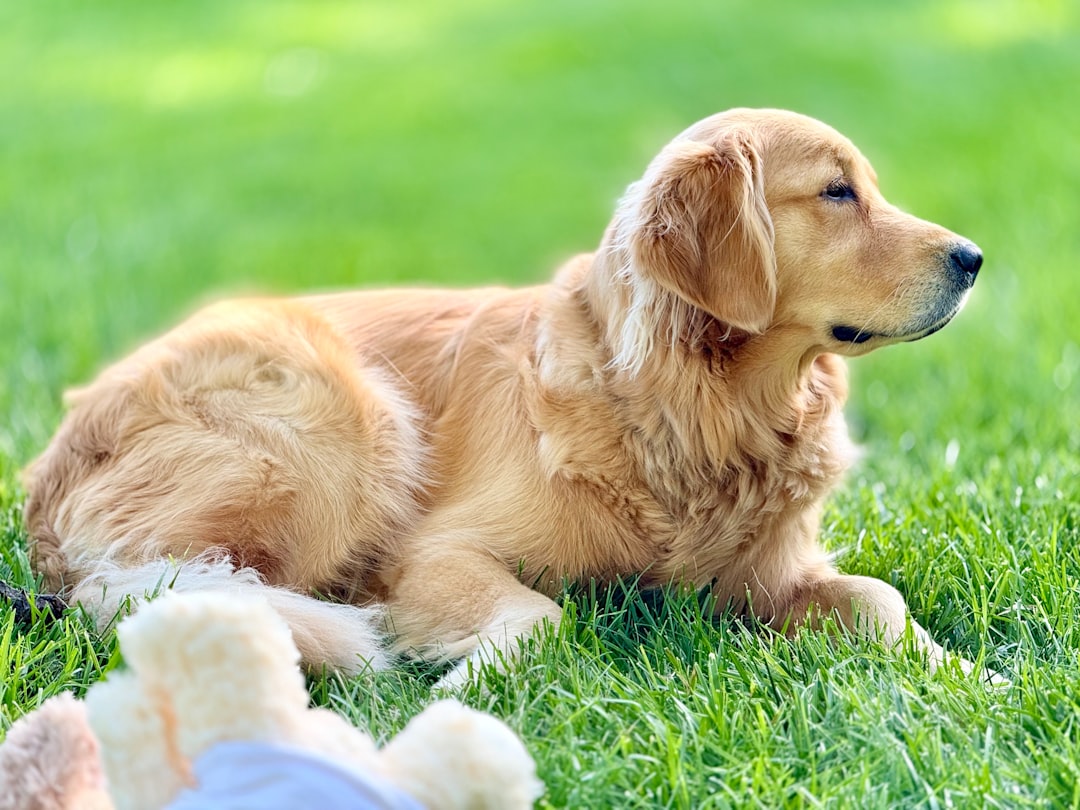
Hip dysplasia in adult dogs often looks like 'slowing down.' Here's how to tell normal aging from real joint damage — and what signs to act on now.
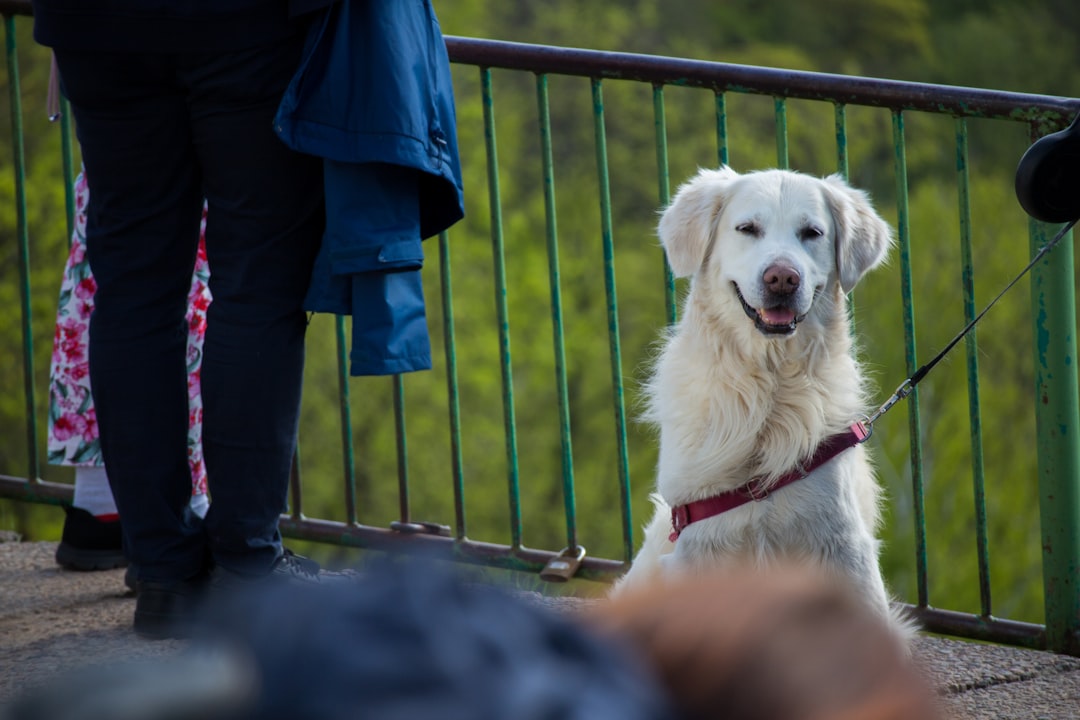
Golden Retrievers develop hip dysplasia at high rates — and their slower maturation makes early screening timing matter. What caregivers need to know at every…
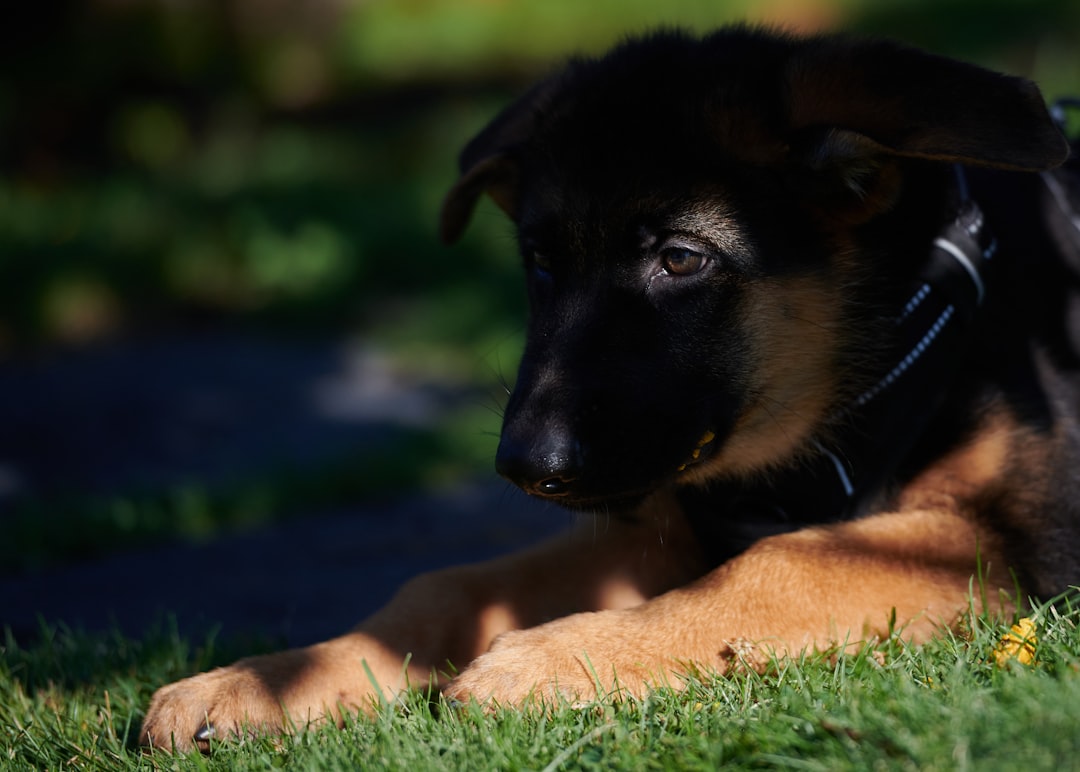
GSDs are among the most hip dysplasia-affected breeds. Here's what caregivers need to know about early signs, OFA screening, puppy management, and treatment.
Hip dysplasia dogs need more than a soft surface — they need pressure relief, edge support, and easy entry. Here's what actually matters when choosing a bed.
Should your hip dysplasia dog use a ramp or pet stairs? What caregivers and rehab vets consistently recommend — plus what to look for when buying.
Many hip dysplasia dogs show real improvement with acupuncture — less stiffness, better sleep, easier mornings. What owners should know before the first…