Best Beds for Hip Dysplasia Dogs: What to Look For
Hip dysplasia dogs need more than a soft surface — they need pressure relief, edge support, and easy entry. Here's what actually matters when choosing a bed.
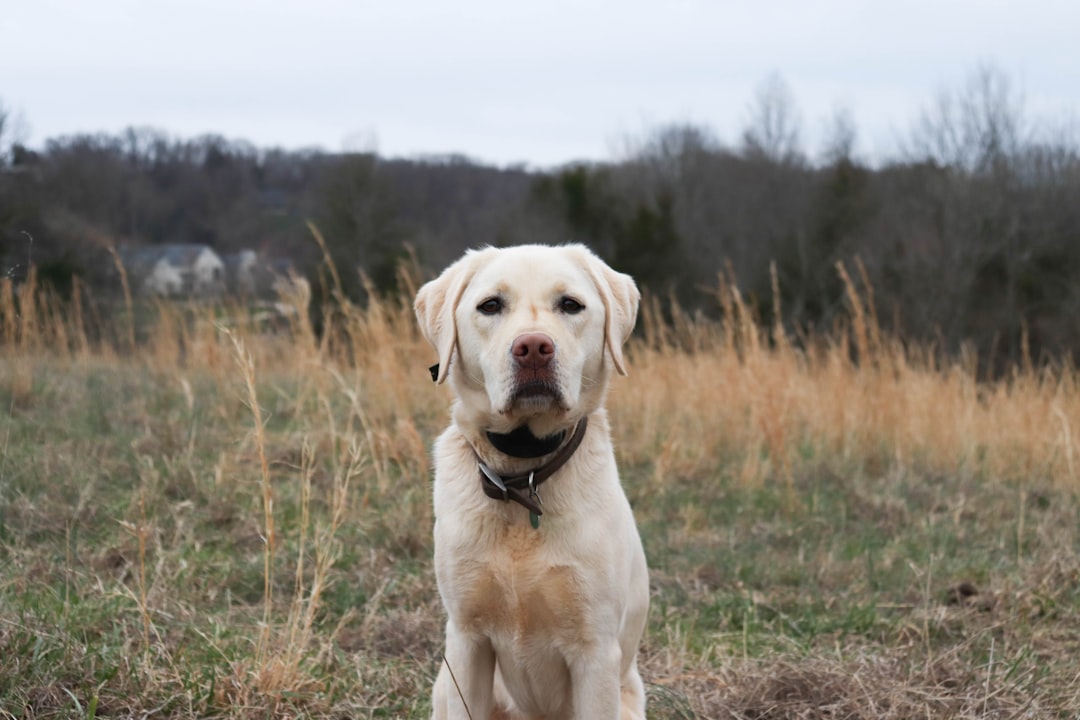
Photo by Laura Roberts on Unsplash
The right bed might be the single most impactful home-comfort change you can make for a dog with hip dysplasia — and most dogs are sleeping on the wrong one.
Sleep quality affects pain levels, mood, and willingness to move — things that matter enormously for a dog managing a progressive joint condition. From what I’ve seen and heard from hip dysplasia caregivers, bedding tends to be an afterthought right up until someone mentions it and suddenly everything clicks. Let’s make sure you’re not still on that side of the conversation.
Why Does Bedding Matter So Much for Hip Dysplasia?
Hip dysplasia dogs spend a large portion of their day lying down — and the surface they lie on directly affects how much joint pressure they’re absorbing during those rest periods. A dog with hip dysplasia lying on a hard floor or a thin, foam-free cushion is essentially resting inflamed joints on concrete. Overnight stiffness becomes worse, getting up becomes more painful, and the cycle of inactivity and discomfort tightens.
According to VCA Hospitals, joint pain management in dysplastic dogs is multifactorial — meaning no single medication or therapy handles it alone. Appropriate rest surfaces are part of that broader picture.
The goal with bedding is pressure distribution: spreading your dog’s weight across a larger surface area so that no single joint point is taking concentrated load. This is exactly what high-density orthopedic foam does well, and why it consistently comes up in rehab therapist recommendations.
- Foam depth: Aim for at least 3–4 inches — thinner beds compress and lose all their benefit
- Foam density: The bed should resist bottoming out when you press with your full palm
- Entry height: Lower is better — avoid beds where your dog has to step up or jump in
- Surface grip: Place the bed on non-slip flooring to prevent sliding when your dog gets up
- Waterproof cover: Advisable even for continent dogs, as incontinence is common over time
What Type of Foam Actually Works?
Not all “orthopedic” dog beds are equal — and the word “orthopedic” on a pet product label is essentially unregulated. Here’s what to actually look for.
Memory foam: Contours to your dog’s body shape and distributes weight evenly. Responds to body heat, which can feel soothing on sore joints. Slower to spring back, which means it cradles rather than bounces. This is generally the top choice for hip dysplasia dogs.
High-density polyurethane foam: Firmer than memory foam but more supportive for large or very heavy dogs. Dogs who struggle to get up from a very soft surface sometimes do better with a slightly firmer foam that gives them a more stable push-off point.
Egg-crate foam: The familiar convoluted foam surface. Works reasonably well for pressure distribution but compresses faster than solid foam. Better as a topper over a solid base than as a standalone bed.
Fiberfill and polyfill beds: These look plush and cozy but are typically terrible for hip dysplasia dogs. They compress immediately under body weight and offer almost no pressure relief. Avoid.
Gel-infused foam: A variation of memory foam that stays cooler. Useful in warmer climates or for dogs that tend to overheat, but the key benefit is still the foam density, not the gel.
From what I’ve heard from other owners and rehab vets, the single most common mistake is buying a visually appealing bed without pressing into it. If your hand touches the floor when you push down, the bed will bottom out under a 50+ pound dog. Test it before you trust it.
How Do I Know If My Dog’s Bed Is Working?
A hip dysplasia dog on the right bed shows specific, observable signs — you don’t have to guess.
Morning stiffness should improve or at least not worsen after a night on a good supportive surface. If your dog gets up from their bed and immediately looks more locked up than before they lay down, the bed isn’t doing its job.
Watch how your dog positions themselves on the bed. A dog that keeps shifting, circling, or lying with legs hanging off the edge is probably uncomfortable and trying to find relief. A dog that settles quickly and stays in one position usually found something that works.
Getting up should also get easier over time. Dogs on supportive foam often can push up from the surface more efficiently than dogs sinking into compressed batting or lying flat on hard flooring.
- Your dog settles quickly and stays settled rather than shifting constantly
- Morning stiffness improves compared to sleeping on hard floors
- Your dog voluntarily returns to the bed throughout the day for rest
- Getting up from the bed looks less effortful than getting up from other surfaces
If you want a printable record to go alongside these observations, our mobility tracker lets you log ease after rest week to week — the same seven domains each week, in a form your vet can read at a glance.
Should the Bed Have Sides?
Bolster beds — the kind with raised edges on three or more sides — are popular, and they can work well for hip dysplasia dogs who like to rest their head or neck on a support. But the critical thing to check is entry height. If your dog has to step over a bolster to get into bed, that step can be painful or impossible for a dog with significant hip pain.
Look for beds with one low or open side — essentially a ramp-entry design — so your dog can walk onto the surface without lifting legs high. Alternatively, a flat orthopedic mat with no sides avoids the entry problem entirely and can be placed against a wall if your dog likes to lean something against their back.
For dogs who are also managing some neurological involvement or whose hind-leg strength is notably decreased, pairing the right bed with a supportive rear harness like the Help ‘Em Up Harness makes getting up from any surface much safer. Having a handle to steady your dog as they stand from a foam bed removes a lot of the risk.
Where to Place the Bed
Location matters as much as the bed itself.
Non-slip flooring beneath the bed is non-negotiable. A dog with hip dysplasia pushing up from a soft surface on slippery tile can slide, panic, and hurt themselves. Place beds on carpet, yoga mat material, or rubber-backed rugs.
Away from drafts and cold floors: Hip dysplasia pain often worsens with cold. Positioning the bed away from air conditioning vents and off cold tile is a small but meaningful comfort adjustment.
Near your dog’s main activity area: Dogs who have to walk a long way from their resting spot to reach food, water, or family activity will move less, which is counterproductive. Shorter travel distances encourage more low-level movement throughout the day, which is exactly what a dysplastic dog needs.
Accessible in multi-level homes: If your home has stairs, the bed should be on whatever floor your dog spends the most time on. Stairs are significantly harder on dysplastic hips than flat surfaces. Our guide on ramps vs. stairs for hip dysplasia dogs covers this in more detail.
- Placing the bed on slippery tile or hardwood without a grip mat underneath
- Positioning the bed near cold drafts or HVAC vents
- Buying a second bed “for upstairs” that’s lower quality — the bed used most often matters most
- Assuming a dog will use a new bed immediately — some dogs need a few days to choose it
How to Transition a Dog to a New Bed
Some dogs take to an orthopedic bed immediately. Others are suspicious of anything new. A few practical steps help:
- Place the new bed where your dog already tends to rest
- Add a worn t-shirt or item with your scent on top for the first few days
- Don’t force your dog onto it — let them investigate on their own terms
- If your dog still avoids the new bed after a week, try placing their old blanket on top of it as a familiar layer
It usually takes less than two weeks for a dog to settle into a new sleeping arrangement when it’s genuinely more comfortable than what they had before.
Related Reading
- Home Care for Hip Dysplasia Dogs
- Safe Exercise Routines for Hip Dysplasia Dogs
- Hip Dysplasia Management: Meds, Supplements & Lifestyle
You spend a lot of energy managing your dog’s medications, exercise routines, and vet visits. It’s easy to overlook something as simple as where they sleep. But for a dog whose hips hurt every time they move, a good night of pressure-relieved sleep is one of the most restorative things you can give them — and it’s something you can sort out today.
This guide is based on real experience and should be used alongside professional veterinary care. Always consult your veterinarian before starting any new treatment or making changes to your dog’s care plan.
Frequently Asked Questions
What type of bed is best for a dog with hip dysplasia?
A thick memory foam or high-density foam bed is generally best for hip dysplasia dogs. You want at least 3–4 inches of supportive foam that doesn’t bottom out under your dog’s weight, plus low or bolstered sides for easy entry and exit.
Can a dog with hip dysplasia sleep on the floor?
Hard floors are typically the worst surface for a hip dysplasia dog — they offer no pressure relief and accelerate joint stiffness overnight. Even a basic foam pad is significantly better than bare tile or hardwood.
How often should I replace an orthopedic dog bed for a hip dysplasia dog?
Most foam beds show meaningful compression within 12–18 months of daily use. When you press your palm into the bed and it doesn’t spring back within a few seconds, it’s time to replace it — a flattened bed is worse than no bed at all.
Should I get a heated bed for my dog with hip dysplasia?
Gentle warmth can help loosen stiff joints, especially in the morning, and many owners of arthritic and dysplastic dogs find their dogs seek out warm surfaces. If you use a heated bed, choose one with a low, thermostatically controlled setting and check your dog’s skin regularly.