Hydrotherapy vs. Land Exercise for Hip Dysplasia
Comparing hydrotherapy and land-based exercise for dogs with hip dysplasia — what each does, when to use them, and how to build a routine that works.
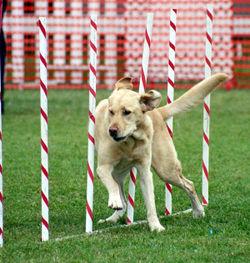
For dogs with hip dysplasia, the question isn’t really hydrotherapy or land exercise: it’s understanding what each one does and how to use both together.
If you’ve recently started researching exercise options for your dog, you’ve probably run into both recommendations and gotten confused about which one to prioritize. I’ve talked with a lot of owners in this situation, and the honest answer is: they’re not competing approaches. They’re tools that work best as a team. But knowing when to lean on each one, and why, makes a real difference in how your dog progresses.
What Does Each Type of Exercise Actually Do?
Before you can make a smart choice, it helps to understand the mechanism behind each approach.
Hydrotherapy (typically underwater treadmill or pool swimming) works because water buoyancy reduces the amount of weight a dog’s joints have to bear during movement. That means a dog who struggles or hurts on land can often move more freely and for longer in water. The resistance of the water also builds muscle without the impact stress that comes with land movement. For hip dysplasia dogs (where the hip joint is malformed and often inflamed), this is a genuinely meaningful difference.
Land-based exercise includes controlled leash walks, sit-to-stand exercises, balance work, and gentle incline walking. These activities build functional, weight-bearing strength, the kind your dog actually uses to get up off the floor, climb a single step, or hold their back end steady when turning. Land exercise also reinforces normal gait patterns and proprioception (the body’s sense of where its limbs are in space), which hip dysplasia dogs often lose as their condition progresses.
Neither replaces the other. Hydrotherapy builds strength with less pain during the process; land exercise translates that strength into real-world function.
- Start with hydrotherapy when a dog is painful, post-surgical, or significantly weak
- Introduce controlled land exercises as strength and comfort improve
- Use both concurrently once the dog tolerates it — they complement each other
- Always have a certified canine rehabilitation therapist (CCRT) design or review the plan
When Is Hydrotherapy the Right Starting Point?
From what I’ve seen and heard from other owners, hydrotherapy tends to shine earliest in the care journey, especially for dogs who are in moderate to significant pain, recovering from surgery, or so weak in the hindquarters that land exercise is difficult or discouraging for them.
The underwater treadmill, in particular, is widely considered the gold standard for this phase. The dog walks on a moving belt inside a chamber filled with warm water to the appropriate level for their condition. The warmth loosens tight muscles and joints; the buoyancy offloads the hip. Many dogs that look stiff and reluctant on land will walk with noticeably better stride and range of motion in water.
For post-surgical dogs (those who’ve had FHO (femoral head ostectomy), TPO, or total hip replacement), check out our detailed guide to hip dysplasia surgery and recovery for how this fits into the overall timeline.
- Open wounds or active skin infections anywhere on the body
- Uncontrolled ear infections (water exposure can worsen them)
- Active respiratory or cardiac conditions — confirm clearance with your vet
- Your dog is showing significant distress during sessions (some anxiety is normal at first; genuine fear or struggling in water is a different matter)
How Do I Build a Land Exercise Routine That’s Safe?
The most important word in any land exercise plan for a hip dysplasia dog is controlled. Long off-leash runs, rough play, and sudden stops and turns are the kinds of movements that inflame an already stressed joint. Short, structured, predictable movement is what you’re going for.
A few exercises that are commonly recommended by canine rehab therapists:
- Leash walks on flat, even surfaces: Start with whatever duration your dog tolerates comfortably, even 5 minutes twice a day is a legitimate starting point. Soft grass is kinder than pavement. Gradually increase as strength builds.
- Sit-to-stand repetitions: This is essentially a dog squat. Ask your dog to sit, then stand, then sit again, 5 to 10 reps, once or twice a day. It directly targets the hip extensors and core muscles that support the joint. Go slow; this is strength work, not speed work.
- Cavaletti poles: Low poles (even just pool noodles on the ground) placed at stride-width intervals encourage your dog to lift their feet deliberately and engage their hindquarters. This is especially good for dogs who shuffle or scuff.
- Gentle incline walking: A slight uphill grade shifts more work onto the hindquarters. Use a grassy slope, not steep stairs. Short duration, slow pace.
If your dog is also managing weight (which directly affects how much stress the hip joint bears), our diet and weight management guide for hip dysplasia dogs covers that side of things in depth.
- Your dog is rising from rest more easily over a period of weeks
- Reduced stiffness after short walks (warmup period gets shorter)
- More willingness to engage in movement — less hesitation at stairs or thresholds
- Muscle mass visibly improving, especially around the hindquarters
- Your vet notes improved range of motion at check-ups
Putting It Together: A Sample Weekly Framework
There’s no single right answer here, as every dog’s pain level, age, fitness baseline, and access to professional facilities is different. But many owners find a rhythm something like this:
- 2x per week: Hydrotherapy session (underwater treadmill or pool)
- Daily: Short, controlled leash walk (duration based on your dog’s tolerance)
- Daily: 1–2 rounds of sit-to-stand repetitions and/or cavaletti work
- Weekly: Check-in on how your dog is recovering — are they stiffer the day after? Adjust duration down if so.
The key is watching how your dog feels 12–24 hours after exercise, not just during it. A dog who seems fine during a walk but is noticeably stiffer the next morning is telling you the session was a little too much. Back off slightly and rebuild from there.
For a broader look at safe exercise options, our safe exercise routines guide for hip dysplasia dogs goes deeper on pacing and progression.
- Sudden lameness or refusal to weight-bear on a limb
- Yelping or crying during or after exercise
- Significant swelling around the hip or leg
- Your dog appears distressed, is panting heavily at rest, or can’t get comfortable
If your dog uses a support harness during walks or exercises, a rear-support harness like the Help ‘Em Up Harness can give you a safe way to assist without putting strain on their back or hip as they build strength.
The goal with all of this isn’t to turn your dog into an athlete. It’s to keep them comfortable, moving, and engaged with life for as long as possible. A thoughtful combination of hydrotherapy and land exercise, guided by a rehab professional, is genuinely one of the most impactful things you can do to support that goal.
Related reading
- Hip Dysplasia Home Care: Comfort, Exercise & Diet
- Diet & Weight Management for Hip Dysplasia Dogs
- How to Tell If Your Dog Is in Pain From Hip Dysplasia
- Safe Exercise Routines for Hip Dysplasia Dogs
Frequently Asked Questions
Is hydrotherapy or land exercise better for hip dysplasia?
Most rehab specialists recommend a combination of both rather than choosing one exclusively. Hydrotherapy is gentler on joints and ideal for dogs in pain or early rehabilitation, while controlled land exercise helps build the weight-bearing strength dogs need for daily life.
How often should a dog with hip dysplasia do hydrotherapy?
Many rehab therapists start with once or twice a week and adjust based on how the dog responds. Your vet or a certified canine rehabilitation therapist is the best person to set a specific schedule for your dog.
Can I do land exercises for my hip dysplasia dog at home?
Yes — gentle, controlled exercises like leash walks on flat ground, slow sit-to-stand repetitions, and cavaletti poles (low poles to step over) are widely used at home. Always get your vet’s sign-off on a home exercise plan first.
When is hydrotherapy not appropriate for a dog with hip dysplasia?
Hydrotherapy is generally avoided if your dog has open wounds, active skin infections, uncontrolled heart or respiratory conditions, or is in the very early stages of post-surgical recovery. Your veterinarian will advise when it’s safe to begin.
This guide is based on real experience and should be used alongside professional veterinary care. Always consult your veterinarian before starting any new treatment or making changes to your dog’s care plan.