5 Signs Your Dog's Hip Dysplasia Is Getting Worse
Subtle shifts in how your dog moves, rests, or behaves can signal worsening hip dysplasia. Here's what I've learned to watch for before it becomes a crisis.
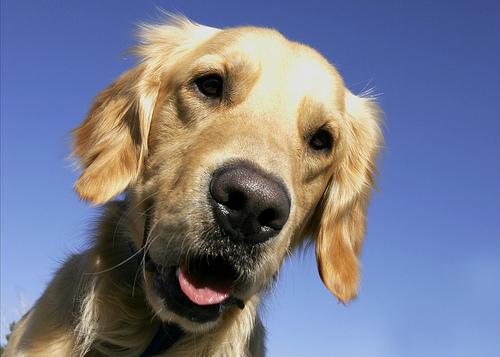
If your dog’s hip dysplasia is getting worse, the signs often show up weeks before a real crisis, and catching them early is the difference between a medication adjustment and an emergency.
Hip dysplasia is not a static condition. It tends to change over time, and for many dogs it slowly worsens, especially as they age and secondary arthritis sets in around the already-unstable joints. From talking with other caregivers in the disabled dog community, I know that one of the hardest parts isn’t the initial diagnosis. It’s figuring out, months or years later, whether what you’re seeing is a bad week or a real turning point.
Here are the five signs I hear about most, and what to do when you spot them.
1. Your Dog Is Stiffer After Rest Than Before
Increased stiffness after lying down or sleeping (especially in the morning or after a nap) is one of the earliest signs that hip dysplasia and its associated joint changes are progressing. A dog who used to pop right up may now take several steps to “warm up” before moving normally.
This happens because inflammation and joint fluid changes accumulate overnight when the dog isn’t moving. A little stiffness is expected with hip dysplasia. But if the warm-up period is getting noticeably longer, or your dog seems stiff even after warming up, that’s a shift worth noting.
What to watch for:
- Morning hesitation: standing up from the bed takes multiple attempts
- Stumbling on first steps: hind legs seem uncoordinated for the first minute of movement
- Reluctance to get moving: your dog pauses at the edge of the bed or mat rather than jumping up to greet you
Keep a quick log (even just a few words on your phone) for a week or two. Patterns are easier to see when you write them down.
- Note the time of day and how long stiffness lasts
- Rate your dog’s ease of rising on a 1–5 scale daily
- Share your log with your vet — it gives them far more to work with than “he seems worse lately”
2. Stairs and Jumping Are Getting Harder — or Impossible
Dogs with worsening hip dysplasia often start avoiding movements that load the hip joints asymmetrically. Stairs, getting in and out of the car, jumping onto furniture, and stepping up curbs are some of the first things to go.
You might notice your dog pausing at the bottom of a step, taking the stairs one at a time instead of bounding up, or refusing the couch they used to love. Some dogs start leading with their front legs on stairs and dragging the back end up, a pattern called “front-loading.”
This isn’t stubbornness. It’s pain avoidance, and it’s a meaningful signal. According to the general consensus in canine rehabilitation, when a dog starts modifying movement to protect a joint, it usually means the discomfort level has crossed a threshold. Ramps and steps can help — our guide on home care for hip dysplasia covers practical modifications that reduce the strain on painful hips.
3. You Can See Muscle Loss Over the Hindquarters
Muscle wasting (also called muscle atrophy) in the hind end is a visible, measurable sign that a dog is compensating, offloading weight from painful hips onto their front legs. When the hindquarters aren’t being used fully, those muscles shrink.
Stand behind your dog and compare the width of their hips and thighs to their shoulders. If the back end looks narrower, flatter, or more angular than it used to, that’s atrophy. Run your hands along the upper thighs — does it feel like the muscle has thinned?
This is worth mentioning to your vet regardless of other symptoms. Muscle loss is both a sign of worsening hip dysplasia and a cause of further decline, because weakened muscles provide less support to the already-unstable hip joint.
- Muscle atrophy can happen even in overweight dogs — look for the specific loss in the hindquarters, not overall
- If both muscle mass and overall body condition are declining, flag this with your vet — there may be another underlying issue
- Severe atrophy in a previously active dog can develop in just a few weeks of reduced activity
How Do I Know If My Dog Is in Pain From Hip Dysplasia?
Pain signs in dogs with hip dysplasia are often subtle, especially in stoic breeds. The clearest indicators of increased pain include yelping or flinching when touched around the hips or lower back, grumpiness or snapping when petted in areas that didn’t bother them before, changes in sleep position, and decreased interest in walks or play.
Many dogs don’t vocalize pain until it’s quite severe. More often, pain shows up behaviorally: a dog who used to greet you at the door now stays lying down, or a dog who loved fetch now drops the ball after one throw. Our article on how to tell if your dog is in pain from hip dysplasia goes deeper on reading subtle body language.
Behavioral pain signs to watch for:
- Licking or chewing at the hip or thigh area: even with no visible wound
- Restlessness at night: getting up and lying down repeatedly, unable to get comfortable
- Flattened ears or whale eye when hips are touched: a fear/pain response
- Sudden irritability: snapping at family members or other pets when approached
4. Their Gait Has Changed — Bunny-Hopping, Swaying, or Dragging
A changed gait is one of the more obvious signs of worsening hip dysplasia, but it’s easy to normalize gradually over time. If you haven’t watched your dog walk on video recently, do it now.
Common gait changes with progressing hip dysplasia:
- Bunny-hopping: bringing both hind legs forward simultaneously rather than alternating — reduces the rotational motion at the hip
- Swaying hindquarters: the back end sways side to side more than normal, especially at a trot
- Short-striding: hind legs take shorter steps than front legs, often with less hip extension behind the body
- Toe-dragging or scuffing: the top of a hind paw scrapes the ground, which can cause abrasions quickly
Gait changes that include toe-dragging or any dragging of the hind legs should prompt a fairly urgent vet call. This can sometimes indicate nerve involvement beyond the joint itself. Our knuckling in dogs guide explains what to look for and why it matters.
- Sudden inability to stand or bear weight on hind legs
- Dragging both hind legs after normal activity
- Loss of bladder or bowel control alongside worsening mobility
- Your dog crying out when lying down or getting up, unprompted
5. Current Medications Are Clearly Not Enough Anymore
This one’s easy to overlook, but it’s important. If your dog is on NSAIDs or other pain management and you’re noticing more of the signs above despite consistent dosing, that’s a signal the current protocol may need revisiting.
From what I’ve seen in the disabled dog community, many owners assume that if their dog is on medication, the pain must be controlled. Not necessarily. Pain levels can increase beyond what a current dose manages, new joint changes can emerge, or the medication may simply need adjustment or a companion therapy added.
This is the moment to review whether options like physical therapy or a different pain management approach might be worth discussing with your vet. Weight management also matters enormously here — even a modest reduction in body weight directly reduces the load on arthritic hip joints.
If your dog is spending more time lying down, more often seems uncomfortable, and the medications that used to give obvious relief now seem to do less, say something. A frank conversation with your vet about whether the current plan is still enough is one of the most useful things you can do.
- Your stiffness log (even rough notes from two weeks)
- A short video of your dog walking — ideally from behind and from the side
- A clear description of what’s changed and roughly when it started
- A list of current medications, supplements, and doses
Related Reading
- How to Tell If Your Dog Is in Pain From Hip Dysplasia
- Hip Dysplasia Management: Meds, Supplements & Lifestyle
- Safe Exercise Routines for Hip Dysplasia Dogs
Watching a condition worsen is hard — there’s no way around that. But the owners who catch these shifts early, document them, and bring them to their vet consistently are the ones who tend to keep their dogs most comfortable for the longest time. You know your dog better than anyone. Trust what you’re seeing, write it down, and ask questions.
Frequently Asked Questions
How do I know if my dog’s hip dysplasia is progressing?
The clearest signs of worsening hip dysplasia include increased stiffness after rest, reluctance to use stairs or jump, visible muscle loss over the hindquarters, a changed gait (bunny-hopping or swaying), and more frequent yelping or flinching when touched near the hips. Any sudden change in mobility or behavior warrants a vet call.
Can hip dysplasia get worse quickly?
It can. Hip dysplasia often progresses gradually, but a flare (triggered by overexertion, a fall, cold weather, or weight gain) can cause a noticeable decline in days. If your dog suddenly seems much worse than last week, don’t wait to call your vet.
What does muscle wasting look like in a dog with hip dysplasia?
Muscle wasting (atrophy) in the hindquarters shows up as a narrowing or flattening of the hips and thighs. When you look at your dog from behind, the muscles alongside the tail and over the upper hind legs may look sunken compared to the front of the body, and the hip bones may feel more prominent.
When should I take my dog to the vet for worsening hip dysplasia?
Any sudden loss of mobility, crying out unprompted, inability to rise from lying down, or dragging of the hind legs is an urgent vet visit. For gradual changes (more stiffness, less willingness to exercise, noticeable muscle loss) schedule an appointment within a few days rather than waiting for the next annual checkup.
This guide is based on real experience and should be used alongside professional veterinary care. Always consult your veterinarian before starting any new treatment or making changes to your dog’s care plan.