Hip Dysplasia Home Care: Comfort, Safe Exercise & Diet
Ramp setup, safe low-impact exercise, and anti-inflammatory food swaps that keep dysplastic dogs comfortable — practical home care from a disabled dog…
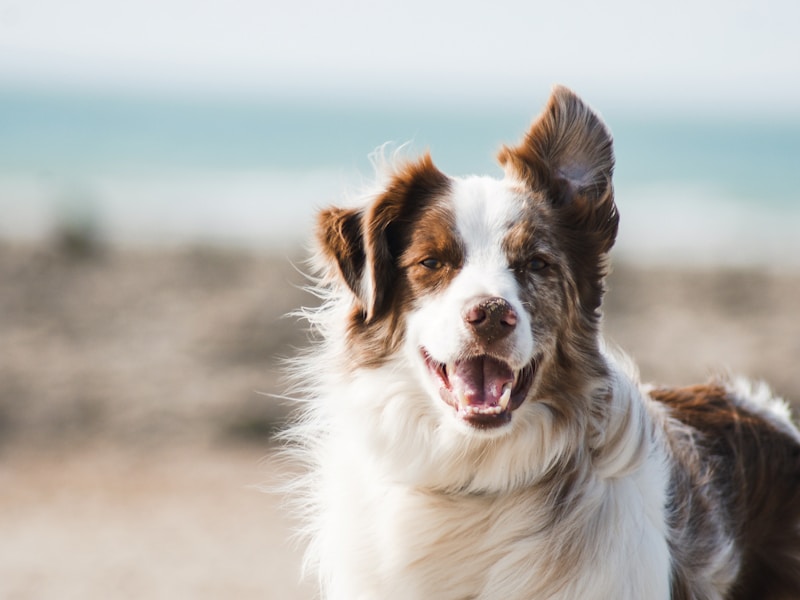
Hip dysplasia doesn’t mean your dog can’t live a happy and comfortable life. With thoughtful changes at home, a smart exercise routine, and the right diet, you can help your dog stay active and manage pain day to day.
Not sure whether your dog is actually in pain? Our pain signs guide for hip dysplasia dogs covers the subtle signals that are easy to miss — reluctance to rise, a bunny-hop gait, and shifting weight are common ones owners initially overlook.
What Is Hip Dysplasia and Why Does Home Care Matter?
Hip dysplasia is a developmental joint condition where the ball and socket of the hip don’t fit together properly. Over time, that poor alignment causes cartilage wear, chronic inflammation, and pain — a progression that accelerates with excess weight, high-impact activity, or inadequate muscle support.
Surgery is an option for some dogs, and there are several procedures with strong track records. But many families manage the condition at home, especially in mild-to-moderate cases or while waiting for a surgical consult. Home care isn’t a lesser alternative to treatment — it’s an active management strategy that directly affects how fast the joint deteriorates and how much pain your dog experiences day to day.
The three levers you control at home are environment, exercise, and diet. Getting all three right matters more than any one of them alone.
How Do I Make My Home Comfortable for a Dog With Hip Dysplasia?
The biggest sources of daily joint stress for a dysplastic dog aren’t usually the long walks — they’re the slippery kitchen floor, the step up to the couch, and sleeping on a hard surface for eight hours. Fix those first.
Flooring and Traction
Smooth hardwood, tile, and laminate floors are genuinely difficult for dysplastic dogs. When a dog can’t plant their feet properly, they recruit their hip muscles just to stay upright — that’s exhausting and painful.
Practical fixes:
- Area rugs and yoga mats: Place them along the routes your dog travels most — between their bed, their water bowl, and the back door
- Non-slip socks or booties: Some dogs tolerate these well; others hate them. ToeGrips (the rubber rings that slip onto nails) are a middle-ground option many owners find more acceptable than socks
- Avoid waxed or freshly mopped floors: Even a thin film of moisture significantly reduces grip
Bedding
A dysplastic dog sleeping on a thin mat or a hard floor wakes up stiff. An orthopedic or memory foam bed distributes weight across the whole body instead of concentrating pressure on the hips. Look for beds with a firm base and a softer topper — pure softness without support isn’t ideal for joint conditions.
Elevated sides can help some dogs feel secure, but make sure your dog can step in and out without a large step up. A low-profile design or a ramp into the bed is worth considering for larger breeds.
Ramps and Steps
Every jump onto the couch or down from the car is a brief but real impact event on a dysplastic hip. Over a day, those add up. A lightweight ramp or a set of broad, stable pet stairs removes that impact almost entirely.
Car ramps are particularly worthwhile for larger breeds — a Labrador or German Shepherd leaping in and out of an SUV multiple times a day is accumulating significant stress. If your dog currently jumps into the car without thinking about it, that’s the habit to change first.
- Dysplastic joints stiffen noticeably in cold weather
- Keep your dog’s sleeping area away from drafts and cold floors
- A self-warming mat or a blanket over the bed on cold nights can visibly reduce morning stiffness
- Shorter, more frequent walks in winter are often better than one long cold outing
Safe Exercise for a Dog With Hip Dysplasia
Dogs with hip dysplasia still need regular movement. Muscle mass around the hip joint acts as a physical support system — dogs who become sedentary because of pain actually tend to decline faster, because the muscles that were compensating for the loose joint weaken further.
The goal is low-impact, consistent activity that maintains muscle without stressing cartilage.
What Works Well
- Short, frequent leash walks: Two or three walks of 10–20 minutes each is generally better than one long walk. Consistent, controlled movement keeps the joint lubricated and the muscles engaged
- Swimming: Water exercise is excellent for hip dysplasia because the buoyancy takes weight off the joints while the resistance strengthens the muscles around them. Even dogs who wouldn’t describe themselves as swimmers often take to it with encouragement
- Hydrotherapy/underwater treadmill: If a structured rehab center is accessible, an underwater treadmill gives most of the benefits of swimming with more controlled, gait-focused movement. Many owners find their dogs are more willing to “work” in a treadmill than in open water
- Gentle on-leash sniff walks: Don’t underestimate these. A slow walk where your dog controls the pace and stops to sniff is mentally enriching and physically gentle
What to Avoid
- Jumping (on/off furniture, in/out of cars without a ramp)
- Fetch with sudden sprinting and stopping
- Frisbee or agility-style activity
- Running on hard surfaces
- Long hikes, especially on uneven terrain
- If your dog seems stiffer after a walk than before, it was probably too long or too fast
- A good rule of thumb: your dog should recover to baseline within an hour of finishing exercise
- If they’re still limping or reluctant to move two hours after a walk, dial back intensity and duration
For a detailed exercise plan with specific activities, durations, and seasonal adjustments, see our exercise routines for hip dysplasia dogs.
Supporting Mobility Through Diet and Weight Management
Weight management is one of the most direct things you can control at home for a dysplastic dog. Every extra pound of body weight adds measurable stress to the hip joints — and for a dog already dealing with a poorly fitting socket, that stress accelerates cartilage wear and worsens pain. Veterinary consensus is clear on this point.
How to Assess Your Dog’s Weight
You shouldn’t be able to see your dog’s ribs, but you should easily feel them with light pressure. When you look down at your dog from above, there should be a visible waist behind the rib cage. If the back looks like a rectangle from above or the ribs are padded with a thick layer, weight reduction is worth discussing with your vet.
Diet Adjustments Worth Making
- Measure every meal: Free-feeding dysplastic dogs is a risk. Use a measuring cup and stick to the vet-recommended portion
- Reduce treats without eliminating them: Treats count toward daily calorie intake. Switch high-calorie treats for small pieces of carrot, green bean, or apple — dogs don’t particularly care about the calorie content, just the reward
- Anti-inflammatory food choices: Diets with omega-3 fatty acids (from fish oil or fish-based proteins) are widely recommended for joint conditions. Omega-3s are generally thought to help reduce systemic inflammation, which may ease joint discomfort over time
- Joint supplements: Glucosamine and chondroitin are among the most commonly recommended supplements for hip dysplasia. The evidence is mixed, but many owners and vets report meaningful improvement in comfort and mobility with consistent use
- Glucosamine and chondroitin: Commonly recommended for joint support; best given consistently over several weeks before judging effect
- Omega-3 fatty acids (fish oil): May reduce joint inflammation; use a dog-appropriate dose and a reputable source
- Green-lipped mussel: Contains a naturally occurring combination of omega-3s and glycosaminoglycans; increasingly popular in joint diets
- Adequan (polysulfated glycosaminoglycan): A prescription injectable that some vets use to support cartilage health — worth asking about if oral supplements haven’t helped
Our diet and weight management guide for hip dysplasia dogs goes deeper on calorie targets, portion sizing, and what to look for on an ingredient label.
What About Mobility Aids?
Some dogs with moderate-to-severe hip dysplasia benefit from a rear-support harness for daily walks and transitions. A good rear-support harness like the Help ‘Em Up Harness lets you gently assist your dog when they rise from a down position, navigate stairs, or step into the car — reducing the strain on the hips at the moments when it’s highest.
For dogs with significant muscle loss or rear-end weakness, a harness is particularly useful in the morning when stiffness is at its worst. Many owners use one only for specific situations (car trips, vet visits, navigating slippery surfaces) rather than all day.
If weakness progresses, mobility carts are also available for dogs with hip dysplasia. Our wheelchair and mobility aids guide for hip dysplasia dogs covers when these become relevant and what to look for.
- Sudden, significant worsening of lameness or reluctance to move
- Crying out when the hips are touched or when rising
- Complete refusal to bear weight on one or both rear legs
- Loss of bladder or bowel control alongside rear-end weakness (this can signal a spinal issue rather than, or in addition to, hip dysplasia)
When to Reassess the Management Plan
Hip dysplasia is a progressive condition, which means the plan that worked at age three may not be enough at age seven. Regular vet check-ins — typically every six months for dogs being managed conservatively — allow you to adjust medications, revisit supplement choices, or discuss whether physical therapy or surgical options make sense.
If your dog shows signs of worsening pain despite a solid home care routine, that’s not a failure of the routine — it’s a signal that the condition has advanced and may benefit from additional medical support, such as prescription anti-inflammatories, joint injections, or a formal physical therapy program.
The goal of home care isn’t to replace veterinary treatment. It’s to create the best possible daily foundation so that when medical treatment is added, it has the best chance of working well.
Related Reading
- Safe Exercise Routines for Hip Dysplasia Dogs
- Diet & Weight Management for Hip Dysplasia Dogs
- Hydrotherapy for Dogs With Hip Dysplasia
Frequently Asked Questions
What is the best exercise for a dog with hip dysplasia?
Short, frequent leash walks and swimming or hydrotherapy are generally the best options. Both keep joints moving and maintain muscle mass without the impact stress of running, jumping, or rough play. Aim for two to three short walks daily rather than one long outing.
How can I make my home more comfortable for a dog with hip dysplasia?
Start with non-slip flooring, an orthopedic or memory foam bed, and a ramp or low step to replace stairs. Keeping your dog warm also matters — cold weather stiffens dysplastic joints noticeably. Small changes compound into meaningful daily comfort.
Does diet really help hip dysplasia in dogs?
Yes — weight management is one of the most direct things you can control at home. Every extra pound adds measurable stress to the hip joints. A lean body condition combined with omega-3 fatty acids and joint supplements is widely recommended by veterinary rehab specialists.
When should I call the vet about my dog’s hip dysplasia?
Call your vet if your dog is reluctant to rise in the morning, stops wanting to walk, shows sudden worsening of the bunny-hop gait, or seems painful when the hips are touched. Hip dysplasia is progressive, and worsening signs often mean it’s time to reassess the management plan.
Managing hip dysplasia at home is genuinely doable, and the cumulative effect of consistent, thoughtful care is real. The right bed, the right walks, the right food — none of it is dramatic on its own, but together these changes can make a meaningful difference in how comfortable and mobile your dog stays over time. You’re not just managing a condition; you’re building a daily life that works for your dog.
This guide is based on real experience and should be used alongside professional veterinary care. Always consult your veterinarian before starting any new treatment or making changes to your dog’s care plan.