Hip Dysplasia in Golden Retrievers: Signs, Prevention, and Care
Golden Retrievers develop hip dysplasia at high rates — and their slower maturation makes early screening timing matter. What caregivers need to know at every…
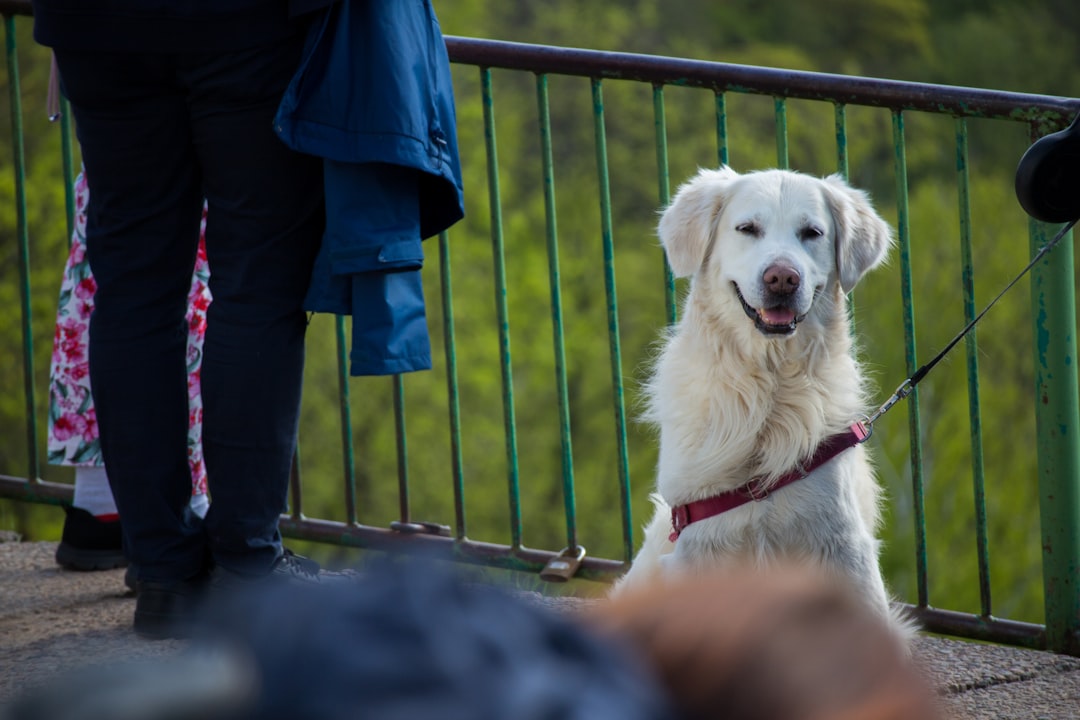
Photo by Robert Noreiko on Unsplash
Golden Retrievers are one of the breeds most affected by hip dysplasia, and their slower maturation, high activity level, and predisposition to other serious health conditions make their care plan genuinely different from other dogs.
Why Are Golden Retrievers So Predisposed to Hip Dysplasia?
Golden Retrievers are genetically predisposed to hip dysplasia because the condition is polygenic — meaning it’s controlled by multiple genes — and those genes are widespread in the breed’s gene pool. According to the Orthopedic Foundation for Animals, a significant percentage of evaluated Golden Retrievers show some degree of hip dysplasia, consistently placing them among the most affected large breeds in the OFA database.
But genetics aren’t the only factor. Goldens mature more slowly than many large breeds — full skeletal maturity often isn’t reached until 18–24 months. During that extended growth window, rapid weight gain, high-impact exercise, and nutritional imbalances can all worsen how the hip joint develops. A puppy whose joints are still forming has a longer period of vulnerability than a breed that matures faster.
The Morris Animal Foundation’s Golden Retriever Lifetime Study — one of the largest longitudinal studies of a single dog breed ever conducted — has documented just how commonly Goldens face musculoskeletal conditions alongside other health challenges including cancer. That overlap matters enormously for how we make care decisions as these dogs age.
The Slower Maturation Factor
Because Goldens have a longer growth phase, the window during which poor nutrition or excessive exercise can influence joint development is extended. High-calcium diets, over-supplementation, and repetitive high-impact activities (like jumping or running on hard surfaces) during the first 12–18 months are all thought to increase the risk of abnormal joint development. Many orthopedic vets and the Golden Retriever Club of America recommend keeping puppies lean and limiting high-impact activities until the growth plates close.
- Genetic predisposition from both parents
- Rapid weight gain during the puppy growth phase (5–12 months)
- High-impact exercise (jumping, running on hard surfaces) before skeletal maturity
- Over-supplementation with calcium during growth
- Being overweight as an adult
How Do I Know If My Golden Has Hip Dysplasia?
The most recognizable early signs of hip dysplasia in Golden Retrievers are a bunny-hopping gait (where both back legs move together instead of alternately), reluctance to rise from lying down, stiffness after rest, and decreased enthusiasm for exercise. These signs can appear in puppies as young as 5–6 months, though some Goldens compensate well and don’t show obvious symptoms until secondary arthritis develops in adulthood.
What makes Goldens tricky is their disposition. These dogs are famously eager to please and often push through discomfort without obvious complaint. A Golden who is quietly less enthusiastic on walks, takes longer to get up in the morning, or hesitates at the bottom of stairs isn’t always flagged as a dog in pain — but those subtle behavioral shifts are worth paying attention to. Our site’s guide on hip dysplasia signs in puppies and young dogs walks through what to look for at each age.
Signs at Different Life Stages
| Life Stage | Common Signs |
|---|---|
| Puppy (5–12 months) | Bunny-hop gait, reluctance to jump, wobbly hindquarters, tires easily |
| Young adult (1–3 years) | Morning stiffness, reduced exercise tolerance, audible click/pop from hips |
| Adult/Senior (4+ years) | Secondary arthritis pain, muscle atrophy over hindquarters, difficulty rising |
 disableddogcare.com
The Elbow Dysplasia Overlap
Golden Retrievers are also predisposed to elbow dysplasia, and the two conditions frequently occur together. If your dog is showing front-leg lameness, swelling around the elbow, or reluctance to fully extend the front legs alongside hip signs, don’t assume it’s all coming from the hips. Ask your vet to evaluate both joints. Managing a dog with both hip and elbow dysplasia requires a carefully balanced exercise plan, because modifications that protect one joint can stress the other.
- Bunny-hopping gait in a puppy or young adult Golden
- Noticeable muscle loss over the hindquarters
- Yelping or flinching when the hips are touched
- Sudden reluctance to do activities they previously enjoyed
- Front-leg lameness alongside hind-end weakness (may suggest elbow dysplasia too)
Early Detection: PennHIP and OFA Screening for Goldens
PennHIP screening can be done as early as 16 weeks of age and measures hip joint laxity — essentially, how loose the ball is within the socket. The result is a distraction index score; a lower score indicates tighter, better-fitting joints. PennHIP is particularly useful for breeding decisions and for catching at-risk puppies early, before lifestyle interventions are most effective.
OFA evaluations are typically done at 24 months, when skeletal maturity is confirmed, and assign a grade ranging from Excellent to Severe based on radiographic hip conformation. A preliminary OFA evaluation can be done before 24 months, but only the 24-month evaluation counts as an official certification.
For Golden Retriever owners who aren’t breeding, PennHIP screening in puppyhood or a preliminary OFA at 12–18 months can still provide actionable information. Knowing early that a puppy has loose hips gives you the opportunity to modify their exercise, keep them lean, and have a frank conversation with your vet about the likelihood of future problems. Cornell’s College of Veterinary Medicine notes that early intervention — particularly weight management and appropriate exercise — is among the most consistently recommended approaches for at-risk puppies.
Managing Golden Retriever Hip Dysplasia From Puppy to Senior
Weight management is the single most impactful lifestyle intervention for hip dysplasia at any age. Every pound of extra weight increases the load on already compromised joints — and Goldens, who are food-motivated and prone to weight gain, need owners who are firm about this. Our diet and weight management guide for hip dysplasia dogs covers the specifics.
Exercise needs to be low-impact, consistent, and appropriate for the dog’s current level of comfort. Short leash walks on soft surfaces, gentle swimming, and controlled activity are generally recommended over repetitive high-impact play. And here’s where Goldens have a natural advantage: most of them love water.
Swimming is one of the best forms of exercise for a dog with hip dysplasia. It builds muscle around the hip joint without the concussive force of land-based movement, and it gives a Golden the active outlet they crave. If you have access to a safe, shallow body of water or a hydrotherapy pool, it’s worth exploring. Our guides on hydrotherapy for hip dysplasia dogs and swimming and water exercise at home have practical guidance on getting started safely.
- Keeping puppies lean throughout the growth phase
- Daily low-impact exercise (swimming, leash walks on grass or dirt)
- Joint supplements like omega-3 fatty acids and glucosamine (discuss with your vet)
- Regular weight checks — monthly at home, quarterly at the vet
- Early PennHIP or OFA screening to guide management decisions
Surgical Options for Golden Retrievers
For young dogs with significant hip laxity and a high likelihood of developing severe arthritis, surgery may be the most effective long-term option. The three main surgical approaches are Triple Pelvic Osteotomy (TPO), Femoral Head and Neck Ostectomy (FHO), and Total Hip Replacement (THR). Our hip dysplasia surgery comparison guide covers these in detail.
TPO is generally most appropriate for puppies under 10 months with good joint coverage but significant laxity — it repositions the hip socket to improve coverage of the femoral head. THR is the gold standard for adult dogs with severe hip arthritis, offering the closest thing to a pain-free normal hip. FHO removes the femoral head entirely and is often chosen for smaller dogs or as a salvage procedure, though outcomes can vary in larger breeds like Goldens.
The surgical decision for a Golden Retriever is sometimes complicated by the breed’s higher-than-average predisposition to cancer. The Morris Animal Foundation’s Golden Retriever Lifetime Study has drawn significant attention to the elevated cancer rates in the breed, and many Golden owners eventually face a situation where they’re weighing orthopedic intervention against concurrent or emerging oncologic concerns. This is a deeply personal and complex decision that genuinely requires individualized guidance from a veterinary team — there’s no universal right answer.
The Cancer Overlap: A Reality for Many Golden Families
Many Golden Retrievers face both hip dysplasia and cancer during their lifetime. When a dog is already in orthopedic decline and a cancer diagnosis arrives, treatment decisions for both conditions become intertwined. Can surgery still improve quality of life if the dog has a concurrent diagnosis? How does chemotherapy affect a dog managing chronic joint pain? These aren’t questions with easy answers.
What I can say from what I’ve heard from owners in this situation: prioritizing quality of life over aggressive intervention at every front is a valid and compassionate choice. A dog who is comfortable, mobile, and engaged is living well — regardless of what the imaging shows. Working with a veterinary team that includes an oncologist and an orthopedic specialist, rather than trying to make these decisions in silos, makes a meaningful difference.
- Sudden inability to rise or bear weight on back legs
- Crying out when touched along the spine or hindquarters
- Complete hind-leg collapse that doesn’t resolve within minutes
- Rapid muscle wasting over the hindquarters (more than a few weeks)
- Front and hind leg lameness simultaneously (rule out other conditions)
Life Expectancy and Quality of Life
Golden Retrievers with hip dysplasia can live full, comfortable lives. The prognosis depends heavily on severity, how early the condition is detected, how consistently management is applied, and whether the dog stays at a healthy weight. Many Goldens managed with conservative care — weight control, appropriate exercise, pain medication when needed, and physical therapy — remain active and happy well into their senior years.
The key is staying ahead of the condition rather than reacting to it. Regular check-ins with your vet, annual (or twice-yearly for seniors) physical exams that include hip assessment, and honest observation of your dog’s comfort level and activity are the practical tools you have. For a breed as communicative and people-oriented as a Golden, your gut sense that something is off is usually worth investigating.
If you’re earlier in this journey and still trying to understand what you’re seeing, the German Shepherd hip dysplasia article on this site offers a comparable structural framework — including guidance on diagnosis and management that translates across large breeds.
Golden Retrievers are resilient, joyful dogs who will work hard to keep up with you even when it hurts. Our job as their caregivers is to make sure they don’t have to.
Related Reading
- Hip Dysplasia in Puppies: Early Signs to Watch For
- Hydrotherapy for Dogs With Hip Dysplasia
- Hip Dysplasia & Swimming: Safe Water Exercise at Home
Frequently Asked Questions
At what age do Golden Retrievers typically show hip dysplasia signs?
Some Goldens show signs as early as 5–6 months of age, particularly a wobbly or bunny-hopping gait. Others don’t develop obvious symptoms until 1–2 years old, or even later in life when secondary arthritis sets in. The breed’s slower physical maturation means signs can be subtle well into the first year.
What is the difference between PennHIP and OFA screening for Golden Retrievers?
PennHIP can be performed as early as 16 weeks and measures joint laxity (looseness), giving you a distraction index score that predicts future arthritis risk. OFA evaluations are typically done at 24 months and provide a pass/fail grade based on hip conformation. Many specialists recommend PennHIP for early breeding decisions, while OFA is the standard registry for adult dogs.
Can a Golden Retriever with hip dysplasia have a good quality of life?
Absolutely. Many Goldens with hip dysplasia live comfortable, active lives with the right combination of weight management, appropriate exercise, pain management, and physical therapy. The key is catching it early and building a consistent management plan with your vet.
Should I be concerned about elbow dysplasia if my Golden has hip dysplasia?
Yes — Golden Retrievers are predisposed to both conditions, and they frequently occur together. If your dog is showing front-leg lameness or reluctance to extend the elbows alongside hip signs, ask your vet to evaluate both joints. Managing elbow and hip dysplasia simultaneously requires a tailored approach because exercise modifications for one joint can affect the other.
This guide is based on real experience and should be used alongside professional veterinary care. Always consult your veterinarian before starting any new treatment or making changes to your dog’s care plan.