Hip Dysplasia in German Shepherds: Signs, Prevention, and Care
GSDs are among the most hip dysplasia-affected breeds. Here's what caregivers need to know about early signs, OFA screening, puppy management, and treatment.
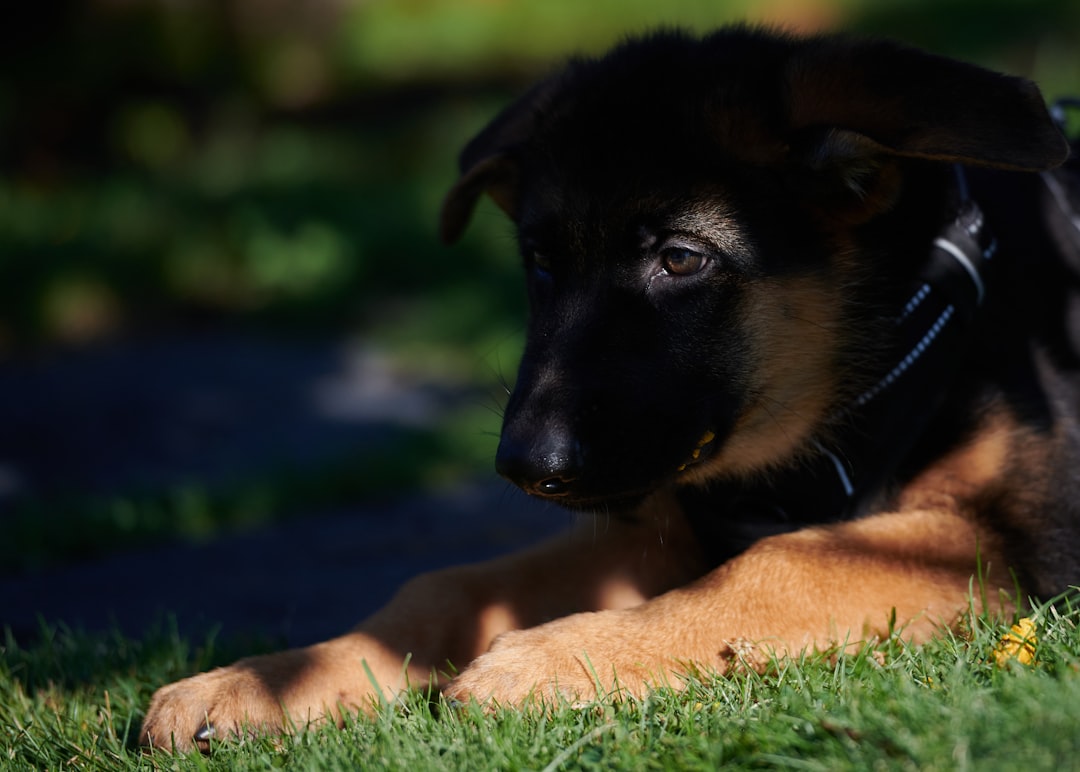
Photo by Steve Smith on Unsplash
German Shepherds are one of the breeds most commonly affected by hip dysplasia — and knowing what to watch for, when to screen, and how to manage it can make an enormous difference in your dog’s comfort and quality of life.
Hip dysplasia in German Shepherds is not a rare, unlucky occurrence. It is a genuine breed-wide health concern, and the Orthopedic Foundation for Animals consistently ranks German Shepherds among the large breeds with high rates of hip dysplasia in their screening database. That doesn’t mean your GSD is doomed — but it does mean you need a plan from puppyhood forward.
Why Are German Shepherds So Prone to Hip Dysplasia?
German Shepherds are genetically predisposed to hip dysplasia, and their characteristic angulated hindquarter conformation plays a role in how the condition develops and expresses itself. Hip dysplasia occurs when the ball (femoral head) and socket (acetabulum) of the hip joint don’t fit together snugly. Instead of a tight, stable joint, there’s laxity — looseness — that causes abnormal movement, cartilage erosion, and eventually painful arthritis.
Several factors converge in GSDs:
- Genetics: Hip dysplasia is polygenic, meaning multiple genes contribute. A puppy bred from two OFA-certified parents still has some risk, but responsible breeding programs meaningfully reduce it over generations.
- Rapid growth rate: Large, fast-growing breeds put significant stress on developing joints. Overfeeding a GSD puppy to accelerate growth is one of the most damaging things an owner can do.
- Breed conformation: The classic show-line GSD with extreme rear angulation places different biomechanical loads on the hip joint than working-line dogs. Many working-line breeders deliberately select for less extreme angulation partly for this reason.
- Muscle conditioning: Dogs with poor hindquarter muscle tone have less support around the joint. This is why exercise management during puppyhood matters so much.
The condition is not caused by any single factor — it’s the interaction of genetics with how a puppy is raised and developed.
What Are the Signs of Hip Dysplasia in German Shepherds?
Hip dysplasia signs in German Shepherds vary significantly by age and disease severity. Catching them early gives you more options.
Puppy and Adolescent Signs (4 months to 2 years)
Young GSDs with significant joint laxity may show signs before their first birthday. Watch for:
- “Bunny hopping”: Moving both back legs together rather than alternating when running — a classic early gait abnormality
- Reluctance to rise: Struggling or being slow to get up from lying down, especially after rest
- Narrow stance in the rear: Standing with back feet closer together than normal
- Exercise intolerance: Tiring quickly or becoming reluctant during walks or play
- Pain on hip manipulation: Flinching or resisting when the hip is extended during examination
Adult Signs (2 years and older)
In adult and senior GSDs, hip dysplasia typically presents as progressive osteoarthritis. Signs include:
- Hind-end lameness: Limping or favoring one or both back legs, often worse after rest
- Muscle wasting: Loss of muscle mass over the hindquarters, particularly the thighs
- Stiffness after rest: Improvement with a few minutes of movement, then worsening again with prolonged activity
- Difficulty with stairs or jumping: Hesitating before getting in the car or climbing steps
- Behavioral changes: Grumpiness, withdrawal, or reluctance to be touched around the hips
One important note: some German Shepherds have radiographic (X-ray) evidence of significant hip dysplasia but appear comfortable, while others show moderate changes on imaging but significant pain. The X-ray and the dog don’t always tell the same story.
- Sudden worsening lameness or refusal to bear weight
- Yelping when touched near the hips or when rising
- Visible swelling around the hip area
- Loss of bladder or bowel control (rule out concurrent spinal disease)
- Rapid muscle loss over the hindquarters
When and How Should You Screen a German Shepherd for Hip Dysplasia?
The two primary hip screening methods used in the US are OFA radiography and PennHIP. Each has a different purpose and optimal timing.
OFA Screening: The OFA evaluates hip X-rays taken at 24 months of age for official breed certification. X-rays taken before 24 months can be submitted for a preliminary evaluation, but they aren’t included in the official database. OFA grades hips as Excellent, Good, Fair, Borderline, Mild, Moderate, or Severe dysplasia.
PennHIP: This method measures distraction index — a numerical score of joint laxity — and can be performed as early as 16 weeks of age. PennHIP is particularly useful for puppies from working lines or high-risk breeding programs where early knowledge guides management decisions. It requires a certified PennHIP practitioner.
For pet owners, the practical question is: when should you ask your vet about hip evaluation? If your GSD puppy is showing any early signs, or if you know the parents weren’t screened, a baseline orthopedic exam at 6–12 months is reasonable. You’re not looking for official certification — you’re looking for information to guide your puppy’s management.
If you’re buying or adopting a GSD puppy, ask the breeder for OFA or PennHIP results on both parents. Reputable breeders screen. If the answer is “we don’t do that,” that tells you something important.
The German Shepherd Dog Club of America (GSDCA) maintains health recommendations for the breed and actively promotes hip screening as a cornerstone of responsible breeding — a resource worth exploring if you’re evaluating a breeding program.
- Official OFA certification requires X-rays at 24 months or older
- Preliminary OFA X-rays can be submitted from 12 months for early guidance
- PennHIP can assess joint laxity as early as 16 weeks
- Both methods require sedation for accurate positioning
- Ask any breeder for documentation — verbal assurances aren’t enough
How Do You Manage a GSD Puppy to Reduce Hip Dysplasia Risk?
You can’t change your dog’s genetics, but you have significant influence over how those genetics express. Puppy management is one of the most actionable things you can do.
Control growth rate: Feed a large-breed puppy formula that’s calibrated to support steady, controlled growth rather than rapid weight gain. The Cornell University College of Veterinary Medicine and other veterinary nutrition experts consistently emphasize that overfeeding large-breed puppies is a modifiable risk factor for developmental joint disease.
Avoid high-impact exercise before growth plates close: Repetitive jumping, rough play on hard surfaces, and forced running (jogging alongside a bicycle, for example) should be avoided until growth plates close — typically around 12–18 months in GSDs, though some large dogs mature later.
Encourage low-impact activity: Swimming, leash walks on varied terrain, and gentle play on grass are excellent for building muscle without hammering developing joints.
Keep your puppy lean: Body condition matters enormously. A slightly lean puppy is far better off than one carrying extra weight. Every pound of extra body weight increases the force on hip joints significantly.
Build hindquarter muscle: Targeted muscle conditioning helps stabilize the hip joint. Hill walking, cavaletti pole exercises, and balance work are all things a canine rehab therapist can teach you — and starting early creates a better foundation.
For structured exercise guidance, the Safe Exercise Routines for Hip Dysplasia Dogs article covers low-impact options that apply to both puppies at risk and dogs already diagnosed.
Treatment Options for Adult German Shepherds With Hip Dysplasia
Treatment approach depends on the dog’s age, the severity of the disease, activity requirements, and your resources. Most dogs start with conservative management, with surgery as an option when that’s no longer enough.
Conservative Management
This is the first line of treatment for most dogs and involves a combination of approaches:
- Weight management: Keeping your GSD at a lean body weight reduces joint load more than almost any other single intervention
- NSAIDs (non-steroidal anti-inflammatory drugs): Medications like carprofen or meloxicam reduce inflammation and pain; these are prescription medications requiring vet oversight
- Joint supplements: Glucosamine, chondroitin, and omega-3 fatty acids are commonly recommended; the evidence is modest but the safety profile is generally good
- Physical rehabilitation: Targeted exercises, hydrotherapy, and therapeutic modalities like laser therapy can meaningfully improve function
- Environmental modifications: Ramps instead of stairs, orthopedic bedding, and non-slip flooring all reduce daily discomfort
For a deeper dive into day-to-day management strategies, the Hip Dysplasia Management: Meds, Supplements & Lifestyle guide covers the full toolkit.
Surgical Options for German Shepherds
When conservative management stops providing adequate quality of life, surgery becomes the conversation. The American College of Veterinary Surgeons outlines the primary surgical options for canine hip dysplasia, and for GSDs specifically, a few factors shape the decision:
| Surgery | Best Candidate | GSD Considerations |
|---|---|---|
| Triple Pelvic Osteotomy (TPO) | Young dogs, no arthritis, significant laxity | Must be done before cartilage damage sets in, typically before 10–12 months |
| Juvenile Pubic Symphysiodesis (JPS) | Very young puppies (14–20 weeks) | Narrow window; requires early PennHIP diagnosis |
| FHO (Femoral Head & Neck Excision) | Dogs where THR isn’t feasible | Outcomes more variable in large, active breeds; generally a salvage option |
| THR (Total Hip Replacement) | Skeletally mature dogs with severe disease | Most consistently effective in large breeds like GSDs; replaces the joint entirely |
 disableddogcare.com
For German Shepherds specifically, THR is generally considered the gold-standard surgical option in adult dogs because their size and activity level mean the pseudojoint that forms after FHO may not provide adequate function. TPO and JPS are genuinely only options in young dogs — the window closes fast. A board-certified veterinary surgeon is the right person to assess which approach fits your dog’s specific situation. For a full comparison of surgical approaches, see Hip Dysplasia Surgery in Dogs: TPO, FHO & THR Compared.
- Maintain a lean body weight — it’s the single highest-impact non-surgical intervention
- Short, frequent walks beat one long daily walk for managing pain and stiffness
- Hydrotherapy (underwater treadmill or swimming) builds muscle without joint impact
- Warm, supportive bedding reduces morning stiffness
- Regular check-ins with your vet to adjust the pain management plan as the disease progresses
What About Working and Sport GSDs?
This is a dimension of GSD hip dysplasia that doesn’t get enough attention in general caregiver resources. Many German Shepherds work as service dogs, police and military dogs, search and rescue dogs, and Schutzhund/IPO sport competitors. The stakes around hip health are different when a dog’s job depends on physical performance.
From what I’ve heard consistently from working-dog handlers and rehab professionals who work with this population: hip dysplasia doesn’t automatically end a working career, but it does require a more proactive management approach than pet-dog owners typically undertake.
Working-dog considerations include:
- Earlier screening: Working programs often use PennHIP precisely because it gives actionable data before a dog is invested in years of training
- Conditioning programs: Elite working dogs often have access to canine rehab professionals who design targeted strengthening programs to maximize joint support
- Surgical timing: A dog with moderate dysplasia and early arthritis may benefit from THR before significant degeneration occurs, rather than waiting until quality of life declines
- Retirement planning: For police and military dogs specifically, handlers and program veterinarians often develop a timeline for transitioning dogs to lighter duties or retirement when hip pain becomes a limiting factor
If your GSD is involved in demanding work or sport, bring the hip dysplasia conversation to your veterinarian early — ideally before signs emerge — so you’re managing proactively rather than reactively.
Life Expectancy and Quality of Life
German Shepherds with hip dysplasia can live full, comfortable lives — especially when the condition is identified early and managed consistently. The prognosis depends heavily on severity, age at diagnosis, and how well the disease is managed over time.
Dogs with mild to moderate hip dysplasia and good muscle conditioning often remain comfortable for years on conservative management alone. Severe cases managed surgically with THR can achieve near-normal function. The dogs who struggle most are typically those whose pain went unrecognized for too long, leading to significant muscle wasting and arthritis before intervention began.
Quality of life is also about recognizing that hip dysplasia is a progressive condition. What works at age 3 may need adjustment at age 7. Staying engaged with your vet, being willing to add or adjust medications as needed, and continuing supportive care through the dog’s life makes a real difference.
To understand what early signs look like specifically in younger dogs, the Hip Dysplasia in Puppies: Early Signs to Watch For article is worth reading alongside this one — especially if your GSD is still in that critical developmental window.
- Your GSD suddenly cannot bear weight on a hind leg
- You notice rapid, visible muscle loss over the hindquarters
- Your dog cries out when lying down, rising, or being touched near the hips
- Signs of pain are not responding to prescribed medication
- You notice any loss of bladder or bowel control (may indicate concurrent spinal disease)
Related Reading
- Hip Dysplasia in Puppies: Early Signs to Watch For
- Hip Dysplasia Surgery in Dogs: TPO, FHO & THR Compared
- Hip Dysplasia Pain Meds: What Vets Actually Prescribe
If you’re reading this because your German Shepherd was just diagnosed, or because you’re watching your puppy with a knot in your stomach, I want you to know: knowledge is the most useful thing you can have right now. Hip dysplasia in a GSD is serious, but it’s also manageable — and dogs who have an engaged, informed caregiver in their corner consistently do better than dogs whose owners feel helpless. You’re already doing the right thing by learning.
Frequently Asked Questions
At what age do German Shepherds usually show signs of hip dysplasia?
Signs can appear as early as 4–6 months in affected puppies, but many GSDs don’t show obvious symptoms until 1–2 years of age or later. Some dogs develop significant arthritis-related signs only in middle or senior age, even if the joint was abnormal since puppyhood.
How is hip dysplasia diagnosed in German Shepherds?
Diagnosis typically involves physical examination and X-rays taken under sedation. The OFA recommends waiting until 24 months for official certification X-rays, though preliminary screening can be done earlier. A specialist may also use the PennHIP method, which can evaluate joint laxity as early as 16 weeks.
Can a German Shepherd with hip dysplasia still work as a service or sport dog?
It depends on severity. Many GSDs with mild to moderate hip dysplasia continue working with appropriate management — pain control, targeted conditioning, controlled activity, and regular monitoring. Severe cases may require surgical intervention before returning to demanding work, and some dogs may need to be retired or transitioned to lighter duties.
What is the most common surgery for hip dysplasia in German Shepherds?
In adult GSDs, total hip replacement (THR) is generally considered the most effective surgical option because it replaces the joint entirely and typically restores near-normal function. FHO (femoral head and neck excision) is a lower-cost alternative, though outcomes in large, active dogs like GSDs are more variable than in smaller breeds.
This guide is based on real experience and should be used alongside professional veterinary care. Always consult your veterinarian before starting any new treatment or making changes to your dog’s care plan.