Diet & Weight Management for Hip Dysplasia Dogs
A hip dysplasia diet starts with calories, not supplements. What I've learned from caregivers and vets about weight loss, omega-3s, and joint nutrition.
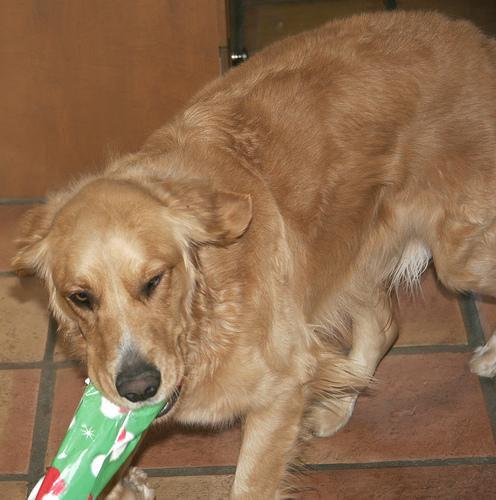
For a dog with hip dysplasia, every extra pound is extra pain — and managing weight is one of the most powerful things you can do at home, starting tonight.
That might sound blunt, but it’s what vets consistently tell caregivers at diagnosis: “The best anti-inflammatory you have is a healthy body weight.” Before the right supplement stack or exercise routine clicks into place, getting a dysplastic dog to a lean body condition often produces the most visible improvement in how they move. Less waddling. More willingness to get up off the bed.
If you’re just starting out with a hip dysplasia diagnosis, you might also want to browse our hip dysplasia care guides — this article fits into a broader picture of managing the condition long-term.
Why Does Weight Matter So Much for Hip Dysplasia?
Hip dysplasia means the ball-and-socket joint in your dog’s hip doesn’t fit together the way it should. The surfaces grind and rub instead of gliding smoothly, and every pound of body weight adds compressive force to that already-damaged joint. But excess body fat doesn’t just add mechanical load — fat tissue itself produces inflammatory compounds that circulate through the body and amplify joint pain independently of weight.
According to VCA Hospitals, maintaining a lean body condition is one of the most effective long-term strategies for managing hip dysplasia. The structural problem isn’t fixable through diet, but the pain level very much is influenced by it.
The good news: this is something you control entirely. You can’t fix the shape of your dog’s hip socket, but you absolutely can manage what goes in the bowl.
- Run your hands along your dog’s ribcage — you should feel each rib with light pressure, not have to dig for them
- Look down at your dog from above — there should be a visible waist behind the ribs
- View from the side — the belly should tuck up slightly, not hang level with the chest
- Most vets use a 1–9 scale; aim for a score of 4 or 5
- If you can’t feel ribs at all without pressing firmly, your dog is likely overweight — talk to your vet about a target weight
How Do I Actually Get My Dog to Lose Weight?
Calorie reduction combined with consistent measurement is the foundation of weight loss for dogs with hip dysplasia. Most dogs lose weight reliably when fed 20–25% fewer calories than their maintenance requirement, calculated from their ideal weight rather than their current weight.
Calculate Calories First
Start by finding out how many calories are in your dog’s current food — it’s usually printed on the bag as “kcal/cup” or available on the manufacturer’s website. Then ask your vet for an ideal target weight and use that number, not the current weight, to calculate how much to feed. Feeding to current weight when your dog is overweight simply maintains the problem.
A rough guideline: most adult dogs need approximately 25–30 calories per pound of ideal body weight per day for maintenance. For active weight loss, reduce that by 20–25%. The exact number matters less than being consistent and tracking monthly progress on a scale.
Switch to a Lower-Calorie Food — Carefully
Not all “weight management” foods are equal. Some simply add insoluble fiber as filler. What you actually want in a food for a hip dysplasia dog is:
- High-quality protein: Preserves muscle mass during weight loss. Muscle is essential — your dog needs it to actively support those compromised joints.
- Reduced fat: Fat is calorie-dense; lowering fat content reduces calories without shrinking meal volume as dramatically.
- Omega-3 fatty acids (EPA and DHA): Genuinely anti-inflammatory and worth prioritizing. Look for fish meal or fish oil in the first several ingredients, or add a supplement.
- Glucosamine and chondroitin: Many joint-health formulas include them at therapeutic levels. They’re not a cure, but they’re a reasonable addition with a good safety profile.
Transition any new food over 7–10 days: start with 25% new food mixed into 75% old, move to 50/50 after a few days, then 75% new. Switching too quickly causes digestive upset, which is the last thing a dog who already dislikes getting up needs.
Measure Every Single Time
Free-feeding or eyeballing portions is one of the fastest ways to accidentally overfeed. A digital kitchen scale for dry kibble takes about ten seconds per meal and removes all guesswork. Measuring cups are notoriously inconsistent — the same cup can vary by 20% depending on how loosely the kibble packs.
- Treats can account for 30% or more of daily calorie intake if you’re not actively tracking them
- Count every treat toward the daily calorie budget — not in addition to it
- Break regular treats into smaller pieces to maintain the same number of rewards with fewer calories
- Low-calorie treat swaps: carrot sticks, green bean pieces, cucumber slices, plain cooked chicken in tiny amounts
- If your dog takes medication wrapped in food, factor those calories in too
Feed Multiple Small Meals
Splitting daily food into two or three smaller meals instead of one large one helps reduce the persistent hunger that leads owners to add “just a little extra.” It can also reduce discomfort in dogs who bolt their food and then need to lie down — a common issue for hip dysplasia dogs who find getting up and down painful.
What Supplements Actually Help?
The supplement landscape for hip dysplasia is crowded with products that promise more than they can deliver. These are the ones with the strongest evidence base or the most consistent positive feedback from caregivers and rehab specialists:
- Omega-3 fatty acids (fish oil): The most evidence-backed option. Anti-inflammatory, well-tolerated, and inexpensive. Dose matters — too little does nothing. Ask your vet for a weight-appropriate dose, as therapeutic anti-inflammatory dosing is higher than what most products suggest on the label.
- Glucosamine and chondroitin: Support cartilage structure. Evidence is moderate rather than definitive, but they’re safe and many dogs appear to do better on them long-term.
- Green-lipped mussel: Contains a unique omega-3 profile not found in standard fish oil, and has some genuinely encouraging supporting data for joint pain in dogs.
- CBD oil: Increasingly popular, and emerging research suggests potential benefit for pain management. Quality varies enormously — if you go this route, use a product with a Certificate of Analysis and discuss dosing with your vet before starting.
I cover the supplement evidence in more depth in our supplements for hip dysplasia dogs guide if you want to dig into specific products and dosing ranges.
- Swap 10% of kibble volume for green beans or carrots to reduce calories without reducing perceived meal size
- Add a daily fish oil capsule — it’s inexpensive, safe, and one of the most consistently recommended interventions by rehab vets
- Use a slow feeder bowl to reduce gulping and help your dog feel more satisfied after meals
- Weigh your dog on the same scale at the same time of day each month — catch creeping gain before it becomes a problem
Are There Foods to Actively Avoid?
Most of the diet conversation for hip dysplasia dogs focuses on what to add, but what to limit matters just as much.
- High-sodium foods and toppers: Excess sodium can contribute to water retention and inflammation. Table scraps, deli meat, and certain commercial food toppers are common culprits.
- Calorie-dense chews: Pig ears, bully sticks, and large rawhides can add hundreds of calories per session. If your dog loves to chew, raw carrots or purpose-made low-calorie dental chews are better alternatives.
- Grain-free diets without veterinary guidance: Grain-free formulas became popular partly on the premise of being lower-carb and anti-inflammatory, but the FDA raised concerns about a potential link between certain grain-free diets and dilated cardiomyopathy in dogs. This remains an active area of research — if you’re considering grain-free, discuss it with your vet first.
- Excessive supplementation: More isn’t always better. High doses of fat-soluble vitamins (A, D, E, K) can accumulate to toxic levels. Stick to recommended doses and don’t layer multiple joint supplements that duplicate the same ingredients.
- Your dog has lost more than 2% of body weight per week — that pace can cause muscle loss, which is counterproductive for joint support
- Your dog is losing weight but seems more lethargic or uncomfortable, not less
- Despite strict portion control your dog isn’t losing weight after 6–8 weeks — some dogs have underlying thyroid or metabolic issues that require diagnosis
- Your dog refuses food for more than 24–48 hours — pain can suppress appetite, and that’s a separate problem to address
When Weight Loss Isn’t Enough
Diet and weight management are powerful tools, but they won’t reverse structural damage to your dog’s hips. If your dog is already in significant pain, weight loss is one piece of a larger puzzle that typically also includes medication, physical therapy, and for some dogs, surgery.
According to the AKC’s overview of canine hip dysplasia, treatment options range from lifestyle management to total hip replacement depending on severity and age. Weight control remains important even when other interventions are used — it makes medications work more effectively and reduces the recovery burden after surgery.
If you’re weighing treatment paths, our hip dysplasia pain medications guide walks through the pharmaceutical options that are commonly used alongside diet management.
The first few months of managing hip dysplasia can feel overwhelming. But food and weight are among the most concrete, immediately actionable things on the entire list. You can start tonight. Adjust the portions. Add the fish oil. Check those ribs. Consistent small changes compound into real, visible improvement over time.
Related Reading
- Hip Dysplasia Home Care: Comfort, Exercise & Diet
- Hip Dysplasia Management: Treatment & Lifestyle Guide
- How to Tell If Your Dog Is in Pain From Hip Dysplasia
- Mobility tracker: track mobility as weight drops
Frequently Asked Questions
How much weight loss actually helps a dog with hip dysplasia?
Even a 5–10% reduction in body weight can meaningfully reduce the load on your dog’s hip joints and decrease pain. Maintaining a lean body condition is widely considered one of the most effective long-term strategies for managing hip dysplasia and may delay the need for surgical intervention.
Are there specific dog foods formulated for hip dysplasia?
There’s no single “hip dysplasia diet,” but foods with added omega-3 fatty acids, controlled calories, and joint-supporting nutrients like glucosamine and chondroitin are worth looking for. Your vet can also recommend prescription joint-health formulas.
Should I give my hip dysplasia dog a raw or home-cooked diet?
Some owners see improvements with fresh or home-cooked diets, but it’s easy to create nutritional imbalances without guidance. If you want to explore this route, work with a board-certified veterinary nutritionist to ensure the diet is complete and balanced.
How do I know if my dog is at a healthy weight?
Use the body condition score (BCS) method: you should be able to feel your dog’s ribs easily without pressing hard, and there should be a visible waist when viewed from above. Most vets use a 1–9 scale, with 4–5 being ideal.
This guide is based on real experience and should be used alongside professional veterinary care. Always consult your veterinarian before starting any new treatment or making changes to your dog’s care plan.