Cold Laser Therapy for Hip Dysplasia Dogs
Cold laser therapy may ease hip dysplasia pain without drugs. What owners actually see, how sessions work, and whether it's worth trying for your dog.
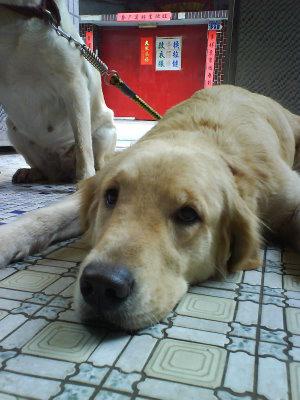
Cold laser therapy is one of the most underused comfort tools for dogs with hip dysplasia, and once you’ve watched a dog relax into a session, you’ll understand why so many rehab vets swear by it.
What Is Cold Laser Therapy, and How Does It Work?
Cold laser therapy (more formally called low-level laser therapy (LLLT) or photobiomodulation) uses wavelengths of light (typically in the red and near-infrared range) to penetrate tissue and stimulate cellular processes involved in healing and inflammation control. The word “cold” just means the laser doesn’t generate heat that damages tissue; it’s not a surgical laser.
At a cellular level, the light energy is thought to stimulate mitochondria (the energy-producing parts of your dog’s cells), which may trigger a cascade of effects: reduced inflammation, improved circulation to the area, and faster tissue repair. Think of it like giving tired, inflamed cells a gentle jump-start.
What this means practically for a hip dysplasia dog is that the hip joint, surrounding muscles, and the tissues that have been working overtime to compensate for a malformed joint all get targeted. Many rehab vets and canine physical therapists consider it a foundational part of a conservative hip dysplasia management plan, alongside safe exercise routines and weight management.
- Photo = light
- Bio = living tissue
- Modulation = changing or regulating
- It’s just a fancy way of saying “using light to change what’s happening in the body’s cells.” Vets may use the terms interchangeably.
Does Cold Laser Therapy Actually Help Dogs With Hip Dysplasia?
The honest answer is: for many dogs, yes, but it’s not a cure, and it works best as part of a broader care plan. Cold laser therapy doesn’t rebuild cartilage or correct the structural misalignment of a dysplastic hip. What it can do is reduce the chronic inflammation that makes hip dysplasia so painful day to day, and improve circulation to muscles and soft tissue that get chronically strained when a dog compensates for an unstable hip.
From what I’ve seen and heard from other owners in the disabled dog community, the feedback tends to be consistent: dogs who go through a full loading phase (that initial 2–3 sessions per week period) often show noticeable improvements in their willingness to get up, take stairs, or go for short walks. It’s usually not dramatic overnight, but over several weeks, the change accumulates.
According to the American Veterinary Medical Association, photobiomodulation therapy has growing evidence behind it for soft tissue pain and wound healing — though research specific to canine hip dysplasia is still catching up with clinical practice.
What the Sessions Actually Look Like
Your vet or rehab therapist will hold a handheld laser wand close to the skin over your dog’s hips, moving it in slow passes across the target area. Sessions are quiet. No sedation, no needles, no recovery time needed. Most dogs either stand calmly, lie relaxed, or — honestly — fall asleep. Sessions usually run 10–20 minutes depending on the area being treated and the power of the device.
The light isn’t visible to the naked eye at therapeutic wavelengths, so it looks a little anti-climactic if you’re expecting something dramatic. A lot of owners ask “is it actually doing something?” It is — you just can’t see it.
- Getting up from rest more easily after a series of sessions
- Less stiffness in the first few minutes of movement
- More willingness to climb stairs or jump onto a low surface
- Sleeping more soundly (less shifting to find comfort)
- More relaxed posture in the hips and lower back
How Do I Know If My Dog Is a Good Candidate?
Most dogs with hip dysplasia can benefit from cold laser therapy at any stage, but dogs in the mild-to-moderate range tend to show the clearest, most consistent responses. Dogs in the very early stages with minimal symptoms may see less obvious improvement simply because they weren’t as impaired to begin with. Dogs in severe late-stage hip dysplasia may still benefit, but their response might be more modest, and the therapy may be one tool of many in a more intensive pain management plan.
A few situations where laser therapy is particularly worth discussing with your vet:
- Dogs who can’t tolerate NSAIDs: Laser therapy is a genuinely drug-free option, which matters for dogs with stomach sensitivity or liver concerns.
- Dogs recovering from hip surgery: Cold laser is widely used post-operatively to support healing and reduce inflammation.
- Seniors with concurrent conditions: Because there are no systemic drug effects, it stacks well with other treatments.
- Dogs with secondary muscle pain: Hip dysplasia causes enormous muscle compensation, and cold laser can target those aching muscles directly.
If your dog has a history of cancer, laser therapy near tumor sites is typically avoided. Your rehab vet will screen for this during the intake assessment.
- Active cancer: Laser therapy is generally avoided over or near tumor sites
- Pregnancy: Not routinely used in pregnant dogs
- Direct eye exposure: Protective eyewear is standard during sessions — make sure your vet is using it
- Open wounds at the treatment site: The protocol may need to be modified
What to Expect in the First Few Weeks
The first session often produces a mild, short-lived relaxation effect, and some dogs seem a little looser in their movement the same day, then return to baseline. That’s normal. The cumulative loading phase is where the real work happens.
Most rehab protocols for hip dysplasia look something like this:
- Weeks 1–3: 2–3 sessions per week (the loading phase)
- Weeks 4–6: Taper to 1 session per week
- Ongoing: Monthly maintenance sessions, or as-needed when flare-ups occur
Some dogs plateau — that’s worth noting. If you’re three weeks into a loading phase and seeing zero change, tell your vet. They may adjust the power settings, the treatment area, or recommend combining it with physical therapy or hydrotherapy for better results.
Cold laser therapy costs vary widely, typically $30–$75 per session at a general vet clinic, more at a specialist rehab facility. Many caregivers find a package deal for the loading phase makes it more manageable. It’s not cheap, but compared to ongoing NSAID prescriptions or the cost of surgery, a lot of families find it fits into a sustainable long-term plan.
- Look for a Certified Canine Rehabilitation Practitioner (CCRP) or Certified Canine Rehabilitation Therapist (CCRT)
- Ask specifically about Class IV lasers — higher-powered units that can reach deep hip tissue more effectively than lower-class devices
- Your regular vet may offer it, or can refer you to a rehab-focused practice
Related Reading
- Hip Dysplasia Home Care: Comfort, Exercise & Diet
- Physical Therapy for Hip Dysplasia Dogs
- How to Tell If Your Dog Is in Pain From Hip Dysplasia
Frequently Asked Questions
How many laser therapy sessions does a dog with hip dysplasia typically need?
Most rehab vets start with a loading phase of 2–3 sessions per week for 3–4 weeks, then taper to monthly maintenance visits. The exact number varies by the dog’s severity and how well they respond to the initial series.
Is cold laser therapy painful for dogs?
No — most dogs find it relaxing. The laser produces a gentle warming sensation at most, and many dogs will actually doze off during sessions. There’s no cutting, no needles, and no sedation required.
Can I do cold laser therapy at home for my dog’s hip dysplasia?
Home devices exist, but they’re lower-powered than clinical units and require correct technique to be useful. If you’re considering one, talk to your vet first — using the wrong settings or targeting the wrong tissue can mean you’re simply not achieving anything therapeutic.
Does cold laser therapy work for all dogs with hip dysplasia?
Not every dog responds the same way. Many caregivers and rehab specialists report noticeable improvement in comfort and ease of movement, but results vary. Dogs with moderate hip dysplasia tend to respond more visibly than those in very late-stage severe joint breakdown, though even those dogs may see some benefit from reduced soft-tissue inflammation.
Living with a hip dysplasia dog is a long game — there’s no single intervention that fixes everything. But cold laser therapy has become one of those tools I hear about again and again from owners who tried it skeptically and ended up making it part of their regular routine. If your dog is struggling with the daily ache of hip dysplasia and you haven’t explored this option yet, it’s worth a conversation with your vet. Sometimes the gentlest-looking treatments do more than you expect.
This guide is based on real experience and should be used alongside professional veterinary care. Always consult your veterinarian before starting any new treatment or making changes to your dog’s care plan.