Can You Feel Hip Dysplasia in a Dog?
Can you actually feel hip dysplasia in your dog at home? Here's what owners notice by touch, what vets check during an exam, and when hands-on findings need…
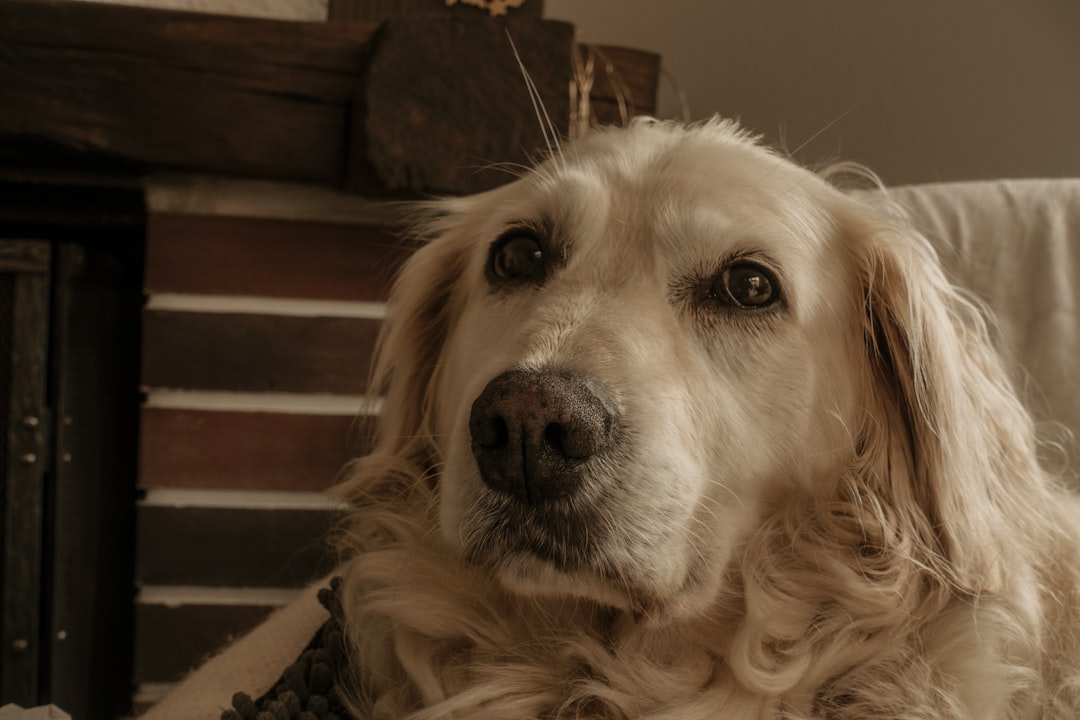
Photo by Claudio Carrozzo on Unsplash
You can feel some signs of hip dysplasia in a dog, but the full picture almost always requires a veterinary exam and X-rays — what your hands detect at home is more like a clue than a diagnosis.
If you’ve been running your hands along your dog’s back end and noticed something that doesn’t feel quite right — a subtle crunch, a hip that feels looser than the other, or muscle that just isn’t there anymore — you’re not imagining things. Many owners pick up on hip dysplasia by touch before they even know what they’re feeling. The problem is, there’s a big difference between “something feels off” and “I know what’s wrong.” Let me walk you through what hands-on findings actually mean, what vets check in the exam room, and when imaging becomes the next necessary step.
What Can You Actually Feel at Home?
At home, owners can detect three main physical changes associated with hip dysplasia: crepitus (a grinding or clicking sensation during hip movement), visible and palpable muscle atrophy over the hindquarters, and apparent asymmetry between the two rear limbs. None of these findings confirms hip dysplasia on their own, but they’re worth taking seriously.
Crepitus: The Grinding Sensation
Crepitus is the medical term for the grating or crunching feeling you get when a damaged joint moves. With hip dysplasia, the femoral head (the ball of the hip joint) doesn’t fit snugly into the acetabulum (the socket). Over time, the cartilage wears down and the bones rub against each other. When you gently rotate or flex your dog’s back leg while placing a hand over the hip, you may feel or even faintly hear this sensation.
To check for it, have your dog lie on their side on a stable surface. Place one hand gently over the hip joint — the area at the top of the thigh, just below the pelvis. With your other hand, slowly rotate the leg in a small circular motion. Grinding, clicking, or a sense of catching are all worth flagging to your vet.
Muscle Loss Over the Hindquarters
Muscle atrophy over the rear end is often the first thing owners notice visually and by touch. When a dog is chronically compensating for hip pain, they shift weight forward onto their front limbs, and the hindquarter muscles gradually waste away from underuse.
Run your hands along both sides of your dog’s rear end simultaneously, comparing left to right. In a healthy dog, the muscles on each side should feel roughly symmetrical and firm. With hip dysplasia, you may notice one side (or both) feels noticeably flatter or softer than it should. The area around the spine at the base of the tail may also feel more prominent than usual because there’s less muscle filling it in.
A Hip That Feels Looser Than the Other
This one is harder to detect without experience, but some owners notice that one hip seems to move with more “play” than the other when they handle their dog’s back legs. In a normal hip joint, there should be very little looseness. Excessive laxity — the joint moving in ways it shouldn’t — is a hallmark of hip dysplasia, especially in younger dogs.
- Stop immediately if your dog pulls away, yelps, or shows any sign of pain
- Never force a leg into extension or rotation
- Skip the home check entirely if your dog is already showing significant lameness
- These checks are informational — not diagnostic — and should be followed by a vet visit
What Does a Vet Feel for During a Hip Exam?
During a proper veterinary exam, vets use specific, deliberate maneuvers to assess hip joint health. These go well beyond what owners can safely replicate at home.
Ortolani Sign: The Ortolani maneuver is the gold-standard hands-on test for hip laxity, most reliable in dogs under 12 months. The vet flexes the hip, applies pressure along the femur toward the socket, then slowly abducts the leg outward. In a dysplastic hip with significant laxity, there’s a detectable “clunk” as the femoral head slips back into the acetabulum. A positive Ortolani sign strongly suggests hip laxity and warrants X-rays.
Hip Extension Test: The vet extends the rear leg backward while watching and feeling for pain, resistance, or abnormal movement. Many dysplastic dogs will flinch, resist, or show discomfort during this maneuver even when they seem fine on a casual exam.
Barlow Maneuver: Similar to Ortolani but assessing the reverse movement — detecting how easily the femoral head can be displaced out of the socket. More commonly used in puppies.
Muscle Symmetry Assessment: Vets run their hands along both hindquarters, the same way I described above, but with trained hands that know exactly what deviation from normal looks and feels like.
Gait Analysis: Before and after hands-on palpation, the vet watches your dog walk and trot. A swaying gait, bunny-hopping at a trot, or reluctance to bear weight on the rear all contribute to the clinical picture. The article on bunny hopping in dogs covers that specific gait sign in more detail.
- Physical exam findings can strongly suggest hip dysplasia but cannot confirm it
- Mild-to-moderate dysplasia can sometimes feel nearly normal on exam
- Severe muscle tension can mask joint laxity during palpation
- X-rays are required to assess the degree of joint remodeling, bone changes, and arthritis
- The Orthopedic Foundation for Animals maintains breed-specific hip scoring data based on radiographic evaluation — not physical exam alone
Does Pain Response Tell You Anything?
Pain on hip manipulation is a real finding, but it’s not specific to hip dysplasia. Many dogs with hip dysplasia are stoic about pain, especially if they’ve been living with it gradually for a long time. They’ve adapted. Meanwhile, some dogs react dramatically to even gentle handling because they’re anxious, or because they have a concurrent condition like arthritis that’s causing the sensitivity.
What pain response does tell you is that something in that joint is worth investigating. If your dog pulls away, vocalizes, or shows whale eye when you extend that back leg, take it seriously — don’t chalk it up to drama.
- Document exactly what you noticed and when — be specific (which leg, what movement)
- Take a short video of your dog walking and trotting before the vet visit
- Mention any behavioral changes: reluctance to jump, altered gait, less activity
- Request a full orthopedic exam, not just a general wellness check
- Ask whether sedated X-rays or PennHIP testing would be appropriate for your dog’s age and breed
What Imaging Adds That Hands Can’t
Physical examination is a starting point. X-rays are where the diagnosis gets confirmed and graded. Radiographs show the shape of the acetabulum (whether it’s shallow or deformed), the fit of the femoral head in the socket, the degree of joint laxity under anesthesia, and the extent of any secondary arthritis that has developed. All of that shapes treatment decisions in ways that no amount of hands-on palpation can.
If your dog is young and you’re specifically concerned about breeding or early intervention, PennHIP radiography is a more sensitive method for quantifying hip laxity than standard hip-extended X-rays. Your vet can refer you to a PennHIP-certified practitioner if that’s relevant.
For a broader look at what physical signs accompany hip dysplasia beyond what you can feel, the article on signs of hip dysplasia in adult dogs is worth reading alongside this one. And if you’re already managing a confirmed diagnosis, hip dysplasia pain medications breaks down what vets actually prescribe and why.
The hands-on piece of this puzzle matters. Trust what you’re feeling. But let the imaging tell the rest of the story.
Related Reading
- Signs of Hip Dysplasia in Adult Dogs
- How to Tell If Your Dog Is in Pain From Hip Dysplasia
- Bunny Hopping in Dogs: What It Means
Frequently Asked Questions
Can I feel hip dysplasia in my dog at home?
You may notice reduced range of motion, muscle loss over the hindquarters, or a grinding sensation when you gently rotate the hip — but you can’t diagnose hip dysplasia by touch alone. A veterinary physical exam followed by X-rays is necessary for a confirmed diagnosis.
What does a vet feel for when checking a dog’s hips?
Vets check for laxity (looseness) in the hip joint, crepitus (a grinding or clicking sensation), pain on extension, asymmetrical muscle mass, and a positive Ortolani sign — a subtle clunk felt when the femoral head slips back into the socket during manipulation.
At what age can hip dysplasia be felt or detected?
Puppies as young as 4 months can show joint laxity that a vet can detect on exam, though clinical signs often appear between 5 and 12 months. In slower-onset cases, owners may not notice anything until middle age when arthritis compounds the joint damage.
Does a grinding feeling in my dog’s hips always mean hip dysplasia?
Not necessarily. Crepitus (grinding) can come from hip dysplasia, arthritis, or other joint changes. Only a vet can differentiate the cause — so if you’re feeling or hearing grinding in your dog’s hip, schedule an exam rather than guessing.
This guide is based on real experience and should be used alongside professional veterinary care. Always consult your veterinarian before starting any new treatment or making changes to your dog’s care plan.