Bunny Hopping in Dogs: What It Means
Saw your dog run with both back legs moving together? That's called bunny hopping — and it's one of the earliest signs of hip dysplasia caregivers often miss.
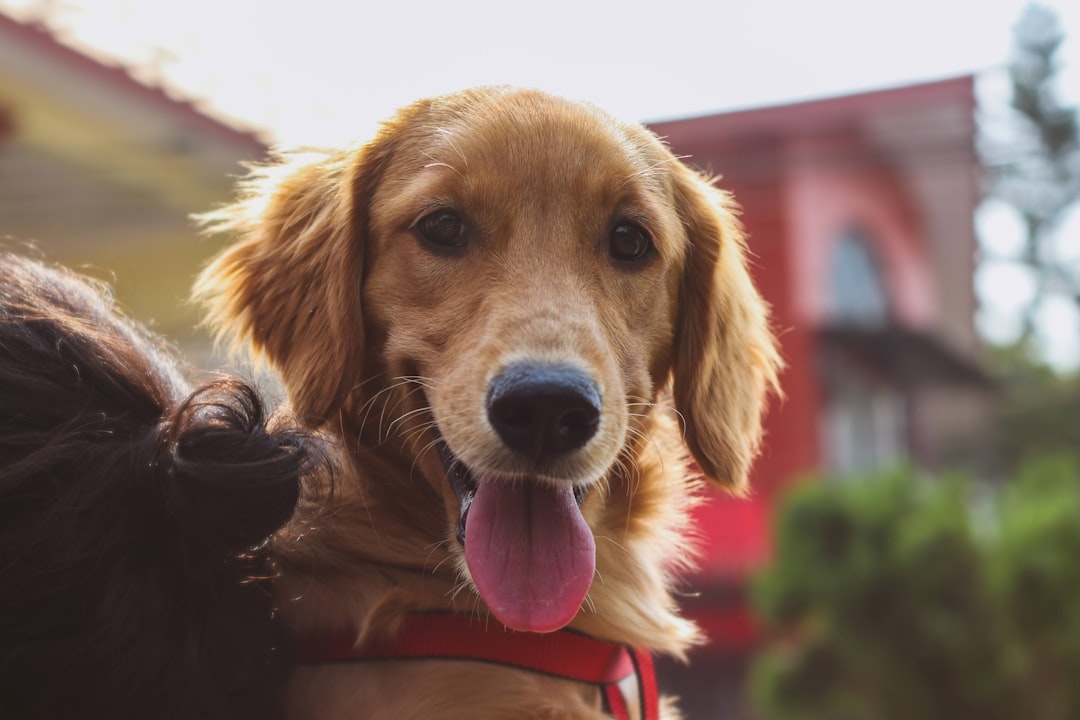
Photo by Anushka Sharma on Unsplash
If your dog runs with both back legs pushing off the ground at the same time — like a bunny bounding across a yard — that gait has a name, and it’s worth paying attention to.
What Exactly Is Bunny Hopping in Dogs?
Bunny hopping is when a dog uses both hind legs simultaneously instead of moving them in an alternating stride. Rather than a normal, fluid trot where the back legs move one-at-a-time, the dog pushes off with both rear legs together, producing a bounding or skipping motion. It looks almost like a rabbit running — which is exactly where the name comes from.
It’s most obvious at a trot or when a dog is running across an open yard. Some owners first notice it when their dog goes up stairs, lunges for a toy, or takes off after something. The gait can look almost cute at first glance, which is why it sometimes goes unaddressed for months.
The movement isn’t random. Dogs bunny hop because it reduces the independent loading and rotation of each hip joint. By moving both legs together, they minimize the painful or uncomfortable range of motion in dysplastic hips. It’s a coping mechanism — and a fairly effective one in the short term, which is part of why dogs with early hip dysplasia often seem otherwise fine.
Why Is Hip Dysplasia the Most Common Cause?
Hip dysplasia is a developmental condition where the ball (femoral head) and socket (acetabulum) of the hip joint don’t fit together snugly. The Orthopedic Foundation for Animals tracks hip dysplasia prevalence across breeds and has documented it as one of the most common orthopedic conditions in dogs — particularly in larger breeds.
When the joint is loose or malformed, the dog experiences instability and, over time, inflammation and pain. Moving both hind legs together reduces the rotation each hip must perform independently. The dog is essentially doing damage control with every stride.
Bunny hopping tends to appear before a dog shows obvious lameness or yelping. That’s what makes it such a useful early signal. By the time a dog is limping or reluctant to get up, joint deterioration is often already in progress. The gait change is the canary in the coal mine.
- German Shepherds, Golden Retrievers, and Labrador Retrievers have some of the highest rates of hip dysplasia
- Large and giant breeds generally carry the most risk — Great Danes, Saint Bernards, Rottweilers, and Mastiffs are frequently affected
- Some medium breeds also show significant rates, including Bulldogs and Pugs
- Smaller breeds are not immune, but hip dysplasia is far less common in dogs under 20 lbs
What Other Conditions Can Cause Bunny Hopping?
Bunny hopping is most strongly linked to hip dysplasia, but it’s not the only cause. A few other conditions can produce a similar compensatory gait.
- Soft tissue injuries: Strains to the muscles, tendons, or ligaments around the hip or lower back can temporarily cause a bunny-hop pattern, especially in active dogs after rough play or a jump gone wrong.
- Bilateral hind-leg weakness: Neurological conditions that affect both hind limbs — such as degenerative myelopathy in its early stages — can produce a gait that resembles bunny hopping. The mechanism is different, but the visual presentation can overlap.
- Lumbosacral disease: Problems at the junction of the spine and pelvis can create compensatory movement patterns in the hind end that mimic bunny hopping.
- Cruciate ligament issues: If both rear knees (stifles) are affected, a dog may move in a bunny-hop pattern to reduce load on both joints simultaneously.
This overlap is exactly why a vet visit matters. The gait alone doesn’t tell you the cause — x-rays, an orthopedic exam, and sometimes a neurological evaluation are needed to sort it out accurately.
- Bunny hopping that’s been going on for more than 2–3 weeks
- A young dog (under 18 months) in a large breed showing any abnormal gait
- Bunny hopping paired with reluctance to climb stairs, jump, or rise from rest
- Any sudden worsening of an existing gait abnormality
How Do You Know If the Bunny Hop Is From the Hips or Something Else?
You can’t know for certain without a veterinary exam, and that’s genuinely the honest answer. But there are some patterns that point more strongly toward hip dysplasia specifically.
Hip-dysplasia-related bunny hopping tends to be consistent and bilateral — both hips are usually involved, even if one is worse than the other. It’s often present from puppyhood or young adulthood in predisposed breeds. You may also notice a subtle sway in the hindquarters when the dog walks slowly, muscle loss over the rump compared to the shoulders, or a narrow stance in the back end.
If the bunny hopping came on suddenly after a specific incident, or if the dog is otherwise fully normal at a slow walk, a soft tissue injury or single-joint problem is more likely than hip dysplasia. Neurological causes tend to come with additional signs — wobbling, knuckling (the paw flipping under instead of landing flat), or weakness that extends to the front end over time.
For more on distinguishing hip problems from spine or disc issues, the article on back pain or hips: IVDD vs arthritis and hip dysplasia goes deeper on the diagnostic overlap.
What Will the Vet Actually Do?
Your vet will assess the whole picture — gait observation, muscle symmetry check, hands-on hip manipulation, and x-rays. The Ortolani test is a specific maneuver where the vet gently rotates the hip and feels for a “clunk” of instability. It’s not pleasant for the dog, but it’s very informative.
X-rays confirm what the physical exam suggests. They can show how well the femoral head sits in the socket, early arthritic changes around the joint, and how severe the laxity (looseness) is. Hip scoring systems like the OFA grading scale (Excellent, Good, Fair, Borderline, Mild, Moderate, Severe) give you a concrete picture of where the dog stands.
From there, your vet will talk through management options. In young dogs caught early, there are surgical interventions that can improve joint conformation before arthritis sets in. In older dogs or milder cases, conservative management — weight control, appropriate exercise, supplements, and pain management — is the more common path. The signs of hip dysplasia in puppies and young dogs article covers the early-detection angle in more detail.
- Record a short video of your dog running or trotting — your vet can watch the gait even before the appointment
- Note when it happens (only running? stairs too? getting up from rest?)
- Check whether the dog is favoring one side or if both hind legs look equally affected
- Look up whether your dog’s breed has documented hip dysplasia risk — it’s worth knowing before the appointment
Does Catching It Early Actually Matter?
Yes, meaningfully so. Dogs diagnosed with hip dysplasia before significant arthritis has developed have more management options available to them. Surgical options like triple pelvic osteotomy (TPO) are most appropriate in young dogs before joint changes set in. Weight management, targeted physical therapy, and appropriate exercise can slow the progression of secondary arthritis when started early.
A dog that bunny hops for two years before anyone looks into it is a dog that has been compensating — building muscle imbalances, loading other joints unevenly, and quietly accumulating joint wear. From what I’ve seen in talking with other owners and rehab therapists, the ones who noticed the gait early and acted on it consistently have an easier road ahead.
For practical day-to-day care once you have a diagnosis, the hip dysplasia home care guide is a good next step.
Related Reading
- Signs of Hip Dysplasia in Puppies: Early Signs to Watch For
- Signs of Hip Dysplasia in Adult Dogs
- Hip Dysplasia Home Care: Comfort, Safe Exercise & Diet
Frequently Asked Questions
Is bunny hopping in dogs always a sign of hip dysplasia?
Bunny hopping is strongly associated with hip dysplasia, but it can occasionally appear with other conditions like soft tissue injuries or neurological problems. A veterinary exam and x-rays are the only way to confirm the cause. Don’t assume the best — get it checked.
Can a puppy bunny hop and still be healthy?
Some very young puppies have a loose, floppy gait that smooths out as their muscles develop. But persistent bunny hopping past 4–5 months of age, especially in large or giant breeds, warrants a vet check. Early detection genuinely changes the management options available to you.
Does bunny hopping mean my dog is in pain?
Not always — at least not pain they’ll show you. Hip dysplasia dogs often compensate well in early stages, so the abnormal gait appears before obvious discomfort. By the time a dog seems sore, joint changes are often already underway. The gait is a warning sign, not a pain indicator on its own.
What happens at the vet if I bring in a dog that bunny hops?
Your vet will do a physical and orthopedic exam — checking hip range of motion, muscle symmetry, and specific tests like the Ortolani maneuver. They’ll likely recommend x-rays to assess the hip joint. From there, they can tell you whether you’re dealing with hip dysplasia and how advanced it is.
This guide is based on real experience and should be used alongside professional veterinary care. Always consult your veterinarian before starting any new treatment or making changes to your dog’s care plan.