Bilateral Hip Dysplasia: When Both Hips Go
Most hip dysplasia dogs have it in both hips — not just one. What bilateral involvement actually means for pain, surgery choices, and daily care.
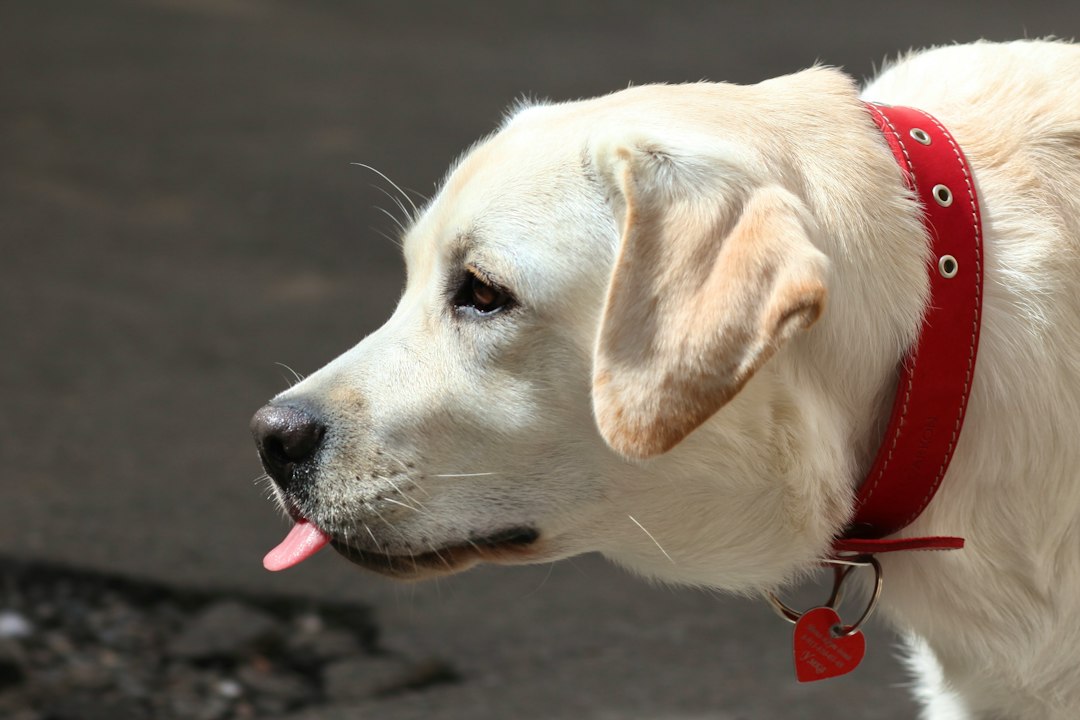
Photo by Anastassia Anufrieva on Unsplash
When your dog is diagnosed with hip dysplasia, there’s a good chance both hips are involved — and understanding what that means for pain, treatment, and daily life is the most important thing you can do right now.
- “Bilateral” simply means both sides — both hips are dysplastic
- One hip is almost always more severely affected than the other
- Severity is graded separately for each hip on X-ray
- A dog can be a surgical candidate on one hip and managed conservatively on the other
Why Does Bilateral Hip Dysplasia Happen?
Bilateral hip dysplasia develops in both hips because the underlying cause — abnormal joint development — affects the dog’s entire skeletal structure, not a single limb. Hip dysplasia is driven primarily by genetics, with environmental factors like rapid early growth and excessive high-impact exercise playing a contributing role. Because the genetic blueprint for joint development applies to both sides of the body equally, it makes sense that when hip socket formation goes wrong, it usually goes wrong on both sides.
The Orthopedic Foundation for Animals maintains breed-specific prevalence data and notes that hip dysplasia rates vary considerably by breed — but across all affected dogs, bilateral involvement is the expected finding, not a worst-case scenario. Many owners are surprised to hear this. They come in expecting their dog has “the bad hip” on one side, and the X-rays show both are affected.
The practical takeaway: if your dog has been diagnosed with hip dysplasia, ask your vet to evaluate both hips, even if your dog seems to favor only one side. A less-painful hip on the right doesn’t mean that hip is healthy — it may just be less inflamed at this moment.
How Does Bilateral Involvement Change the Symptoms?
Bilateral hip dysplasia often produces a more diffuse, symmetrical presentation than single-hip disease. Dogs can’t point to where it hurts, so their compensation patterns are your best clue.
Common signs in dogs with both hips affected include:
- Bunny hopping: Moving both back legs together rather than alternating — a classic sign covered in detail at Bunny Hopping in Dogs: What It Means
- Reluctance to rise: Getting up from a lying position requires loading both hips simultaneously, so dogs with bilateral disease often pause, grunt, or circle before rising
- Swaying rear end: A side-to-side “rolling” walk, especially visible from behind
- Muscle wasting over both hind quarters: When both hips hurt, dogs shift weight forward chronically, and the rear muscles atrophy symmetrically
- Stiffness after rest that warms up with movement: The first five minutes of a walk look worse than the next thirty, which is characteristic of joint disease rather than muscle injury — see When Hip Stiffness Is Worse After Rest for why this happens
- General reluctance to exercise: When every step loads a painful joint, dogs simply move less
One thing that trips owners up: because the pain is distributed across both sides, dogs with bilateral hip dysplasia sometimes don’t show an obvious limp. A limp usually means one leg hurts more than the other. When both hurt equally, the dog just looks generally stiff or slow. That symmetry can actually delay diagnosis because it reads as “the dog is just getting old” rather than “something specific is wrong.”
- Sudden inability to rise from the floor
- Crying out when the hips are touched or the leg is moved
- Complete refusal to bear weight on either back leg
- Rapid muscle loss in the hindquarters over a few weeks
Does Having Both Hips Affected Change the Treatment Options?
The core treatment toolkit is the same whether one hip or both are involved: pain management, weight control, physical rehabilitation, and surgery for appropriate candidates. What changes with bilateral disease is the sequencing and decision-making around surgical options.
Conservative Management for Both Hips
For many dogs — especially those with mild to moderate bilateral hip dysplasia, or seniors who are poor surgical candidates — conservative management is the primary path. This typically includes:
- NSAIDs (non-steroidal anti-inflammatory drugs) prescribed by your vet to reduce inflammation in both joints
- Joint supplements such as omega-3 fatty acids and glucosamine, which many rehabilitation specialists recommend as a supportive measure alongside medications — the hip dysplasia supplements article covers the evidence for each
- Weight management: Excess weight loads both dysplastic hips simultaneously. Even modest weight reduction directly reduces mechanical stress on the joints
- Controlled, low-impact exercise: Short, frequent leash walks and swimming are generally favored over running or jumping
- Physical rehabilitation: A certified canine rehabilitation therapist can build muscle around both hip joints, which takes some of the load off the cartilage itself
Surgical Options When Both Hips Are Affected
Surgery for bilateral hip dysplasia follows the same menu as single-hip disease — Triple Pelvic Osteotomy (TPO), Femoral Head and Neck Ostectomy (FHO), or Total Hip Replacement (THR) — but staging becomes a critical part of the plan. As the American College of Veterinary Surgeons describes, total hip replacement in particular is typically performed one hip at a time, with the second procedure scheduled after the first hip has healed sufficiently for the dog to bear full weight on it.
The general staging approach looks like this:
| Procedure | Typical Staging for Bilateral Cases |
|---|---|
| TPO | One hip at a time; 6–12 weeks between sides |
| FHO | Can sometimes be done simultaneously in small dogs; staged in larger dogs |
| Total Hip Replacement | Always staged; typically 3–6 months between surgeries |
 disableddogcare.com
Which surgery is right depends on age, weight, severity of arthritis, and the surgeon’s assessment. A young dog with severe laxity but minimal arthritis is typically a better candidate for THR than an older dog with significant secondary arthritis, who may do better with FHO or an optimized medical management plan.
For a thorough breakdown of the surgical options, the hip dysplasia surgery comparison article walks through TPO, FHO, and THR side by side.
- Keep weight at or below your vet’s target — even a pound or two matters when both hips are loaded simultaneously
- Add a supportive harness for walks so you can take some weight off the rear — a rear-support harness like the Help ‘Em Up is a common choice among caregivers managing significant rear-end weakness
- Use ramps instead of stairs for car loading and furniture access
- Provide an orthopedic sleeping surface — joints that hurt during the day hurt more after lying on a hard floor all night
What About Rehabilitation — Does It Work Harder When Both Hips Are Affected?
Rehabilitation matters more in bilateral disease, not less. When both hips are compromised, the dog’s ability to compensate by shifting weight is limited. That means building muscular support around both joints is essential, and it’s work the dog can’t do on its own through normal activity.
From what I’ve seen and heard from other owners in the disabled dog community, the dogs who do best long-term with bilateral hip dysplasia are almost always in some form of structured rehab — whether that’s hydrotherapy, land-based therapeutic exercises, or a home program designed by a certified rehabilitation professional. The article on hip dysplasia physical therapy covers the specific exercises rehab therapists most commonly recommend.
Hydrotherapy in particular gets mentioned repeatedly by caregivers managing bilateral disease, because water supports the dog’s weight while allowing full range of motion through both hip joints. See hydrotherapy for dogs with hip dysplasia for what to expect from sessions.
Related Reading
- Hip Dysplasia Surgery in Dogs: TPO, FHO & THR Compared
- Hip Dysplasia Physical Therapy: 7 Exercises That Help
- Hip Dysplasia Management: Meds, Supplements & Lifestyle
Bilateral hip dysplasia is a harder road than single-hip disease in some ways, but it’s genuinely manageable. The dogs I hear about who are doing well years after diagnosis have owners who got serious about weight, found a good rehab team, and stayed consistent with pain management. That’s not easy — but it’s doable, and it’s worth every bit of the effort.
This guide is based on real experience and should be used alongside professional veterinary care. Always consult your veterinarian before starting any new treatment or making changes to your dog’s care plan.
Frequently Asked Questions
Is it common for dogs to have hip dysplasia in both hips?
Yes — bilateral hip dysplasia is the norm, not the exception. Most dogs diagnosed with hip dysplasia have some degree of involvement in both hips, though one side is often more severely affected than the other.
Can a dog with bilateral hip dysplasia have surgery on both hips?
Yes, but surgeons typically stage the procedures weeks to months apart so the dog can bear weight on one side while the other heals. Doing both hips at once is generally avoided because it leaves the dog unable to bear weight on either side.
How do I know which hip is worse if both are affected?
X-rays under sedation give the clearest picture. Your vet or a board-certified orthopedic surgeon will assess joint laxity, the degree of arthritis present, and how the femoral head fits into the socket on each side to determine severity.
Is bilateral hip dysplasia a reason to choose euthanasia?
Not on its own — many dogs with both hips affected live comfortable, active lives with the right combination of pain management, weight control, rehabilitation, and supportive care. The decision point is quality of life, not the diagnosis itself.