Must Read
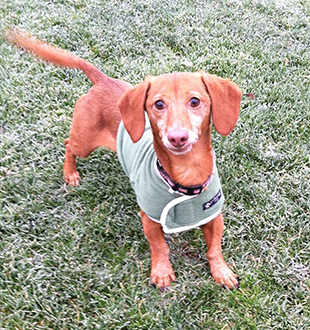
Best Emergency Vet Hospital? Why Wait Time Matters Most
In a real emergency, the 'best' vet hospital is the one that can see your dog soonest. Here's the call-around strategy I'd use if Heidi went down today.
Complete guides to managing hip dysplasia in dogs — treatment options, pain relief, safe exercise, home care, and long-term quality of life.
If your puppy bunny-hops when running, or your adult dog has started sitting crooked and resisting the car, this hub is a good place to start. Hip dysplasia is a malformed ball-and-socket joint. It can show up at five months or stay quiet until middle age, and how it behaves depends heavily on when it appears.
The first set of decisions is diagnostic. When to X-ray, whether sedation is needed, and what the mild, moderate, and severe grades actually predict. Next comes the treatment fork. Some dogs are candidates for surgery, and TPO, FHO, and total hip replacement suit different ages and sizes. Others do well with conservative care: weight control, physical therapy, pain medication, and supplements. Over the long run, owners of both groups end up managing flare-ups, choosing between ramps and stairs, and learning to read pain a dog is good at hiding.
Start with these:
In a real emergency, the 'best' vet hospital is the one that can see your dog soonest. Here's the call-around strategy I'd use if Heidi went down today.
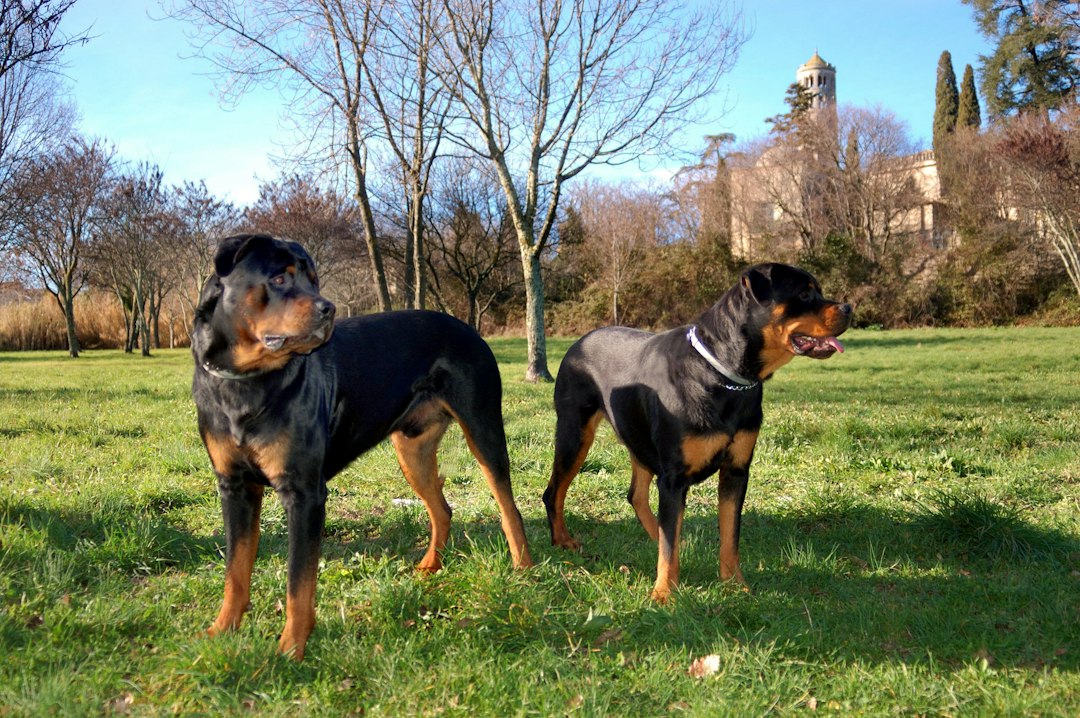
Hip X-ray results aren't always black and white. Here's when to seek a second opinion on your dog's hip imaging — and what a specialist can see that a GP might…

Hip dysplasia doesn't always get worse — but knowing what drives progression can change how you manage it. What caregivers and vets look for, explained.
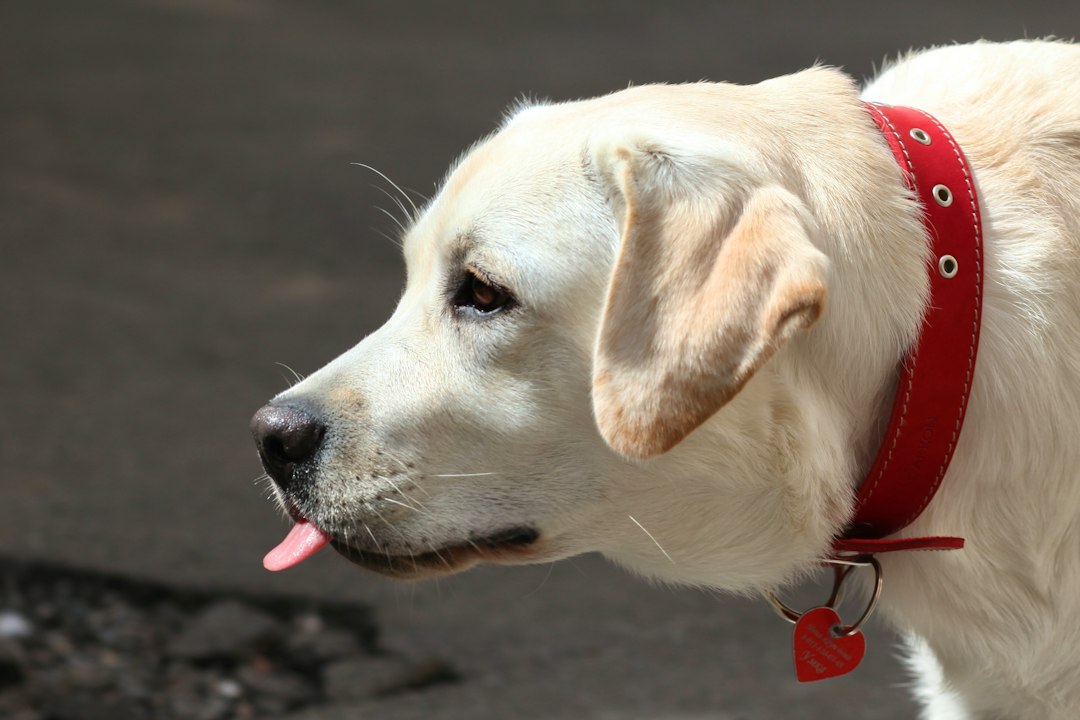
Most hip dysplasia dogs have it in both hips — not just one. What bilateral involvement actually means for pain, surgery choices, and daily care.
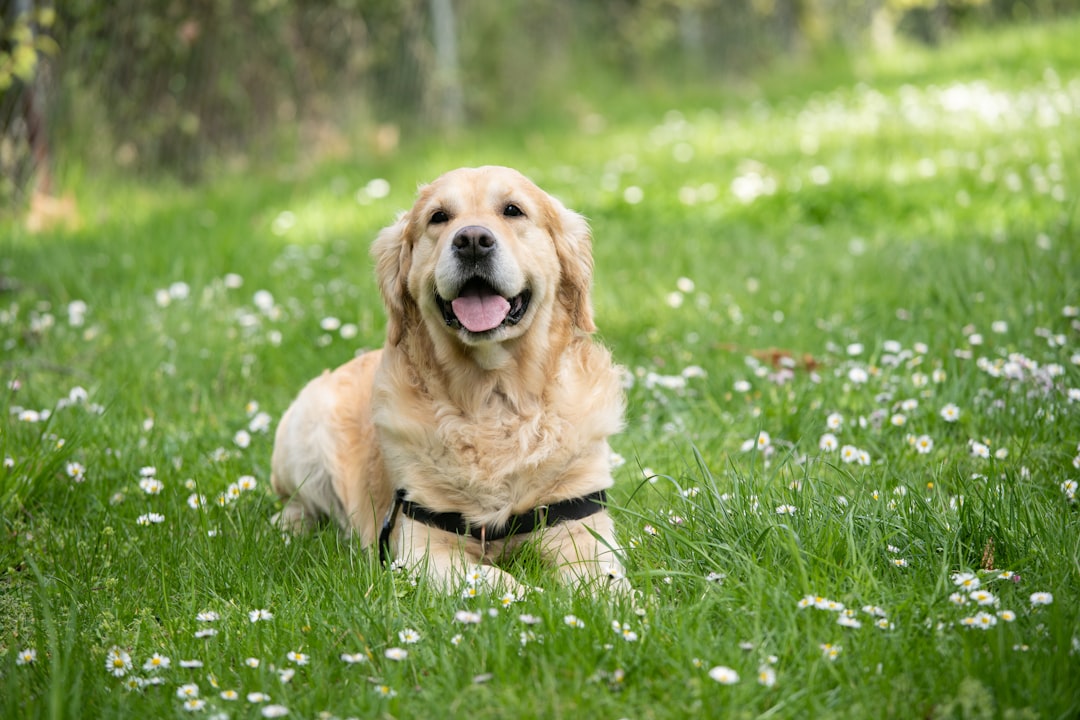
What mild, moderate, and severe hip dysplasia grades actually mean for your dog — and how each grade shapes treatment decisions. What caregivers wish they'd…
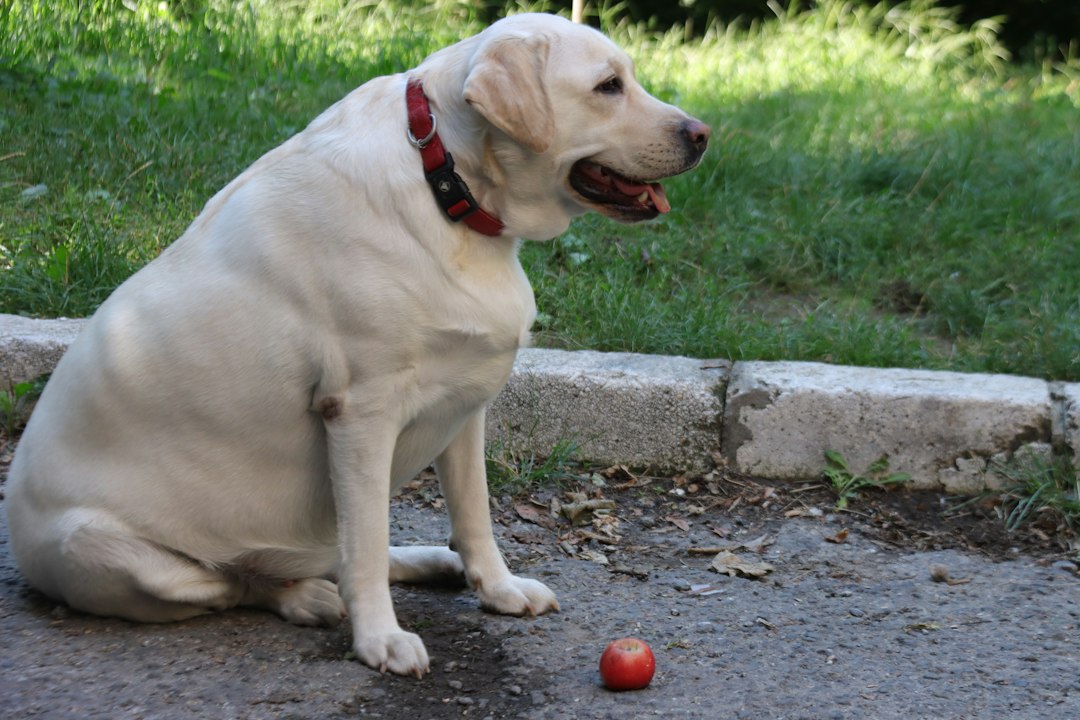
The Ortolani test is how vets detect hip laxity in dogs — a hands-on exam that can catch hip dysplasia before X-rays. What owners should know about the click.
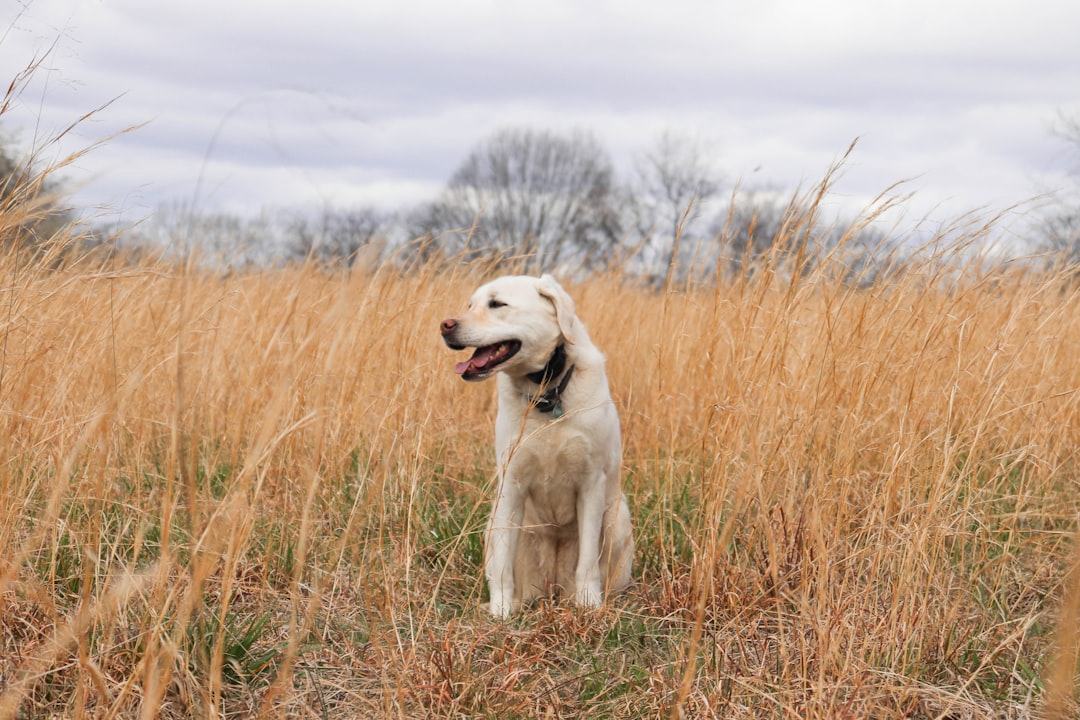
Hip x-rays usually require sedation so your dog holds still. Here's what the sedation process looks like, what to ask your vet, and how to help your dog…

A dog hip x ray shows far more than just bones — vets grade joint laxity, bone wear, and remodeling. Here's what each finding actually means for your dog.
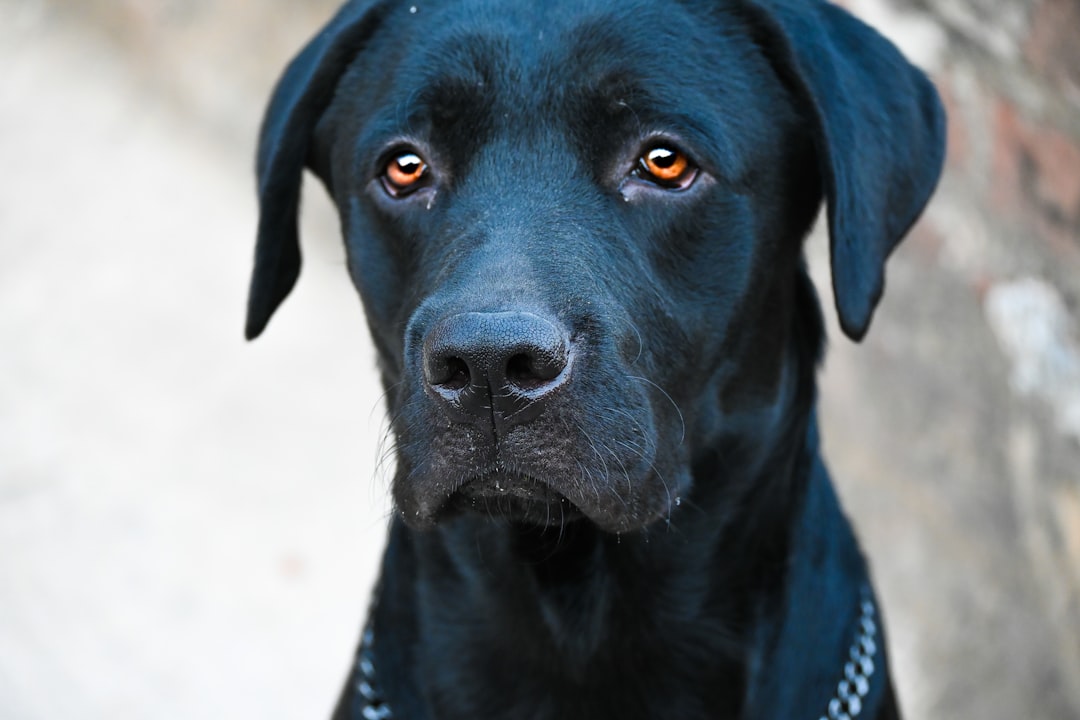
Hip dysplasia can appear as early as 5 months in puppies or emerge quietly in middle-aged dogs. Here's what owners need to know about timing, signs, and when…

Just heard 'mild hip dysplasia' and not sure whether to panic or relax? Here's what it actually changes day to day — and what you can start doing now.
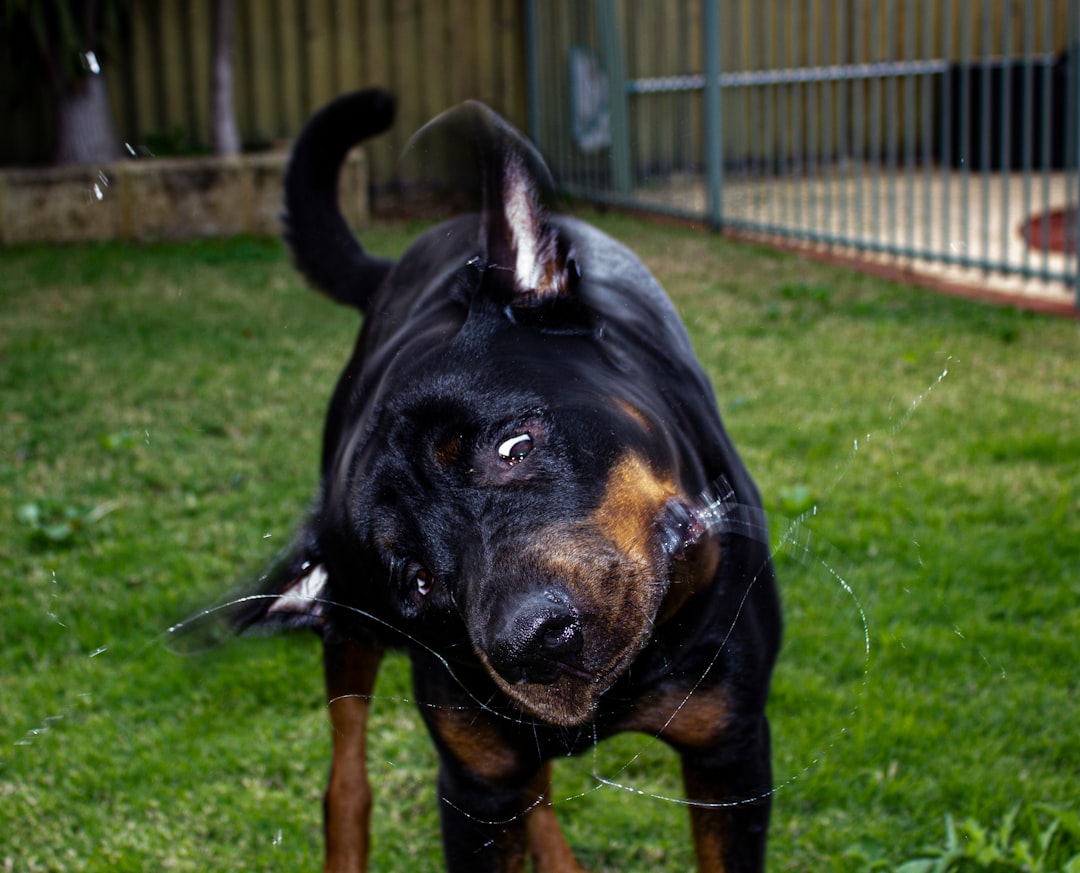
Rear-end weakness isn't always hip dysplasia. These conditions mimic it closely — and getting the wrong diagnosis can delay the care your dog actually needs.