IVDD
Aging
Comfort Care
IVDD and Aging: What Changes After 10
Senior dog IVDD care shifts from recovery to comfort. What I've learned about managing mobility decline, pain, and quality of life after age 10.
Comprehensive guides for Intervertebral Disc Disease in dogs - emergency care, recovery, and management
The products I use in Heidi's care: See all recommendations →
Senior dog IVDD care shifts from recovery to comfort. What I've learned about managing mobility decline, pain, and quality of life after age 10.

Weight is the #1 diet concern for IVDD dogs. Here's what I feed Heidi, which anti-inflammatory foods we added, and what our vet told us to cut.

Six weeks of crate rest and you're exhausted — but what does this milestone actually mean? What vets check, what changes, and what comes next.

What does daily care for a paralyzed IVDD dog actually look like? A realistic routine covering bladder care, skin checks, meals, and wheelchair time.

Week 2 of IVDD recovery brings early nerve signs, crate fatigue & setbacks. What I watch for — and when small movements are actually huge wins.

Stairs are one of the top IVDD relapse triggers. Here's how I manage them with ramps, baby gates, and house rules that actually stick.

Day-by-day what to expect in IVDD recovery's first week — meds, crate setup, bladder care, and what's normal. Based on Heidi's first week home.
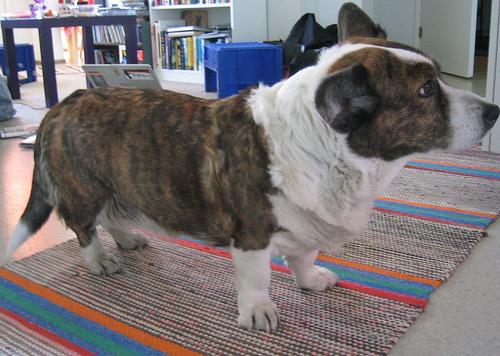
After Heidi's IVDD crisis, relapse was my biggest fear. These 5 daily habits and home rules are how I keep her spine safe — practical and doable today.

Not every dip in progress means relapse — but some signs demand a vet call. What I've learned about reading IVDD recovery bumps the right way.

Realistic IVDD recovery timelines, prognosis factors, and what I learned watching Heidi go from paralyzed to walking — plus when to adjust your expectations.