When to Get a Wheelchair for a DM Dog: 5 Signs to Watch
5 signs your DM dog needs a wheelchair now, why earlier is better for muscle health, and how to introduce a cart without overwhelming them.
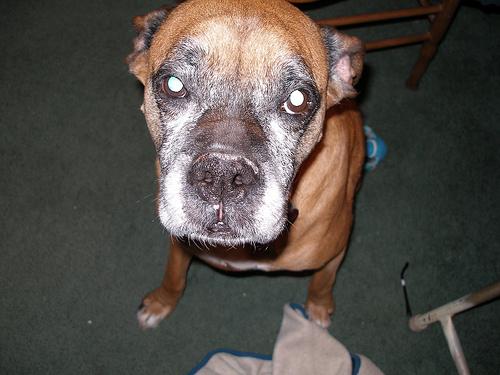
The right time for a wheelchair is almost always sooner than you think, and getting there early can make a real difference in how long your dog stays strong.
If your dog has degenerative myelopathy (DM) — a progressive neurological disease that gradually destroys the nerve fibers controlling the hind limbs — a rear-support wheelchair isn’t a sign of giving up. It’s one of the most proactive things you can do. Many caregivers in the DM community describe waiting too long as one of their biggest regrets, and it’s easy to understand why: when your dog is still getting around, it feels premature. It rarely is.
What Is Degenerative Myelopathy Doing to Your Dog’s Body?
DM causes the spinal cord to degenerate slowly over time, progressively destroying the nerve signals that control hind-limb movement and coordination. It typically starts with wobbliness and weakness in the back legs, advances to knuckling (where the paw folds under instead of landing flat), and eventually leads to full paralysis of the hindquarters. As outlined in the overview of degenerative myelopathy stages, most dogs move through early, mid, and late stages over months to a couple of years — though the pace varies considerably between individual dogs.
The critical thing to understand is that DM is a “use it or lose it” disease. Muscles that aren’t being worked weaken faster. A wheelchair keeps your dog moving, which keeps those muscles firing, and that buys time — not just for physical function, but for quality of life.
According to VCA Hospitals, physical rehabilitation and regular exercise are among the most important supportive tools available for dogs with DM. A wheelchair is a direct extension of that philosophy. It lets your dog keep logging meaningful daily movement even when their own legs can no longer reliably carry them.
How Do I Know My Dog Is Ready for a Wheelchair?
Most DM dogs are ready for a wheelchair when they knuckle on the majority of their steps, stumble on turns, or require you to hold up their hindquarters for most of a walk. If any of the five signs below are happening consistently, it’s worth having the wheelchair conversation with your vet now rather than in a few more weeks.
Here are the five signs that rehabilitation specialists and experienced DM caregivers consistently point to:
1. Consistent knuckling: The paw curls under when walking rather than landing flat. Occasional knuckling can be partially managed with boots or paw grips, but when it’s happening on most steps, a cart takes the strain off a failing system.
2. Stumbling or falling during walks: If your dog is tipping sideways, losing footing on turns, or struggling to stay upright for a full walk, their muscles are no longer compensating enough on their own.
3. Shortened walks due to weakness: If you’ve cut a 20-minute walk down to 5 minutes because your dog is exhausted and dragging, a cart will actually let them go farther with less effort — which is a significant quality-of-life gain.
4. Crossing the hind legs: When one leg crosses in front of the other mid-walk, that’s a coordination failure, not just weakness. It signals the neurological component is advancing beyond what muscle compensation can cover.
5. You’re physically helping them through most of the walk: If you’re holding up their back end with a harness or towel sling for the majority of the outing, a wheelchair can take that weight off both of you — and give your dog back a sense of independence.
- Stand your dog on a flat surface and watch them walk 10 steps
- Count how many times a back paw knuckles under or drags
- If it’s more than 3–4 times in 10 steps, consistently, it’s worth discussing wheels with your vet
- Also check: can they stand unassisted for 30 seconds without swaying? If not, support is needed soon
Choosing the Right Wheelchair
Not all dog wheelchairs are equal, and fit matters enormously. A poorly fitted cart causes rubbing, pressure sores, and a dog who refuses to use it. Getting the measurements right the first time saves weeks of troubleshooting and a lot of frustration for both of you.
Sizing and Fit
You’ll need three measurements: hip height (floor to hip joint while standing), body length (back of front legs to base of tail), and your dog’s weight. Most reputable companies send detailed video guides. Measure at least twice, and if possible have someone help you so your dog isn’t shifting around mid-measurement. Measurements taken when the dog is tired or restless tend to run small.
Key Features to Look For
Adjustable frame: DM dogs lose muscle mass as the disease progresses, so you’ll likely need to resize the cart over time. Choose a frame with meaningful adjustment range, not just a half-inch of wiggle room.
Rear-wheel design: For early-to-mid DM, you want a rear-support cart that lifts and supports the hindquarters while your dog walks with their front legs. This is the standard entry point for most DM dogs.
Padded saddle and leg rings: The area where the back legs rest needs to be soft and correctly sized. Pressure sores develop quickly on dogs who can’t feel discomfort in their hindquarters — and they can become serious fast.
Lightweight frame: Heavier isn’t sturdier in this context, it’s just harder for your dog to pull around. Aluminum frames are generally the right balance of strength and weight.
For dogs who reach late-stage DM and begin losing front-leg function as well, a four-wheel cart becomes necessary. The LetPetRun 4-Wheel Adjustable Dog Wheelchair is worth knowing about before you reach that stage — it spreads weight across all four wheels rather than loading everything onto the front legs, which matters significantly as DM progresses into the upper body.
- Eddie’s Wheels — fully custom, made-to-measure, longer lead time but precise fit
- Walkin’ Wheels — adjustable off-the-shelf, faster to receive, works well for many dogs
- K9 Carts — one of the original manufacturers, still highly regarded in the DM community
- Ask your vet or rehab therapist if they have a loaner cart to try before committing to a purchase
How Do I Introduce a Wheelchair Without Overwhelming My Dog?
Most DM dogs adapt to a wheelchair within a few sessions when the introduction is done gradually and positively. The first session should last five minutes. That’s it. Let your dog sniff the cart before putting them in. Use high-value treats throughout, and the moment they take a few steps forward on their own, end the session on that win.
From what caregivers in the DM community consistently describe, dogs with DM tend to adapt to carts faster than dogs with other conditions — because their front legs are still strong and their drive to move is fully intact. The cart feels like liberation, not restriction.
Build gradually to 10, then 15, then 20-minute sessions. Most dogs can comfortably do two sessions a day once they’ve adjusted. Pairing cart time with physical therapy and exercise for DM dogs helps keep their front end strong at the same time, which becomes more important as the disease progresses.
- Red or raw skin where the saddle or leg rings contact the body
- Your dog actively trying to back out of the cart (usually means the saddle is too tight or positioned incorrectly)
- Front legs splaying wide — may mean the rear support is set too high
- Refusing to move after several sessions — worth a check with your vet or a certified rehab therapist
What About Flooring, Pain, and Bladder Care?
A wheelchair restores your dog’s movement, but the home environment needs to work with it. Slippery floors are one of the most common reasons a newly-wheeled dog loses confidence quickly. When a dog is going from carpet to hardwood to tile during cart sessions, they struggle to push off cleanly and the whole experience feels unstable. Non-slip rugs, yoga mats in hallways, and rubber-backed runners make a meaningful difference. More detail on this is in the guide to flooring and traction for DM dogs.
DM itself is not considered a painful condition in the way arthritis or disc disease is, but secondary issues absolutely can cause discomfort. Muscle strain from compensating, pressure sores, and joint stress from an altered gait all warrant attention. If your dog seems uncomfortable, talk to your vet rather than assuming it’s the DM.
Also worth getting ahead of: as DM progresses, bladder and bowel control are often affected. A wheelchair addresses mobility, but you’ll need a separate plan for managing elimination. Owners in the DM community consistently find that establishing a bladder care routine before it becomes urgent makes the whole caregiving picture feel more manageable, rather than trying to solve two major new problems simultaneously.
- Sudden dramatic worsening over 24–48 hours (DM progresses slowly — rapid changes suggest something else)
- Loss of bladder or bowel control that appears overnight
- Any signs of pain: yelping, guarding, refusing to be touched in the back or hips
- Front leg weakness beginning — this signals late-stage DM and your care plan needs to be updated with your vet
Getting There Before You Think You Need To
The single most consistent piece of advice from DM caregivers and rehab specialists alike is this: don’t wait until your dog is fully down before introducing the cart. Dogs who get wheels while they still have some hind-leg function adapt faster, maintain muscle mass longer, and tend to have a better experience with the chair overall. Waiting until full paralysis means starting from a weaker baseline and missing weeks of movement your dog could have had.
Getting a wheelchair for your dog isn’t a moment of defeat. From what owners in the DM community describe again and again, the day their dog first rolled down the sidewalk in a cart — ears up, nose in the air, suddenly moving freely again — was one of the best days they’d had in months. That’s what this is really about: not the disease, but the life you can still give them inside it.
Related Reading
- Timeline of DM Progression: What to Expect Month by Month
- DM in Dogs: Stages, Timeline & What to Expect
- Exercise & Physical Therapy for DM Dogs: A Complete Guide
Frequently Asked Questions
When is the right time to get a wheelchair for a dog with DM?
Most dogs benefit from a wheelchair when they begin knuckling consistently or can no longer support their own weight for a full walk. Earlier is generally better, as wheels keep muscles active and may help slow further weakness. Don’t wait until your dog is fully paralyzed.
Will my dog actually use a wheelchair?
Most dogs adapt surprisingly quickly, often within a few sessions. The key is short, positive introductions and letting your dog move at their own pace. Dogs with DM tend to take to wheels faster than you’d expect because they still have the drive to move and their front legs remain strong.
Can a wheelchair slow the progression of degenerative myelopathy?
A wheelchair doesn’t stop DM from progressing, but regular exercise in a cart is widely believed among rehab specialists to help maintain muscle mass and circulation longer. Keeping your dog moving is one of the most impactful things you can do at this stage.
How do I measure my dog for a wheelchair?
You’ll need your dog’s hip height (floor to hip joint), body length (from just behind the front legs to the base of the tail), and weight. Most wheelchair companies provide detailed measuring guides, so take your time and measure twice — a poor fit causes pressure sores and frustration.
This guide is based on real experience and should be used alongside professional veterinary care. Always consult your veterinarian before starting any new treatment or making changes to your dog’s care plan.