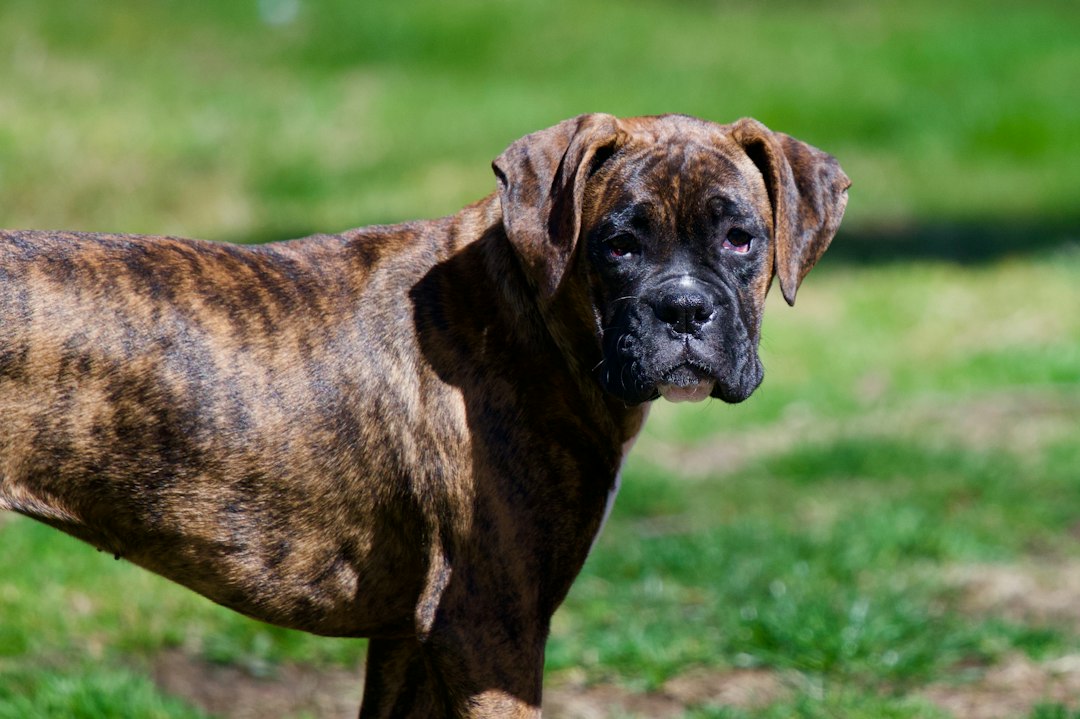
Falls are part of life with a DM dog — but knowing how to respond in those first few minutes can mean the difference between a scary moment and a genuine emergency.
If you’re caring for a dog with degenerative myelopathy, falls are not a matter of if — they’re a matter of when. The hindquarters get weaker, coordination frays, and a dog who navigated your kitchen confidently last month will suddenly crumple on a smooth floor. It’s terrifying to watch, and in that moment it’s almost impossible to know how worried to be.
This guide walks you through exactly what to do in the minutes and hours after a DM dog bad fall: how to check your dog over, what signs demand an emergency vet, and what changes to make at home so the next fall is less likely.
The First 10 Minutes: What to Do Right After a Fall
Resist the urge to scoop your dog up immediately. Your instinct is to hold them, but sudden movement before you know what happened can hurt a dog who has an injury you can’t yet see.
Here’s a more useful sequence:
- Speak calmly. Get low and talk to your dog. Your voice tells them whether to panic or not.
- Let them gather themselves. Give 60 seconds before touching. A frightened dog needs a moment to orient.
- Look before you touch. Scan for obvious blood, a limb at an unnatural angle, or labored breathing.
- Touch gently and systematically. Run your hands along the spine, down each leg, across the ribcage. Watch their face — flinching, yelping, or snapping when you touch a specific area is meaningful.
- Encourage standing, but don’t force it. If your dog can weight-bear, let them try. Note which legs they use and whether something has changed from before the fall.
- Note the timeline. If they’re not settling within 10–15 minutes, that matters when you call the vet.
When Do You Go to the Emergency Vet?
A DM dog who slips on tile and rights themselves in a few seconds is almost certainly fine. But some falls are different, and these signs mean you call the emergency vet now — not in the morning.
Go to the ER immediately if your dog:
- Cries out continuously and cannot be soothed, or yelps sharply when you touch a specific area
- Cannot bear weight on a limb they were using before the fall
- Shows sudden, dramatic worsening of hind-end weakness beyond their current DM baseline
- Loses or briefly loses consciousness during or after the fall
- Is breathing abnormally — fast, shallow, or labored
- Has visible swelling, deformity, or bone showing
- Cannot urinate or defecate when they normally can (even with assistance)
- Has pale or white gums (press a finger to the gum, it should pink back up within 2 seconds)
These signs point to a possible fracture, internal injury, or spinal trauma on top of the DM — all of which need imaging and a vet’s hands on your dog, not watchful waiting at home.
- Continuous crying or yelping when touched in a specific spot
- Limb that was functional before the fall now bearing no weight
- Sudden, dramatic increase in hind-end weakness beyond baseline
- Pale or white gums
- Breathing changes — labored, shallow, or very fast
- Any loss of consciousness, even briefly
How Do You Tell a Routine Slip From a Progression Warning Sign?
A routine slip looks the same after the fall as it did before — maybe frightened for a minute, then back to baseline. A DM progression warning sign looks different on the other side of the fall.
The key is to know your dog’s current baseline before any fall happens. Many experienced DM caregivers keep a brief weekly note — “this week she’s dragging the left leg more than the right” — so that after a fall they have something concrete to compare against.
Routine slip — typically:
- Short duration of distress. Dog settles within 10–15 minutes and resumes normal (for them) movement.
- No new deficits. Hind-end weakness is the same as it was yesterday.
- No guarding. Dog doesn’t flinch when you handle them all over.
- Recovers appetite and interest. Wants dinner, responds to you normally.
Possible progression or secondary injury — typically:
- Distress that doesn’t resolve. Dog remains tense, won’t settle, guards a spot.
- New asymmetry. One leg is suddenly much worse than the other in a way you haven’t seen before.
- Changed posture. Hunching, reluctance to stand, or holding the head differently.
- Appetite or behavior change that lasts more than a few hours.
It’s worth knowing that DM itself is not accelerated by a fall — the disease progresses because of neurological degeneration, not trauma. But a fall can cause a separate, real musculoskeletal injury that needs its own treatment. Both things can be true: the DM is doing what it was going to do anyway, and your dog also bruised a hip in that fall.
- Write a weekly 2–3 sentence note on your dog’s current function: which legs drag, how long they stand, how they manage transitions
- Take a short phone video of their normal gait once a week — after a fall, you’ll have something concrete to compare
- Share these notes with your vet; they’re useful at every check-in
Doing a Post-Fall Check at Home
If your dog is calm, not in acute distress, and showing no red-flag signs, you can do a careful at-home assessment before deciding whether to call the vet.
Work through this systematically:
Head and neck: Gently move the neck side to side. Resistance, yelping, or refusal to turn is a vet call.
Spine: Press gently along the back from shoulder blades to the base of the tail. Note any spot that causes flinching.
Ribcage: Squeeze gently on both sides. Hard yelping or breathing changes can indicate a rib injury.
Hind legs: Compare left to right. Check for swelling at the joints, feel the muscle tone. Try to determine if one side is weaker than before.
Paws: DM dogs often knuckle, but check whether the degree has suddenly changed. Look for abrasions on the top of the foot from dragging — these need cleaning and protection even when they’re not emergencies. You’ll find more on managing this in our guide to knuckling in DM dogs.
Gums: Pink and moist is normal. Pale, tacky, or white gums mean go to the ER.
Give your dog 30–60 minutes after the fall before making your final call on “watch at home vs. vet.” A dog who is progressively more uncomfortable over that hour is trending the wrong way.
- Your dog seems fine but you notice a new limp or asymmetry over the next 24 hours
- There’s mild but persistent guarding of one area
- They’re eating and drinking but seem “off” in a way you can’t pin down
- You’re just not sure — a quick call to your vet’s triage line is always the right move when you’re uncertain
Preventing the Next Fall
After any fall, it’s worth walking through your home with fresh eyes. Where did it happen, and why? Most DM falls are predictable once you know what to look for.
Common fall triggers:
- Slick floors. Hardwood, tile, and laminate are the biggest culprits. Non-slip runner rugs laid over high-traffic paths make an immediate difference. A non-slip traction runner along the hallway your dog uses most is one of the simplest, highest-impact changes you can make.
- Transitions between surfaces. The edge where tile meets carpet is where many DM dogs catch a paw and go down.
- Unsupported turns. A dog making a tight turn with no wall or furniture to lean against is a fall waiting to happen. Arrange furniture so there are natural “lean points” along their routes.
- Getting up from lying down. This transition is often where DM dogs fall. A slightly raised orthopedic surface gives them something to push from.
- Stairs and steps. Block these entirely if your dog is in mid-to-late stage DM. Even one step is a real hazard.
A sling or rear-support harness for outdoor walks and bathroom trips removes a huge category of fall risk as DM progresses. Many caregivers find that committing to assisted walks earlier than feels “necessary” prevents the bad falls that are hardest to recover from.
Our guide to home modifications for DM dogs goes deeper on room-by-room setup, and the article on why your DM dog is slipping covers traction solutions specifically.
- Walk through your home and identify where and why the fall happened
- Add non-slip runners or yoga mats on slick surfaces in that area
- Consider introducing a rear harness or sling for daily supported walks
- Block off stairs, raised decks, and elevated surfaces your dog was accessing unsupported
- Schedule a check-in with your vet or rehab therapist to reassess the current support level
Related Reading
- Why Your DM Dog Is Slipping and What Actually Helps
- DM Dog Home Setup: Flooring, Ramps & Safe-Room Fixes
- Knuckling in DM Dogs: What It Is and When It Gets Serious
Falls are one of the hardest parts of living with a DM dog — not just because they’re scary in the moment, but because each one is a reminder of how the disease is progressing. Give yourself grace for the panic, do your assessment, and trust your gut. You know your dog better than anyone. When something feels wrong beyond a simple scare, it usually is — and calling the vet is never the wrong instinct.
Frequently Asked Questions
Should I take my DM dog to the ER after every fall?
Not every fall requires an emergency visit. A fall on a soft surface where your dog recovers quickly, shows no new neurological signs, and resumes normal behavior within minutes is usually safe to monitor at home. Go to the ER if your dog cries out and won’t stop, can’t bear weight on a limb they could use before, or shows sudden worsening of hind-end weakness.
How do I know if a fall caused a new injury vs. just scared my dog?
Give your dog 10–15 minutes to settle after a fall before drawing conclusions. A frightened dog will pant, shake, and resist moving — then gradually relax. A dog with a new injury will remain distressed, guard a specific area when touched, or show a clear change in movement they didn’t have before the fall.
Can a bad fall speed up DM progression?
DM itself is not triggered or accelerated by trauma — it’s a progressive neurological disease driven by genetics, not injury. However, a fall can cause a secondary musculoskeletal injury (bruising, a soft-tissue strain, or in rare cases a fracture) that makes weakness worse in the short term and should be treated on its own terms.
What changes should I make at home after my DM dog has a fall?
After a fall, do a walk-through of your home and identify where it happened. Add non-slip runners on slick floors, consider a sling or harness for supported walks, and block off stairs or raised surfaces the dog was accessing unsupported. Small environmental changes now prevent the next fall before it happens.
This guide is based on real experience and should be used alongside professional veterinary care. Always consult your veterinarian before starting any new treatment or making changes to your dog’s care plan.