Traveling With a DM Dog: Car Setup, Rest Stops, and What to Bring
Car setup, packing lists, and rest-stop logistics for traveling with a DM dog — stage by stage, from early wobbling to non-ambulatory care on the road.
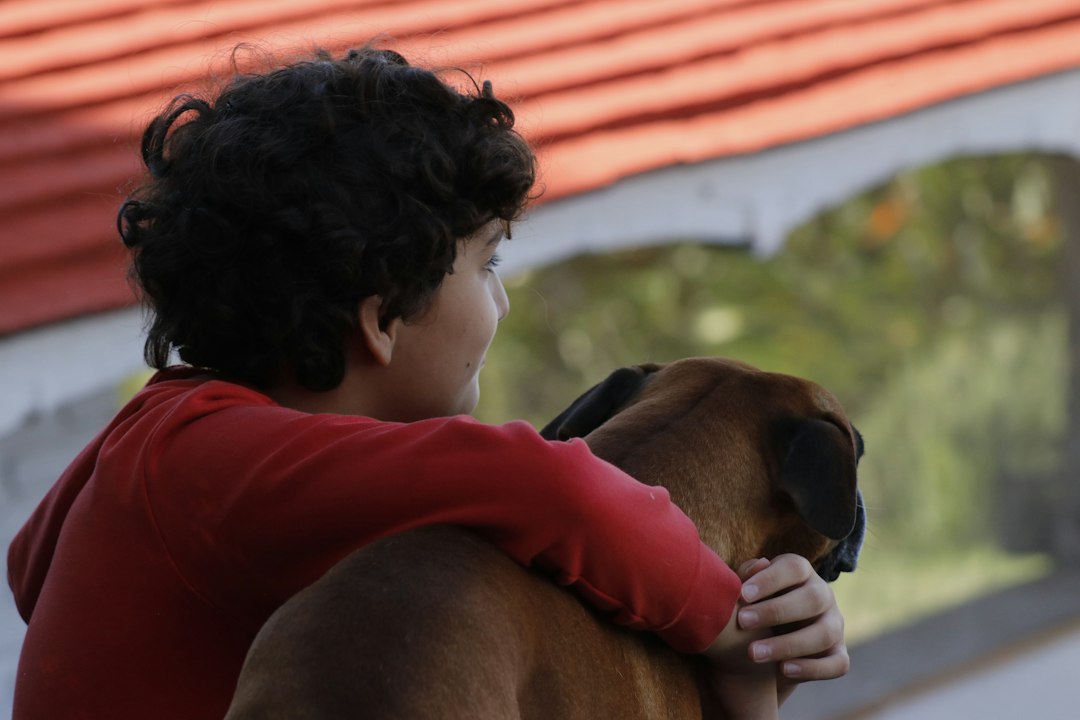
Photo by Yael Gonzalez on Unsplash
Traveling with a DM dog is possible at most stages of the disease — but the setup that worked six months ago may not work today, and that gap catches a lot of caregivers off guard.
How Do I Set Up the Car for a DM Dog?
The goal of a good car setup for a DM dog is to prevent sliding, absorb impact during braking, and make getting in and out as easy as possible on their weakening rear end. A dog who is wobbling on land is going to struggle much more when the ground shifts under them at 60 mph.
Start with the floor of the cargo area or back seat. Bare cargo floors — rubber, plastic, or vinyl — are essentially ice rinks for a dog with rear-leg weakness. Lay down a non-slip yoga mat or rubber-backed mat first, then add an orthopedic foam pad on top. The combination gives traction at the bottom and cushion on top, which matters during longer trips when pressure sores become a real concern.
Sliding prevention: Place a rolled blanket or a pool noodle along the side wall of the cargo area to act as a bolster. This prevents your dog from rolling sideways into the wheel well during turns.
Braking protection: A dog with DM can’t brace themselves the way a healthy dog does. Use a crash-tested safety tether or a harness clipped to the seat belt anchor to keep them from pitching forward if you stop hard. Make sure the tether has enough length that they can lie flat comfortably.
Easy in/out: This is where many setups fall short. If your dog can still walk, a car ramp is worth its weight. If they’re in a wheelchair or fully non-ambulatory, you’ll be doing a supported lift — so think about how you’ll position yourself, and practice the lift at home before you’re doing it in a parking lot. The slings and harness guide for DM dogs covers what fits which stage well.
- Non-slip base mat (yoga mat or rubber-backed rug)
- Orthopedic foam pad on top
- Rolled bolster to prevent lateral sliding
- Safety tether or crash-tested harness clip
- Car ramp or assisted-lift plan for entry and exit
- Waterproof cover under all bedding if incontinence is a factor
Trip Length: Matching Distance to Your Dog’s Stage
For most early-stage DM dogs, a 3–4 hour trip with rest stops every 60–90 minutes is manageable. They may be wobbly but can still shift their own weight, stand for a moment on grass, and give you clear signals when they’re uncomfortable.
As DM progresses into mid-stage, that window shrinks. A dog who can’t reposition themselves, or who has begun losing bladder control, needs a stop every 60 minutes at minimum — not for a walk, but for a reposition, a bladder check, and a skin check under any belly band or diaper. The logistics shift from “walking the dog at a rest stop” to “a 15-minute caregiving routine at a rest stop.”
For non-ambulatory dogs, consider whether any trip longer than 90 minutes is genuinely worth it. This isn’t a rule — it’s a question. Some dogs handle travel beautifully even late in DM. Others arrive exhausted and disoriented, spend two days recovering at the destination, and never get the benefit of whatever the trip was supposed to be. You know your dog.
What Should I Pack for a DM Dog Road Trip?
This is where I’ve seen caregivers get caught off guard most often: they pack the same bag they always did, without accounting for where the disease has moved since the last trip.
The Core Packing List
Medications: Bring the full supply plus two extra days’ worth, separated into a labeled daily organizer. Include any emergency meds your vet has prescribed. If your dog is on a scheduled medication, time the doses around driving — some dogs do better with a dose before a long stretch rather than mid-trip.
Bladder expression supplies: If you’re expressing your dog’s bladder, pack your full routine — gloves, waterproof mat, wipes, and a spare set of incontinence products. Plan to express right before you leave, at every rest stop, and immediately upon arrival. Fragrance-free baby wipes like these dog wipes are what many DM caregivers use for on-the-road hygiene between full cleanups.
Waterproof bedding: Even if your dog doesn’t normally use waterproof layers at home, the car is a different situation. Bladder accidents are more likely when a dog is anxious or can’t signal easily. A washable, waterproof pad under their sleeping pad prevents a bad situation from ruining the trip.
Harness and sling: Whatever harness your dog uses at home should come along, fitted and ready. Don’t assume you’ll improvise a lift at a rest stop.
Water and a collapsible bowl: Hydration matters — dehydration worsens muscle weakness. Offer water at every stop, not just once you arrive.
Extra towels and a change of clothes for you: You will need them. I say this without judgment from every caregiver who has ever managed an incontinence event in a parking lot.
- Find a grassy, low-traffic area away from other dogs
- Check skin under any harness, belly band, or diaper for redness or rubbing
- Offer water before attempting any bladder support
- Express bladder if your dog has incomplete emptying
- Reposition them on the bedding before getting back on the road
- Allow 10–15 minutes minimum — don’t rush this step
Rest Stop Logistics for a Dog Who Can’t Walk
A DM dog who is non-ambulatory at a rest stop needs a different plan than a dog who just needs a quick potty break. Prepare for this before you leave.
Identify rest stops that have grass close to the parking area — a non-ambulatory dog can’t be carried 200 feet across asphalt to find a patch of green. If you know your route, map this ahead of time. Many state rest areas have accessible grass near the parking lot; truck stops often don’t.
When you arrive, set up a flat surface — a blanket on the ground works fine — and move your dog off the car bedding for a few minutes of position change. This matters more on longer trips, where sustained pressure on the same spots can begin to cause discomfort even on a well-padded surface. The guide on pressure sores in DM dogs covers what to watch for.
For dogs with bowel incontinence, come prepared with bags, disposable gloves, and whatever cleanup routine you use at home. This is not the place to improvise.
- Repeated position shifting or inability to settle — may signal discomfort or pressure
- Whining or panting without an obvious trigger — could be pain or anxiety
- Pale gums or excessive drooling — can indicate nausea or stress response
- Skin redness under harness straps or belly bands after more than 60 minutes
When Is Travel More Stressful Than Valuable?
This is the question I think every DM caregiver eventually has to sit with honestly. Travel is inherently disruptive — new surfaces, new smells, disrupted routines, and car stress on top of a body that is already working hard just to stay comfortable at home.
From what I’ve heard from other caregivers in the DM community, the clearest signs that a trip has tipped from worthwhile to too much include: the dog arriving at the destination and being unable to engage with it, needing a full day to “recover” from the drive, or showing increased confusion or distress during the travel itself.
For some dogs, that threshold comes earlier than owners expect. For others, they’re resilient travelers well into late-stage DM. The disease doesn’t progress identically in every dog, which is part of what makes tracking DM progression so useful — if you’re logging the basics, you’ll have a clearer sense of where your dog actually is when you’re deciding whether this particular trip makes sense.
If boarding is on the table, the article on boarding a DM dog covers what that actually looks like and what to look for in a facility.
Related Reading
- Slings & Harnesses for DM Dogs: Full Guide
- DM Symptom and Progression Log: What to Track
- Boarding a DM Dog: What’s Actually Possible
Frequently Asked Questions
How long of a car trip is safe for a DM dog?
It depends heavily on your dog’s current stage. Early-stage DM dogs often handle 3–4 hour trips well with rest stops every 60–90 minutes. Late-stage or non-ambulatory dogs do better with shorter trips — ideally under 2 hours — because repositioning and bladder care become harder in a moving vehicle.
Should I express my DM dog’s bladder before a car trip?
Yes, if your dog has incomplete bladder emptying or is incontinent, expressing the bladder right before you leave significantly reduces the chance of a bladder accident mid-trip. Give yourself 15–20 minutes before departure for this step.
How do I keep a DM dog from sliding in the car?
Layer a non-slip mat or yoga mat under their bedding, and place a bolster or rolled towel along the side of the car to prevent lateral sliding during turns. A secured harness or safety tether also helps prevent sudden forward movement during braking.
At what point is travel more stressful than it’s worth for a DM dog?
When a dog can no longer be repositioned comfortably in the car, requires bladder expression every 60–90 minutes, or arrives at the destination visibly exhausted and disoriented, the trip may be doing more harm than good. Quality of life at the destination matters too — if the environment isn’t set up to support them, staying home may genuinely be kinder.
Travel with a DM dog takes more planning than it used to, and some trips that used to be easy will eventually stop making sense. That’s not failure — it’s caregiving that keeps pace with where your dog actually is. The trips you do take, set up well, can still be genuinely good for both of you.
Not a substitute for your veterinarian's advice. How these guides are written