The SOD1 Genetic Test for DM: What It Tells You
SOD1 'at-risk' isn't a DM diagnosis — many dogs never develop symptoms. What every at-risk breed owner needs to know before interpreting their results.
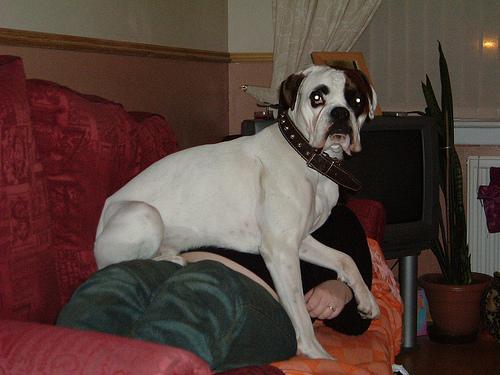
A positive SOD1 result is not a death sentence — it’s a piece of information, and knowing how to use it makes all the difference.
If you own a German Shepherd, Corgi, Boxer, or one of a dozen other at-risk breeds, you may have already heard about the SOD1 genetic test for degenerative myelopathy (DM). Maybe your vet mentioned it, or you stumbled across it in a breed club forum at two in the morning while worrying about your dog’s wobbly back legs. Either way, the test can feel like a huge deal — and interpreting the results without context can send you into a spiral.
I want to walk you through what the test actually does, what each result means, and (just as importantly) what it genuinely cannot tell you.
What Is the SOD1 Mutation?
The SOD1 gene provides instructions for making an enzyme called superoxide dismutase 1, which helps protect cells from damage. Researchers at the University of Missouri College of Veterinary Medicine identified that a specific mutation in this gene is strongly associated with canine degenerative myelopathy — the progressive spinal cord disease that causes hind-end weakness and, over time, paralysis.
There are actually two relevant variants:
- SOD1A: The mutation most commonly associated with DM across a wide range of breeds, including German Shepherds, Corgis, Boxers, Chesapeake Bay Retrievers, and many others.
- SOD1B: A separate mutation linked primarily to Bernese Mountain Dogs and a small number of other large breeds. Standard SOD1A-only panels won’t catch this one, so owners of Berners should confirm the lab tests for both variants.
The test itself is a simple cheek swab or blood draw. Your vet collects the sample, it gets sent to a certified genetics lab, and results are usually back within two to four weeks.
What Do the Three Results Actually Mean?
The test doesn’t give you a yes-or-no on DM. It tells you how many copies of the mutation your dog carries, and that determines their result category.
- Clear (N/N): Your dog has no copies of the known SOD1 mutation. They are not expected to develop DM based on this gene — and they cannot pass the mutation to offspring. This is the most reassuring result.
- Carrier (N/A or N/B): Your dog has one copy of the mutation. Carriers are not generally expected to develop DM themselves, but they can pass the mutation to their puppies. This result matters most for breeding decisions.
- At-Risk (A/A or B/B): Your dog carries two copies of the mutation. This is the result that tends to send owners into a panic — and I understand why. But it’s worth slowing down here.
If My Dog Is “At-Risk,” Will They Definitely Get DM?
An at-risk SOD1 result means your dog has a genetic predisposition to DM — not a confirmed diagnosis, and not a guaranteed future.
This is the single most important thing to understand about the test. Researchers have found that while the SOD1 mutation is present in the vast majority of dogs that develop DM, not all dogs with two copies of the mutation ever show clinical signs. Penetrance (the scientific term for how often a gene variant actually produces the associated condition) appears to be incomplete for this mutation. In plain language: carrying the gene doesn’t mean the disease will switch on.
From what I’ve seen in the DM caregiving community, many owners discover their dog is at-risk during routine breed health screening, and those dogs go on to live years without ever developing weakness or coordination problems. Other dogs develop symptoms relatively quickly. The test cannot tell you which path your dog will take.
What the at-risk result should trigger is increased awareness and proactive monitoring — not despair. If you haven’t already, read through DM Stages in Dogs: Timeline, Symptoms & What to Expect so you know exactly what early signs look like and can catch them as soon as they appear.
- Identifies whether your dog carries zero, one, or two copies of the SOD1 mutation
- Provides useful data for breeding programs to reduce mutation frequency over generations
- Helps you and your vet set up an appropriate monitoring plan
- Cannot confirm whether DM will develop or predict timing if it does
- Cannot rule out other causes of hind-limb weakness — other conditions must still be evaluated
How Much Does the Test Cost, and How Do I Get It?
Testing through the Orthopedic Foundation for Animals (OFA) typically runs between $60 and $100. OFA coordinates testing through partner laboratories and maintains a registry of results — which matters if you’re involved in breeding, since results can be submitted publicly.
Many breed clubs have negotiated reduced pricing or offer testing at national specialties (the large breed-specific dog shows where health clinics are common). If your dog is a registered purebred, it’s worth checking whether your breed’s national club has a health committee that subsidizes testing.
Your vet can collect the swab sample at a regular appointment, or some labs allow owner-collected cheek swabs sent directly by mail. If you’re unsure which lab to use, ask your vet or check the OFA website for their current partner lab list.
- Clear: Continue routine wellness care. No special DM monitoring required — but stay aware of hind-limb changes as your dog ages.
- Carrier: No increased risk of DM for your dog. Discuss with your breeder or a reproductive specialist if you plan to breed — ideally pair carriers with clear dogs to avoid producing at-risk puppies.
- At-risk: Schedule a baseline neurological exam with your vet. Start learning early DM signs. Begin or continue regular exercise, which many rehab specialists believe supports neurological health. Consider a rehab consultation to establish a proactive exercise plan.
The Test Is Only One Piece of the Puzzle
Even a clear result doesn’t entirely close the door on DM. The science of canine degenerative myelopathy is still evolving. Researchers believe additional genetic and possibly environmental factors may influence which dogs develop the disease — meaning the SOD1 mutation is necessary but may not be fully sufficient on its own to cause DM in every case.
This also means that if your dog is showing signs of hind-limb weakness (wobbling, knuckling, dragging a paw, difficulty with stairs), a clear SOD1 result doesn’t mean you can rule out DM without further evaluation. Other conditions like IVDD, hip dysplasia, and arthritis can mimic early DM symptoms. If you’re trying to sort out what’s causing your dog’s symptoms, the article Getting a DM Diagnosis: What the Process Actually Looks Like walks through how vets actually arrive at a DM diagnosis — because it’s never based on the genetic test alone.
- Wobbling or crossing of the back legs while walking
- Dragging one or both hind paws (knuckling)
- Difficulty rising from a lying position
- Hind-limb weakness that has progressed over weeks or months
- Loss of muscle mass in the hindquarters
What to Do If Your Dog Is At-Risk
Finding out your dog carries two copies of the SOD1 mutation is genuinely hard news to sit with, even knowing it isn’t a diagnosis. Here’s how I’d approach it:
- Get a neurological baseline: Ask your vet for a basic neurological exam now, while your dog is healthy. This gives you a comparison point if symptoms develop later.
- Start or maintain consistent exercise: Regular, low-impact activity is widely recommended for at-risk dogs. Many rehab therapists believe physical conditioning may support neurological function, and it’s one of the few things owners can actively do. The DM Dog Exercise & Physical Therapy: Stage-by-Stage Guide is a good place to start.
- Learn the early signs: Early DM is easy to miss and easy to attribute to “just getting older.” Knowing what to look for (subtle hindquarter wobbling, mild paw dragging, slight muscle loss over the hips) means you can act sooner.
- Talk to a canine rehab specialist: Not every general practice vet has deep experience with DM. A certified canine rehabilitation therapist can set up an appropriate exercise and monitoring plan before symptoms appear.
- Consider a rear-support harness for later stages: If your dog does eventually show rear weakness, having a good support harness on hand makes early assistance much easier. Many caregivers in the DM community find a harness like the Help ‘Em Up Harness invaluable once the hind end starts to weaken.
The goal isn’t to spend your dog’s healthy years in dread. It’s to be prepared — so that if DM does develop, you’re not scrambling to catch up.
Related Reading
- DM Stages in Dogs: Timeline, Symptoms & What to Expect
- Getting a DM Diagnosis: What the Process Actually Looks Like
- DM Dog Exercise & Physical Therapy: Stage-by-Stage Guide
If your dog just tested at-risk and you’re still processing what that means, please know this: you’re not alone, and you are not helpless. The SOD1 test gives you information — and information, used well, is how you become the best possible advocate for your dog. Most at-risk dogs live good, full lives. And if DM does eventually show up, catching it early and staying active with your dog are the most powerful tools you have.
This guide is based on real experience and should be used alongside professional veterinary care. Always consult your veterinarian before starting any new treatment or making changes to your dog’s care plan.