Supplements for DM Dogs: What's Worth Trying and What to Skip
Omega-3s, vitamin E, CoQ10 — what's worth adding to your DM dog's routine? A practical caregiver breakdown of the evidence, the hype, and how to talk to your…
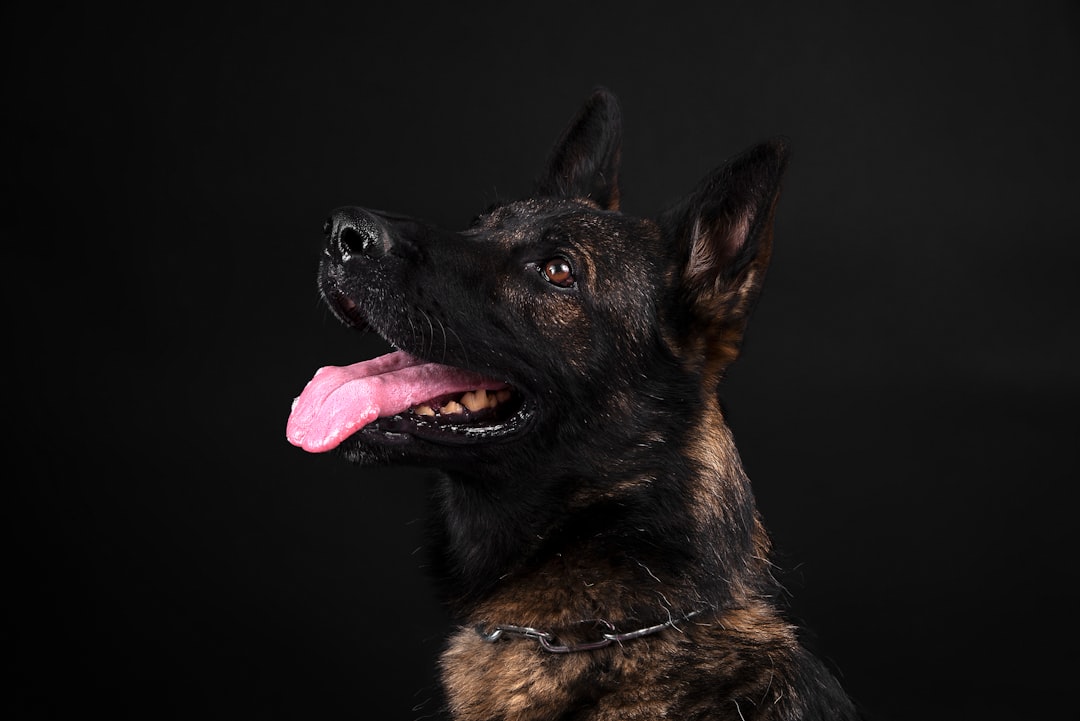
Photo by Stéphane Muller on Unsplash
No supplement will stop degenerative myelopathy — but a few may genuinely support your dog’s nerve and muscle health while you focus on everything else that helps.
If you’ve recently gotten a DM diagnosis, you’ve probably already fallen into a late-night supplement research spiral. I’ve been there. The combination of a scary diagnosis and a marketplace full of products making big promises is a hard place to think clearly. So let me try to cut through some of that for you.
The honest truth: supplements for DM dogs are supportive, not curative. The disease is caused by a genetic mutation that triggers progressive nerve degeneration — no pill changes that underlying process. What supplements can do is give your dog’s nervous system and muscles the best possible nutritional environment, which is worth something when paired with consistent exercise and physical therapy.
What Does the Evidence Actually Look Like?
The evidence base for DM supplements is modest but real. Most of what we know comes from neurological research in humans with similar degenerative conditions, small veterinary studies, and the clinical experience of rehabilitation specialists who work with DM dogs every day. Large, controlled clinical trials in dogs are rare.
That doesn’t mean these supplements are useless — it means we should be honest about what we know. The Canine Health Foundation has funded ongoing DM research, and the consensus among specialists leans toward oxidative stress as a key driver of nerve damage in DM. That’s why the most recommended supplements target oxidative stress and nerve support specifically.
- Omega-3 fatty acids (fish oil) — anti-inflammatory, widely used
- Vitamin E — antioxidant that may support nerve cell health
- B-complex vitamins — support nerve conduction and muscle metabolism
- CoQ10 (ubiquinol) — mitochondrial support and antioxidant
- NAC (N-acetyl cysteine) — precursor to glutathione, an antioxidant studied in neurodegeneration
The Supplements Worth Trying
Omega-3 Fatty Acids (Fish Oil)
Omega-3 fatty acids are the most broadly recommended supplement across nearly every canine neurological condition, and DM is no exception. Fish oil — specifically EPA and DHA — has well-documented anti-inflammatory effects and is generally thought to support nerve membrane health. Most veterinary rehabilitation specialists include it as a baseline recommendation for DM dogs.
The dose that’s right for your dog depends on their weight, so this is a conversation to have with your vet rather than a product label to follow blindly. Look for a fish oil that specifies EPA and DHA amounts clearly, rather than just “total omega-3.”
Vitamin E
Vitamin E is a fat-soluble antioxidant, and antioxidant support is a recurring theme in DM management because oxidative stress appears to play a role in the nerve degeneration process. Many rehab specialists recommend vitamin E specifically for DM dogs, often alongside omega-3s (the two are frequently paired).
One caution: vitamin E is fat-soluble, meaning it accumulates in the body rather than being flushed out daily like water-soluble vitamins. High doses over time can reach toxic levels. Get a specific dose recommendation from your vet rather than supplementing on your own.
B-Complex Vitamins
B vitamins — particularly B1 (thiamine), B6, and B12 — are essential for nerve conduction and energy metabolism in muscle tissue. In a dog losing neurological function progressively, keeping those supporting systems well-nourished makes sense. B-complex supplements are generally considered safe at reasonable doses because excess is excreted, but quality varies widely between products. Your vet or a veterinary nutritionist can point you toward a reputable formulation.
CoQ10 (Ubiquinol)
Coenzyme Q10 is involved in mitochondrial energy production and acts as an antioxidant inside cells. It’s widely used in human neurodegenerative conditions and has found its way into veterinary rehabilitation protocols for DM dogs. The ubiquinol form is generally considered more bioavailable than the ubiquinone form, though it’s also more expensive.
The evidence in dogs is limited to small studies and clinical observation rather than large trials, but it’s considered low-risk and many rehabilitation vets include it in their DM protocols.
NAC (N-Acetyl Cysteine)
NAC is a precursor to glutathione, which is one of the body’s primary antioxidants. It’s been studied in human neurodegenerative conditions and has attracted attention in the DM community for similar reasons. From what I’ve seen and heard from other owners and rehab specialists, it shows up on a fair number of DM supplement protocols — but it’s also one of the less familiar supplements to primary care vets, so you may need to raise it specifically in your conversation.
NAC interacts with some medications and isn’t appropriate for every dog, so this one especially warrants a vet conversation before you add it.
- Vitamins A, D, E, and K are fat-soluble and accumulate in the body
- Excess can reach toxic levels over time — more is not better
- Only supplement fat-soluble vitamins at a dose your vet has specifically approved for your dog’s weight
- Water-soluble vitamins (B-complex, C) are lower risk but quality matters
What to Skip
The supplement market is full of products targeting the DM community with big promises. “Supports neurological health” is a claim almost any product can make. “Reverses DM” or “stops progression” is not something any supplement can legitimately promise — and any product making those claims is one to put down.
A few specific categories to be skeptical of:
- Proprietary “DM blends”: Often combine legitimate ingredients (omega-3, vitamin E) with less-studied additives at doses you can’t verify individually. You’re usually better off supplementing each component at a known, vet-approved dose.
- High-dose herb combinations: Some herbal preparations carry real drug-interaction risks. Turmeric/curcumin at very high doses, for example, can affect blood clotting and interact with certain medications.
- Anything marketed as a cure: DM is caused by a genetic mutation — there is currently no supplement, drug, or therapy that reverses it. Products claiming otherwise are targeting frightened owners, not helping dogs.
The best approach is to start with the evidence-supported basics and add from there only with your vet’s input.
How Do You Actually Talk to Your Vet About a Supplement Protocol?
Many owners feel awkward bringing up supplements — like they’ll seem like they’re second-guessing their vet. In my experience, most vets appreciate engaged owners who come prepared. A few things that help:
- Write a list before the appointment: Bring the specific product names and doses you’re considering, not just “I want to try some supplements.”
- Ask about interactions: If your dog is on prednisone, gabapentin, or any other medication, ask specifically whether any supplements would interact.
- Ask for a dose by weight: Product labels aren’t always calibrated for dogs, and rehab dosing can differ. Ask your vet to give you a specific amount for your dog.
- Consider a veterinary rehabilitation specialist: If your primary vet isn’t familiar with DM supplement protocols, a certified canine rehabilitation practitioner (CCRP) often has much more specific guidance. They work with DM dogs regularly and tend to have strong opinions about what helps.
- Bring a written list of supplements you’re considering — names, doses, sources
- Ask specifically about interactions with current medications
- Request weight-based dosing, not just label instructions
- Ask about retesting or reassessment — some labs can monitor nutrient levels over time
- Consider a referral to a veterinary rehab specialist for a full protocol
A Note on Nutrition and Weight
Supplements are only one piece of the picture. Keeping your DM dog at a lean, healthy weight is probably more impactful than any individual supplement — extra weight accelerates the physical burden on weakening hindquarters. The nutrition and weight management guide for DM dogs goes deeper on this if you haven’t read it yet.
And don’t overlook the role of consistent exercise. The combination of physical therapy, appropriate movement, and nutritional support is what most rehab specialists consider the foundation of DM management — not any single supplement on its own.
- Claims to “stop,” “reverse,” or “cure” DM
- Proprietary blends with undisclosed ingredient doses
- No veterinary guidance or dosing information
- Testimonials as the primary evidence
- Pressure to buy large multi-month supplies upfront
Related Reading
- Understanding Degenerative Myelopathy in Dogs
- DM Dog Exercise & Physical Therapy: Stage-by-Stage Guide
- Nutrition & Weight Management for DM Dogs
Frequently Asked Questions
Can supplements slow the progression of degenerative myelopathy in dogs?
No supplement has been proven to stop or reverse DM progression. Some — like omega-3 fatty acids and vitamin E — are thought to support nerve and muscle health, and many rehab specialists recommend them alongside exercise. They may support quality of life, but they are not a cure.
What supplements do most vets recommend for DM dogs?
The most commonly recommended supplements for DM dogs are omega-3 fatty acids (fish oil), vitamin E, B-complex vitamins, CoQ10, and sometimes NAC (N-acetyl cysteine). Always confirm doses with your vet, since the right amount depends on your dog’s weight and overall health.
Are there any supplements I should avoid giving a DM dog?
Avoid any product marketed as a “DM cure” or making dramatic claims about reversing neurological decline — no such supplement exists. Be cautious with high-dose fat-soluble vitamins (A, D, E, K) since they can accumulate to toxic levels; only supplement vitamin E at doses your vet approves.
How do I bring up supplements with my vet?
Come to the appointment with a written list of everything you’re considering — product name, dose, and why you’re interested. Ask your vet about potential interactions with any prescribed medications and request guidance on a specific dose for your dog’s weight. Most vets appreciate that owners are proactively researching.
This guide is based on real experience and should be used alongside professional veterinary care. Always consult your veterinarian before starting any new treatment or making changes to your dog’s care plan.