Sleep and Bedding for a DM Dog
A dog who can't reposition overnight needs more than a soft bed. Here's what DM caregivers learn about pressure points, positioning, and overnight setup.
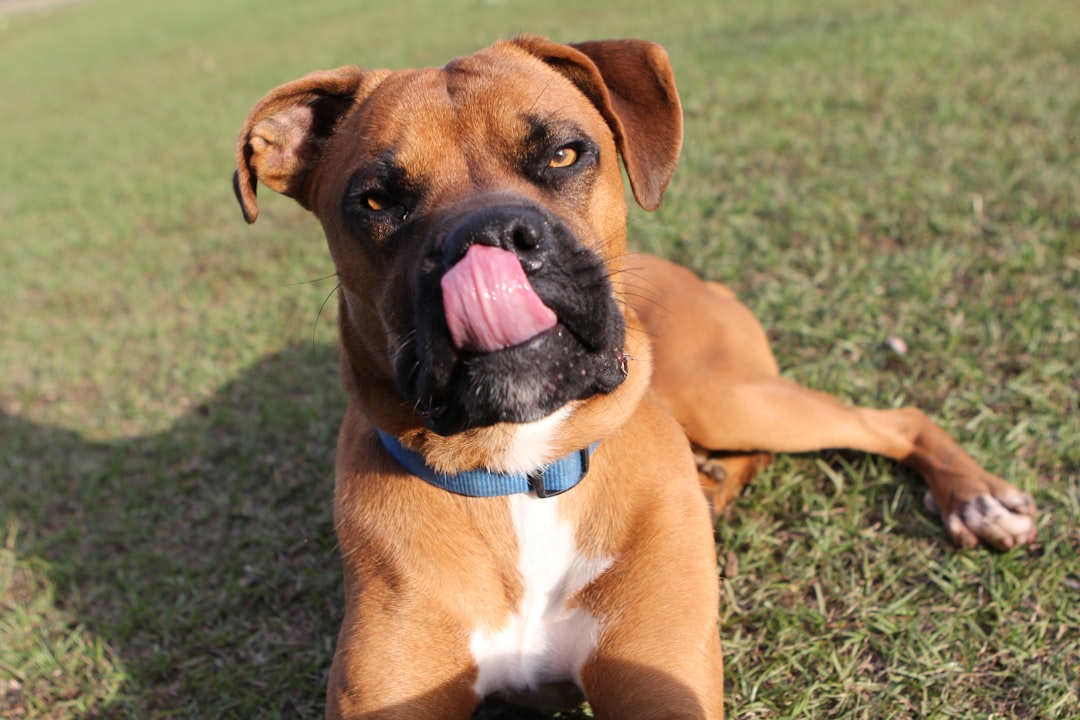
Photo by Judy Beth Morris on Unsplash
The bed your DM dog sleeps on stops being just a comfort issue the moment they can no longer reposition themselves overnight.
When degenerative myelopathy (DM) progresses into mid and late stages, dogs lose not just mobility but also the automatic body-shifting they’ve done since puppyhood. A healthy dog wakes slightly, adjusts, and drifts back off. A dog in late-stage DM stays exactly where you put them — and that’s where pressure sores, skin breakdown, and poor sleep quality begin. Getting the sleep setup right isn’t extra credit. It’s core care.
What Makes a Bed Actually Right for a DM Dog?
The right bed for a DM dog provides sustained pressure relief across the full body, stays firm enough to not bottom out under weight, and has a surface that’s easy to clean. Memory foam at 4–6 inches thick is the most commonly recommended choice by rehab vets and experienced caregivers — it conforms to the body without collapsing completely, which matters especially when your dog is lying still for hours.
Foam Quality Matters More Than Price
Not all foam is equal. The key test: press your fist firmly into the center. If you can feel the floor or the bed base beneath it, the foam is too thin or too soft to provide real pressure relief. A bed that bottoms out under your dog’s weight is barely better than lying on carpet.
What to look for:
- Thickness: 4 inches minimum; 5–6 inches for larger breeds
- Density: High-density foam holds its shape over months of use; cheaper foam compresses and stays compressed
- Cover material: Waterproof but breathable — the plastic-feeling waterproof covers trap heat and cause moisture buildup, which accelerates skin problems
- Entry height: Flat or very low bolsters at entry; raised edges that require stepping over become obstacles as weakness progresses
- Washability: The cover needs to come off and go through the washing machine — ideally more than one cover so you always have a clean backup
A memory foam dog bed with a removable, waterproof cover is what many DM caregivers end up using — the foam layer provides the sustained pressure relief, and the cover handles the inevitable incontinence without soaking into the foam itself.
- 4–6 inch memory foam or high-density orthopedic foam
- Waterproof, breathable, removable cover
- Flat entry point — no bolsters to step over
- Backup cover so you’re never stuck with a wet bed
- Training pads layered under the cover for incontinence
How Do You Position a DM Dog Who Can’t Reposition Themselves?
Proper positioning for a dog who can’t shift their own weight means rotating sides every 2–4 hours and using rolled towels or bolsters to keep the body from rolling into a stressed position. A dog left in lateral recumbency (lying flat on one side) for six or more hours without movement is at serious risk of pressure sore development over the hip, elbow, shoulder, and ankle bones.
The Side-Lying Position
When your dog is on their side, the goal is neutral alignment — spine straight, legs in a relaxed natural position, not stacked awkwardly on top of each other. A rolled-up bath towel placed between the back legs reduces direct bone-on-bone pressure and keeps the top leg from bearing all its weight on the knee. Another small rolled towel under the head prevents neck strain.
The bony prominences to check at every repositioning:
- Greater trochanter (outer hip point)
- Elbow point
- Shoulder point
- Lateral malleolus (outer ankle bone)
- Side of the knee
Any redness that doesn’t fade within 30 minutes of relieving pressure is a warning sign. Caught early, most pressure spots resolve with more frequent repositioning and a light barrier. Left alone, they can become open wounds quickly on dogs who can’t feel the discomfort. The article on pressure sores in DM dogs goes deeper on treatment once breakdown has already started.
Overnight Repositioning — The Real Talk
Yes, this means getting up at night. Many caregivers I’ve spoken with describe setting a 2–3 hour alarm in the early stages of their dog’s immobility, then adjusting as they learn how their individual dog does. Some dogs show redness quickly; others handle longer stretches. You’ll learn your dog’s pattern within a week or two.
A few things that make the middle-of-the-night repositioning more manageable:
- Keep the bed close to your own so you don’t have to fully wake up to check
- Use a small clip-on light or nightlight rather than turning on overhead lights (less disruptive for both of you)
- Have a sling or support towel right next to the bed — you don’t want to search for it at 2 a.m.
- Redness over a bony prominence that doesn’t resolve within 30 minutes
- Hair loss or thinning at a pressure point
- Any warm, swollen, or crusted area on the skin
- Open skin — contact your vet promptly, these escalate fast
Setting Up the Overnight Bathroom Routine
A DM dog in mid-to-late stage often loses bladder and bowel control overnight. The goal isn’t to eliminate accidents — it’s to manage them so they don’t cause skin damage and so your dog stays as comfortable as possible.
Layer the Bed for Incontinence
The setup that works well for many caregivers: foam base, covered by a waterproof cover, then a training pad on top, then a soft washable blanket or fleece layer over the pad so your dog isn’t lying directly on plastic. When there’s an accident, you remove and replace the top layers without disturbing the foam or waterproof cover.
This layered system means you’re not stripping and rebuilding the whole bed at 3 a.m. — just pulling off the fleece and pad, wiping down the cover if needed, and replacing. Keep a stack of clean layers nearby.
Night Bathroom Trips
If your dog still has some bladder awareness, you may be taking them out 1–2 times overnight. As DM progresses, a sling or rear-support setup makes these trips easier and safer than trying to hold up a heavy dog by their belly. The full guide to slings and harnesses for DM dogs covers fitting and options.
Keep the path to the bathroom door clear of obstacles, well-lit with a nightlight, and have a non-slip mat at the threshold if your flooring is slick. The exit surface matters just as much as the bed surface.
- Train pads under a soft fleece layer for quick middle-of-the-night changes
- Non-slip path from bed to bathroom exit
- Sling or support towel within arm’s reach
- Small nightlight so you can check skin without turning on bright lights
- Second set of clean layers staged nearby
Where Should Your DM Dog Sleep as the Disease Progresses?
In early DM, most dogs can still sleep wherever they always have. But as weakness increases, the sleeping location needs to shift based on what your dog needs for access and safety.
Early Stage
Your dog can likely still use their regular sleeping spot, but this is the time to start removing beds with raised sides, putting ramps in place if they sleep on furniture, and adding non-slip mats to paths they walk overnight.
Mid Stage
Move the sleeping area to a single-level space — no more sleeping upstairs if the bathroom is downstairs, or vice versa. The bed should be on the same floor as their primary bathroom exit. This is also when most owners move to a larger, flat orthopedic foam bed if they haven’t already, because your dog will need more space to be repositioned comfortably.
Late Stage
By late-stage DM, many caregivers move the sleeping setup into their own bedroom or an adjacent space, simply because the overnight care demands are too frequent to manage from another room. The bed at this point is usually on the floor (no furniture), centrally located for easy access from all sides, and fully waterproofed. Some owners create a dedicated “care station” — bed, wipes, clean pad layers, sling, and a nightlight — all within arm’s reach.
This stage is also when the what to prepare before your DM dog becomes non-ambulatory planning really matters, because the sleep setup is just one piece of a larger household reconfiguration.
- An open pressure sore or wound that is larger than a dime or appears deep
- Skin that is consistently wet or macerated despite your best incontinence management
- Your dog appears distressed or in pain when being repositioned
- Fever, lethargy, or foul smell from a skin area (signs of infection)
The nights are often the hardest part of DM caregiving — not because the tasks are complicated, but because they’re relentless and they happen when you’re least resourced. Building a good system takes a week or two of trial and error, but it does settle into a routine. Your dog feels the difference, even when they can’t tell you so.
Related Reading
- Pressure Sores in DM Dogs: Prevention & Care
- DM Dog Home Setup: Flooring, Ramps & Safe-Room Fixes
- What to Prepare Before Your DM Dog Becomes Non-Ambulatory
Frequently Asked Questions
What type of bed is best for a dog with degenerative myelopathy?
A 4–6 inch memory foam or high-density orthopedic foam bed is the most widely recommended option for DM dogs. The foam should not bottom out under your dog’s weight — if you press your fist in and feel the floor, it’s not thick enough. Waterproof covers are essential as incontinence becomes more common.
How often should I reposition my DM dog overnight?
Most caregivers and rehab specialists recommend repositioning every 2–4 hours once a dog can no longer shift their own weight. This matters most for dogs in mid-to-late stage DM who are sleeping on their side for long stretches without moving independently.
Can a DM dog sleep in a regular dog bed?
A standard fiberfill or thin foam pet bed is not adequate for a mid-to-late stage DM dog. These beds compress quickly, offer no sustained pressure relief, and often have raised edges that make repositioning awkward. Purpose-built orthopedic or memory foam beds with flat entry points are a much better fit.
How do I protect my DM dog’s skin during sleep?
Use a breathable, washable cover over the foam, and check skin over bony prominences — hips, elbows, shoulders, and ankles — daily for redness or early sores. A thin layer of Vaseline on high-friction spots can help, and rotating sides every few hours prevents prolonged pressure on any one area.
This guide is based on real experience and should be used alongside professional veterinary care. Always consult your veterinarian before starting any new treatment or making changes to your dog’s care plan.