Simple Massage Techniques for DM Dogs You Can Do at Home
Gentle massage can ease DM muscle tension and strengthen your bond — here are 4 techniques any owner can learn, plus what to avoid and how to read your dog's…
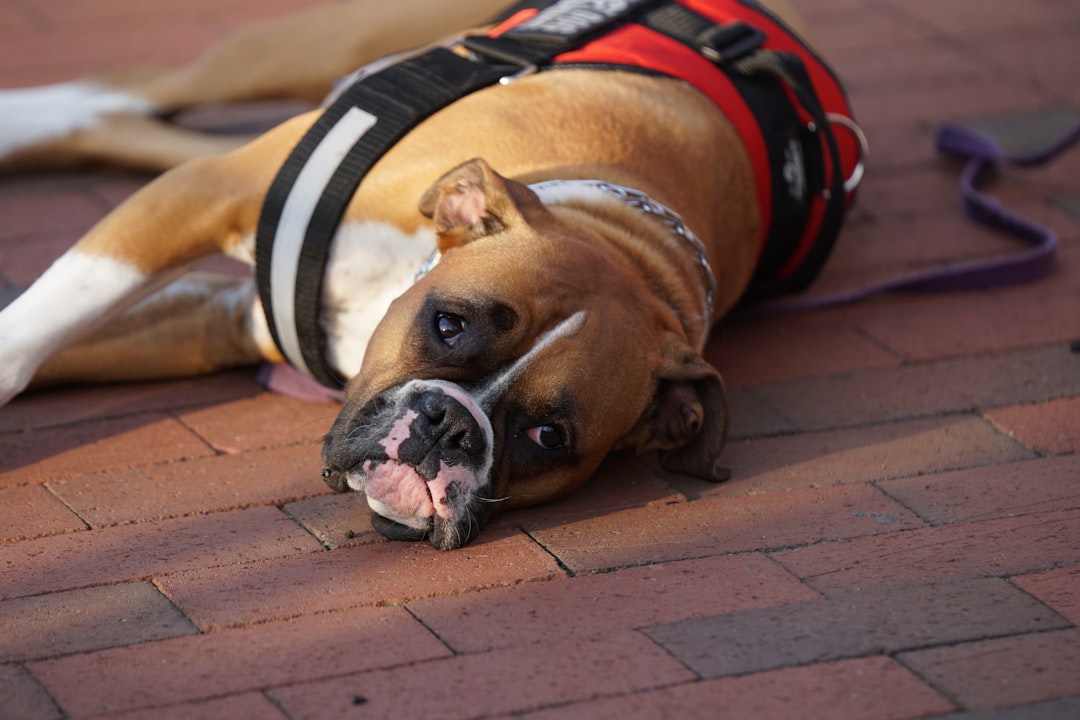
Photo by Jeffrey F Lin on Unsplash
Massage won’t cure degenerative myelopathy, but it might be one of the most meaningful things you do for your dog every single day.
Degenerative myelopathy is a condition that takes things away over time. Mobility, independence, muscle mass. If you’ve been living with a DM dog, you already know what that feels like to watch. What I’ve heard again and again from caregivers in the DM community is that massage became one of the ways they felt like they were giving something back — not just managing symptoms, but being present with their dog in a hands-on, gentle way.
This guide covers four techniques you can realistically learn at home, how often to do them, what to skip, and how to tell if your dog is tolerating the work well.
- Ask your vet or a certified canine rehabilitation therapist to watch your technique at least once before doing this solo at home
- Get your dog used to being touched on their hindquarters during calm, quiet moments before adding structured massage
- Start with shorter sessions (5 minutes) and build up — your dog’s tolerance matters more than the clock
- Choose a warm, quiet room and a non-slip surface so your dog feels secure
Why Does Massage Help a DM Dog?
Massage for DM dogs at home offers real, practical benefits even though it doesn’t address the underlying neurological degeneration. As DM progresses, dogs compensate heavily with their front legs and core, which creates new muscle tension in areas that weren’t originally affected. Rear muscles that are used less start to atrophy, circulation can decrease in limbs with reduced movement, and joints that aren’t being moved through their full range can become stiff. Gentle massage and passive movement work directly against these secondary problems.
Beyond the physical, there’s something harder to quantify. A dog who is losing strength needs to feel safe and cared for. Touch communicates that in a way that nothing else quite does. Many caregivers find that regular massage sessions become a grounding ritual for both of them during a period that can feel overwhelming.
For more on the full picture of keeping a DM dog comfortable, the article on keeping a DM dog comfortable: pain management and quality of life is worth reading alongside this one.
The 4 Techniques to Learn First
Effleurage on the Rear Leg Muscles
Effleurage (from the French word for “to skim”) is the foundation of most massage work. It uses long, gliding strokes with the flat of your hand, moving in the direction of the muscle fibers — generally from the hip toward the hock on the rear legs.
Place your palm gently on your dog’s hindquarters and glide slowly downward with light, even pressure. Think of it less like a deep kneading motion and more like smoothing a wrinkle out of fabric. The goal is to warm the tissue, increase blood flow, and let your dog get used to the sensation. You can use both hands in alternating strokes, working along the outer thigh, the inner thigh, and the back of the leg.
Pressure should be light — enough to move the skin over the muscle, not to compress down to the bone. Start even lighter than you think you need to, especially the first few times.
Passive Range-of-Motion (PROM) Movements
Passive range-of-motion means you’re gently moving the joint through its natural arc — your dog isn’t doing any of the work. As DM progresses and a dog uses their rear legs less, the hip, stifle (knee), and hock joints can stiffen from disuse. PROM helps maintain flexibility and reminds the nervous system what normal movement feels like.
With your dog lying comfortably on their side, support the leg at the thigh and lower leg simultaneously. Slowly flex the hip (bring the knee toward the belly), hold for a breath or two, then extend (bring the leg back out behind them). Move gently and stay well within what feels easy — never push to the end of the range. Do 8–10 slow repetitions per joint, per leg.
This is the technique that most benefits from being shown by a rehab therapist first. The DM exercise and physical therapy guide goes into more detail on movement work across different disease stages.
Paw Pad Massage for Circulation
Dogs with DM often have reduced sensation and circulation in their rear paws. Gentle paw pad massage addresses this directly — and it’s also a nice way to check the paws for any knuckling abrasions or cracked skin that can develop when a dog is dragging their feet. For more on that specific issue, see the article on paw protection for DM dogs.
Hold the paw gently in your palm. Use your thumb to make small, slow circles on each pad — firm enough to stimulate circulation but never hard enough to cause discomfort. Work between the toes as well, where tension can accumulate. Spend about 30–60 seconds per paw. Many dogs who are otherwise tense about rear-end handling will actually relax during paw massage once they’re familiar with the sensation.
Light Muscle Compression Along the Hindquarters
Muscle compression is exactly what it sounds like: a gentle, sustained squeeze of a muscle group, held for a few seconds, then released. It’s different from kneading (which involves more movement) and works well on the large muscles of the hindquarters where muscle tension and compensatory tightness tend to gather.
Place your hand over the large muscle group at the top of the thigh. Apply gentle, even pressure — not a pinch, more of a slow, broad squeeze — hold for 3–5 seconds, then release. Move to a different area and repeat. Work across the hindquarters and the lower back muscles on either side of the spine (not on the spine itself). This technique is calming for most dogs and works especially well toward the end of a session when the muscles are already warmed from effleurage.
- Deep tissue pressure or hard kneading — DM dogs often have reduced sensation and can’t tell you when pressure becomes painful
- Massaging directly on or over the spine
- Percussive techniques like tapping or chopping movements
- Areas with open skin, sores, or active inflammation — check for pressure sores before each session
- Continuing if your dog tenses, flinches, vocalizes, or tries to move away
How Do You Know If Your Dog Is Tolerating It Well?
Reading your dog’s response is the most important skill in all of this. A dog who is enjoying or at least accepting massage will have relaxed muscles under your hands, soft eyes, slow breathing, and may even lean into your touch. Some dogs will close their eyes or let their head drop. These are all green lights.
Signs that you need to slow down or stop: muscle tensing under your hands, ears going back, your dog turning to look at what you’re doing, vocalizing, or trying to get up and move away. Any of these means either your pressure is too firm, you’ve found a sensitive spot, or your dog simply isn’t settled enough for massage right now. Back off, give them a minute, and try again with lighter hands — or save it for another session.
It’s also normal for dogs to be more tolerant on some days than others. DM dogs have good days and bad days, and your massage sessions should flex accordingly.
- Pick the same time of day — after a short walk or after your dog has eaten and settled works well for many caregivers
- Keep sessions to 10–15 minutes; two shorter sessions beat one long one
- Start and end every session with effleurage to signal beginning and end
- Talk quietly to your dog throughout — your voice is part of the calming effect
- Note anything unusual (new sensitive spots, asymmetry, or skin changes) and mention it to your vet
How Often Should You Do This?
Once or twice daily is the sweet spot that most canine rehabilitation therapists recommend for DM dogs at home. Consistency is more valuable than occasional longer sessions. A 10-minute session every morning and evening is genuinely more useful than a 45-minute session on the weekend when you have time.
The bonding dimension of this is real. Many DM caregivers describe these daily sessions as one of the anchors of their routine — something that is entirely about being present with their dog rather than managing a problem. That matters. Caregiving for a DM dog is exhausting, and having a moment that feels connective rather than clinical makes a difference for both of you.
Related Reading
- DM Dog Exercise & Physical Therapy: Stage-by-Stage Guide
- Keeping a DM Dog Comfortable: Pain Management and Quality of Life
- Paw Protection for DM Dogs: Boots & Knuckling Care
Frequently Asked Questions
How often should I massage a dog with degenerative myelopathy?
Most rehab therapists recommend short sessions of 10–15 minutes once or twice daily. Consistency matters more than duration — a gentle 10-minute session every day tends to be more beneficial than a long session once a week.
Can massage slow the progression of DM?
Massage alone is not thought to slow DM’s neurological progression, which is driven by spinal cord degeneration. What it can do is help maintain muscle tone, reduce tension from compensatory movement, and support your dog’s comfort and circulation during a difficult time.
What should I avoid when massaging a DM dog?
Avoid deep-pressure techniques, percussive movements, or anything that causes your dog to tense up or pull away. Never massage directly over the spine, open wounds, or areas with active inflammation. If your dog vocalizes or shows sudden stiffness, stop immediately.
Do I need to see a rehab vet before starting massage at home?
It’s a good idea to have at least one session with a certified canine rehabilitation therapist before starting at home. They can show you the correct hand placement for your specific dog’s body and flag any areas to avoid — which makes your at-home sessions safer and more effective.
This guide is based on real experience and should be used alongside professional veterinary care. Always consult your veterinarian before starting any new treatment or making changes to your dog’s care plan.