Keeping a DM Dog Comfortable: Pain Management and Quality of Life
DM itself isn't painful, but secondary discomfort is real. Here's what I've learned about pressure sores, joint pain, skin care, and emotional quality of life for DM dogs.
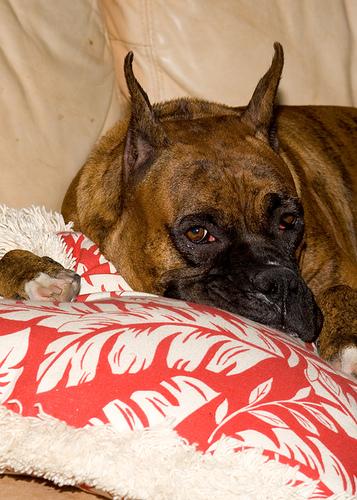
Degenerative myelopathy doesn’t cause pain the way most people expect, but that doesn’t mean your dog isn’t suffering in other ways — and learning the difference changes everything about how you care for them.
When my friend first told me her dog had been diagnosed with DM, her first question was “Is he in pain?” It’s the question almost every DM caregiver asks eventually. The answer is complicated, and honestly, understanding it made me a much better advocate for dogs going through this disease. DM (degenerative myelopathy) is a progressive neurological disease that affects the spinal cord. The nerve degeneration itself is not typically painful. But the secondary effects? Those absolutely can be.
This guide is about the full picture of comfort for a DM dog: not just pain relief, but everything that protects their dignity, reduces their stress, and keeps their tail wagging as the disease progresses.
Is a DM Dog Actually in Pain?
The nerve damage caused by DM creates weakness and loss of coordination, not the sharp or chronic pain you’d see with something like a herniated disc or arthritis. Your dog may not cry out or seem distressed from the DM itself — and that is actually a small mercy in an otherwise hard diagnosis.
But secondary discomfort is very real. As dogs lose mobility, they develop pressure sores from lying too long in one position, experience muscle soreness from compensating with their front limbs, and suffer skin irritation from urine or feces contact. Many DM dogs also have concurrent arthritis — especially in the hips and lower spine — which does cause pain, and which can be treated. Your vet can help you untangle how much of what you’re seeing is neurological versus inflammatory. Don’t assume it’s all DM.
- Whimpering or vocalizing when moved or repositioned
- Reluctance to lie down or get up (could indicate joint pain)
- Red, raw, or ulcerated skin on pressure points — hips, elbows, hocks
- Excessive panting or restlessness without obvious cause
- Licking or biting at skin, especially around the rear end
- Flat affect or loss of interest in food or interaction (may signal pain or depression)
How Do I Prevent and Treat Pressure Sores in a DM Dog?
Pressure sores (also called decubitus ulcers) are one of the most serious secondary complications of DM, and they can develop within 24–48 hours on a hard or damp surface once a dog can no longer reposition themselves. Prevention requires a proactive, daily approach — not just reactive treatment when sores appear.
Bedding and Surface Management
- Orthopedic foam bedding: Dense memory foam designed for dogs is worth every penny. Thin, cheap beds bottom out quickly and offer little real protection.
- Waterproof covers: Non-negotiable. Moisture against the skin accelerates sore formation dramatically.
- Fleece or sheepskin underlays: Adds cushion and wicks moisture away from the skin surface.
- Avoid hard floors entirely: Even brief periods on tile or hardwood without padding can start the process on bony pressure points.
Repositioning Schedule
I set a phone alarm every 2–3 hours during the day to turn and reposition. It felt like a lot at first. It prevented sores. At night, most caregivers aim to reposition at least once — your vet or a canine rehab therapist can advise on a schedule suited to your dog’s current stage.
Use rolled towels or foam wedges to prop your dog in a “sternal” position (on their chest, sphinx-style) when possible. This position is more natural and reduces concentrated pressure on bony points like hips and elbows.
If a Sore Appears
Call your vet at the first sign — a persistent red spot, warmth, or any skin breakdown. Early-stage sores can often be managed at home with cleaning and barrier protection. Advanced pressure sores can become infected and life-threatening, and they are much harder to treat than to prevent.
Managing Secondary Pain and Discomfort
Joint Pain From Concurrent Arthritis
If your vet suspects or confirms arthritis alongside DM, there are real treatment options. From what I’ve seen in the DM caregiver community and from talking to rehab therapists, many dogs respond well to a combination approach.
- NSAIDs (non-steroidal anti-inflammatory drugs like Carprofen or Meloxicam): Prescription only, but effective for confirmed arthritis. Your vet will check kidney and liver function before prescribing.
- Gabapentin: Often used for nerve-related discomfort and anxiety. Many DM dogs respond well to it, particularly dogs who seem restless or uncomfortable at night.
- Warm compresses: A warm (not hot) towel — or a low-heat heated orthopedic pad — on stiff hips for 5–10 minutes before movement can meaningfully reduce stiffness.
- Gentle range-of-motion exercises: A canine rehab therapist can teach you safe passive exercises to maintain joint mobility and reduce stiffness. Many owners find these become a bonding ritual as much as a therapy session.
- Fish oil (EPA/DHA): Anti-inflammatory; use a dog-appropriate dose based on weight
- Glucosamine + Chondroitin: Modest joint support evidence; low risk profile
- CBD oil: Anecdotal reports of reduced anxiety and discomfort are common among DM caregivers, though controlled evidence remains limited
- Vitamin E: Sometimes included in DM management protocols alongside other antioxidants
Muscle Soreness From Compensation
As DM progresses and hind legs weaken, dogs lean heavily on their front limbs and shoulders for movement and support. This compensation overloads muscles that weren’t designed for the extra work.
Gentle massage of the front shoulders and chest muscles can help relieve tension. Focus on slow, flat-palm strokes rather than deep pressure. Many caregivers find their dog actively leans into this — it’s a sign you’re on the right spot. If your dog has access to a canine rehabilitation therapist, ask about hydrotherapy as well; many DM dogs tolerate water movement beautifully and it offloads weight while maintaining circulation.
Daily Comfort Routines That Actually Help
Hygiene and Skin Care
As bladder and bowel control deteriorates, keeping your dog clean and dry becomes a cornerstone of comfort care — not just a hygiene issue.
- Belly bands and dog diapers: Change frequently. Urine scald (redness and irritation from prolonged urine contact) is painful and escalates fast if ignored.
- Pet wipes: For quick cleanups between baths. Keep a pack wherever your dog rests.
- Barrier cream: Plain zinc oxide or a vet-recommended skin barrier applied to clean, dry skin around the groin and hindquarters protects against moisture damage. Apply at every diaper change.
- Regular full baths: Weekly or more, depending on your dog’s needs. It is a lot. It matters.
For a deeper guide on managing incontinence day to day, see Caring for an Incontinent DM Dog at Home.
Positioning and Rest
Where and how your dog rests throughout the day has a large impact on comfort.
- Alternate sides every 2–3 hours.
- Use the sternal (sphinx) position when your dog can tolerate it.
- Keep them in the center of household activity. Isolation increases anxiety and stress in dogs who are already confused by their changing bodies. Being near family is not a small thing for these dogs.
- Non-slip rugs or yoga mats on all hard floors — prevents scrambling, frustration, and secondary injury
- Low-sided food and water dishes so they can eat and drink without straining their neck
- A consistent daily schedule — DM dogs thrive on predictability
- Gentle massage of the shoulders and front legs, which are carrying far more weight than they were built for
- Sniff walks at their pace, even from a wheelchair — nose work is mentally stimulating and emotionally grounding
Supporting Mobility as Long as Possible
Keeping your dog moving — even partially — does more for their quality of life than almost anything else. For dogs in early-to-mid DM stages, structured exercise is widely recommended to help maintain the muscle mass they still have. Short, frequent walks on varied but manageable terrain are generally better than one long effort. A rear-support sling or harness can make assisted walking safer for both of you as hind-end weakness increases.
When your dog can no longer support their hindquarters at all, a wheelchair often extends comfortable mobility by months. Many dogs take to them faster than their owners expect. See Wheelchair Timing for Dogs With DM for guidance on when to consider the transition.
Emotional Comfort Matters Too
Your dog’s emotional state is part of their quality of life — and I say this plainly because it took me a while to really internalize it. DM dogs often remain mentally sharp even as their bodies fail them. They still want connection, stimulation, and to feel like themselves.
- Continue doing what your dog loves, adapted as needed. Slow, nose-led walks — even in a cart — give dogs something to anticipate.
- Mental enrichment through puzzle feeders, sniff games, and easy training keeps their brain engaged and their spirits up.
- Physical affection: gentle brushing, belly rubs, simply being near you. Don’t underestimate proximity.
- Watch for signs of depression: decreased interest in food, withdrawal, flat affect. It happens, and it’s worth mentioning to your vet. There are options, including environmental enrichment changes and sometimes medication.
- Open, deep, or infected pressure sores
- Sudden change in pain level or distress, especially if DM was previously non-painful
- Inability to eat or drink for more than 24 hours
- Signs of urinary tract infection: straining, blood in urine, foul smell, or fever
- Rapid decline in breathing or swallowing — late-stage DM can affect these functions
Quality of Life Assessments: Checking In Honestly
One of the hardest parts of caring for a DM dog is staying honest about where they are. Quality of life isn’t a single moment — it shifts. Many caregivers find it helpful to do a structured assessment weekly: tracking good days versus hard days, appetite, engagement, pain signs, and hygiene needs.
Your vet can walk you through formal quality-of-life frameworks, or you can use informal tracking — even a simple notes app where you record a few observations each day. Patterns matter more than single data points. A dog who has mostly good days with occasional hard ones is in a different place than one whose balance has shifted.
From what I’ve seen among DM caregivers, the dogs who maintain quality of life the longest tend to have consistent routines, active management of secondary discomfort, and owners who are paying close attention. You being here, reading this, already puts you in that category. For a more structured approach, Quality of Life Assessment for DM Dogs walks through what to track and when to have the harder conversations with your vet.
Caring for a DM dog is genuinely one of the harder things I’ve witnessed caregivers take on — not because of any single task, but because of the relentlessness of it, and the grief of watching a slow goodbye. But the comfort and dignity you give your dog in these months matters deeply. A dog who isn’t in constant pain, who is clean and warm and surrounded by the people they love — that is a good life, even in a hard chapter. You are doing something meaningful. Even on the days it doesn’t feel like enough.
Related Reading
- Bowel and Bladder Care for DM Dogs
- Wheelchair Timing for Dogs With Degenerative Myelopathy
- Quality of Life Assessment for DM Dogs
Frequently Asked Questions
Is degenerative myelopathy painful for dogs?
The nerve degeneration in DM is not typically painful itself — it produces weakness and loss of coordination rather than the sharp or chronic pain of a disc injury. However, secondary issues like pressure sores, concurrent arthritis, and skin irritation from incontinence can cause real discomfort that needs active management.
How do I prevent pressure sores in a DM dog?
Use dense orthopedic foam bedding with a waterproof cover, reposition your dog every 2–3 hours during the day, and add fleece or sheepskin underlays to wick moisture away from the skin. Catching red spots early is critical — call your vet at the first sign of any skin breakdown.
What pain medications are used for DM dogs with concurrent arthritis?
Prescription NSAIDs like Carprofen or Meloxicam are commonly used when arthritis is confirmed alongside DM. Gabapentin is often added for nerve-related discomfort and anxiety. Your vet will check kidney and liver function before prescribing NSAIDs long-term.
How do I support my DM dog’s emotional wellbeing?
Keep your dog involved in household activity, continue adapted versions of things they love (like slow sniff walks), and provide mental enrichment through puzzle feeders and scent games. Watch for signs of depression — withdrawal, flat affect, decreased appetite — and mention them to your vet, as there are options worth exploring.
This guide is based on real experience and should be used alongside professional veterinary care. Always consult your veterinarian before starting any new treatment or making changes to your dog’s care plan.