Kids Around a DM Dog: Household Rules
A DM dog and young kids can share a home safely — but it takes clear rules and honest conversations. What actually works, from caregivers who've lived it.
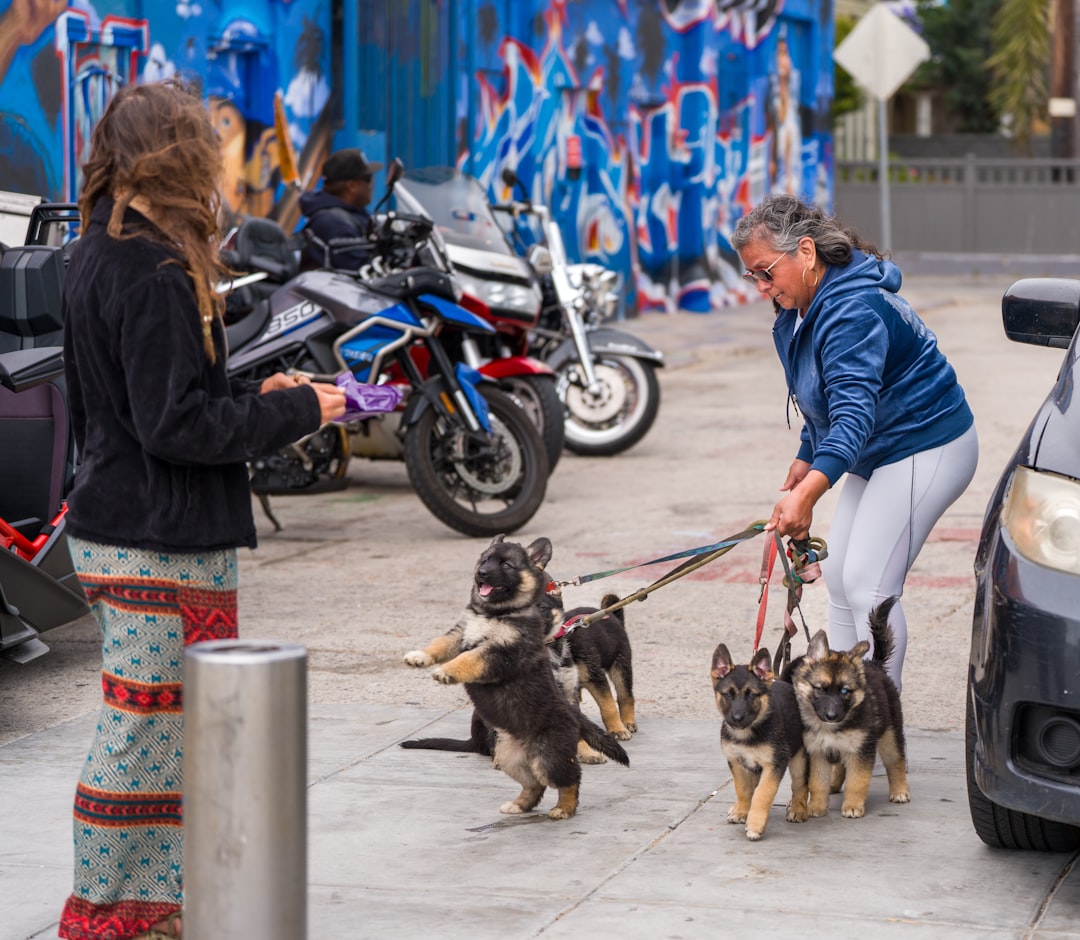
Photo by nader saremi on Unsplash
A DM dog and young kids can absolutely share a home, but it requires honest conversations, firm household rules, and adults who stay present during high-risk moments.
Degenerative myelopathy (DM) is a progressive neurological disease that gradually weakens a dog’s hind legs and, in later stages, affects the whole body. A dog with DM isn’t in pain the way an arthritic dog is, but she is unstable, increasingly slow to react, and physically vulnerable in ways that young children don’t naturally recognize. The rules you set now protect your dog and your kids at the same time.
Why DM Changes the Rules for Kids and Dogs
Most dog-safety advice for kids focuses on bite prevention. DM adds a different layer: a dog with progressive hind-leg weakness can fall, tip over, or drag her legs in a way that looks distressing to children — and that looks like an invitation to help in ways that can actually injure the dog.
DM dogs also lose proprioception (their ability to sense where their limbs are in space) before they lose strength. That means a dog who looks like she’s standing fine can go down suddenly. A child who runs up for a hug or leans against her hindquarters can cause a fall that the dog cannot prevent.
The goal isn’t separation — it’s informed interaction.
- DM does not hurt the dog the way a bruise hurts — but falls do
- The dog’s back legs are her weak spot; never push, lean on, or grab them
- The dog needs to see you coming — always approach from the front
- A tired dog in her safe space is a dog who needs to be left alone
Age-Appropriate Rules by Child Age
Different ages need different framing. A blanket “be gentle” rule doesn’t mean much to a three-year-old, and a ten-year-old can take on real responsibility if you give them specific information.
Toddlers and Preschoolers (Ages 2–5)
Toddlers should never be unsupervised with a DM dog. Not because DM dogs are aggressive, but because a toddler’s movements are unpredictable and a DM dog cannot jump out of the way.
What works at this age:
- “Soft hands” rule: show them how to stroke with an open, flat palm rather than grabbing
- “Feet on the floor” rule: the dog stays on the ground; no one picks her up
- “Sleeping dog, walk away” rule: if the dog is in her bed, we walk past quietly
- Adult-supervised petting only: petting happens when a grown-up is right there
School-Age Kids (Ages 6–10)
This age group can understand cause and effect, and that understanding is your biggest tool. Explaining that the dog’s back legs don’t work well because her spine is changing — not because she’s “sick” like a cold — helps children respond with curiosity rather than fear or rough “fixing” behavior.
What works at this age:
- “Hip rule”: nothing touches the dog behind her ribcage without an adult watching
- “Sling is for adults”: if the dog uses a support sling, kids do not hold it
- Assigned gentle jobs: kids this age love having a real role — letting them refill the water bowl or put down the mat before the dog settles in gives them ownership without risk
- Reading the dog’s face: teach them what a stressed dog looks like (whale eye, yawning, turning away) so they can respond before the dog reaches a breaking point
Tweens and Teens (Ages 11+)
Older kids can become genuine partners in DM care with the right training. Many owners in the DM caregiver community find that teens who understand the disease become some of the most attentive helpers — they’ll notice a stumble or a change in gait before some adults do.
What works at this age:
- Walk them through the actual sling or harness and let them try it under adult supervision
- Give them a role in the bathroom routine — they can hold the door, manage the leash, spot for falls
- Involve them in the dog’s exercise and physical therapy routine so they understand what helps and what strains
How Do You Teach Gentle Interaction That Actually Sticks?
Telling kids to “be gentle” rarely works on its own. What works is showing them what gentle looks like, practicing it, and giving them specific feedback in the moment.
A few approaches that caregivers consistently describe as effective:
- Demonstrate on yourself: let the child practice “soft hands” on your arm before touching the dog, so they feel the difference between gentle and too-firm
- Give them a phrase to say: “Can I pet her?” said before approaching becomes a habit that protects the dog from surprise contact
- Narrate the dog’s feelings: “See how she turned her head away? That means she needs a little break right now.” This builds empathy faster than rules alone
- Celebrate the wins out loud: when a child approaches calmly and the dog responds positively, name it — “That was perfect, she loved that”
- Children leaning their full body weight against the dog’s back end
- Kids trying to “help” the dog walk by holding or pulling her hind legs
- Chasing or following a dog who is trying to move away
- Sudden loud noises or movements directly behind a DM dog (she can’t spin away)
Bathroom Trips: Who Does What?
Outdoor bathroom trips with a DM dog are one of the highest-risk moments for falls, and they require an adult in charge every single time.
A DM dog who uses a support sling or harness needs consistent, stable support — especially on uneven ground, wet grass, or when she strains to go. An adult handles the sling. Always.
Kids can still participate in a supporting role:
- Hold the door open and stay calm as the dog walks through
- Walk alongside at a calm pace (no running ahead or circling back)
- Carry the treat pouch or the leash if the dog is leash-walked
- Watch and learn — older kids who observe bathroom trips regularly will eventually know the dog’s patterns better than anyone
What kids should never do during bathroom trips: hold the sling, call the dog excitedly while she’s mid-squat, or try to rush her back inside.
Creating a Safe Space the Whole Family Respects
Every DM dog needs a place that is unambiguously hers — a bed, a mat, a gated area — where kids know not to follow. This isn’t punishment for the dog; it’s dignity. A dog who knows she can always get to a safe place is a calmer, less defensive dog.
Make the rule concrete for kids: “When [dog’s name] is on her mat, we don’t go to her. If we want her, we call her to us.”
A memory foam dog bed in a low-traffic corner works well for this — it’s cushioned enough for a dog who’s down a lot, and the physical boundary of the bed makes the “safe zone” rule intuitive even for young children.
- Practice the safe zone rule daily, not just when the dog seems tired
- Let kids help choose where the safe zone goes — buy-in increases follow-through
- Praise kids specifically when they walk past the safe zone without disturbing the dog
- Post a simple visual reminder near the dog’s area for younger children who can’t read yet
When Full Separation Makes Sense
Most families don’t need to fully separate kids and a DM dog — management is usually enough. But there are specific situations where a gate or a closed door is the right call:
- Mealtimes: a dog who is focused on food and unstable on her feet can be knocked over by an excited child; feed in a separate space
- Wheelchair sessions: until kids are old enough to understand that the cart can tip and that falling in a cart is scary for the dog, keep this adult-only
- After a fall or a bad day: a dog who has already gone down once that day is more vulnerable and more likely to startle; give her a quiet afternoon
- When the dog shows stress signals: growling, whale eye, freezing, or repeated attempts to move away are the dog communicating — listen before the situation escalates
For more on reading your dog’s daily status and what a “bad day” looks like in DM, the good days and bad days guide is worth bookmarking.
If you haven’t yet had the conversation about what DM means for your family’s future with your dog, the article on telling kids about a DM diagnosis can help you find the right words.
Living with a DM dog is one of the most demanding things a family can take on — and watching kids learn to be gentle, patient, and genuinely caring with a vulnerable animal is one of its unexpected gifts. The rules you set aren’t about keeping kids away from the dog. They’re about helping them love her in a way that keeps her safe.
Related Reading
- Telling Kids About a DM Diagnosis
- DM Dog Home Setup: Flooring, Ramps & Safe-Room Fixes
- Good Days and Bad Days With DM: What’s Normal and What’s Not
Frequently Asked Questions
Can kids still pet and cuddle a dog with degenerative myelopathy?
Yes, absolutely — physical affection is still good for a DM dog. The key is teaching kids to pet gently, approach from the front so the dog can see them coming, and always sit or kneel on the floor rather than picking the dog up. Cuddling on the dog’s level is safer than lifting.
How do I explain DM to a young child?
Keep it simple and honest: “The dog’s legs are getting weaker, kind of like when your legs get wobbly when you’re really tired — except hers stay that way.” Avoid vague terms like “sick” that can cause worry about contagion. Books about pets getting older can help open the conversation.
Should kids be kept away from a DM dog during bathroom trips?
Supervised bathroom trips are fine, but kids shouldn’t be the ones holding a sling or harness during outdoor bathroom breaks. A DM dog who stumbles mid-trip needs an adult’s quick response. Kids can walk alongside and observe, but the sling stays in adult hands.
When should a DM dog be fully separated from kids?
Separate them any time the dog is eating, resting in her safe space, or showing signs of stress like whale eye, flattened ears, or growling. Also separate them during wheelchair sessions until kids are old enough to understand the cart can tip. Full separation isn’t usually necessary — management is.
This guide is based on real experience and should be used alongside professional veterinary care. Always consult your veterinarian before starting any new treatment or making changes to your dog’s care plan.