How Fast Does DM Progress in Dogs? Real Owner Timelines
DM typically progresses from first wobble to non-ambulatory in 6–24 months — but breed, age, and fitness level shift that window dramatically.
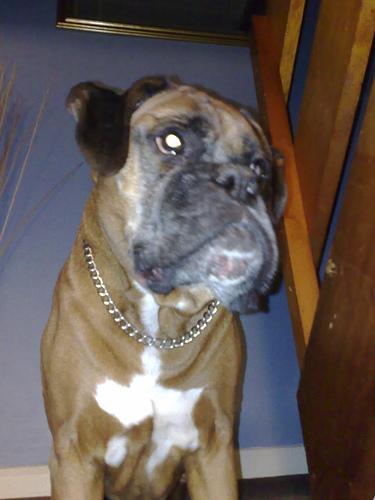
No two DM dogs follow the exact same timeline, but most owners describe the same painful pattern: a wobble you almost dismiss, and then a progression that moves faster than you expected.
What Does a “Typical” DM Timeline Actually Look Like?
Most dogs with DM move through recognizable stages over months, not weeks, but the pace varies enough that every owner’s experience feels uniquely heartbreaking. The typical arc runs from early rear-leg wobbling and stumbling, through progressive weakness and knuckling, to full rear-leg paralysis, and eventually (if a dog lives long enough) can affect the front limbs and even breathing muscles.
In broad terms, many dogs reach the non-ambulatory stage (unable to support their own rear end) somewhere between 6 and 24 months after the first symptoms appear. That’s a big window, and it’s a real one, not a way of hedging. The variation is genuine.
Here’s a rough stage-by-stage framework that many owners and veterinary neurologists describe:
| Timeframe | What you’ll see |
|---|---|
| Months 1–3 (Early Stage) | Subtle rear wobbling, occasional stumbling on slippery floors, mild paw dragging. Easy to dismiss as “just getting older” or blame on arthritis. |
| Months 3–9 (Mid Stage) | Knuckling becomes consistent, crossing of rear legs when walking, difficulty with stairs and getting up. Most owners seek a diagnosis in this window. |
| Months 6–18 (Late Mid Stage) | Dog can no longer support full weight on rear legs without help. A rear-support harness or sling becomes necessary. Bladder and bowel control may begin to be affected. |
| Months 12–24+ (Non-Ambulatory) | Rear legs are fully paralyzed. Care shifts to wheelchair use, assisted movement, skin protection, and incontinence management. |
 disableddogcare.com
- The DM Stages Timeline article breaks down symptoms and expectations stage by stage.
- The DM Progression Timeline goes month-by-month for owners tracking changes over time.
What Factors Speed Up or Slow Down DM Progression?
The rate at which DM progresses in a given dog is shaped by several overlapping factors, some you can influence, and some you can’t.
Breed
Breed is one of the strongest predictors of progression speed. German Shepherds are often cited as progressing faster than many other breeds, with some reaching non-ambulatory status within 6–12 months of symptom onset. Pembroke Welsh Corgis, Boxers, and Chesapeake Bay Retrievers are also commonly affected, and many owners of these breeds describe a relatively rapid decline. Bernese Mountain Dogs and some other large breeds may move more slowly, though the research on breed-specific rates is still evolving.
Age at Onset
Dogs diagnosed younger (say, age 7–8) often seem to have longer windows of mobility than dogs who begin showing symptoms at 11 or 12. This may partly reflect overall health and fitness at the time of onset, rather than the disease itself progressing differently.
Body Weight and Fitness
This is one area where you actually have leverage. A dog who is overweight places more mechanical stress on weakening rear limbs, and many rehab therapists believe excess weight accelerates functional decline. Maintaining a lean body condition throughout the disease is one of the most actionable things a caregiver can do. You can read more in the Nutrition & Weight Management for DM Dogs article.
Concurrent Conditions
A dog with both DM and hip dysplasia or arthritis faces a compounding problem: the joint pain limits the very movement that helps maintain strength. Managing those secondary conditions aggressively can help protect function longer.
Activity Level
Consistent, appropriate exercise is widely regarded as the single most impactful thing a caregiver can do to slow functional decline. Dogs who remain active during early and mid stages are generally thought to retain mobility longer than dogs who become sedentary. The Exercise & Physical Therapy Guide is worth bookmarking now, not later.
- Many owners start rehab too late — once a dog is already non-ambulatory, you’re managing decline rather than slowing it.
- Hydrotherapy, land exercises, and balance work are most effective when started in early to mid stage.
- Ask your vet for a referral to a canine rehabilitation therapist as soon as DM is suspected.
What Individual Variation Actually Looks Like
This is what I hear most often from owners in the DM community: the textbook timeline didn’t match their dog. That’s not a failure, it’s the reality of how variable this disease is.
Some dogs plateau for months at a time, holding at “wobbly but walking” far longer than their vets predicted. Others seem to decline in steps: stable for weeks, then a noticeable drop, then stable again. A few dogs deteriorate faster than any timeline suggests, going from early wobble to wheelchair in under six months.
What I’ve heard consistently from caregivers who feel their dog “beat the average”:
- They started a rear-support harness early, before their dog was falling — something like the Help ‘Em Up Harness that provides lift assistance without restricting movement during walks.
- They kept walks short and frequent rather than long and tiring.
- They committed to hydrotherapy, which lets a dog exercise safely even as land movement becomes harder.
- They tracked progression carefully — photos and videos every two weeks — so they could catch changes early and adapt.
None of this stops DM. But many owners describe feeling that it bought their dog meaningful extra months of quality mobile life.
- Start or maintain a daily low-impact exercise routine — even 10–15 minutes of supported walking helps.
- Get your dog to a healthy weight if they aren’t there already.
- Look into a rear-support harness or sling before your dog actually needs one — practicing with it early makes the transition smoother.
- Schedule a consult with a canine rehab therapist if you haven’t already.
When Does the Non-Ambulatory Stage Begin?
Most dogs with DM lose the ability to support themselves on their rear legs somewhere between 6 and 18 months after symptom onset, though the full range extends to 24+ months in slower-progressing cases. Once a dog is non-ambulatory in the rear, caregiving shifts significantly: you’re managing skin integrity, incontinence, mental stimulation, and wheelchair use. That transition is hard, but it’s manageable with the right setup. The DM Dog Home Setup Guide is a good place to start thinking through those changes before you’re in crisis mode.
- Sudden worsening of weakness over hours (may indicate a secondary issue, not just DM)
- Signs of pressure sores — redness, open skin, foul odor
- Inability to urinate or signs of urinary tract infection (straining, blood in urine)
- Any respiratory changes in late-stage DM
Related Reading
- DM Stages in Dogs: Timeline, Symptoms & What to Expect
- DM Dog Exercise & Physical Therapy: Stage-by-Stage Guide
- Keeping a DM Dog Comfortable: Pain Management and Quality of Life
Frequently Asked Questions
How fast does DM progress in dogs on average?
Most dogs with DM move from first symptoms to full rear-leg paralysis somewhere in the 6–24 month range. The pace varies significantly by breed, fitness level, and concurrent health conditions, with German Shepherds and some other breeds progressing faster than the average.
Does exercise actually slow DM progression?
Exercise cannot stop DM, but consistent physical activity is widely recommended by rehabilitation specialists and is generally thought to help maintain function longer. Many caregivers describe meaningful extra months of mobility in dogs who stayed active through early and mid stages.
What does the end stage of DM look like?
In late-stage DM, the rear legs are fully paralyzed and bladder/bowel control is typically lost. In some dogs, if the disease continues, weakness can progress to the front limbs and eventually affect breathing muscles, though many dogs reach end-of-life decisions before that point due to quality-of-life considerations.
Is DM painful for dogs?
DM itself is not considered painful: the nerve degeneration causes loss of sensation rather than pain. However, secondary issues like pressure sores, urinary tract infections, or concurrent arthritis can cause significant discomfort and should be actively managed.
This guide is based on real experience and should be used alongside professional veterinary care. Always consult your veterinarian before starting any new treatment or making changes to your dog’s care plan.