Herbal and TCM Approaches for DM: What Owners Try
Curious about herbs and TCVM for your DM dog? Here's what owners actually try, how it fits alongside conventional care, and how to find a certified holistic…
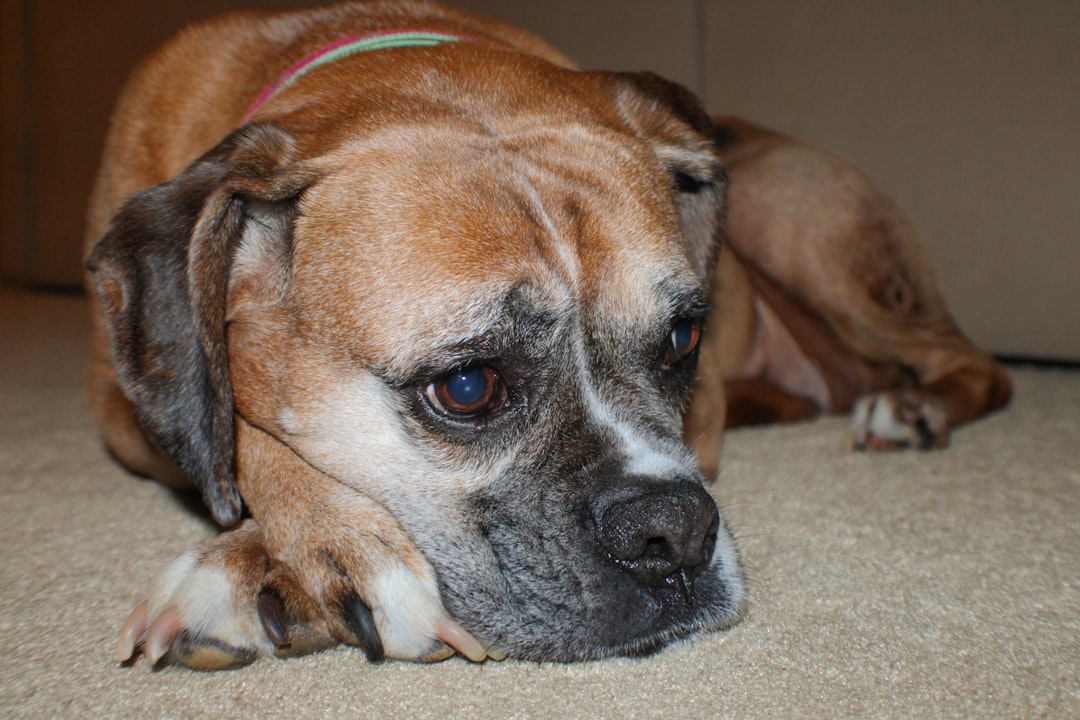
Photo by Stella St. Clair on Unsplash
When conventional medicine says there’s no cure, it’s natural to start looking at everything else — and for many DM owners, that search eventually leads to herbal medicine and Traditional Chinese Veterinary Medicine.
I want to be upfront about something before we go further: I have IVDD experience, not DM experience. Heidi is a dachshund with IVDD — not degenerative myelopathy. But I’ve spent a lot of time in the disabled dog community, and the questions I hear most often from DM owners involve exactly this territory: what do herbs and Chinese medicine actually offer, and is it worth pursuing? This article is my attempt to pull together what owners actually try and what certified practitioners say about it — honestly, without false hope.
What Is TCVM, and How Does It Frame DM?
Traditional Chinese Veterinary Medicine (TCVM) is a system of medicine derived from Traditional Chinese Medicine (TCM) as applied to animals. It includes acupuncture, herbal medicine, food therapy, and a practice called Tui-na (a form of therapeutic massage). Unlike conventional veterinary neurology, which diagnoses DM through genetic testing, MRI, and clinical grading, TCVM assesses the animal through a different lens — one that considers patterns of imbalance in the body’s energy systems rather than a single pathological mechanism.
In TCVM terms, degenerative myelopathy is often described as a pattern of “Kidney Jing deficiency” combined with obstruction of Qi and Blood in the spine. That framing sounds abstract if you’re used to Western medical language, but in practice it shapes which herbs and acupuncture points a practitioner chooses. It’s a different diagnostic system, not a rejection of biology — and many certified TCVM practitioners hold conventional veterinary degrees alongside their TCVM training.
If you’re curious how acupuncture specifically fits into DM care, the article on acupuncture for DM dogs covers the owner experience and what to expect from sessions in more detail.
- Herbal formulas (prescribed individually, not one-size-fits-all)
- Veterinary acupuncture (often paired with herbal protocols)
- Food therapy recommendations (warm vs. cooling foods, protein sources)
- Tui-na massage techniques owners can learn at home
What Herbs Do DM Owners Actually Try?
The most commonly reported herbal protocols in the DM owner community fall into a few categories. It’s worth noting that in TCVM, formulas are almost always compound prescriptions — a blend of herbs selected together for a specific pattern. Rarely does a practitioner prescribe a single herb in isolation.
Bu Yang Huan Wu: Possibly the most frequently mentioned formula in DM circles. It’s a classical Chinese formula traditionally used to support blood circulation and nerve function, often recommended for patterns involving paralysis or weakness from blood stasis. Many TCVM practitioners reach for this formula early in a DM presentation.
Jing Tang Neuro Formula: Developed specifically for veterinary use by the Chi Institute, one of the leading TCVM training programs in North America. This formula is widely used by certified TCVM vets for dogs with spinal and neurological degeneration. It’s not available over the counter — it’s prescribed through a practitioner.
Astragalus (Huang Qi): A Qi-tonifying herb used broadly in Chinese medicine. In DM protocols it’s often included for its perceived immune-supporting and energy-building properties. Astragalus appears in many compound formulas rather than being used alone.
Gou Teng (Uncaria): Used in TCVM for neurological symptoms including tremors, spasm, and weakness. It shows up in formulas aimed at calming the nervous system and supporting motor function.
Di Huang (Rehmannia): A key herb for Kidney deficiency patterns — which is exactly how TCVM frames DM. It’s a foundational ingredient in many formulas recommended for older dogs with progressive neurological decline.
- Never source Chinese herbal formulas from human supplement retailers or general pet stores — quality control, concentration, and species-appropriate dosing vary enormously
- Some herbs interact with NSAIDs, blood thinners, and corticosteroids — always disclose every supplement to both your conventional vet and TCVM practitioner
- Herbs prescribed for one pattern in TCVM may be inappropriate or even harmful for a dog with a different pattern — individual prescription matters
- Kidney-supporting herbs should be used cautiously in dogs with pre-existing kidney disease, which is common in older DM dogs
How Does This Fit Alongside Conventional DM Care?
The short answer is: carefully and transparently. TCVM is generally positioned as an adjunct to conventional care, not a replacement for it. Most DM owners who pursue herbal protocols are simultaneously working with a conventional vet or neurologist on physical therapy, mobility aids, and quality-of-life management.
From what I’ve seen and heard from owners in the DM community, the goal isn’t usually to “cure” the disease — most people who’ve done their research understand that no treatment has reliably altered DM’s progression. The goal is more often comfort, preserved function for as long as possible, and a sense of doing everything reasonable.
That aligns with the supplements for DM dogs article I’ve written, which covers antioxidants and conventional supplements from a similar angle: there’s limited controlled evidence, but some things are widely used and generally low-risk when properly sourced and dosed.
The integrative sweet spot that many DM owners land on looks something like this:
- Conventional vet or neurologist: Manages diagnosis, rules out other conditions, advises on physical therapy and mobility
- TCVM practitioner: Designs the herbal protocol and acupuncture schedule
- Rehab therapist: Guides exercise and bodywork
- Owner: Coordinates communication between everyone and monitors daily changes
- Bring a complete medication and supplement list to every appointment with every provider
- Ask your TCVM practitioner to communicate directly with your conventional vet if possible
- Track changes in your dog’s gait, energy, comfort, and appetite weekly — this helps everyone adjust the plan
- Don’t start multiple new interventions simultaneously; introduce one at a time so you can tell what’s helping
How Do I Find a Qualified Veterinary TCVM Practitioner?
Finding a credentialed veterinary TCVM practitioner is genuinely important. Herbal medicine for dogs is not regulated the same way pharmaceutical drugs are, which means the gap between a well-trained practitioner and someone just selling supplements is significant.
The two main credentialing pathways in North America are:
Chi Institute (TCVM Certificate): The Chi Institute of Traditional Chinese Veterinary Medicine offers the most widely recognized TCVM certification for veterinarians in North America. Graduates have completed formal coursework in herbal medicine, acupuncture, food therapy, and Tui-na. You can search their practitioner directory on the Chi Institute website.
AAVA (American Academy of Veterinary Acupuncture): Focuses primarily on acupuncture training and credentialing. Many members also have herbal training, but it’s worth asking about their specific background in TCVM herbology.
A few practical tips from what owners consistently report:
- Ask specifically about herbal training, not just acupuncture. Some vets complete acupuncture courses without deep herbal medicine training.
- Expect an intake that feels different from a conventional appointment. A TCVM practitioner will assess your dog’s tongue color, pulse quality, coat, energy, and temperament — these are diagnostic tools in this system.
- Be cautious of practitioners who prescribe the same formula to every DM dog. Individualized prescription is a core principle of TCVM; a practitioner who hands everyone the same bottle isn’t practicing it properly.
- Telehealth TCVM consults exist, but a physical exam is genuinely important for the initial pattern assessment. Follow-up consults are sometimes done remotely.
The American Animal Hospital Association offers a vet-finder tool that may help you locate integrative veterinary practices in your area, some of which have TCVM-trained staff on site.
- Any practitioner who claims herbs will stop or reverse DM — no ethical provider should make this claim
- Formulas sold without any practitioner assessment or intake
- Pressure to discontinue conventional veterinary care entirely
- No credentials or transparency about training when you ask directly
Related Reading
- Acupuncture for DM Dogs: What Owners Report and What to Expect
- Supplements for DM Dogs: What’s Worth Trying and What to Skip
- Vitamin E, Vitamin C, and Antioxidants for DM: What the Evidence Shows
Caring for a DM dog is a long road, and it makes complete sense to want to explore every reasonable option. Herbal and TCVM approaches aren’t magic — but when pursued through a qualified practitioner and layered thoughtfully alongside conventional care, many owners find they add something meaningful to their dog’s daily comfort and quality of life. That’s worth a conversation with a credentialed practitioner, even if you approach it with healthy skepticism.
Frequently Asked Questions
Can herbal or TCM treatments slow down degenerative myelopathy?
There is no treatment — herbal, conventional, or otherwise — that has been proven to stop or reverse DM progression. Many owners and holistic vets believe certain approaches may support nerve health, reduce inflammation, and maintain comfort, but these effects have not been confirmed by controlled studies in DM dogs specifically.
Is it safe to combine Chinese herbs with conventional DM medications?
Some herbs can interact with medications, including NSAIDs, steroids, and supplements. Always tell both your conventional vet and your TCVM practitioner about every medication and supplement your dog is taking before starting any herbal protocol.
How do I find a certified veterinary TCVM practitioner?
The Chi Institute of Traditional Chinese Veterinary Medicine trains and certifies veterinary acupuncturists and TCVM practitioners. The American Academy of Veterinary Acupuncture (AAVA) is another credentialing body. Ask any practitioner for their credentials and which certifying program they completed.
What herbs do DM owners most commonly report trying?
The most commonly discussed herbs in the DM owner community include Bu Yang Huan Wu (a Chinese formula for nerve and blood circulation support), Jing Tang Neuro Formula, astragalus, and gou teng (uncaria). These are almost always prescribed as part of a broader TCVM protocol, not used in isolation.
This guide is based on real experience and should be used alongside professional veterinary care. Always consult your veterinarian before starting any new treatment or making changes to your dog’s care plan.