Best Flooring & Traction for DM Dogs: What Actually Helps
Rubber-backed rugs, ToeGrips, paw wax, and boots — ranked by how well they actually stop a DM dog from slipping, with tips from owners who've lived it.
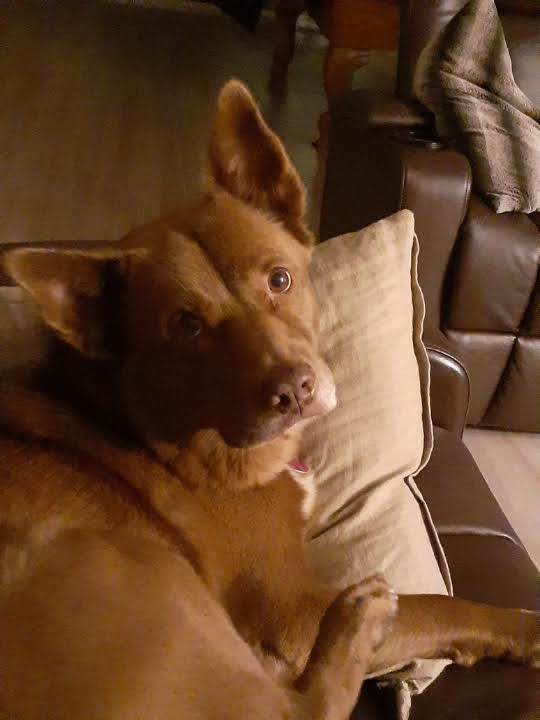
Slipping on smooth floors is one of the earliest and most preventable sources of exhaustion and injury for a dog with degenerative myelopathy, and fixing it costs less than one vet visit.
Owners in the DM community consistently describe the same realization: the wobbling wasn’t the only problem. The hardwood floors running through most of their homes were making it dramatically worse. Every step on a slick surface forces a DM dog to work twice as hard just to stay upright. Once traction is addressed, you can often see the dog visibly relax — less slipping means less exhaustion, and less exhaustion means more good days.
If your dog has been diagnosed with DM, or you’re watching early symptoms and learning everything you can, improving traction is one of the most practical changes you can make right now.
Why Traction Matters So Much for DM Dogs
Degenerative myelopathy (DM) is a progressive neurological disease that slowly destroys the spinal cord’s ability to send signals to the hind legs, resulting in weakness, loss of coordination, and eventually full paralysis in the back end.
Here’s the thing about DM: the muscles themselves aren’t the first problem — the signals are. So when a DM dog hits a slick floor, their brain is already struggling to tell those legs where to go. Add zero grip underfoot and you’ve stacked two problems on top of each other. The dog compensates, tires out faster, and falls more. Falls can cause real injuries, and fear of falling can make a dog stop wanting to move, which is the opposite of what a DM dog needs. Keeping DM dogs active and moving is widely considered one of the most important things an owner can do to support quality of life, and that’s only possible when the environment isn’t working against them.
- Your dog hesitates at the edge of a rug or room transition
- You notice increased stumbling after walks across hard floors
- Your dog is reluctant to stand up from a lying position
- You see scuff marks or worn fur on the tops of the back paws (knuckling)
What Flooring Actually Works?
You don’t need to renovate your home. You need to cover the right surfaces strategically.
Rubber-backed area rugs: The single most effective solution. Lay them end-to-end along your dog’s main travel routes — from their sleeping spot to the water bowl, to the door, through the kitchen. The rubber backing keeps the rug from shifting, which matters as much as the rug itself. Inexpensive, widely available, and easy to wash.
Interlocking foam puzzle mats: Cheap, easy to clean, and great for covering larger areas like living rooms or bedrooms. These work particularly well under a dog’s standing and eating area because they’re also easier on sore joints than hard floors.
Carpet runners with rug tape: For hallways, these are a lifesaver. Secure the edges with double-sided rug tape so they can’t curl up and become a tripping hazard. Solving one fall risk only to create another is a real pitfall here — check the edges weekly.
Yoga mats and rubber runners: For spots you can’t cover with a rug (a kitchen loop your dog patrols, or a tiled bathroom they follow you into), a thin yoga mat or rubber runner cut to size works well. They’re also easy to wipe down.
Original hardwood and tile: Cover them wherever your dog goes. The only exception is if you have textured tile with genuine grip — smooth tile is just as hazardous as hardwood.
| Surface | Risk Level | Best Fix |
|---|---|---|
| Smooth hardwood | High | Rubber-backed rugs end-to-end |
| Tile (smooth) | High | Yoga mat or foam puzzle mats |
| Laminate | High | Carpet runner with rug tape |
| Low-pile carpet | Low | Usually fine as-is |
| Textured outdoor pavers | Medium | Rubber mat at transitions |
 disableddogcare.com
- Walk your home and note every path your dog takes daily
- Mark the slippery spots: door thresholds, kitchen floors, bathroom tile
- Prioritize: water bowl area, feeding station, sleeping spot, exit to yard
- Add coverage incrementally — you don’t have to do it all in one day
What About Boots, Socks, and Paw Products?
These work alongside flooring changes — they’re not a substitute for covering slick surfaces, but they add an important layer of protection.
Non-slip dog socks: Useful for low-activity moments, but they wear out fast on a DM dog who drags their paws. Wash and replace them often, and check that they haven’t bunched up inside — a bunched sock is a fall waiting to happen.
Rubber-soled dog boots: More durable than socks and do double duty. They provide grip and protect the tops of knuckled paws from scraping on hard floors. Getting a DM dog used to boots takes patience, but it’s worth the effort. Start with short indoor sessions and reward heavily.
Paw wax (like Musher’s Secret): Adds some grip on smooth floors and protects paw pads from abrasion. Most useful between boot-wearing sessions rather than as a standalone solution. It won’t replace rubber grip, but every bit helps.
ToeGrips (rubber rings that slip onto toenails): These divide opinion in the DM owner community. Some dogs respond well to them and show noticeably better confidence on slick floors; others find them irritating and chew at them. ToeGrips (Dr. Buzby’s) are worth trying if socks and boots haven’t worked — they’re low-commitment to test and require no training period.
Don’t Forget the Yard
Slipping isn’t just an indoor problem. Wet grass, muddy patches, and uneven ground can be just as treacherous for a DM dog. Many caregivers find it helps to keep a small patch of the yard clear and level, with no loose gravel and no steep drop-offs near the door, and to place a rubber-backed outdoor mat at the back-door transition. That one change can eliminate multiple near-falls each week.
- Place a non-slip mat under your dog’s food and water bowls right now
- Run a carpet runner from their sleeping spot to the back door
- Check all rug edges for curling — tape them flat
- Put a rubber mat at every door threshold inside the house
How Do I Handle Stairs and Level Changes?
Eliminating stairs from your dog’s daily routine as early as possible is the right call — and not just because of fall risk. Every stair a DM dog climbs costs significantly more energy than it costs a healthy dog. That energy is better spent on a walk or physical therapy session.
If stairs are unavoidable, these options all help:
- Stick-on stair treads: Inexpensive, easy to install, and make an immediate difference on bare wood or tile stairs.
- Carpet tape strips: A quick alternative — run a strip of double-sided carpet tape across each step and press a small piece of carpet or rubber mat on top.
- Support harness on descents: Going down is harder than going up for a DM dog. A rear-support sling or harness lets you take some weight on the descent without disrupting their natural movement.
- Ramps for single steps: Even a one-step porch drop can be worth ramping if your dog is in later-stage DM. A short rubber-surfaced ramp removes the push-off entirely.
For dogs in later DM stages, consider using baby gates to block staircase access entirely. Knowing they can’t attempt stairs unsupervised removes a real source of anxiety for caregivers — a small inconvenience that pays off in safety.
What to Expect as DM Progresses
Traction needs change as DM advances, and it’s worth planning ahead rather than reacting after a fall.
In early DM, rubber-backed rugs and a watchful eye may be enough. As rear-leg weakness deepens, paw knuckling becomes more consistent and boots or ToeGrips become important for protecting the skin on the tops of the paws — knuckling on bare floors causes abrasions quickly. By mid-stage DM, most caregivers find they need to cover nearly every floor surface their dog crosses, and a rear-support harness for daily movement becomes essential alongside flooring changes.
Late-stage DM brings a shift: your dog may begin using a wheelchair for outdoor movement, and indoors the focus turns to cushioned, grippy surfaces that prevent pressure sores as much as slipping. The full DM stages guide walks through what to expect at each point, which helps with planning your home setup in advance rather than scrambling after each change.
For a full picture of mobility support as the disease progresses, the slings and harnesses guide for DM dogs is worth reading alongside this one.
- If your dog is falling despite good traction, it may indicate faster DM progression — contact your vet
- Sudden loss of coordination or inability to weight-bear is a reason for an urgent vet visit, not just a flooring fix
- Knuckling that causes open wounds needs veterinary attention alongside protective boots
The goal with all of this is to remove the obstacles that consume your dog’s limited mobility reserves. Every fall avoided, every slip prevented, is energy your dog gets to spend on something better: a walk, a meal, time with you. These changes won’t stop DM from progressing, but they make the time you have together safer and more comfortable — and that matters enormously.
Related Reading
- Mobility Aids for Dogs With DM: A Full Guide
- DM Stages, Timeline & What to Expect
- Slings & Harnesses for DM Dogs: Full Guide
Frequently Asked Questions
What is the best flooring for a dog with degenerative myelopathy?
Rubber-backed area rugs, foam puzzle mats, and carpet runners give DM dogs the grip they need to push off with weakening legs. Avoid bare hardwood, tile, or laminate wherever your dog walks most. Slipping accelerates muscle fatigue and injury, which is why covering main travel routes is the single highest-impact change most owners can make.
Do non-slip dog socks actually help DM dogs?
They can help on smooth floors, but many DM dogs drag their paws, which means socks wear through quickly or bunch up inside. Rubber-soled dog boots tend to last longer and protect knuckled paws from abrasion at the same time, making them a better long-term choice for most DM dogs.
How do I keep my DM dog from slipping on hardwood stairs?
Stick-on stair treads or carpet tape strips on each step make a significant difference on bare wood. For dogs further into DM progression, blocking stair access entirely and keeping everything on one level is the safest approach, since descending stairs places heavy demand on already-weakened hind legs.
When should I start modifying my home for a DM dog?
Start as soon as you notice any wobbling, weakness, or knuckling — don’t wait until your dog is falling regularly. Early traction changes reduce fatigue and lower the risk of injuries that can accelerate loss of mobility, and they’re inexpensive enough that there’s no reason to delay.
This guide is based on real experience and should be used alongside professional veterinary care. Always consult your veterinarian before starting any new treatment or making changes to your dog’s care plan.