Does Cold Weather Make DM Worse? What Owners Say
Cold weather doesn't speed DM progression, but winter makes mobility harder in ways that feel exactly like decline. What caregivers report — and what actually…
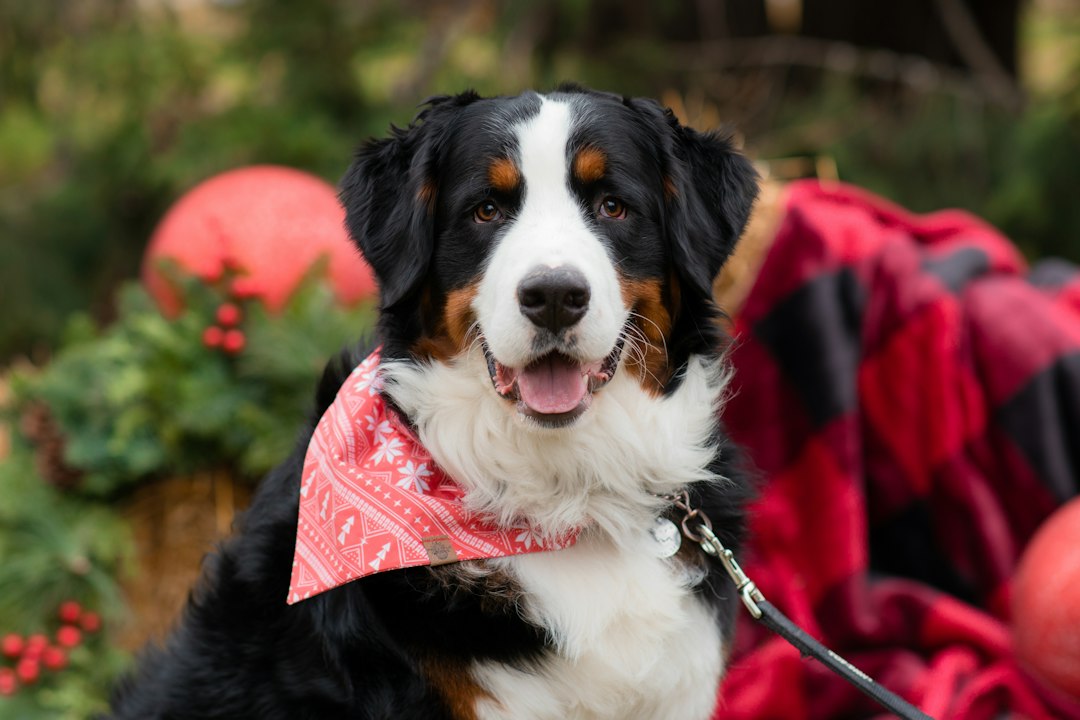
Photo by Shayna Douglas on Unsplash
Winter doesn’t make DM progress faster, but it makes everything harder — and for exhausted caregivers, that difference is easy to miss.
Every November, DM caregiver communities light up with the same question: “My dog seemed fine last week — did winter just make the DM worse overnight?” It’s one of the most common things I hear from owners of dogs further along in their condition than Heidi. And it makes complete sense to ask. The timing feels too coincidental. But the answer, while reassuring in one way, comes with a few important caveats.
Does Cold Weather Actually Make DM Progress Faster?
No credible evidence suggests that cold temperatures speed up the neurological degeneration at the core of degenerative myelopathy. DM progresses because of an underlying genetic mutation affecting the spinal cord — not because of ambient temperature. What cold genuinely does cause is temporary muscle stiffness, reduced flexibility, and slower movement, all of which can look a lot like neurological decline to a worried caregiver watching closely.
The distinction matters, because it changes how you respond. If your dog’s increased wobbliness on a cold morning is stiffness, warming them up and getting them moving will help. If it were true disease acceleration, no amount of a heated bed would change the trajectory. Most caregivers who track their dogs carefully with something like a DM symptom and progression log notice that cold-morning stiffness tends to ease within 15 to 30 minutes of gentle movement — which is a hallmark of stiffness, not of sudden neurological loss.
That said, winter is a genuinely harder season for DM dogs and their caregivers, and it’s worth taking seriously for reasons that have nothing to do with progression.
Why Winter Feels Like a Turning Point
Several real, practical factors converge in winter that can erode a DM dog’s function even if the disease itself hasn’t sped up.
Slippery surfaces: Ice and snow are genuinely dangerous for dogs who already have compromised hind-end coordination. A single bad fall on ice can cause physical injury and, perhaps more damaging, shake a dog’s confidence about moving at all. Many DM caregivers report that a fall on a winter walk was the moment their dog became noticeably more reluctant to try — not because the DM worsened, but because the dog got scared. You can read more about managing this specific problem in why your DM dog is slipping and what actually helps.
Shorter and less frequent outdoor exercise: DM dogs generally benefit from consistent, low-impact movement to maintain muscle mass and slow the visible decline. Cold weather naturally shrinks those outdoor windows. Owners skip walks when it’s dark and icy. That reduction in movement accumulates quickly, and muscle wasting in DM can accelerate when a dog goes from daily walks to occasional short trips to the yard.
Hydrotherapy gaps: Many owners find that their DM dog does best with regular hydrotherapy sessions during the warmer months. Some clinics or pools reduce their winter hours, travel to appointments is harder, and owners sometimes pause sessions intending to restart in spring. A gap in hydrotherapy can mean a noticeable step back for a dog who was relying on it for strength and conditioning.
Cold bedding and stiff starts: DM dogs who rest on cold floors or in cool rooms tend to get up more slowly, stumble more on the first few steps, and sometimes refuse to get up at all. This isn’t drama — cold genuinely increases muscle stiffness in dogs just as it does in humans.
- Increased stumbling or falling specifically on cold mornings
- Reluctance to go outside that wasn’t present before winter
- Paw licking or limping after walks on salted sidewalks
- More difficulty rising from rest than you’d expect given their current stage
What Caregivers Actually Report Season to Season
From what I’ve seen in DM caregiver communities and from talking with other owners of dogs at various stages, a consistent seasonal pattern comes up: dogs seem harder to manage in winter and somewhat better in warmer months. Owners who track carefully often note that:
- Morning stiffness is more pronounced from November through February
- Their dog’s first outdoor steps look dramatically worse than how the dog moves after five minutes of warming up
- Falls and stumbles cluster more in winter, especially on damp or icy mornings
- Some dogs show what looks like a sudden acceleration in DM progression in winter, which turns out on closer inspection to be a combination of stiffness, deconditioning, and icy-surface hesitation rather than true disease progression
None of this means winter is harmless. Deconditioning and fall-related injuries are real risks. The point is that the mechanism is different from DM progression itself, which means you have more tools to work with.
How Do I Keep a DM Dog Mobile and Safe in Winter?
The practical goal is to minimize the external factors that mimic or worsen your dog’s functional decline, without overexerting a dog whose resources are already limited.
For many caregivers, a heated orthopedic pad is one of the first things they reach for in autumn. A low-wattage, thermostat-controlled heated sleeping surface helps a DM dog start the day with warmer, looser muscles instead of stiff, cold ones. Many caregivers report that their dog gets up more easily and moves more confidently in the morning once their sleeping area is consistently warm — not dramatically warmer, just not cold tile or a cool floor.
- Heated sleeping pad reduces cold-morning stiffness at first rise
- Dog coat or sweater for outdoor trips — especially for short-coated breeds
- Paw wax or dog boots before walks on ice or salted surfaces
- Non-slip rugs over all hard floors indoors
- Shorter, more frequent outdoor trips instead of one long walk
Protecting Paws From Ice and Salt
This matters more than it might seem. Rock salt and ice-melt chemicals are irritating to paw pads, and a dog who is already knuckling or dragging is making contact with the ground in ways a healthy dog doesn’t. Check pads after every outdoor trip in winter, rinse or wipe them down, and look for cracking or redness. Paw boots are ideal if your dog will tolerate them. If not, a good paw wax applied before the walk creates a barrier.
Indoor Exercise to Replace Outdoor Walks
The goal of outdoor walks for DM dogs is primarily to maintain muscle mass and body awareness — and those benefits can be partially replicated indoors.
- Slow, controlled indoor walking on non-slip surfaces (a hallway with a traction runner works well)
- Standing exercises: supporting your dog in a standing position for short holds builds rear-end strength
- Passive range-of-motion: gently cycling the rear legs through their natural range while your dog lies on their side — this keeps joints mobile and maintains circulation
- Cavaletti poles: even very low obstacles (a row of wooden spoons on the floor) encourage your dog to lift their feet, which is beneficial for dogs who are starting to knuckle
For dogs still in earlier DM stages, consistency matters more than intensity. Two short indoor sessions often do more for a DM dog than one longer outdoor walk in miserable weather.
- Slow leash walks in hallways or large rooms on non-slip flooring
- Supported standing holds (30–60 seconds, several times a day)
- Passive range-of-motion exercises for the rear legs
- Low cavaletti poles (pool noodles, dowels, wooden spoons) to encourage foot lift
- Puzzle feeders and nose work for mental engagement — this matters too
Keeping Up With Hydrotherapy Through Winter
If your dog has been benefiting from hydrotherapy, do your best not to let winter break that routine. Call ahead to confirm your clinic’s winter hours and schedule appointments before the season gets difficult. If travel becomes genuinely impossible during a storm stretch, ask your rehab therapist what home exercises can bridge the gap — most will give you a specific plan.
Related Reading
- DM Dog Home Setup: Flooring, Ramps & Safe-Room Fixes
- Why Your DM Dog Is Slipping and What Actually Helps
- DM Dog Exercise & Physical Therapy: Stage-by-Stage Guide
Winter with a DM dog is genuinely hard — not because the disease is suddenly galloping forward, but because every practical obstacle gets bigger when the temperature drops. The slippery walkway, the cold floor, the cancelled hydrotherapy session: these things add up. But they’re also things you can work around, one by one, in a way you can’t work around the underlying disease itself. That’s actually something worth holding onto when February feels endless.
Frequently Asked Questions
Does cold weather make degenerative myelopathy progress faster?
There is no strong clinical evidence that cold temperatures accelerate DM’s underlying neurological progression. What cold does do is cause temporary stiffness and reduce mobility, which can make a DM dog’s condition look worse than it actually is.
What can I do to keep my DM dog warm in winter?
A well-fitted dog coat, heated orthopedic bedding, and non-slip rugs over cold tile or hardwood are the core winter interventions most caregivers use. Keep outdoor time short in extreme cold and always check paw pads for ice or irritation after walks.
Is it safe for a DM dog to walk on snow and ice?
It depends on your dog’s stage. Early-stage DM dogs may manage on packed snow with boots or paw wax, but ice is genuinely dangerous because a slip and fall can cause injury and shake their confidence. Stick to cleared surfaces and use a support harness whenever there’s any ice risk.
What indoor exercises can replace outdoor walks in winter?
Slow, controlled walking indoors on non-slip surfaces, standing balance exercises, and passive range-of-motion leg movements are good cold-weather alternatives. If you normally do hydrotherapy, check that your facility maintains a consistent pool temperature year-round — many do.
Not a substitute for your veterinarian's advice. How these guides are written