DM Symptom and Progression Log: What to Track
A DM symptom log turns scattered observations into a timeline your vet can actually use. What to track, how often, and which tools make it manageable.
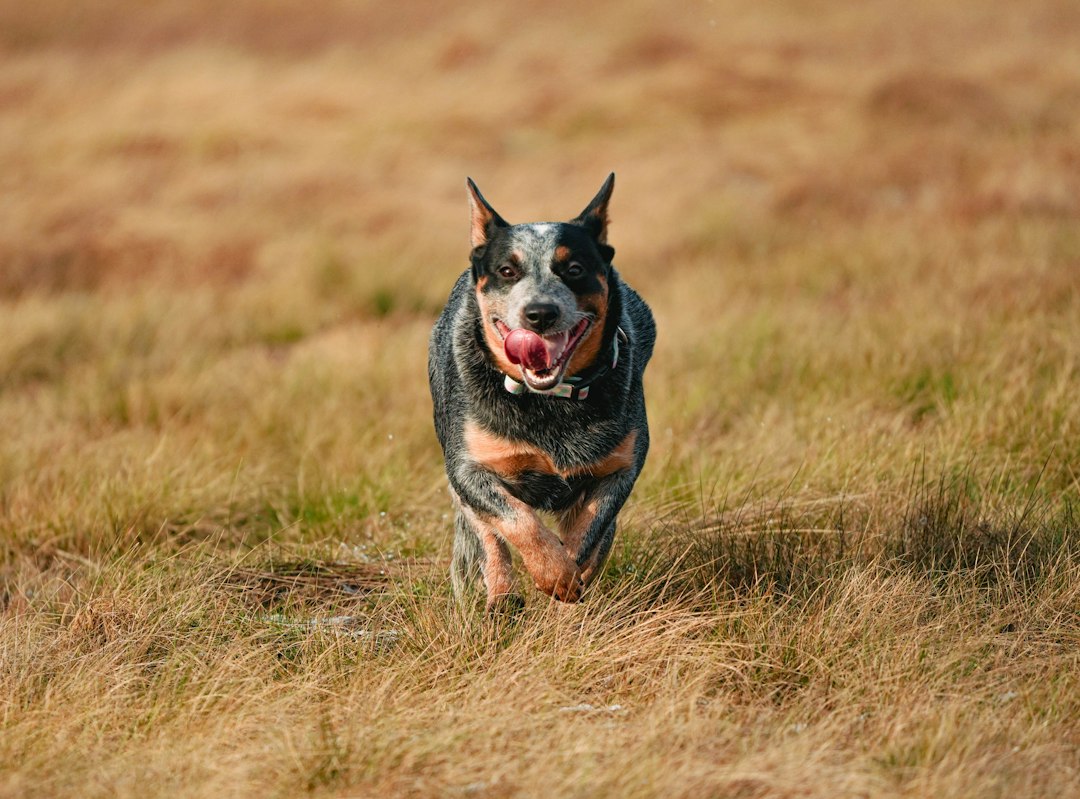
Photo by Marcin Wojna on Unsplash
A DM symptom log is one of the most practical things you can do for your dog — it turns your daily observations into a timeline that actually helps you spot the disease’s progression before it catches you off guard.
Degenerative myelopathy moves on its own schedule, and it doesn’t always announce itself clearly. One week your dog seems the same, and then you realize — looking back — that something shifted two weeks ago and you didn’t quite catch it. That’s exactly the problem a DM symptom log solves. It’s not about being anxious or hypervigilant. It’s about having a record that helps you see patterns your memory alone will miss.
- Catching gradual mobility losses that happen too slowly to notice day-to-day
- Giving your vet real observational data instead of your best recollection
- Helping you and your rehab therapist know when to adjust exercises or equipment
- Building a timeline that supports quality-of-life conversations down the road
What Should You Actually Track?
The most useful DM symptom log covers four categories: mobility and function, bladder and bowel control, incidents, and mood or appetite. Each one captures a different piece of the picture.
Hind-leg function: This is your core data. Note whether your dog can stand unassisted, for how long, and with what kind of support. Record any knuckling — when the paw folds under and the dog walks on the top of the foot rather than the pad. Note whether the gait looks shuffling, wide-based, or wobbly. Even “looks the same as yesterday” is a useful entry.
Bladder and bowel control: Record accidents, urgency, and any signs of incomplete emptying. DM affects the nerves controlling these functions as it progresses, so changes here often signal a stage shift. Note the number of accidents and whether they happened indoors, outdoors, or during sleep.
Falls and stumbles: Any time your dog goes down unexpectedly, write it down. Where were they? What surface? Did they recover on their own? Falls are important because they carry injury risk — and because a sudden increase in fall frequency is one of the clearest signals that something has changed. The article on what to do if your DM dog has a bad fall has good guidance on assessing whether a fall needs immediate vet attention.
Mood and appetite: This one gets skipped, and it shouldn’t be. A dog who is less interested in food, reluctant to engage, or sleeping more than usual may be experiencing discomfort or distress that isn’t showing up in their gait yet. Mood changes can be among the earliest signs that something has shifted, as covered in the good days and bad days with DM guide.
Exercise tolerance: Note how long your dog walked, whether they fatigued early, and how they recovered afterward. This matters especially if you’re doing physical therapy or hydrotherapy — it helps your rehab vet assess whether the program needs to be adjusted.
Which Tool Should You Use?
Any format you’ll actually stick with is the right format. The best DM symptom log in the world is useless if it’s abandoned after two weeks because it was too complicated.
Paper notebook: Low friction, always accessible, no battery required. A simple dated entry per day is genuinely effective. The downside is that spotting trends across weeks requires flipping back and forth, which takes effort.
Spreadsheet: The most powerful option for pattern recognition. Set up columns for each category — date, mobility rating (a simple 1–5 scale), accidents, falls, mood, notes — and you can scan weeks at a glance. Google Sheets works well and is accessible from your phone. You can also easily share a link with your vet.
Phone notes app: Fast to update in the moment, but harder to review over time unless you format entries consistently. Works well as a capture tool if you then transfer entries to a spreadsheet weekly.
Pet health tracking apps: Several exist, and some DM owners find them helpful. The main advantage is built-in structure and reminder prompts. The main limitation is that generic pet health apps aren’t built around DM-specific milestones, so you may need to adapt them.
A practical middle path: use your phone to jot a quick note in the moment, then spend five minutes on Sunday adding the week’s entries to a simple spreadsheet. You get the convenience of mobile capture and the clarity of a structured record.
- Date
- Mobility score (1 = walking well, 5 = non-ambulatory)
- Knuckling: yes / no / which paw
- Accidents: number and type
- Falls or stumbles: yes / no / brief description
- Mood: normal / subdued / anxious
- Notes (anything that doesn’t fit a column)
How Often Should You Review the Log?
Logging daily is ideal, especially during periods of active change. But reviewing it — actually reading back through several weeks — is where the real value lives.
Many caregivers in the DM community describe the same experience: they look back at entries from a month ago and realize the decline was happening gradually the whole time, even on days that felt like “fine” days. A weekly review, where you compare this week’s entries to last week’s at a glance, often catches those slow-moving changes.
A monthly review is worth doing as well. Look for any category that has trended consistently in one direction. A dog who has gone from one indoor accident per week to four per week over a month has had a meaningful change, even if no single week felt alarming. The DM progression timeline article can help you contextualize what stage-level changes typically look like.
How Do I Share the Log With My Vet?
Bring a summary, not the full log. Your vet has limited appointment time, and a 40-page spreadsheet is hard to use in the room. Before each appointment, prepare a one-page summary covering the past 2–4 weeks. Include:
- Any new functional losses (stopped standing unassisted, new knuckling, etc.)
- Frequency of accidents and whether it’s changed
- Any falls or injuries
- Mood or appetite changes
- How the dog responded to any new exercises or equipment
If your vet uses a patient portal or email, ask whether they’d like the summary sent ahead of time. Many vets and rehab specialists find it genuinely useful — it lets them come to the appointment already thinking about what’s changed rather than starting from scratch.
The log is also valuable for conversations with a veterinary neurologist or rehab specialist. If you’re seeing a specialist for the first time, a two-to-three-month summary of tracked observations is far more useful than “I think it’s been getting worse, maybe starting around spring?”
- Sudden loss of function that happens over hours or days, not weeks
- A fall that results in injury or obvious pain response
- Complete loss of bladder or bowel control appearing for the first time
- Rapid increase in accident frequency over 5–7 days
- Significant appetite loss or behavioral withdrawal lasting more than 2–3 days
Using the Log to Spot Stage Changes
DM progresses through recognizable stages, and your log is one of the best tools for identifying when your dog has moved from one to the next. Stage transitions matter because they often signal that a care adjustment is needed — a wheelchair evaluation, a harness fitting, a change in exercise frequency, or a conversation about quality of life.
Watch your log for these patterns:
Loss of unassisted standing: If your dog goes from standing easily to needing support to rise, and that pattern holds across multiple entries, it’s a stage marker worth flagging.
Knuckling becoming consistent: Occasional knuckling that becomes every-walk knuckling is a meaningful change. This is where paw protection becomes urgent, since a knuckling dog abrades the top of the foot quickly on any surface.
Accidents increasing without a urinary tract infection: A UTI can cause a sudden spike in accidents, so rule that out first. If the increase is gradual and persistent, it’s more likely DM progression affecting bladder and bowel control.
Exercise tolerance dropping: If your dog used to manage a 15-minute walk and now fatigues at 8 minutes, and that trend is consistent over two weeks, it’s a data point to share with your rehab vet.
Your log doesn’t diagnose anything — but it gives you and your vet the kind of specific, dated observations that make stage assessments more accurate and care decisions more confident. Paired with a structured tool like the DM dog quality-of-life framework, it becomes a foundation for some of the hardest conversations you’ll have.
Related Reading
- DM Stages in Dogs: Timeline, Symptoms & What to Expect
- Good Days and Bad Days With DM: What’s Normal and What’s Not
- DM Dog Quality of Life: An Honest Caregiver’s Framework
Frequently Asked Questions
How often should I update my DM symptom log?
Daily logging is ideal in the early stages and during any period of noticeable change. Once your dog is stable, a brief weekly entry is usually enough — with a note whenever something shifts. The goal is catching gradual changes you might otherwise explain away.
What’s the single most important thing to log for a DM dog?
Hind-leg function and mobility changes are the most clinically important data points. Log whether your dog can stand, walk, or knuckle — and note any changes from the day before. This is what your vet and rehab therapist will want to see first.
Can I share my symptom log directly with my vet?
Yes, and your vet will likely find it extremely useful. A printed one-page summary of the past 2–4 weeks is usually more helpful than a full spreadsheet. Highlight any new losses in function, incidents, or changes in mood and appetite before your appointment.
What’s the difference between a symptom log and a quality-of-life assessment?
A symptom log records daily observations — what happened, when, and how. A quality-of-life assessment is a structured scoring tool that helps you evaluate your dog’s overall wellbeing at a point in time. The log feeds into the assessment; they work best together.
This guide is based on real experience and should be used alongside professional veterinary care. Always consult your veterinarian before starting any new treatment or making changes to your dog’s care plan.