DM Plus IVDD: When a Dog Has Both
Some dogs face DM and IVDD at the same time. Here's how caregivers distinguish symptoms, navigate crate rest conflicts, and manage two competing diagnoses.
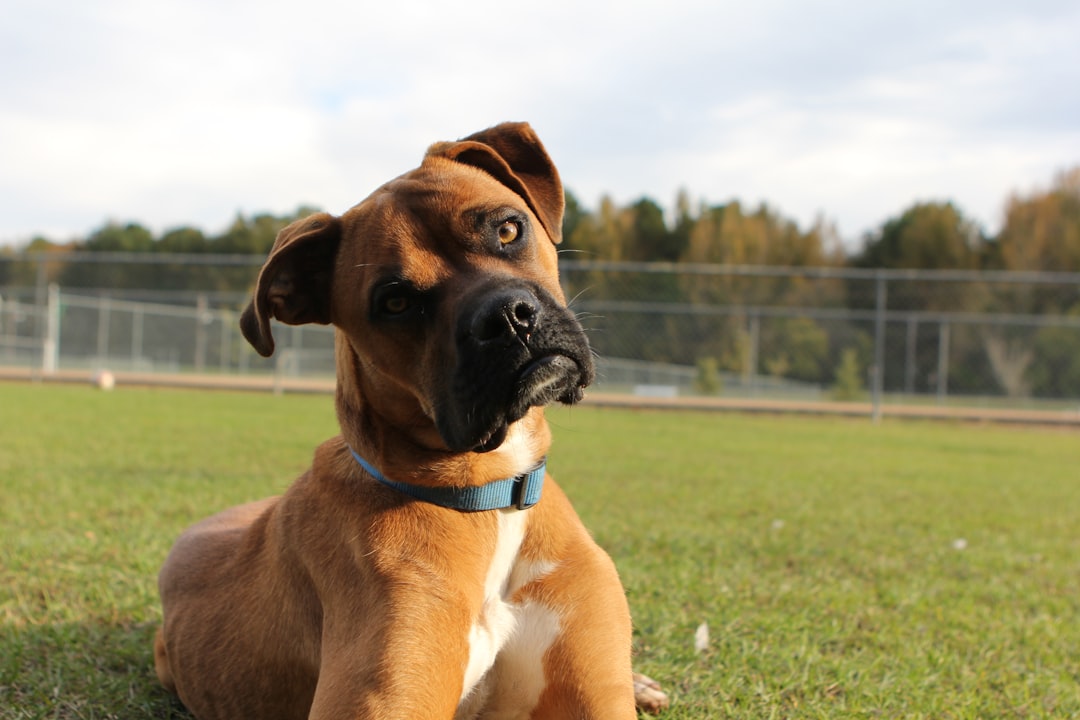
Photo by Judy Beth Morris on Unsplash
When a dog has both degenerative myelopathy and IVDD, caregivers face one of the most diagnostically tangled situations in canine disability — and the decisions it forces are genuinely difficult.
Which Breeds Are Most at Risk for Both Conditions?
Corgis and German Shepherds sit at the highest overlap of DM and IVDD risk — two conditions that each cause hind-leg weakness, each in a very different way. Corgis carry the chondrodystrophic body type that predisposes them to IVDD disc herniation, and they’re also one of the most heavily represented breeds in DM genetic studies. German Shepherds, meanwhile, are among the most well-documented DM-affected breeds, but they also develop Hansen Type II IVDD — the slow-onset disc disease common in large breeds — at a meaningful rate as they age.
If you have a Corgi or GSD who is losing function in the hind end, the honest answer is that you may be looking at one condition, the other, or both running in parallel. The published article on degenerative myelopathy in Corgis goes deep on why this breed is so vulnerable, and it’s worth reading alongside this one.
Other breeds where the overlap is worth keeping in mind include Poodles, Boxers, and Chesapeake Bay Retrievers — each can carry DM genetic risk while also being susceptible to age-related disc disease.
How Do You Tell Which Condition Is Causing Which Symptom?
The most reliable single differentiator between DM and IVDD is pain. IVDD causes pain — sometimes dramatic, yelping pain, sometimes subtler guarding and hunching — because a herniated disc is physically compressing tissue. DM, as the Merck Veterinary Manual describes it, is generally a painless progressive degeneration of the spinal cord’s white matter. A dog who vocalizes when you touch their back, who refuses to jump, or who holds their spine in a rigid arch is almost certainly showing an IVDD pain response, not a DM symptom.
That said, it gets murky fast when both are present. Here’s a rough breakdown of what each condition typically contributes:
Pain on spinal palpation: Almost always IVDD — DM dogs typically don’t react to back palpation.
Sudden-onset weakness: More consistent with an acute IVDD disc herniation, which can appear within hours.
Gradual, symmetric hind-leg weakness over months: More consistent with DM progression, which unfolds slowly.
Knuckling without distress: Can be either — but if there’s no pain and the dog seems otherwise comfortable, DM is more likely driving it.
Incontinence: Both conditions can cause bladder and bowel involvement. In DM, it typically appears in later stages. In IVDD, it can appear acutely with a significant herniation.
Asymmetric weakness: More suggestive of IVDD — DM tends to progress symmetrically from behind.
A veterinary neurologist can use MRI to identify actual disc herniation and compression. The SOD1 genetic test through the Orthopedic Foundation for Animals can confirm whether your dog carries the DM-linked mutation. Neither test tells the whole story alone, but together they help build a clearer picture.
- MRI of the full spine to identify active disc herniation and compression
- SOD1 genetic test to confirm DM mutation status
- Neurological grading exam to map where deficits are most pronounced
- Cerebrospinal fluid (CSF) analysis to rule out inflammatory or infectious causes
The Crate Rest Problem: When DM and IVDD Collide
For a dog with IVDD, crate rest is a cornerstone of conservative management — and even after surgery, strict rest during the acute healing phase is non-negotiable. The goal is to prevent further disc material from herniating while inflammation settles. If you’ve been through IVDD treatment, you know this drill well.
For a dog with DM, prolonged immobility is actively harmful. DM progression is widely believed by rehab specialists to be slowed by consistent, structured exercise — muscle mass supports the dog’s remaining function, and movement promotes neurological engagement. A DM dog who spends weeks in a crate loses ground it may never fully recover.
When the two conditions meet, you’re caught between two legitimate medical directives that directly conflict. Here’s how to navigate it:
Honor the acute window: If your dog has a confirmed or strongly suspected IVDD flare — sudden pain, acute weakness, or imaging showing active compression — strict crate rest for the acute inflammatory phase (typically 1–2 weeks, though your vet will guide the exact duration) is still appropriate. Skipping rest during this window risks serious spinal cord damage.
Push for the shortest defensible rest period: Work with your neurologist to define clear milestones for returning to movement. A DM dog should not be on open-ended crate rest. Establish what signs will signal it’s safe to add gentle assisted walking back in.
Prioritize supported movement over independent movement: Once cleared from strict rest, a DM dog with recent IVDD involvement shouldn’t be left to stumble around freely — that risks falls and re-injury. A good rear-support harness like the Help ‘Em Up Harness lets you keep the dog moving safely while still controlling how much weight goes through compromised hindquarters.
Keep the DM exercise program modified, not eliminated: Short, supported walks on safe surfaces can often resume before a dog is cleared for full activity. Check with your neurologist, but many rehab specialists prefer two 5-minute assisted walks over complete rest once the acute IVDD window has passed.
- Rapid muscle wasting in the hindquarters beyond what the IVDD episode alone would explain
- Worsening of hind-leg weakness that outpaces expected IVDD recovery
- Loss of previously present voluntary movement in the rear limbs
- Skin breakdown or pressure sores developing on bony prominences
Treatment Conflicts to Know About
Managing medication for a dog with both conditions requires careful coordination — some of what helps one condition can complicate the other.
Corticosteroids: Often used in acute IVDD to reduce spinal inflammation. In DM dogs, long-term steroid use is generally avoided because the muscle wasting and immune effects can accelerate functional decline. Short-course steroids for an acute IVDD flare may still be appropriate, but this is a conversation your neurologist needs to lead.
NSAIDs: Nonsteroidal anti-inflammatory drugs can help with IVDD pain management. They’re less central to DM care, but if a DM dog has concurrent disc pain, they’re worth discussing — with the usual precautions around GI protection and kidney monitoring.
Gabapentin: Used in IVDD for nerve pain and in DM for nerve-related discomfort, this medication is one of the more straightforward overlaps — it’s frequently used in dogs with both conditions without significant conflict. The article on gabapentin for IVDD dogs covers how it works in detail.
Rehabilitation therapy: Exercise-based rehab is beneficial for both conditions, but the protocols differ. IVDD rehab focuses on rebuilding strength and proprioception after a specific injury. DM rehab focuses on maintaining function against ongoing degeneration. A certified canine rehabilitation therapist who knows both diagnoses can design a program that serves both goals — and this is genuinely one of the most valuable things you can do for a dog with both conditions.
- Certified canine rehabilitation therapy with a therapist experienced in both DM and IVDD
- Consistent, safe flooring with traction throughout the home
- Rear-support harness for assisted walking and positional changes
- Weight management — excess weight worsens both conditions
- Regular neurological rechecks to track which condition is progressing
When to Push for a Second Opinion
If your dog’s symptom picture doesn’t fit neatly into either DM or IVDD — or if your regular vet seems uncertain about which condition is driving what — a veterinary neurologist is worth the referral. The article on when to see a veterinary neurologist for DM outlines exactly what that visit looks like and why it’s worth the trip.
Two conditions running at once creates genuine complexity that goes beyond general practice. You’re not being difficult by asking for specialist input — you’re being a good advocate for a dog who has a complicated situation.
- Sudden complete loss of hind-leg function where some function was present hours earlier
- Loss of deep pain sensation — no withdrawal response when a paw is firmly squeezed
- Acute inability to urinate combined with apparent straining
- Sudden severe pain response — screaming, inability to get comfortable, collapse
The caregiving reality of a dog with both DM and IVDD is that the finish line keeps moving. Each flare raises new questions, each recovery period requires recalibration, and the long arc of DM runs underneath all of it. That’s genuinely hard. But it’s also manageable when you understand what each condition contributes — and when you have a care team that understands both.
Related Reading
- DM vs IVDD: How to Tell the Difference (DM Owner’s Angle)
- Crate Rest for DM Dogs: Does It Help or Hurt?
- Corgi IVDD: The Long-Back Risk Every Owner Should Know
Frequently Asked Questions
Can a dog really have both DM and IVDD at the same time?
Yes, and it’s more common than most owners expect, particularly in breeds like Corgis and German Shepherds that carry genetic risk for both conditions. A veterinary neurologist can help confirm both diagnoses through examination, imaging, and genetic testing.
How do vets tell DM symptoms apart from IVDD symptoms?
Pain is the biggest differentiator — IVDD typically causes visible pain responses like yelping, hunching, or flinching, while DM is generally considered painless. Imaging such as MRI can identify disc herniation, and an SOD1 genetic test can confirm DM risk, but the two can still overlap in confusing ways.
Is crate rest harmful for a dog with DM who also has an IVDD flare?
Short-term strict crate rest for an acute IVDD flare is still appropriate, even in a DM dog — the goal is to prevent further disc herniation during the inflammatory window. The key difference is that you should work with your neurologist to resume gentle movement as soon as the acute phase allows, since prolonged inactivity is more harmful for a DM dog than for a neurologically intact one.
Can the same medications treat both DM and IVDD?
There’s some overlap — gabapentin is used for pain and nerve signaling in both conditions, and anti-inflammatories may help with an acute IVDD flare. However, long-term steroid use is generally avoided in DM dogs, so treatment decisions get complicated fast and should be guided by a veterinary neurologist who knows both diagnoses.
This guide is based on real experience and should be used alongside professional veterinary care. Always consult your veterinarian before starting any new treatment or making changes to your dog’s care plan.