DM in Siberian Huskies
Siberian Huskies can develop DM, and their high-drive nature makes management uniquely challenging. What owners need to know about breed risk, activity, and…
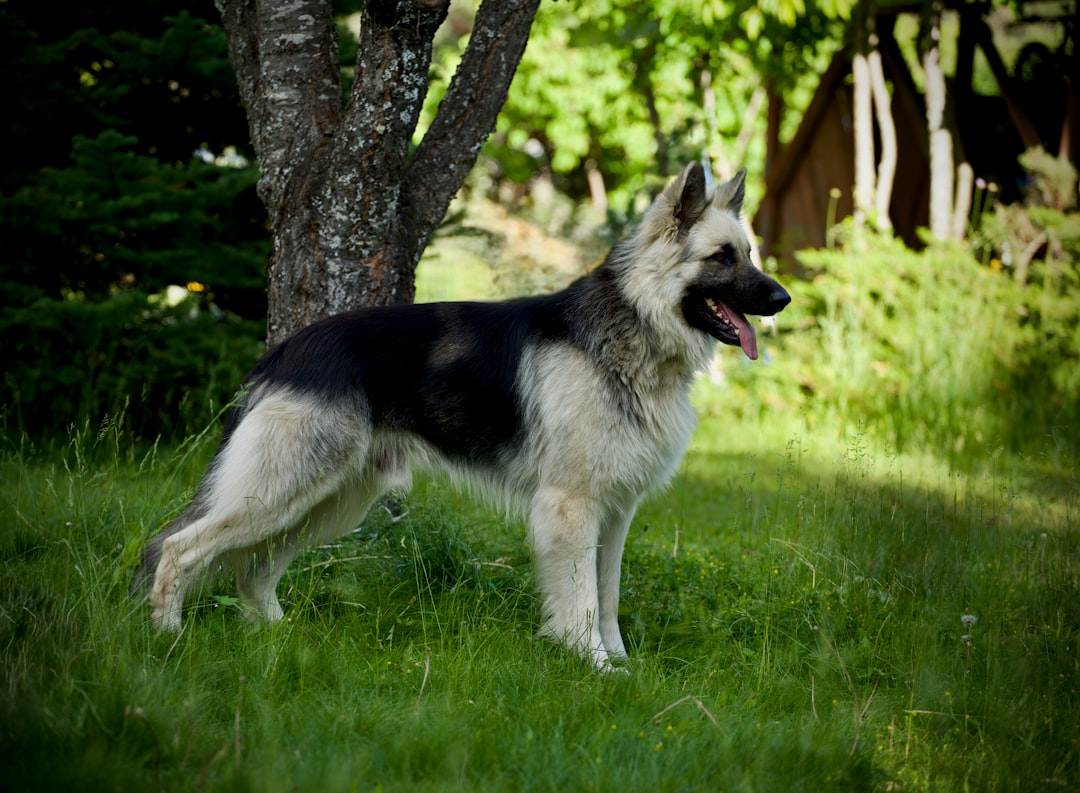
Photo by Troy Olson on Unsplash
Siberian Huskies are built to run, and watching one lose its hind legs to degenerative myelopathy is a specific kind of heartbreak — but understanding the breed’s unique risk profile and physical needs makes caregiving more purposeful.
Is the Siberian Husky Actually at Risk for DM?
Siberian Huskies carry the SOD1 mutation associated with degenerative myelopathy, which places them in the at-risk category. The Orthopedic Foundation for Animals maintains a breed-specific database of SOD1 test results, and Huskies appear on their list of breeds tested for DM risk.
That said, DM is reported less frequently in Huskies than in some other breeds where it is almost expected — Pembroke Welsh Corgis, German Shepherds, and Boxers, for example, have much larger bodies of documented cases. From what I’ve heard from other owners and rehab specialists in the disabled dog community, Huskies do develop the disease, but it may not be the first thing a vet reaches for when a Husky presents with rear-end weakness. That diagnostic delay is worth knowing about.
What the SOD1 Test Tells You
The SOD1 genetic test identifies whether your dog is clear (no copies of the mutation), a carrier (one copy), or at-risk (two copies). Dogs with two copies of the mutation are considered at elevated risk for developing DM, though having two copies does not guarantee the disease will appear. The test is a useful tool — especially before symptoms start — because it helps frame how closely you monitor early neurological changes.
- A “clear” result (0 copies) means significantly lower risk of developing DM
- A “carrier” result (1 copy) means the dog is unlikely to develop DM but can pass the mutation to offspring
- An “at-risk” result (2 copies) means the dog has a higher chance of developing DM, not a certainty
- Testing is available through the OFA and several veterinary genetics labs
What Does DM Look Like in a Husky?
Degenerative myelopathy in Siberian Huskies follows the same general pattern as in other breeds: a slow, painless loss of function starting in the hind limbs and progressing forward over time. The disease affects the white matter of the spinal cord, gradually disrupting the nerve signals between the brain and the rear legs.
The earliest signs in any breed are subtle, and Huskies make them even easier to miss. A dog that normally covers miles of trail without effort may just seem slightly less coordinated — crossing hind paws on a turn, scuffing a toe on pavement, losing grip on a smooth floor. Because Huskies are driven animals, they often push through discomfort and early weakness with sheer will, which can delay the moment an owner recognizes something is wrong.
Common early signs include:
- Knuckling: The paw folds under on one or both hind feet, particularly during turns or on uneven ground
- Toe-dragging: You’ll notice scuff marks on nails or worn paw pads from toes that aren’t clearing the ground properly
- Swaying gait: A subtle wobble in the hindquarters, especially visible from behind
- Difficulty with slopes: Inclines that were effortless become hesitant or clumsy
- Delayed rising: Taking longer to get up from a lying position without showing obvious pain
For a thorough breakdown of how to spot these signs before they become obvious, the early signs of DM that owners often miss article goes into good detail on the presentation across stages.
How Does High Activity Level Affect DM Management?
A Husky’s drive to move is both an asset and a complication when managing DM. The asset: these dogs are often highly motivated for exercise therapy, which is widely considered the most important supportive intervention for slowing functional decline. The complication: their endurance and high pain tolerance can cause owners to overestimate how much is safe, and can cause the dog to exercise well past the point of fatigue.
The general principle in the DM community, based on guidance from rehab therapists, is that exercise should be structured and consistent, not marathon-length and irregular. For a Husky, this often means replacing one long daily run with two or three shorter, controlled sessions that emphasize balance, proprioception (the dog’s sense of where its limbs are in space), and core strength.
Practical adjustments for a Husky with DM:
- Leash-controlled walks on varied surfaces: Grass and packed dirt give better traction and proprioceptive feedback than pavement or gravel
- Cavaletti pole work: Low poles spaced on the ground that the dog steps over — excellent for encouraging deliberate hind-leg lift
- Underwater treadmill or swimming: Buoyancy reduces the falls risk while allowing natural movement; hydrotherapy for DM dogs explains what to expect from these sessions
- No off-leash running on uneven terrain: As coordination deteriorates, falls become a real injury risk for a dog that would otherwise push through
- A Husky with DM may continue moving long after its hind legs have reached the limit of coordination
- Sudden leg collapse at the end of a walk is not just tiredness — it signals that the session was too long
- Shorten sessions before collapse happens, not after
- Muscle fatigue in DM dogs is cumulative; a dog that seems fine Monday may be more impaired Tuesday if Sunday was too hard
Cold-Weather Care for a Husky With DM
This is the part of Husky DM care that rarely gets enough attention. Huskies are physiologically suited for cold — their double coat, efficient metabolism, and behavioral comfort in snow are well-documented. But cold weather and DM create some specific hazards that owners in northern climates need to plan around.
Does Cold Weather Affect DM Progression?
Cold temperatures do not appear to speed up or slow down DM progression itself. The disease process is neurological, not inflammatory, so the cold-weather joint-pain dynamic you’d see with arthritis doesn’t apply in the same way. What cold does affect is the practical safety of daily care.
Traction on Ice and Snow
A Husky with DM is already losing its ability to recover from slips. Ice and packed snow make every step a potential fall, and a fall for a dog with compromised hind-leg coordination can result in serious injury — including skin abrasions, muscle strains, or worse. ToeGrips (Dr. Buzby’s) can help on indoor surfaces, but outdoor winter terrain usually requires booties with grip soles. Many Husky owners resist booties because their dog “runs fine in snow” — but a DM-affected dog is not the same as a healthy dog, and the traction difference matters.
Cleared paths, salted carefully (paw-safe salt only), and avoided icy patches are the simplest safety interventions for winter DM walks.
Cold and Muscle Stiffness
Cold air tends to increase muscle stiffness, and a DM dog’s weakened hind limbs may feel even more reluctant to respond on a cold morning. Many caregivers find that a brief warm-up period indoors — gentle range-of-motion movements or a massage routine — before the first outdoor walk helps the dog move more fluidly. The simple massage techniques for DM dogs guide walks through exactly this kind of at-home pre-walk routine.
Coat and Skin Monitoring in Winter
A Husky’s thick double coat is an advantage in cold weather but can conceal skin breakdown in a DM dog. As incontinence develops in later stages, urine-soaked coat stays wet against the skin under that insulating outer layer, which creates urine scald risk that’s harder to spot than it would be on a short-coated breed. Regular checks under the coat — especially around the hindquarters and inner thighs — become part of the daily routine.
- Check all four paws for ice balls between toes before and after every walk
- Use grip booties on icy surfaces, not just traction socks
- Do a 5-minute indoor warm-up before cold-weather walks
- Keep sessions shorter in extreme cold — fatigue arrives faster
- Dry the hindquarters and belly thoroughly after every snow walk
Ruling Out Other Conditions First
Because Siberian Huskies are an active, physically demanding breed, rear-end weakness in a middle-aged Husky can have several explanations beyond DM. Hip dysplasia is worth evaluating in large-breed dogs showing hind-leg changes, and lumbosacral disease (a pressure-related condition at the base of the spine) can mimic DM closely. Unlike DM, both of those conditions typically involve pain.
DM’s defining feature is that it is painless. A dog that cries out when touched along the spine, shows behavioral changes suggesting discomfort, or improves with anti-inflammatory medication is more likely dealing with a pain-based condition. A dog that just quietly gets wobblier over weeks, without distress, fits the DM picture more closely. The article on DM vs. arthritis in dogs is a useful reference for thinking through the differential.
A veterinary neurologist is the right specialist for a definitive workup. They can conduct a thorough neurological exam, order advanced imaging if needed, and interpret SOD1 results in the context of your dog’s actual symptoms.
- Pain when the spine or hips are touched
- Sudden onset of weakness (DM progresses slowly; sudden change suggests something else)
- Improvement with anti-inflammatory medication
- Changes in bladder or bowel control appearing very early in the course
- Any sign of back or neck pain alongside hind-leg changes
Related Reading
- Early Signs of DM That Owners Often Miss
- DM Dog Exercise & Physical Therapy: Stage-by-Stage Guide
- DM Stages in Dogs: Timeline, Symptoms & What to Expect
Frequently Asked Questions
Are Siberian Huskies at high risk for degenerative myelopathy?
Siberian Huskies carry the SOD1 mutation associated with DM and are considered an at-risk breed. However, DM is less commonly reported in Huskies than in Pembroke Welsh Corgis or German Shepherds, so the real-world incidence appears lower. Genetic testing can tell you whether your dog carries zero, one, or two copies of the mutation.
Does cold weather help or hurt a Husky with DM?
Cold weather neither slows nor accelerates DM progression, but it does add practical challenges. Icy surfaces increase the fall risk for a dog already losing coordination, and muscle stiffness in cold air can make early weakness more pronounced. Traction booties and cleared walking paths become important safety measures in winter.
When should I start physical therapy for my Husky with DM?
Most rehab specialists recommend starting as early as possible — ideally at the first confirmed signs of hind-leg weakness, not after significant decline. Early exercise therapy is widely considered the most impactful supportive intervention for DM dogs, and the Husky’s natural athleticism can be an asset when channeled into structured rehab.
How do I know if my Husky’s weakness is DM or something else?
DM typically presents as a gradual, painless progression starting in the hind legs — knuckling, stumbling, and dragging without obvious distress. Conditions like hip dysplasia, IVDD, or lumbosacral disease can look similar but usually involve pain responses. A veterinary neurologist can work through the differential diagnosis and order the appropriate imaging or genetic testing.
This guide is based on real experience and should be used alongside professional veterinary care. Always consult your veterinarian before starting any new treatment or making changes to your dog’s care plan.