DM in Mixed-Breed Dogs: When You Don't Know What They Are
Your mixed-breed dog is losing hind-leg function and you don't know their heritage. Here's how SOD1 testing works for mixes — and how to manage DM without…
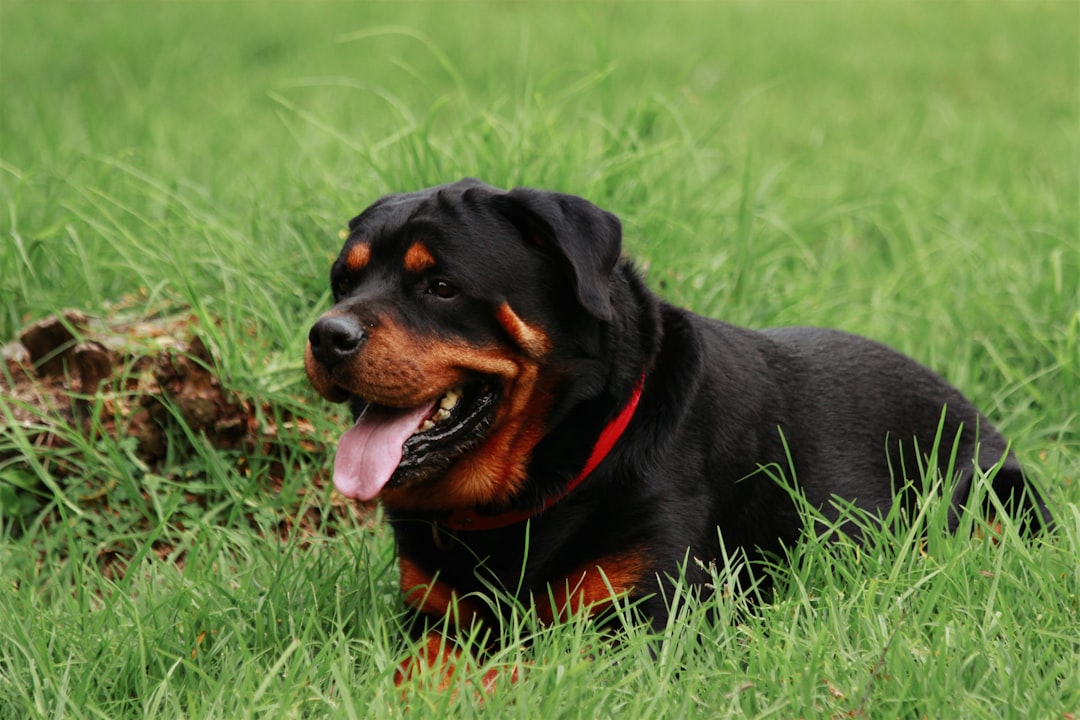
Photo by Natalia Restrepo on Unsplash
When your mixed-breed dog starts losing strength in their back legs, not knowing their breed history adds a specific kind of uncertainty — but it doesn’t mean you’re flying blind.
Why Mixed-Breed Dogs and DM Are a Complicated Combination
DM is a progressive spinal cord disease that gradually destroys the nerve fibers controlling the hind legs. It’s painless, which means dogs often seem bright and engaged even as their mobility declines. It’s also strongly genetic — tied to a mutation in the SOD1 gene (superoxide dismutase 1) that has been identified across dozens of breeds.
The complication with mixed-breed dogs is this: the mutation didn’t stay inside breed boundaries. Any time a dog from an at-risk breed reproduced with another dog, the mutation could travel with them. A rescue of unknown origin might look like a Lab mix but carry German Shepherd DNA and its associated SOD1 risk. A scruffy terrier mix might have Boxer somewhere in the lineage. Breed appearance and genetic makeup are often surprises — which is exactly why testing matters.
As described by the University of Missouri College of Veterinary Medicine, the research institution that originally characterized the SOD1 mutation in dogs, the mutation has now been identified in over 100 breeds. That number makes mixed-breed exposure genuinely plausible, not just theoretical.
- German Shepherds, Pembroke and Cardigan Welsh Corgis, Boxers
- Standard Poodles, Chesapeake Bay Retrievers, Rhodesian Ridgebacks
- Siberian Huskies, Wire Fox Terriers, Bernese Mountain Dogs
- Many other breeds — and their mixes — can carry the mutation
How Does SOD1 Testing Work for Mixed Breeds?
The SOD1 test for DM reads your dog’s actual DNA at the relevant gene location. It doesn’t depend on breed information. The result will tell you whether your dog is:
- Clear (N/N): No copies of the mutation. DM from this mutation is considered unlikely.
- Carrier (A/N): One copy. The dog carries the mutation but is at low risk of developing DM themselves.
- At Risk (A/A): Two copies. This is the result associated with actual disease risk.
The test itself is fully valid for mixed breeds. What’s less clear-cut is interpretation. In well-studied breeds like German Shepherds, the relationship between the A/A result and actual disease development is fairly well understood. In a dog of unknown mix, the modifier genes that influence whether an at-risk dog actually develops DM introduce more uncertainty. An A/A result in a mixed breed is worth taking seriously — it should not be ignored — but it’s the start of a conversation with your vet, not a diagnosis on its own.
The Orthopedic Foundation for Animals maintains a SOD1 testing registry and can process samples from dogs of any breed background. Many consumer DNA companies (Embark and Wisdom Panel both include the SOD1 locus) also report DM risk as part of their standard health screen, which can be a practical starting point if you’re adopting a rescue and want a broad genetic picture before spending more on a dedicated panel.
- An A/A result is not the same as a DM diagnosis
- Some A/A dogs never develop clinical DM — the reasons aren’t fully understood
- Other conditions (IVDD, lumbosacral disease, spinal tumors, tick-borne illness) can mimic DM in any breed
- Always pursue a full neurological exam alongside genetic testing
What If You Skip the DNA Test Entirely?
Some rescue owners aren’t interested in genetic testing, or the dog is already showing symptoms and the focus has shifted to care rather than prediction. That’s a completely reasonable place to land.
The honest reality is that DM has no disease-modifying treatment regardless of test result. There’s no drug that slows it. What the test changes is your level of certainty about what you’re dealing with — which matters for decision-making, especially when you’re ruling out conditions that do have treatments (IVDD, for instance, can require urgent surgery, and distinguishing it from DM is clinically important).
If your dog is already showing hind-leg weakness, see the article on early signs of DM that owners often miss for a detailed look at the specific patterns that lean toward DM rather than other conditions. Scuffing on the tops of the back feet, stumbling while turning, and weakness that doesn’t seem painful are classic early features — and they look the same in a purebred and a mixed breed.
Managing DM Without Breed-Specific Reference Points
Here’s what I hear from owners in the DM caregiver community when they’re managing a mixed breed: the lack of breed information feels disorienting at first, but it matters less day-to-day than they expected. The disease progression in DM tends to follow a consistent pattern regardless of breed — starting in the hind limbs, progressing toward incontinence, then forequarter involvement in late stage. The timeline varies from dog to dog anyway, even within breeds.
What this means practically:
- Track symptoms against the general DM staging framework, not against breed-specific expectations. The DM stages timeline is a useful reference that applies across breeds.
- Start physical therapy and exercise early, regardless of breed. Exercise is widely recommended as one of the most important supportive strategies for DM dogs, and that recommendation holds for mixes.
- Plan for mobility aids before they’re urgent. Mixed-breed dogs often have body shapes that don’t fit standard wheelchair sizing cleanly. Getting measurements and trialing a cart before your dog fully needs it gives you time to adjust. The slings and harnesses guide for DM dogs covers how to support a dog of any build during the transitional stage.
- Watch paw health closely. Knuckling causes paw abrasions quickly in any dog, and a dog whose back-foot anatomy is unclear from breed alone still needs the same protection. Boots, ToeGrips, and smooth flooring all help.
- Order a consumer DNA test (Embark or Wisdom Panel) for genetic baseline and breed composition
- Book a neurological exam — not just a general wellness visit — to rule out treatable conditions
- Start a symptom log: date, what you observed, duration. Patterns matter more than single events
- Begin gentle daily exercise now if your dog is still ambulatory — don’t wait for symptoms to worsen
The Rescue Dog Context
Many mixed-breed DM dogs came from shelters or rescues, where health history is thin or nonexistent. Owners often discover a potential DM picture during middle age — a seven-year-old rescue who starts slipping on hardwood floors and seems stiff getting up.
This context adds a few specific considerations. You may not know your dog’s age precisely, which matters because DM typically presents in dogs aged seven and older — but that’s an average across breeds, not a hard rule. You may have no vaccination or prior vet records, which means your baseline neurological exam is also your first one — and any abnormalities have no prior comparison point.
From what I’ve seen in the disabled dog community, rescue owners often benefit from finding a veterinary neurologist early, even before the diagnosis is clear. A general practitioner does a good job with initial assessment, but a neurologist can perform a more granular exam, interpret imaging in the context of DM’s specific spinal-cord signature, and help you distinguish it from the conditions most likely to mimic it in a dog of unknown background. The article on when to see a veterinary neurologist for DM walks through exactly how that decision works.
A word of encouragement to anyone navigating this with a rescue: not knowing your dog’s full story doesn’t mean you can’t care for them well. What matters most in DM care is attentiveness, consistency, and a willingness to adapt as the disease progresses. Mixed-breed dogs don’t need a breed-specific manual. They need the same things any DM dog needs — and they are just as worth the effort.
Related Reading
- The SOD1 Genetic Test for DM: What It Tells You
- Early Signs of DM That Owners Often Miss
- DM in Doodle Mixes: The Poodle Genetic Legacy
Frequently Asked Questions
Can a mixed-breed dog get degenerative myelopathy?
Yes. Any dog carrying two copies of the SOD1 gene mutation can develop DM, regardless of breed. Mixed-breed dogs, including rescues with unknown heritage, can carry the mutation if one or more of their ancestors came from an at-risk breed.
Is the SOD1 test accurate for mixed-breed dogs?
The SOD1 test accurately identifies whether your dog carries zero, one, or two copies of the mutation — the result itself is valid for mixed breeds. What it can’t do is predict probability of disease as reliably as it does in heavily studied breeds like German Shepherds, because the modifier genes that influence whether an at-risk dog actually develops DM aren’t fully understood across all breed backgrounds.
What dog breeds carry the SOD1 mutation most often?
Breeds with high carrier rates include German Shepherds, Pembroke and Cardigan Welsh Corgis, Boxers, Chesapeake Bay Retrievers, Rhodesian Ridgebacks, and Standard Poodles, among others. A mixed-breed dog with any of these in their background has a meaningful chance of carrying the mutation.
What should I do if my rescue dog’s DNA test shows they are “at risk” for DM?
An “at risk” result means your dog carries two copies of the SOD1 mutation — it doesn’t mean DM is certain, but it raises the probability significantly. The most useful next step is a full neurological exam with your vet, a discussion of ruling out other causes of hind-leg weakness, and beginning a record of any early symptoms like scuffing or stumbling.
This guide is based on real experience and should be used alongside professional veterinary care. Always consult your veterinarian before starting any new treatment or making changes to your dog’s care plan.