Degenerative Myelopathy in German Shepherds: What Owners Need to Know
GSDs are the breed most associated with DM. What that means for onset age, home setup, wheelchair sizing, and finding a caregiver community that understands…
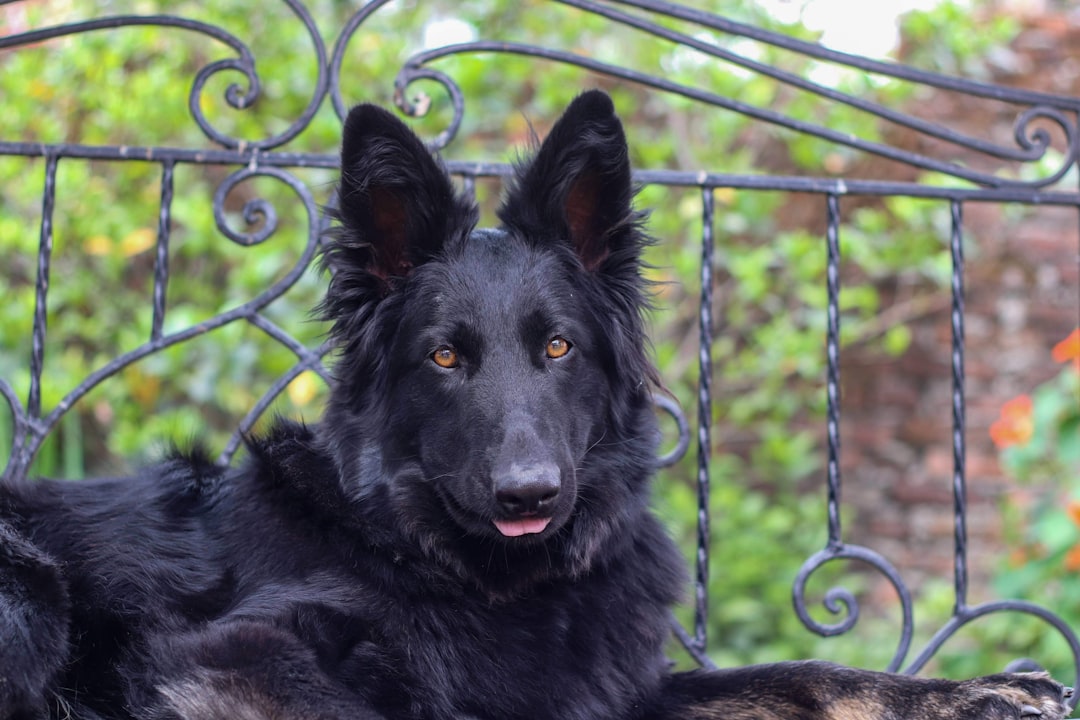
Photo by Anushka Sharma on Unsplash
German Shepherds are one of the breeds most profoundly affected by degenerative myelopathy, and the size and physical demands of caring for a large dog with progressive paralysis make early preparation essential.
Why Are German Shepherds So Vulnerable to DM?
German Shepherds carry the SOD1 mutation at a higher rate than almost any other breed, which is why DM is so often discussed in the context of GSDs specifically. The SOD1 gene produces an enzyme involved in protecting nerve cells from oxidative damage. When a dog inherits two copies of the mutated gene (one from each parent), the risk of developing DM is substantially elevated.
The University of Missouri College of Veterinary Medicine, whose researchers characterized the SOD1 mutation responsible for canine DM, has noted that German Shepherds were among the first breeds identified as heavily affected. Decades of widespread breeding — often without genetic screening — allowed the mutation to become common throughout the GSD population globally.
This doesn’t mean every GSD will develop DM. Dogs that carry only one copy of the mutation (carriers) may never show clinical signs, and not every dog with two copies develops the disease. But statistically, German Shepherds are at the higher end of DM risk, and any GSD owner should have that on their radar.
The Orthopedic Foundation for Animals maintains a DM testing database and offers SOD1 testing. If you have a younger GSD and are thinking ahead, testing can tell you whether your dog is at elevated genetic risk — which won’t change management in an already-symptomatic dog, but matters enormously for breeders.
What Does Early DM Look Like in a German Shepherd?
The earliest DM signs in GSDs tend to show up subtly, and many owners initially chalk them up to aging hips or arthritis. Knowing the difference matters, because the two conditions require different management approaches.
Watch for these early signs:
- Hind-leg wobbling or swaying: especially noticeable when the dog turns, crosses a threshold, or stands on uneven ground
- Knuckling: the paw folds under so the dog walks on its knuckles rather than its pads — a classic DM sign covered in detail at Knuckling in DM Dogs: What It Is and When It Gets Serious
- Wearing of toenails: asymmetric nail wear from dragging the foot is often one of the first physical clues
- Difficulty rising: longer than normal effort to get up from a lying position, though this also overlaps with hip dysplasia
- Loss of hindquarter muscle: DM causes muscle wasting that is often visible in the thigh and hip area even before obvious gait changes
The reason early signs are easy to miss in a GSD is that the breed is stoic. Many German Shepherds don’t visibly complain about the early loss of coordination the way smaller dogs might. Owners often say they noticed “something was off” for months before realizing it was progressive.
- Most German Shepherds develop DM symptoms between ages 8 and 14
- Average age of onset is generally reported around 9–10 years
- Signs before age 7 should prompt your vet to rule out other spinal conditions first
- DM is painless in itself — if your GSD seems to be in pain, investigate other causes alongside DM
The Body-Size Challenge: What’s Different About Caring for a Large DM Dog
This is the part that owners of smaller DM breeds don’t fully appreciate until they’re living it. Caring for a 90-pound German Shepherd with progressive hind-end paralysis is a different physical undertaking than managing a 25-pound Corgi in the same situation.
From what I’ve seen and heard from caregivers in the DM community, the practical challenges for large GSD owners include:
- Lifting and supporting: A sling or rear harness helps enormously, but you’re still managing significant weight every time you help your dog to the bathroom or onto a surface. Owners with back problems or smaller frames sometimes need a second person for safe lifting.
- Outdoor bathroom trips: A full-size GSD needs outdoor space and patience. Guiding a large dog with unstable hind legs across wet grass or uneven pavement is genuinely difficult and carries fall risk for both of you.
- Turning and repositioning: Non-ambulatory large dogs need to be repositioned frequently to prevent pressure sores — and rotating a large dog takes real effort. The guide on Pressure Sores in DM Dogs: Prevention & Care is worth bookmarking early.
- Flooring management: A 90-pound dog losing hind traction on hardwood will fall hard. Securing rugs, yoga mats, or interlocking foam tiles throughout high-traffic areas is not optional — it’s urgent. More on this at Best Flooring & Traction for DM Dogs: What Actually Helps.
- The wheelchair size and weight: Large-breed wheelchairs are heavier and bulkier than small-breed versions. Storage, transport in a car, and getting the cart on and off your dog all require practice.
Many caregivers I’ve spoken with wish they had set up the home — rugs, ramps, safe zones — three to six months before it became strictly necessary. By the time your GSD genuinely needs those modifications, you’ll be exhausted enough without a renovation project on top of it.
How Do You Set Up a Home for a Large German Shepherd with DM?
The best home setup for a GSD with DM focuses on three priorities: traction everywhere, minimized elevation changes, and a contained safe zone for rest.
Traction first. Hardwood, tile, and laminate are treacherous for a dog losing hind-end coordination. Lay interlocking foam mats or non-slip area rugs along every path your dog uses — from sleeping area to back door, from food bowl to water bowl. Secure the edges so they don’t curl up and become a tripping hazard.
Eliminate or ramp every elevation change. Steps down into the yard, curbs, raised thresholds — all of these become significant obstacles. A gentle-slope ramp (not a steep one) can help a GSD manage a single step while they’re still partially ambulatory. Once hind function is gone, a ramp becomes less useful than a flat entry or caregiver-assisted carry.
Create a contained rest space. A low-sided orthopedic bed or a memory foam pad in a contained area prevents your dog from scooting or rolling into corners or furniture during the night. For large dogs, this space needs to be generous — a GSD in a crate that’s too small will develop pressure sores quickly.
Keep pathways wide and clutter-free. A dog dragging hind legs or using a cart needs clear lanes. Furniture corners, children’s toys, and loose cords on the floor become real hazards.
- Foam interlocking tiles in the main living area and bedroom
- A ramp to the backyard while your dog is still partially mobile
- A large, low-sided orthopedic sleeping surface away from walls and furniture corners
- Removing rugs with curled edges or raised transitions between floor types
- Positioning food and water bowls so your dog can reach them without stepping over anything
Wheelchair Selection for Large Breeds: What to Know
Wheelchair timing for DM dogs is its own topic — the guide at When to Get a Wheelchair for a DM Dog: 5 Signs to Watch covers that decision in depth. But once you’ve decided a cart is right for your GSD, large-breed selection adds specific considerations.
For a large German Shepherd, here’s what matters most:
- Frame weight rating: Confirm the wheelchair is rated for your dog’s full body weight. Many standard rear wheelchairs max out around 50–60 pounds. A GSD typically needs a cart rated for 70–120 pounds.
- Frame material: Tubular aluminum is light and durable. Avoid carts with flimsy plastic joints — large dogs put real stress on the frame during turns.
- Saddle strap padding: A wide, padded saddle is essential. A narrow strap across the groin of a large dog will cause sores within days. Look for thick fleece or neoprene lining.
- Wheel diameter: Larger wheels handle outdoor terrain — grass, sidewalk cracks, gravel — far better than small wheels. A GSD in a cart should ideally be able to use it outside.
- Measurements before ordering: Get exact measurements — chest width, hip width, body length from last rib to hip, and leg length from groin to floor. Every reputable manufacturer provides a measurement guide. Do not skip this step for a large dog; an ill-fitted cart will cause sores, frustration, and a dog that refuses the chair entirely.
A four-wheel cart may be a better option than a rear-only two-wheel cart for GSDs in the early-to-mid stages of DM, because it distributes weight more evenly rather than placing the full burden on the front legs. The LetPetRun 4-Wheel Adjustable Dog Wheelchair is one option worth looking at if you’re comparing four-wheel designs for a large breed.
- Dog’s front legs are forced into an unnatural forward lean — the front support is too far forward
- Saddle straps leave red marks or rub spots on the inner thigh within the first session
- Dog cannot turn without the cart tipping — wheel width may be too narrow for their body
- Frame squeaks or flexes visibly under the dog’s weight — may not be rated for large dogs
The GSD DM Caregiver Community
One thing I want to make sure GSD owners know: you are not alone, and there is a remarkably active community of German Shepherd DM caregivers online. Facebook groups specifically for DM dogs — and for German Shepherds with DM in particular — have tens of thousands of members. These spaces are where caregivers share wheelchair fitting tips, vet recommendations, incontinence product reviews, and the kind of emotional support that is genuinely hard to find anywhere else.
The DM caregiver community tends to be pragmatic and generous. People post photos of their home setups, videos of their dogs in carts, and honest accounts of what worked and what didn’t. If you are newly diagnosed, searching for a German Shepherd DM group on Facebook or Reddit is one of the most useful things you can do this week.
Veterinary neurologist referrals are also worth pursuing early. The guide at When to See a Veterinary Neurologist for DM explains why getting a specialist involved before things are critical gives you more options, not fewer.
Related Reading
- DM Stages in Dogs: Timeline, Symptoms & What to Expect
- Mobility Aids for Dogs With DM: A Full Guide
- DM Dog Home Setup: Flooring, Ramps & Safe-Room Fixes
Living with a German Shepherd with DM is hard in a way that is specific to large dogs — the physical demands are real, and the grief of watching a powerful, athletic breed lose function is its own kind of ache. But the GSD community is strong, the resources are better than they’ve ever been, and your dog will still have good days, good moments, and a whole lot of love to give from a wheelchair. Getting the setup right early is the kindest thing you can do for both of you.
Frequently Asked Questions
Why are German Shepherds so prone to degenerative myelopathy?
German Shepherds have an unusually high carrier rate for the SOD1 mutation linked to DM, making them one of the most commonly affected breeds. Decades of popular breeding without genetic screening allowed the mutation to spread widely through the GSD population.
At what age does DM typically start in German Shepherds?
Most German Shepherds begin showing DM symptoms between 8 and 14 years of age, with the average onset around 9–10 years. Dogs rarely develop clinical signs before age 7, and early onset before that age should prompt your vet to rule out other conditions.
How do I choose a wheelchair for a large German Shepherd with DM?
For a large GSD, look for a rear wheelchair with a tubular steel or aluminum frame rated for dogs over 70 pounds, adjustable width and height, and padded saddle straps that won’t dig into the groin. Getting precise measurements — chest width, hip width, body length, and leg length — before ordering is essential; most manufacturers provide fitting guides.
Can physical therapy slow DM progression in German Shepherds?
Physical therapy and structured exercise are widely recommended by veterinary rehabilitation specialists as a way to maintain muscle mass and delay functional decline in DM dogs. While therapy cannot stop the underlying nerve degeneration, many caregivers and rehab therapists believe consistent exercise helps extend the period of comfortable mobility.
This guide is based on real experience and should be used alongside professional veterinary care. Always consult your veterinarian before starting any new treatment or making changes to your dog’s care plan.