Cats and a DM Dog: Coexistence Considerations
A DM dog can't retreat from an assertive cat the way they used to. Here's how to manage feeding, safe spaces, and cat access as mobility declines.
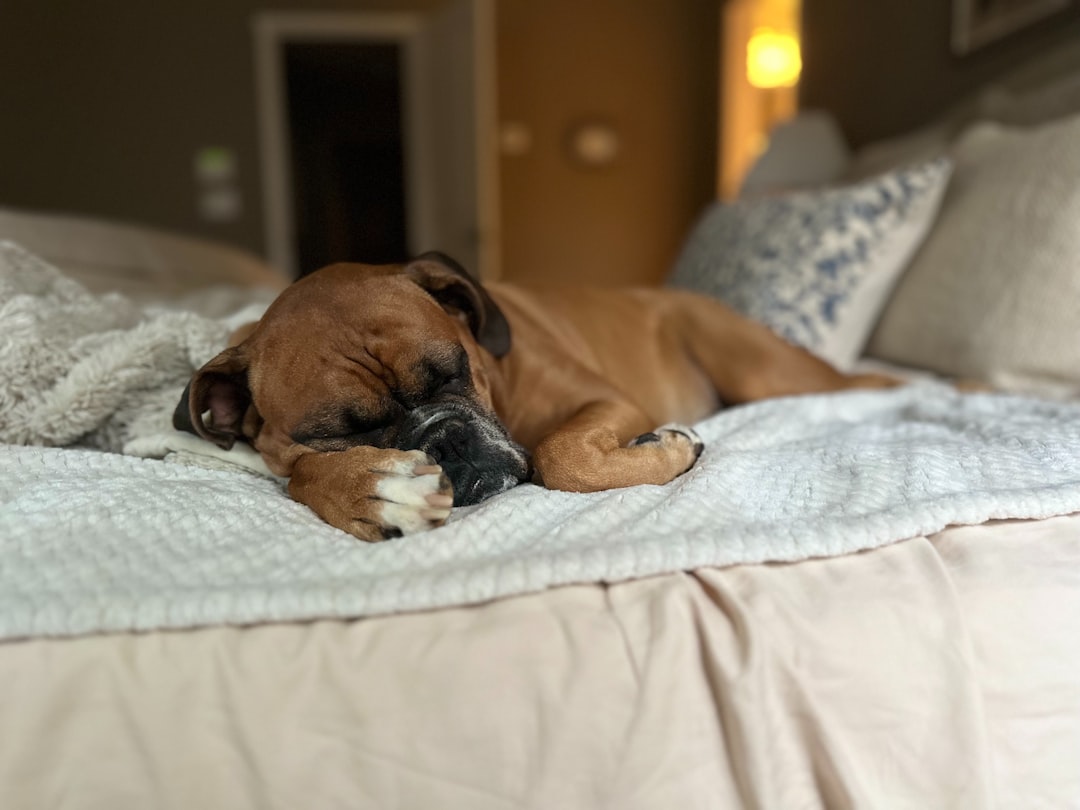
Photo by Nathan Shintas on Unsplash
A DM dog who once held their own with the household cat now faces a fundamentally different dynamic — and it’s one most caregivers don’t anticipate until it becomes a problem.
When you share a home with both a cat and a dog with degenerative myelopathy (DM), you’re managing a relationship that used to balance itself. The dog could move away. The cat could be told off with a look. Now, that balance is gone — and the cat doesn’t know it.
DM is a progressive neurological disease that slowly robs a dog of hind-leg function. If you’re just starting this journey, the DM stages overview is a useful reference for what to expect. Early on, the changes to the cat-dog relationship are subtle. By mid-to-late stages, they’re significant enough to require real household adjustments.
Why a DM Dog Can No Longer Manage This on Their Own
A DM dog loses the ability to self-advocate as their mobility declines. In a healthy dog-cat relationship, the dog controls proximity — stepping away from an annoying cat, shaking them off, or simply outpacing them. A dog with weakening hindquarters can’t do any of that reliably.
What this means in practice: a cat who was perfectly harmless before becomes a source of low-grade stress. They might park themselves right next to the dog’s food bowl. They might curl up against the dog’s hindquarters (which feels cozy to the cat, but a DM dog may not be able to reposition away from that weight). They might walk over the dog’s rear legs while the dog is resting, which at minimum disturbs sleep and at worst causes the dog to lurch and fall.
None of this is the cat being “bad.” It’s just that the old rules no longer apply, and only the human in the house can reset them.
- Restless sleep or waking frequently during rest periods
- Reduced appetite or reluctance to approach their food bowl
- Flinching, trembling, or low growling near the cat
- Increased panting or lip-licking in the cat’s presence
- Stopping mid-route when the cat blocks a path
How Do I Set Up Safe Spaces for My DM Dog?
A DM dog needs at least one completely cat-free resting zone — a place they can sleep undisturbed and decompress without managing a curious cat. This isn’t about punishing the cat; it’s about giving your dog reliable rest, which becomes increasingly important as DM progresses.
The simplest solution is a baby gate or pet gate with a small cat door or raised opening. The cat can come and go freely; the dog has a zone the cat simply isn’t in during rest periods. If you haven’t already made broader home modifications for your DM dog, the DM home setup guide covers how to think about room layout and safe zones in more detail.
A few things worth knowing about safe-space setup for DM dogs specifically:
- Location matters. Put the resting area somewhere the dog can reach without navigating around the cat. A corner with one or two walls behind it reduces the number of approaches the cat can take.
- Flooring inside the zone. Non-slip rugs or yoga mats give your DM dog traction to reposition without falling. Hardwood or tile in the rest zone defeats the purpose. The flooring and traction guide for DM dogs has specific product suggestions if you need them.
- Keep the cat’s things out of the zone. If the cat’s favorite napping spot happens to be inside your dog’s rest area, the cat will keep returning. Redirect the cat’s preferred spots to another room.
Managing Feeding When a Cat and DM Dog Share a Kitchen
Mealtimes are where the most visible friction happens. A DM dog eats more slowly than they used to, often because repositioning mid-meal is harder. A cat that has always been opportunistic about food now has a much longer window to make a move.
From what I’ve heard consistently from owners in the DM caregiving community, the easiest solution is also the most boring one: separate the animals during meals. Gate the dog into their feeding area, or gate the cat out. This removes the stress from both animals and lets your dog eat at whatever pace DM requires that day.
A few feeding logistics worth thinking through:
- Elevated vs. ground bowls. Some DM dogs do better with a slightly raised bowl so they don’t have to lower their head and risk losing balance. Experiment with what keeps your dog most stable.
- Bowl placement. Place the bowl against a wall or in a corner so the dog isn’t trying to balance and track a circling cat at the same time.
- Cat’s feeding station. Move the cat’s food somewhere the dog cannot access — countertop, a room with the door ajar, or a cat-only gate setup. A DM dog rummaging in cat food isn’t good for either pet.
- Gate the dog into a feeding zone the cat can’t enter
- Feed both animals at the same time in different rooms to reduce food-guarding tension
- Use a slow feeder if your dog rushes and loses balance mid-bowl
- Pick up all food bowls immediately after meals — no free-feeding in a shared space
What About Physical Contact Between the Cat and DM Dog?
Many cats will seek out the DM dog for warmth and contact, especially if the two animals have always been close. This isn’t automatically a problem — gentle companionship can be calming for both. The issue arises when the cat’s behavior becomes physically inconvenient for a dog who can’t respond normally.
Things to watch for:
- Weight on the hindquarters. A cat sitting on or leaning heavily against a DM dog’s rear end can be uncomfortable and interfere with rest. Gently redirect the cat to the dog’s shoulder or chest area instead, which most dogs tolerate better.
- Blocking pathways. Cats love to sprawl in doorways and narrow corridors. For a DM dog navigating a home with weakening legs, a cat in the path is a real fall risk. Keep high-traffic routes clear, especially the path from the resting area to the outside door.
- Swatting. A cat who swats at a dog’s rear legs or tail may have done this for years without consequence. Now, that same swat can cause the dog to startle, lurch, or fall. If this is happening, the cat needs to be redirected every single time, not just sometimes.
- Allow the cat to lie near (not on) the dog during calm periods with you present
- Keep interactions short and supervised in later DM stages
- Let the dog initiate contact when they’re stable and resting comfortably
- Never leave a late-stage DM dog alone with a cat who has a history of swatting
Does the Cat’s Behavior Change as DM Progresses?
From what I’ve observed and what many caregivers describe, cats often pick up on the dog’s decline before the owners do. Some cats become more attentive and gentle — almost watchful. Others become more assertive, as if they sense the shift in household hierarchy and are testing new boundaries.
Neither response is the cat being malicious. But the attentive cat who sits very close “to keep the dog company” and the assertive cat who suddenly challenges the dog’s space both require the same human response: managed proximity, not assumed harmony.
As your DM dog moves into later stages and may be spending more time in a wheelchair or sling, the physical risks from an unpredictable cat increase. A dog in a mobility aid is less stable, not more — and a cat darting under a wheelchair can cause a fall. By mid-to-late stage, supervised interaction during active periods is the safest approach.
Related Reading
- DM Dog Home Setup: Flooring, Ramps & Safe-Room Fixes
- Managing a Multi-Dog Home With a DM Dog
- Kids Around a DM Dog: Household Rules
Living with a cat and a DM dog is genuinely manageable — and plenty of families do it well all the way through late-stage care. The key is accepting that the old household dynamic no longer self-corrects. The animals aren’t going to figure it out between themselves. You’re the one who sets the gates, separates the bowls, and redirects the cat. It’s a small daily task, but it protects your dog’s rest, their meals, and their sense of safety in a body that’s becoming harder to live in. That’s worth doing right.
Frequently Asked Questions
Can cats hurt a DM dog?
Yes, in subtle ways. A cat that swats, sits on, or crowds a DM dog can cause stress, minor injuries, or interfere with rest. Because a DM dog can’t move away quickly, even a low-key cat becomes a bigger presence than before.
Should I separate my cat and DM dog completely?
Full separation usually isn’t necessary and can stress both animals. The goal is managed access — giving each pet their own space and resources while supervising or gating during vulnerable moments like mealtimes and sleep.
How do I stop my cat from eating my DM dog’s food?
Feed your DM dog in a gated space the cat can’t access, or use a microchip-activated feeder. Don’t rely on the dog defending its bowl — a dog with reduced mobility can’t move away from a pushy cat, let alone guard food.
What if my cat is sitting on or leaning against my DM dog?
Redirect the cat gently and consistently. A DM dog may not be able to reposition away from weight on their hindquarters, which can cause discomfort, pressure sore risk, or interruption of rest that is critical to their care.
This guide is based on real experience and should be used alongside professional veterinary care. Always consult your veterinarian before starting any new treatment or making changes to your dog’s care plan.