DM Incontinence at Home: Daily Routine That Actually Works
A late-stage DM caregiving routine — bathroom schedule, the diapers and pads that work, and what finally stops urine scald.
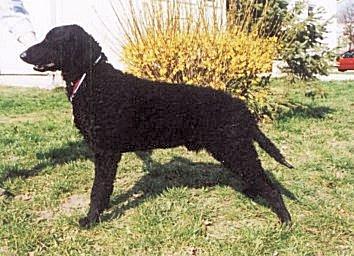
Managing incontinence in a DM dog is one of the hardest parts of late-stage care, but with the right routine, it becomes something you can handle confidently every single day.
What Actually Happens to Bladder and Bowel Control in DM?
Degenerative myelopathy progressively damages the spinal cord, and as that damage moves further up the spine, it eventually disrupts the nerve signals that control the bladder and bowel. By late-stage DM, most dogs lose the ability to hold urine or signal the need to defecate.
This doesn’t happen overnight. Many caregivers I’ve spoken with describe a gradual gray zone: their dog starts having occasional accidents, then more frequent ones, then loses control entirely. Recognizing that gray zone early lets you set up a care system before you’re in crisis mode.
It’s also worth knowing that bladder dysfunction in DM can show up in two different ways. Some dogs dribble urine constantly (overflow incontinence), while others retain urine but can’t fully empty the bladder on their own. A dog who isn’t leaking doesn’t necessarily have a healthy bladder — retained urine is a serious UTI risk. Your vet can help you figure out which pattern your dog has, and whether manual expression is needed.
- A DM dog who isn’t visibly leaking may still be unable to fully empty their bladder
- Retained urine rapidly becomes a breeding ground for bacteria
- Ask your vet to assess bladder function — don’t assume a dry dog is a fine dog
- Signs of a distended bladder include a firm, round abdomen and restlessness
How Do I Build a Daily Incontinence Routine?
A practical daily incontinence routine for a DM dog centers on four things: scheduled expression, clean containment, skin protection, and infection prevention. You don’t need to do everything perfectly — you need to do the right things consistently.
Scheduled Bladder Expression
Manual bladder expression (gently applying pressure to the bladder through the abdomen to help your dog void urine) is a core skill for late-stage DM caregivers. Most dogs need this every 4–6 hours, though your vet or a canine rehab therapist will help you establish the right schedule for your dog. Please get an in-person demonstration before attempting this at home; the technique matters and the wrong approach can cause real harm.
For a deeper walkthrough of the technique itself, the article on bowel and bladder care for DM dogs covers it in more detail.
The containment and skin-protection half of this routine is common ground with any incontinent dog, whatever put them there — incontinence after an amputation works through the same daily problems and is worth borrowing from. One difference matters, though, and it cuts the wrong way: there the incontinence is usually a temporary consequence of surgery and recovery. With DM it is neurological and it does not resolve.
Clean Containment
Dog diapers are a practical tool for managing urine leakage between expressions. The key word is between: diapers should be changed frequently, not used as a reason to go longer without cleaning. From what I’ve seen in the disabled dog community, the caregivers who struggle most with skin problems are the ones waiting too long between changes. Aim to check and change every 3–4 hours during the day.
Lining your dog’s sleeping and resting area with absorbent training pads creates a backup layer and makes cleanup faster when accidents happen overnight.
Skin Protection at Every Change
This step gets skipped when caregivers are tired, and that’s exactly when skin problems start. At every diaper change:
- Clean thoroughly: Use gentle, unscented dog wipes to remove all urine residue from the groin, inner thighs, and around the tail
- Air dry briefly: Even a minute or two of air exposure between changes significantly reduces moisture buildup
- Apply a moisture barrier: A thin layer of petroleum jelly on the skin that contacts the diaper protects against urine scald (the raw, red skin irritation caused by prolonged moisture contact)
- Check for early sores: Run your hand over pressure points, including hips, hocks, and elbows, and look for any redness or hair loss
For deeper guidance on managing skin breakdown, the article on pressure sores in paralyzed dogs walks through prevention and treatment in detail.
- Do a full skin check at the morning diaper change when you have the most energy
- Look at groin, inner thighs, tail base, hips, hocks, and any area with regular friction
- Early redness caught today is much easier to treat than a sore caught next week
- If you see broken skin, contact your vet — open wounds near the urinary and anal area get infected fast
Preventing UTIs: The Ongoing Battle
Urinary tract infections are extremely common in incontinent dogs — and in DM dogs specifically, they can be recurring and stubborn. According to VCA Hospitals, dogs who cannot fully empty their bladder are at significantly elevated risk for bacterial UTI because residual urine creates ideal conditions for bacterial growth.
Signs to watch for:
- Cloudy or dark urine: Healthy urine is pale yellow; anything murky or brown warrants a vet call
- Strong or unusual odor: A sudden change in urine smell is often the first sign owners notice
- Lethargy or appetite change: Systemic signs that a low-grade infection has been simmering
- Increased licking: Dogs often lick at the urinary area when there’s irritation or infection
- Straining during expression: More resistance than usual can indicate inflammation
Many DM caregivers I’ve connected with use a daily cranberry supplement as a preventive measure. Cranberry chews are what some owners add to their dog’s daily routine for this purpose — though always check with your vet first, since they’re a complement to good hygiene and expression, not a replacement.
- Any sign of a suspected UTI (cloudy urine, odor change, lethargy)
- Skin breakdown that involves open or weeping sores
- Blood in the urine
- Your dog appears to be in pain during bladder expression
- Sudden change in the amount of urine being expressed
Managing Bowel Incontinence
Bowel incontinence is, honestly, the part that catches most caregivers off guard. Bladder management has more tools and more community discussion, and bowel accidents feel messier and more unpredictable.
A few things that help:
- Feed on a consistent schedule: Predictable meals mean more predictable bowel timing, which lets you plan ahead
- Note your dog’s natural rhythm: Many dogs defecate within 30–60 minutes of eating — if you can anticipate this, you can position them over a pad or outside
- Use waterproof bedding covers: Accidents at night are nearly inevitable; protecting the bed surface saves your sanity
- Keep wipes and clean diapers within arm’s reach: Having supplies staged at the changing spot makes the routine faster and less stressful
Some caregivers find that a stool-firming supplement helps reduce the mess and frequency of bowel accidents, but this is very individual — talk to your vet before adjusting your dog’s diet or adding supplements.
Related Reading
- Bowel & Bladder Care for DM Dogs
- Pressure Sores in Paralyzed Dogs: Prevention & Care
- UTIs in Paralyzed Dogs: Prevention & Care
Frequently Asked Questions
When do DM dogs typically lose bladder and bowel control?
Most dogs with degenerative myelopathy develop bladder and bowel incontinence in the later stages, typically once significant hind-limb paralysis has set in. The timeline varies widely between individual dogs, and some retain partial control longer than others.
How often should I express a DM dog’s bladder?
Most incontinent DM dogs need manual bladder expression every 4–6 hours. Your veterinarian or a canine rehabilitation therapist should show you the technique in person before you attempt it at home, as doing it incorrectly can cause injury.
What is the best way to prevent urine scald in a DM dog?
Preventing urine scald requires a combination of frequent diaper changes, thorough cleaning with gentle wipes at every change, and a moisture barrier like petroleum jelly applied to vulnerable skin. Letting your dog air out for a few minutes between changes also helps significantly.
How do I know if my DM dog has a UTI?
Signs of a UTI in a DM dog include strong-smelling or cloudy urine, straining, increased licking of the genital area, lethargy, and reduced appetite. Because incontinent dogs are at higher baseline risk for UTIs, any of these signs warrants a prompt vet call.
The incontinence stage of DM is genuinely hard — I won’t sugarcoat that. But so many caregivers reach out to tell me that after the first few weeks of fumbling through a routine, it starts to feel manageable. You find your rhythm. Your dog adjusts. The goal isn’t perfection; it’s keeping your dog clean, comfortable, and loved for whatever time you have together.
This guide is based on real experience and should be used alongside professional veterinary care. Always consult your veterinarian before starting any new treatment or making changes to your dog’s care plan.